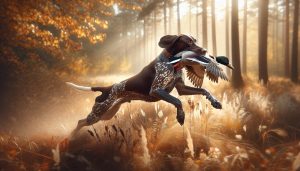
When it comes to hunting companions, few breeds can rival the Golden Retriever. Renowned for their intelligence, loyalty, and enthusiasm, these dogs often excel in duck hunting due to their keen instincts and strong retrieving abilities. This article will explore the secret abilities that make Golden Retrievers such efficient hunting partners. Whether you’re a seasoned hunter or considering the breed for your next adventure, understanding their unique traits and training needs is essential. Together, we’ll uncover how to harness the natural talents of Golden Retrievers, ensuring they not only thrive in the field but also deepen the bond you share. Get ready to discover why they might just be the perfect addition to your hunting expeditions!
Are Golden Retrievers Natural Hunters?
Golden Retrievers are often celebrated for their friendly and eager-to-please disposition, but many hunters also recognize them as exceptional natural hunters. Their ancestry as hunting and retrieving dogs makes them particularly well-suited for waterfowl hunting. Core traits such as their keen sense of smell, strong retrieving instinct, and enthusiasm for water contribute significantly to their effectiveness in the field. These dogs thrive in dynamic environments and are driven by their innate desire to work alongside their human companions, ensuring a productive and enjoyable hunt.
One of the standout attributes of Golden Retrievers is their remarkable retrieving ability. This breed is known for its exceptional mouth control, which allows them to retrieve waterfowl without damaging the game. Their soft mouths enable them to pick up ducks gently, which is crucial for hunters who want to preserve the quality of their catch. Golden Retrievers are also incredibly versatile; they adapt well to various hunting conditions, whether it’s navigating through thick marshes or swimming in open water. Their intelligence and trainability help them excel in various retrieving tasks, making them invaluable partners for skilled hunters.
Additionally, Golden Retrievers possess a natural trust in their handlers. Their eagerness to follow commands and remain focused in challenging situations highlights their training potential. Whether it’s marking a fall or making long retrieves over water, a well-trained Golden can outperform many breeds. In terms of social temperament, they tend to work well in team settings, often forming strong bonds with their hunting companions. This connection not only enhances their performance but also enriches the overall hunting experience for both the dog and the hunter.
In conclusion, Golden Retrievers’ combination of instinctual traits, adaptive behaviors, and deep bond with humans makes them outstanding candidates for duck hunting. With proper training and socialization, these dogs can become reliable and joyful partners in the field, ensuring successful and fulfilling hunting days.
Understanding Golden Retriever Field Performance
Golden Retrievers are not just beloved family pets; they are also exceptional working dogs, particularly when it comes to hunting. Their field performance, specifically in duck hunting, can be attributed to a harmonious blend of instinctual traits, rigorous training, and an intrinsic desire to bond with their human counterparts. These remarkable qualities enable Golden Retrievers to excel in various hunting scenarios, making them indispensable assets in the field.
One of the key elements of a Golden Retriever’s field performance is their impressive intelligence and trainability. Whether it’s retrieving a duck from water or finding a fallen bird hidden in thick brush, a well-trained Golden operates with precision and enthusiasm. Their adaptability to different terrains-be it muddy marshes, rocky shores, or dense forest underbrush-further enhances their capabilities. They can quickly assess a situation, respond to commands, and execute intricate tasks, often surpassing expectations in competitive hunting settings.
The bond between a Golden Retriever and their handler is another factor that amplifies performance. These dogs are eager to please and are incredibly attuned to their owner’s commands and body language. This innate connection allows them to perform complex tasks with finesse, such as marking the location of fallen waterfowl or following scent trails. As they become familiar with their handler’s style and commands, their efficiency and accuracy in the field improve dramatically. Hunters often report that their Golden’s success rates soar as their teamwork strengthens, highlighting the importance of patience and communication during training.
In addition to their cognitive abilities, Golden Retrievers also possess physical attributes that significantly contribute to their performance. Their webbed feet allow for powerful swimming, essential for retrieving waterfowl from ponds and lakes. They have a thick, water-resistant coat that keeps them warm and dry, making it easier to navigate cold waters or inclement weather. Their natural instinct to chase and retrieve aligns perfectly with the demands of duck hunting, making them adept at handling the rigorous tasks involved.
In summary, involves recognizing the dog’s unique combination of intelligence, adaptability, and strong bond with their handler. By fostering these traits through proper training and consistent interaction, hunters can harness the full potential of their Golden Retrievers, resulting in successful and enjoyable hunting experiences.
Essential Traits for Duck Hunting Success
Golden Retrievers shine in waterfowl hunting due to a unique combination of physical traits, temperament, and instincts that make them ideal companions in the field. These dogs possess a natural affinity for retrieving, bred into them through generations of selective breeding focused on game retrieval. Their extraordinary sense of smell and keen eyesight enhance their ability to locate and retrieve downed waterfowl, making them invaluable assets to hunters.
A significant factor contributing to their success is their physical endurance. Golden Retrievers have strong bodies and a robust build that allow them to traverse various terrains, from marshy wetlands to icy waters, with ease. Their webbed feet are a design advantage, providing powerful propulsion while swimming. This means they can navigate water quickly and efficiently, which is crucial for retrieving ducks or geese that fall into lakes or ponds.
Equally important is their eager-to-please attitude, which stems from their affectionate nature and strong desire to bond with their handlers. This eagerness not only makes training more effective but also fosters a deep trust between the dog and handler. When Golden Retrievers are tasked with retrieving, they exhibit unwavering enthusiasm, performing their duties as if they were born to do it. This driver, coupled with their adaptability, ensures that they can adjust to varying challenges during hunts, whether that entails facing different weather conditions or navigating diverse landscapes.
To harness these traits successfully, training is essential. Establishing solid fundamentals through positive reinforcement training techniques will ensure that the dog’s innate abilities come to the forefront. Focus on exercises that promote accuracy in marking, flexibility in handling various commands, and the ability to stay focused amid distractions. Incorporating realistic tracking scenarios will also sharpen their skills, accelerating their capability to retrieve efficiently when needed. By recognizing and nurturing these essential traits, hunters can develop a formidable partnership with their Golden Retrievers that enhances both the hunting experience and the bond shared with their canine companions.
Training Golden Retrievers for Waterfowl Retrieval
Golden Retrievers possess an extraordinary knack for waterfowl retrieval, a trait rooted in their lineage as dedicated hunting companions. To transform a playful puppy into a skilled retriever ready for the demands of duck hunting, a structured training regimen is essential. This process not only hones their natural instincts but strengthens the bond between dog and handler, ensuring both enjoy their time in the field.
Begin training with foundational obedience commands such as “sit,” “stay,” and “come.” These basic skills create a solid groundwork that enhances focus and discipline. Once your Golden has mastered these, gradually introduce more specific commands associated with retrieving. Use consistent verbal cues and hand signals, reinforcing their understanding through positive reinforcement-a practice where treats, praise, or toys reward desired behavior. Starting with simple fetch games using soft toys helps in understanding the process of retrieving while building excitement for the task ahead.
As your dog grows more comfortable with fetching, escalate the complexity of the exercises. Incorporate marks and blinds-technological terms in hunting that refer to the visual targets versus hidden retrieves, respectively. This will not only sharpen their ability to locate far-off waterfowl but also develop their stamina and problem-solving skills in varying environments. Utilize realistic tracking scenarios such as placing dummies in water and remaining hidden from view, challenging your Golden Retriever to apply both sight and scent tracking, mimicking actual hunting conditions.
Always remember that patience and consistency are core to successful training. Regular short training sessions-around 10-15 minutes-are more effective than longer, less focused ones. Keep the atmosphere fun and motivating; the bond you nurture during training will translate to trust and reliability in the field. A well-trained Golden Retriever, eager to please and adept at waterfowl retrieval, enhances not just the hunting experience, but creates lasting memories together as you experience the thrill of the hunt side by side.
Health Considerations for Hunting Golden Retrievers
Golden Retrievers are renowned for their natural instincts as hunters, but their performance as waterfowl retrievers relies heavily on their overall health. A well-rounded approach to health management is essential for these dogs, particularly when preparing them for the rigors of duck hunting. Regular veterinary check-ups, proper nutrition, and targeted exercise play a pivotal role in ensuring that your Golden is fit and ready for the field.
A healthy diet is the cornerstone of any hunting dog’s performance. Golden Retrievers thrive on high-quality, balanced dog food that meets their energy needs, especially during intensive hunting trips. When selecting a diet, opt for one that is rich in protein from quality sources such as chicken or fish, and includes proper levels of fats and carbohydrates. Consider consulting with a veterinarian to tailor a nutrition plan that aligns with your dog’s age, weight, and activity level.
Exercise is another vital component, as it helps maintain muscle condition and agility. Hunting Golden Retrievers benefit from a varied exercise routine that includes cardio activities like running, swimming, and retrieving practice. Regular physical activity not only strengthens their bodies but also supports mental well-being. Engaging them in exercises that mimic hunting scenarios, such as trail walks in waterlogged areas, can enhance their instincts and prepare them for real-life situations, ensuring they are confident and effective in the field.
Moreover, keep an eye on potential health issues that are common in the breed, such as hip dysplasia and obesity. Regular health screenings can play a key role in early detection and prevention of issues, helping your Golden maintain an optimal weight and avoid unnecessary strain during hunting activities. This proactive approach to health allows your Golden Retriever not only to excel as a hunting companion but also to enjoy a vibrant, active life.
Recognizing the importance of health in the totality of the hunting experience promotes a deeper bond between handler and dog, ensuring that both can appreciate the thrill of the hunt together.
Navigating Duck Hunting Regulations with Your Dog
Navigating the complexities of duck hunting regulations can sometimes feel daunting, especially with a loyal Golden Retriever by your side. Understanding these regulations not only ensures compliance but also enhances your overall hunting experience with your dog. Each state has its own set of rules concerning hunting seasons, bag limits, and permissible hunting methods, which require careful attention.
Before heading out, familiarize yourself with the specific duck hunting regulations in your area. The U.S. Fish and Wildlife Service website provides comprehensive details on federal regulations, while state wildlife agencies offer guidelines tailored to regions. Be sure to check for any specific requirements pertaining to hunting with dogs, such as leash regulations or mandatory training certifications. For instance, some states require hunters to complete a hunter safety course, which often includes sections dedicated to working with retrievers.
To help your Golden Retriever thrive while adhering to these regulations, consider enrolling in training programs that emphasize compliance with hunting laws. These classes not only refine your dog’s skills but also educate you on handling situations where regulations might come into play, like retrieving game in protected areas or recognizing closed zones.
Additionally, keeping up to date with changes in hunting laws is crucial. Regulatory updates can be seasonal, so consult local hunting forums, wildlife agency newsletters, or community groups. Engaging with fellow hunters can provide insights and shared experiences that enhance your understanding and enjoyment of duck hunting. By being knowledgeable and prepared, you can forge a strong, compliant partnership with your Golden Retriever, ensuring a safe and successful hunting adventure.
Best Practices for Duck Hunting Gear and Equipment
When it comes to duck hunting, having the right gear is essential not just for your success but also for the safety and comfort of your Golden Retriever. These remarkable dogs are bred for retrieving, and outfitting them correctly for the hunt will enhance their natural abilities while ensuring they are prepared for the challenges that come with waterfowl retrieval.
Start by selecting a durable, waterproof vest for your Golden Retriever. A good hunting vest provides warmth and protects against the elements, allowing your dog to stay comfortable even in frigid water. Look for vests that feature bright colors; this ensures your dog is visible to you and other hunters in the field, enhancing overall safety. Additionally, consider vests with pockets for small essentials like first aid supplies or training dummies, keeping everything you need easily accessible.
Training Gear
Equip your Golden with reliable training tools to strengthen their retrieving skills. Invest in a quality whistle, which allows for clear communication in noisy environments. A specialized training line connected to a harness can help reinforce commands while allowing your dog to practice safely around water. Incorporate water-friendly toys or dummies into your training sessions, as these help simulate real hunting scenarios and keep your dog enthusiastic about retrieving.
Hunting Accessories
Don’t forget about your hunting gear that supports both you and your Golden Retriever. A well-fitting, comfortable collar with identification tags is crucial, especially during hunting seasons when dogs may wander. Opt for a collar that is sturdy yet not too bulky, ensuring it does not interfere with movement. You should also consider a portable dog water bowl and high-quality kibble or treats that easily transport, allowing for hydration and energy replenishment during long days in the field.
Footwear Options
Finally, consider investing in a pair of dog booties. The terrain you navigate can be tough on your Golden’s paws. Booties provide protection against sharp thorns, icy waters, and extreme temperatures, enabling your dog to maintain an optimal performance level without the risk of injury. Ensure that the booties fit well, allowing for freedom of movement while providing adequate protection.
By carefully selecting the right gear and equipment, you not only enhance your Golden Retriever’s performance and safety on the hunt but also foster the special bond between you and your faithful companion. This thoughtful approach to preparation sets the stage for a successful and enjoyable duck hunting experience, where both you and your dog can thrive.
The Role of Socialization in Hunting Skills
To excel in duck hunting, Golden Retrievers must be well-socialized from a young age. This socialization process not only prepares them to interact seamlessly with other dogs and people, but it also reinforces their behavior and confidence in varied hunting environments. Socialization helps them adapt to different sights, sounds, and situations they will encounter in the field, such as the noises of gunfire, the presence of other hunters, and the hustle and bustle of a busy hunting setting.
When socializing your Golden Retriever, start with gentle exposure to various environments. Take them on trips to the local park, or even on visits to dog-friendly stores. Introduce them to other dogs in controlled settings, and allow them to meet people of all ages. The goal is to build their comfort level with human interactions and different terrains. This early experience can be crucial; a well-socialized dog is typically more focused and responsive in the field, making them better hunting companions.
Training sessions also provide significant socialization opportunities. Utilize group training classes that encourage interaction with other dogs and handlers. Engaging in these activities not only hones their retrieval skills but also reinforces positive social behavior. Moreover, participating in dog sports or social gatherings can keep your Golden Retriever mentally and physically stimulated while enhancing their hunting instincts naturally. A confident retriever is more likely to excel in retrieving downed waterfowl, making it essential that their socialization continues even as they mature.
Lastly, being a social creature, Golden Retrievers thrive on family interactions. Encourage your family members to engage with your dog during hunts or training sessions. This structured approach will help your retriever feel secure and connected, enhancing the bond between dog and handler while promoting a calm demeanor in more challenging hunting conditions. By ensuring that your Golden Retriever receives the right kind of socialization, you lay the groundwork for a reliable and skilled hunting partner who is not only adept at retrieving but also enjoys the entire hunting experience alongside you.
Evaluating Hunting Temperament in Golden Retrievers
Golden Retrievers are widely celebrated for their friendly demeanor, boundless energy, and eagerness to please, making them exceptional candidates for duck hunting. However, evaluating a Golden Retriever’s hunting temperament is essential in determining their suitability as a hunting partner. This evaluation goes beyond mere enthusiasm; it encapsulates their instinct to retrieve, their responsiveness to commands, and their ability to remain focused amidst distractions.
When assessing a Golden Retriever’s hunting temperament, consider several key traits. First, their drive is crucial. A retriever should display a strong eagerness to chase and retrieve objects. This can be observed by tossing a dummy or a toy; those with good hunting temperament will show excitement and determination in retrieving it. Additionally, their biddability or willingness to follow commands is vital. A dog that readily responds to verbal cues or hand signals will make for a more effective hunting buddy, particularly in complex situations encountered in the field.
Moreover, a Golden Retriever’s calmness under pressure plays a significant role in their hunting effectiveness. Ducks, gunfire, and the bustling environment of a hunting expedition can create stress for some dogs. Therefore, ensuring that a potential hunting Golden is comfortable in noisy, chaotic settings is crucial. This can often be assessed through controlled exposure to simulated hunting environments, where they can get used to the sights and sounds without feeling overwhelmed.
Lastly, observe how your dog interacts with other dogs and humans during training. A dog that displays confidence and friendly assertiveness will typically perform better in hunting situations, as they are more likely to cooperate with other hunters and dogs during the chase. Training classes that incorporate group sessions may offer insight into these behaviors, helping you to gauge your dog’s readiness for the field.
By carefully assessing these traits, you can better understand your Golden Retriever’s potential as a hunting companion, ensuring that every adventure afield is enjoyable for both of you while maximizing their natural abilities.
Common Challenges in Duck Hunting with Retrievers
Duck hunting with Golden Retrievers can be an exhilarating experience, but it also comes with its own set of challenges that hunters must navigate to ensure a successful outing. One of the most common hurdles is distraction. Golden Retrievers are inherently curious and playful, which can sometimes lead them to be easily sidetracked by other wildlife, sounds, or even fellow hunters. To mitigate this, it’s crucial to reinforce basic obedience commands during training, focusing on steadying and redirecting their attention when needed. Practicing patience during training sessions allows your dog to build the necessary discipline for the field.
Another challenge lies in the water conditions where hunting often takes place. Retrievers, including Golden Retrievers, may encounter varying water temperatures and depths, which can impact their performance and comfort. Ensuring your dog is acclimated to cold water, and gradually training them in different environments, can help improve their confidence and skills. Providing appropriate gear, such as doggy life jackets in particularly chilly waters, can also enhance their safety and performance.
Additionally, communication between handler and dog is critical, especially in the chaos of a hunting scenario. It can be difficult to maintain clear communication when excitement levels are high or when distractions abound. Using a consistent set of signals or commands that your dog knows well can help in these moments. Incorporating hand signals alongside verbal commands during training can improve responsiveness in high-pressure situations, enabling smoother teamwork during hunts.
Lastly, there’s the aspect of health implications. Long hours in the field can take a toll on your dog’s physical well-being. It’s essential to monitor their hydration levels and take breaks to prevent fatigue and overheating, especially on warmer days. Providing a healthy snack during these breaks can help recharge their energy levels and keep them enthusiastic about continuing the hunt.
By being aware of these common challenges, Golden Retriever owners can better prepare for an enjoyable and fruitful duck hunting experience, strengthening the bond with their beloved hunting companions while maximizing their natural abilities in the field.
Enhancing Bonding Through Hunting Activities
The relationship between you and your Golden Retriever can deepen significantly through shared hunting experiences. Engaging in waterfowl retrieval not only harnesses their natural instincts and energy but also creates lasting memories and strengthens your bond. Your enthusiasm for hunting can be mirrored in your dog when you incorporate fun and challenge into your training sessions. A dedicated approach to training-where obedience is nurtured through rewarding activities-makes both of you better prepared for the field, creating a synergy that enhances performance.
Incorporating play into your training regimen is vital. Activities such as fetching dummies or balls in various terrains and water conditions simulate hunting scenarios. This practice can cultivate your dog’s retrieving skills while building their confidence and excitement for actual hunts. Set up mock retrieval drills that replicate the experience of fetching waterfowl, encouraging your Golden to utilize their keen sense of smell and sight while practicing commands. Celebrating small victories with treats or praise not only reinforces their learning but also fortifies the emotional connection between you both.
Additionally, ensuring your dog is socially engaged can significantly enhance their hunting abilities. Organizing group outings with other hunting dogs and their owners can provide exposure to distractions and different styles of retrieval. Your dog will learn to focus and collaborate with both you and fellow hunters, increasing their adaptability in dynamic scenarios. This social component can help reinforce their patience and steadiness, essential traits for effective teamwork during hunts.
Moreover, taking care of your Golden’s physical needs plays a crucial role in maintaining the bond formed during hunting activities. Always monitor their physical condition: keeping them hydrated, well-fed with appropriate nutrition, and rested. Incorporating routine health check-ups further demonstrates your commitment to their well-being, making them more willing to perform for you. Ultimately, hunting together is not just about the sport but also about nurturing a lifelong partnership built on trust, understanding, and shared joy.
Tips for Post-Hunt Care and Recovery
After an exciting day in the field, providing thoughtful post-hunt care for your Golden Retriever is essential not only for their physical recovery but also for strengthening your bond. These dogs are known for their endurance and enthusiasm, but all that activity can be taxing on their bodies. Adequate care supports their health and ensures they remain eager for future adventures.
One crucial aspect of post-hunt care is rehydration. Always have clean, fresh water available for your Golden to drink right after a hunt. If they’ve been exposed to cold water or have been active for a long time, they may need both water and electrolytes. Consider a high-quality, canine-safe electrolyte solution if your dog has worked particularly hard. Additionally, monitoring their food intake after a hunt is vital. They may be more hungry than usual, so feed them a nutritious meal rich in protein and healthy fats to help rebuild muscle and replenish energy stores.
Don’t forget inspections for any minor injuries or irritations that may have occurred during the hunt. Check their paws for cracks, cuts, or foreign objects, and examine their coat for ticks or debris. Bathing your Golden after a day in the field is also beneficial. Use a gentle shampoo to remove dirt, mud, or any residual scent they might carry from the hunt. This can help maintain their skin health and coat shine, allowing them to feel fresh and clean.
Lastly, give your Golden Retriever time to relax post-hunt. Allow them to nap in a comfortable space after their vigorous activity. This rest period is crucial for muscle recovery and overall well-being. Engaging in gentle play or light stretching can also be beneficial, as this keeps their muscles limber and prevents stiffness. Following these practices will not only ensure your Golden’s health but also enhance the bond you share as partners in the field.
FAQ
Q: Are Golden Retrievers naturally good at hunting ducks?
A: Yes, Golden Retrievers are naturally inclined to hunt ducks due to their strong retrieving instincts, intelligence, and water-loving nature. Their ability to learn and adapt makes them excellent waterfowl hunters. Training enhances these natural skills, combining instinct with discipline.
Q: How do I train my Golden Retriever for duck hunting?
A: Start by introducing basic obedience commands. Gradually incorporate retrieving drills using dummies to simulate duck retrieval. Familiarize them with different terrains and water conditions. Consistent practice and positive reinforcement will build hunting skills and confidence.
Q: What traits make Golden Retrievers suitable for duck hunting?
A: Golden Retrievers possess exceptional stamina, strong swimming abilities, and a gentle mouth that protects the game. Their friendly disposition also allows them to navigate hunting environments without startling other wildlife, making them ideal partners for duck hunters.
Q: What health considerations should I be aware of for Golden Retrievers in the field?
A: Ensure your Golden Retriever is in good health before hunting. Regular vet check-ups, a balanced diet, and adequate exercise are essential. Watch for specific issues like hip dysplasia and ear infections, which can be exacerbated by frequent exposure to water and cold conditions.
Q: How can I enhance my Golden Retriever’s bond during duck hunting?
A: Engage in shared activities like training sessions and walks in hunting environments. Reward them with praise and treats after successful retrieves. This positive reinforcement strengthens both their hunting skills and your relationship, making your outings more enjoyable.
Q: What challenges might I face hunting ducks with a Golden Retriever?
A: Common challenges include distractions from other wildlife, water retrieval difficulties, and temperature regulations. Be prepared with training to handle distractions and ensure your Golden Retriever is comfortable in cold water, as prolonged exposure can lead to hypothermia.
Q: What gear is essential for hunting with a Golden Retriever?
A: Essential gear includes a quality harness, a waterproof jacket for cold weather, and reflective vests for visibility. Consider bringing training dummies for practice and a first-aid kit specifically catering to canine needs, ensuring safety during hunts.
Q: When is the best time to hunt ducks with my Golden Retriever?
A: The optimal time for duck hunting varies by region but often falls during early morning or late afternoon when ducks are most active. Additionally, consider seasonal migrations, which can affect duck populations and hunting success rates.
In Conclusion
As we conclude our exploration of whether Golden Retrievers are good for duck hunting, remember that their innate abilities, work ethic, and friendly demeanor make them exceptional companions both in the field and at home. If you’re gearing up for hunting season, now’s the perfect time to ensure your Golden is well-prepared and trained. For more tips on training techniques that will enhance your hunting experience, check out our guides on “Training Your Golden Retriever for Field Work” and “Nutrition Essentials for Active Dogs”.
Feeling inspired? We invite you to share your own experiences or questions in the comments below. Don’t forget to sign up for our newsletter to stay updated on all things Golden Retriever, from health advice to gear recommendations. By embracing your Golden’s natural instincts, you can enjoy a rewarding partnership that lasts a lifetime. Keep exploring our site for more insights, and prepare to unleash your dog’s full potential in the great outdoors!