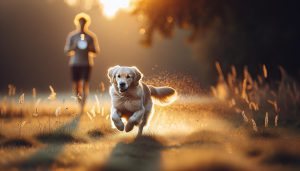
Golden Retrievers are not just beloved family pets; they also boast a rich heritage as skilled waterfowl hunting companions. Known for their intelligence, friendly demeanor, and exceptional retrieving abilities, these dogs were originally bred to assist hunters in fetching ducks and other waterfowl. Understanding this aspect of the breed is essential for current and prospective owners who seek to appreciate the breed’s history and capabilities. Whether you’re looking to bond over outdoor adventures or simply want to explore their remarkable instincts, delving into the world of Golden Retrievers as duck dogs reveals a unique connection to nature and enhances the joy of owning this endearing breed. Read on to discover how these wonderful dogs blend their hunting heritage with their roles as loyal family companions.
Are Golden Retrievers Natural Duck Dogs?
Golden Retrievers are renowned for their exceptional skill in waterfowl hunting, making them a favorite among sportsmen and outdoor enthusiasts alike. With their origins rooted in the late 19th century Scottish hunting scene, these dogs were meticulously bred for their ability to retrieve games from both land and water. The combination of their innate water-loving nature, strong retrieving instincts, and keen sense of smell creates a perfect storm of capabilities that make them adept at fetching ducks and other waterfowl.
Their friendly disposition and eagerness to please also play a significant role in their effectiveness as hunting companions. Golden Retrievers are naturally enthusiastic and wildly energetic, traits that are essential when engaged in the multiple phases of a hunting expedition. They thrive on the interaction and bond they create with their handlers, making training not just effective but also enjoyable for both parties. This relationship aids in fostering an enthusiastic response to commands, especially in high-energy scenarios like hunting.
Furthermore, their physical characteristics-such as a water-repellent coat and webbed feet-enhance their ability to navigate wetlands and retrieve ducks efficiently. These traits, combined with their intelligence and trainability, affirm their status as one of the best breeds for waterfowl hunting. Whether it’s diving into chilly waters or traversing marshy environments, Golden Retrievers display an unparalleled enthusiasm that amplifies the hunting experience.
The Historical Role of Golden Retrievers in Waterfowl Hunting
Golden Retrievers have long held a prominent place in the world of hunting, particularly in the realm of waterfowl hunting. Bred in the late 19th century in Scotland, these remarkable dogs were developed by crossing the now-extinct Yellow Retriever with the Tweed Water Spaniel, along with the addition of Bloodhounds, Irish Setters, and other breeds. This careful selection aimed to create a breed with exceptional retrieving abilities, a keen nose, and an agile yet sturdy build capable of navigating diverse terrains, both on land and in water.
Their historical significance in hunting goes beyond mere retrieval skills; Golden Retrievers were initially bred to assist hunters in retrieving game from the frigid Scottish waters and marshes. Their innate desire to please, coupled with a friendly and intelligent demeanor, makes them not only capable hunting partners but also ideal family companions. These attributes have ensured their popularity among hunters and families alike, as they can transition seamlessly from a dedicated hunting dog to a beloved family member.
Moreover, the reputation of Golden Retrievers as skilled waterfowl hunters is evidenced by their recurring appearances in hunting trials and competitions. Over the years, these events have showcased their extraordinary abilities to retrieve ducks and other birds, highlighting the breed’s natural aptitude for this task. Enthusiastic and eager, Goldens thrive under pressure, often demonstrating a remarkable level of focus that many other breeds do not exhibit. This combination of history, versatility, and sheer ability confirms their status as one of the premier choices for hunters seeking a proficient companion in the field.
In addition to their physical attributes, Golden Retrievers’ ability to bond with their handlers makes training a rewarding experience. Their friendly disposition encourages trust and teamwork, essential elements in successful hunting scenarios. This unique bond not only enhances the effectiveness of training but also solidifies the relationship between the dog and its owner, paving the way for countless memorable hunting outings together. Ultimately, is a testament to the extraordinary traits that make them beloved by sportsmen and families around the world.
Characteristics That Make Goldens Ideal for Duck Hunting
Golden Retrievers are renowned for their exceptional qualities that make them prime candidates for duck hunting. Their genetics, honed through generations of selective breeding, equip them with unmatched abilities to retrieve in water and challenging terrains. One of the most remarkable features of Goldens is their strong swimming prowess. With their webbed feet, dense water-resistant coats, and powerful legs, they thrive in aquatic environments, allowing them to access waterfowl in situations where other breeds might struggle.
In addition to their physical capabilities, Golden Retrievers possess an innate desire to please. This trait translates into a natural willingness to listen and respond to commands, which is critical when working in the field. Their intelligence makes them quick learners, able to grasp complex retrieval tasks with practice. Training sessions often become enjoyable bonding experiences for both the handler and the dog, cementing a relationship built on trust and teamwork.
Furthermore, their gentle mouths are a defining characteristic that promotes success in retrieving. Goldens are bred to carry game without damaging it, ensuring that the ducks they retrieve remain intact and ready for preparation. This element of their nature is vital for maintaining ethical hunting practices and reflects the breed’s overall temperament, which is friendly and patient.
Golden Retrievers also showcase exceptional focus and enthusiasm during hunts. Their alertness to sounds and movements allows them to track waterfowl effectively, while their eagerness drives them to work tirelessly alongside their hunters. For many, these qualities not only enhance hunting experiences but also transform hunting outings into memorable adventures tethered by a strong, cooperative spirit between dog and human.
In conclusion, the attributes that make Golden Retrievers desirable for duck hunting – from their physical traits and disposition to their ability to bond and cooperate – contribute significantly to their legacy as premier waterfowl partners. Providing the right training and fostering their natural instincts can unlock the full potential of these remarkable dogs as hunting companions.
Training Your Golden Retriever for Waterfowl Retrieval
To ensure that your Golden Retriever excels as a waterfowl retriever, an effective training regimen is essential. Begin training early, ideally when your pup is around 8 to 12 weeks old. This crucial period is when they absorb new experiences and instructions most effectively. Utilizing both informal play and structured training sessions can lay a solid foundation for your dog’s future hunting capabilities.
Start with basic obedience commands, as these are the cornerstone for everything that follows. Focus on commands like “sit,” “stay,” and “come.” Using positive reinforcement methods, such as treats and praise, will foster their eagerness to please while building a strong bond between you and your dog. Once your Golden has mastered these foundational skills, gradually introduce them to retrieval exercises. Begin with a simple objects like a ball or a toy, rewarding them for fetching it back to you.
As your dog becomes more comfortable with retrieving, transition to using items that mimic the weight and feel of a duck, such as a canvas dummy. This allows them to adjust to the specific nature of waterfowl retrieval. It’s also beneficial to incorporate water into the training process early on, if possible. Encourage swimming by tossing dummies into shallow water, allowing your Golden to experience the thrill of retrieving from their natural element. Ensure gradual progression, increasing distance and complexity as your dog gains confidence and skill.
Another important aspect of training is steady socialization. Expose your Golden Retriever to multiple environments, sounds, and stimuli that they may encounter during a hunt, including gunfire and various terrains. This helps prepare them for the unpredictability of actual hunting situations. Consider participating in group training sessions or joining local hunting clubs to simulate real-world hunting experiences, further enhancing your dog’s capabilities in the field.
With patience and consistency, your Golden Retriever will develop the skills and instincts necessary to shine as a reliable waterfowl retrieval partner, embodying the essence of this breed’s rich hunting heritage.
Essential Gear for Hunting with Golden Retrievers
Golden Retrievers are naturally equipped for waterfowl hunting, not just because of their history but also due to their physical and mental attributes. When gearing up for a hunting trip, it’s essential to ensure both you and your Golden have the right equipment to make the experience safe, enjoyable, and efficient. From durable gear that protects against the elements to training tools that prepare your dog for the day’s challenges, the right items can be game-changers in the field.
Essential Gear for Your Golden Retriever
One of the first items on your list should be a high-quality, weather-resistant dog vest. These vests can protect your Golden from cold water and sharp objects encountered in marshy or rocky terrains. Look for vests with reflective strips for visibility to ensure your dog remains safe, especially in low-light conditions. Additionally, a neoprene vest can offer insulation in colder climates, keeping your dog warm during long hours in the water.
Next, consider investing in a reliable collar and leash system. A durable collar with a strong D-ring ensures your dog is securely attached while hunting. It’s wise to choose a waterproof collar that can withstand the wet conditions common during duck hunting. Pair this with a sturdy leash that provides good control without being cumbersome, especially when navigating through thick brush or crowded hunting areas.
Another critical item is a solid retrieving harness. This is particularly beneficial for older Golden Retrievers who may require extra support when navigating strong currents or uneven terrain. A harness allows for better control and helps prevent injury when your dog is fetching birds. Additionally, using a well-trained whistle or training remote can improve your communication, especially over long distances.
Finally, don’t forget about safety and well-being. Bring along a basic first aid kit for your dog, which should include bandages, antiseptic wipes, and any necessary medications. Hydration is similarly vital, so ensure your pup has access to clean drinking water, even in the field. Consider a collapsible bowl for on-the-go convenience.
By equipping yourself and your Golden Retriever with appropriate hunting gear, you’re setting up for a successful outing that honors their capabilities as natural duck dogs. Each piece of equipment enhances not only their performance but also their safety, ensuring that your time spent together in the field is both productive and enjoyable.
The Importance of Early Socialization in Hunting Dogs
The foundation of a successful hunting companion starts well before your Golden Retriever ever steps into the field. Early socialization, which involves exposing your pup to new experiences, environments, people, and other animals, is crucial in developing a well-rounded and confident dog. Golden Retrievers, with their friendly temperament and eagerness to please, thrive on positive interactions, and these early experiences can significantly impact their performance as hunting dogs.
By engaging your Golden in a variety of social settings during their critical development stages (typically between 3 and 14 weeks), you can help them build the necessary skills and confidence to tackle the challenges of waterfowl hunting. Early socialization helps your dog become accustomed to the sights, sounds, and smells associated with hunting environments, such as gunshots, the presence of water, or the excitement generated from seeing birds in the air. A well-socialized Golden is not only more prepared for the field but also more adaptable to unpredictable hunting scenarios.
To facilitate socialization, consider organizing playdates with other dogs and taking your Golden on adventures that expose them to nature, outdoor settings, and even busy urban areas. As they encounter various stimuli-like the sight of other animals, the sound of rustling leaves, or the smell of water-your dog learns to process these experiences calmly and curiously rather than fearfully. Make these outings enjoyable by rewarding good behavior with treats or praise, fostering a positive association with new experiences.
Moreover, incorporating training and socialization simultaneously can be particularly beneficial. Engage in basic obedience exercises in diverse settings to reinforce their listening skills while socializing. Advanced training sessions that simulate duck hunting scenarios can further enhance their abilities, reinforcing their natural instincts and preparing them for the demands of retrieving in real hunting situations.
The bond you build through early socialization not only prepares your Golden Retriever for success in the field but also enriches your overall relationship, fostering a trust that enhances teamwork during waterfowl hunts. With a socially adept Golden by your side, you’ll discover that the joys of hunting extend beyond the chase-creating cherished memories that deepen your connection with this remarkable breed.
Health Considerations for Active Hunting Goldens
Active hunting Golden Retrievers thrive in the outdoors, but their vigorous lifestyle requires thoughtful health considerations to keep them in peak condition. Regular exercise is crucial, not only for maintaining muscle tone and stamina for long days in the field, but it also promotes mental well-being. Daily walks, runs, or swimming sessions help channel their energy, preventing behavioral issues and ensuring they are ready for retrieval activities. Integrating varied physical challenges will enhance their agility and responsiveness, making them exceptional hunters.
Nutrition plays a vital role in sustaining a hunting Golden’s energy levels and overall health. Choosing high-quality dog food that aligns with their active lifestyle is essential. Look for options rich in protein and healthy fats, as these provide the energy needed for hunting tasks. Feeding a consistent schedule helps maintain their metabolism and digestive health. Additionally, consider supplementing their diet with omega fatty acids to support joint health, especially since Golden Retrievers are prone to hip and elbow dysplasia.
Regular check-ups with a veterinarian are critical to monitor health issues that may arise from their active lifestyle. Conditions such as hip dysplasia, ear infections due to water exposure, and obesity from inadequate exercise can impact their performance. Keeping vaccinations and parasite control up to date will ensure your Golden stays healthy throughout hunting season. Dental health is also important; regular at-home care with brushing and dental chews can prevent oral diseases that could affect their overall vitality.
Finally, don’t overlook the importance of hydration, especially while hunting in warmer weather. Dehydration can severely impact a dog’s ability to perform. Always carry fresh water and a collapsible bowl to keep your Golden hydrated during outings. By prioritizing these health considerations, your Golden Retriever can enjoy a long, vibrant life as a cherished hunting companion, ready to embark on many adventures together.
Field vs. Show: Which Golden Retriever for Hunting?
Golden Retrievers are renowned for their versatility, seamlessly transitioning from the show ring to the hunting field. However, when considering a Golden for waterfowl hunting, a critical question arises: should you choose a field-bred Golden or one bred for conformation showing? Each type possesses distinct characteristics that can significantly impact their performance as hunting companions.
Field-bred Golden Retrievers are typically bred with working ability as a primary focus. They often exhibit higher energy levels, a stronger drive for retrieving, and enhanced instincts essential for hunting. These dogs are generally leaner and more agile, with a coat that is designed for function over form, ensuring they can withstand varying outdoor conditions. They also tend to be easier to train for specific tasks related to hunting because of their natural abilities and desire to please their handlers. If you’re looking for a dedicated hunting partner that thrives in the field, a field-bred Golden can be an excellent choice.
On the other hand, show-bred Golden Retrievers excel in confirmation showing, where their physical appearance meets breed standards. These dogs often have a more substantial build and a plush coat, which can be beautiful but may not be as well-suited for the rigors of waterfowl hunting. While many show Goldens can function adequately as hunting dogs, they may require more patience and consistent training to develop the necessary skills for water retrieval. It’s worth noting that some show-bred Goldens have been successfully trained for hunting, thanks to the breed’s inherent traits and intelligence.
Ultimately, your decision should reflect your specific needs as a hunter and the type of companionship you seek. If possible, consider your lifestyle, expected hunting conditions, and the type of hunting you do most frequently. Regardless of their breeding, the bond you build with your Golden Retriever through training and shared experiences will be the foundation of a fruitful partnership in the field. It’s essential to ensure that your dog receives adequate training, exercise, and socialization, whether they are a field or show Golden, to enhance their suitability for the hunting experience.
Understanding Retriever Instincts in Golden Retrievers
Golden Retrievers possess a remarkable skill set that has earned them a revered place in the world of waterfowl hunting. These dogs are not just bred for companionship; their instincts are finely tuned for retrieval work, making them natural allies in the field. One key to their success lies in their keen ability to understand and respond to cues from their handlers. This innate talent can often be traced back to their ancestral roots, where retrieving was integral to their purpose as hunting companions.
The breed’s history as a sporting dog has endowed them with characteristics such as strong swimming abilities and a soft mouth, allowing them to retrieve game without damage. Golden Retrievers are known for their enthusiasm and drive, which can be attributed to their instinctive desire to fetch. This inherent motivation not only makes training more effective but also ensures that they remain engaged and excited during hunting activities. Observing your dog’s natural tendencies can provide insights into how to leverage those instincts during training.
Harnessing Instincts for Successful Training
To effectively train your Golden Retriever, it’s essential to create scenarios that mimic real hunting conditions. Utilizing retrieves with dummies or game in varying conditions helps them understand what is expected of them in the field. Start with simple retrieves and gradually introduce complexities such as distractions, water entries, and multiple retrieves. This method will not only develop their instincts but also build their confidence and reliability as hunting partners.
A crucial element in harnessing these instincts is incorporating positive reinforcement. Reward your Golden with praise or treats when they demonstrate desired behaviors, such as returning with the dummy or following commands. This approach capitalizes on their eagerness to please and reinforces their instinctual behaviors, paving the way for a strong and effective partnership in the waterfowl hunting experience.
Remember, every Golden is unique; some may excel in certain aspects of hunting while others might shine in different areas. Taking the time to understand your dog’s strengths and building on them will enhance both your skills as a hunter and the joy of working together in the field. Embrace your Goldens’ innate abilities, and you’ll find that their instincts can turn a day of hunting into an extraordinary adventure filled with shared triumphs and deepening bonds.
Tips for Successful Duck Hunting with Your Golden
When heading out for a day of duck hunting with your Golden Retriever, preparation is paramount. These dogs not only love the thrill of the chase but are also incredibly adept at retrieving game, thanks to their natural instincts and training. To ensure that both you and your Golden enjoy a productive outing, consider these essential tips.
First and foremost, build a strong bond with your Golden through consistent training that reinforces commands. This relationship enhances their willingness to work alongside you in the field. When entering a hunting environment, keep their focus on you by practicing commands such as “sit,” “stay,” and “come.” Begin with simple commands at home and gradually introduce distractions like bird calls or moving decoys to increase their reliability in the field.
Next, understanding the environment where you’ll be hunting can greatly influence your success. Familiarize your Golden with different terrains-ponds, marshes, or fields-prior to the hunt. Take them to these locations for short practices to acclimatize them to the sights and sounds. This not only boosts their confidence but also aligns their natural instincts with the specific hunting conditions, making them more effective when it’s time to retrieve.
Additionally, always ensure that your Golden is properly equipped for the hunt. Consider investing in a well-fitting camouflage vest that helps them blend into the environment while also keeping them safe from cold water and briars. Carry plenty of water and snacks to keep your canine companion hydrated and energized throughout the day, especially during longer hunts.
Lastly, remember that patience is key. Whether it’s waiting for ducks to come into range or helping your Golden refine their retrieval skills, providing consistent, positive encouragement will enhance their experience and performance. Celebrate small victories during training sessions, and reward their achievements to foster a joyful, engaged partnership on your expeditions. By integrating these practices into your hunting routine, you’re not just preparing for a successful day in the field; you’re also strengthening the life-long bond between you and your Golden Retriever.
Seasonal Care Tips for Hunting Golden Retrievers
As the seasons change, it’s essential to adjust your care routine for your hunting Golden Retriever to keep them in peak condition for the rigors of waterfowl hunting. Regular grooming is crucial, particularly in the fall and winter months when your Golden’s coat experiences seasonal shedding. Regular brushing helps to minimize shedding while simultaneously removing dirt and debris that can accumulate from outdoor adventures. Aim for at least two to three grooming sessions a week with a slicker brush or an undercoat rake to maintain a healthy coat.
Hunting conditions can vary vastly with the seasons, and your Golden Retriever needs to be prepared for each temperature swing. In cold weather, investing in a good quality insulated dog vest will help keep your buddy warm while they’re retrieving in icy waters. Be mindful of signs of hypothermia, such as excessive shivering or lethargy, especially if your dog spends extended periods in frigid temperatures. When hunting in warm weather, ensure they have plenty of fresh water and schedule breaks in shaded spots to prevent overheating.
Nutrition also plays a critical role throughout the seasons. Feeding your Golden a high-quality, well-balanced diet to support their energy needs is essential, particularly during hunting season when their activity level ramps up. Depending on their workload, you may need to adjust their food intake accordingly. It’s wise to incorporate high-energy, high-protein meals to ensure they have the stamina for those long hunting days.
Moreover, hydration is key. Always carry extra water and portable bowls during your outings. After spending time in water, particularly in colder months, ensure your dog is properly dried off, paying special attention to their ears and underbelly where moisture can linger and lead to infections. Taking these proactive steps not only enhances your Golden’s comfort while hunting but also promotes overall health and well-being year-round. By addressing their seasonal needs diligently, you’re ensuring that your Golden Retriever remains a joyful and eager partner on your waterfowl hunting adventures.
Frequently asked questions
Q: Are Golden Retrievers good for duck hunting?
A: Yes, Golden Retrievers are excellent duck hunting dogs due to their strong retrieving instincts, intelligence, and affinity for water. Their friendly temperament and trainability make them ideal companions for hunters looking to retrieve waterfowl.
Q: What traits make Golden Retrievers suitable for waterfowl hunting?
A: Golden Retrievers possess traits like a strong swim ability, excellent nose for scents, and enthusiasm for fetching. Their dense, water-repellent coat allows them to withstand cold water, making them well-suited for long hours in the field.
Q: How should I prepare my Golden Retriever for duck hunting?
A: To prepare your Golden Retriever for duck hunting, start with basic obedience training, then introduce scent and retrieve work gradually. Using dummy or real birds can enhance their natural instincts. Consider joining a training class focused on hunting dogs for structured learning.
Q: When is the best time to start training a Golden Retriever for hunting?
A: It’s best to start training your Golden Retriever for hunting during their early months, around 3-6 months old. Early socialization and exposure to various environments are crucial for developing hunting skills and confidence.
Q: Can all Golden Retrievers be trained for duck hunting?
A: While most Golden Retrievers can be trained for duck hunting due to their innate retrieving instincts, individual temperaments and energy levels can vary. Assess your dog’s enthusiasm for water and retrieving before committing to training.
Q: How do Golden Retrievers differ from other hunting breeds for duck hunting?
A: Golden Retrievers differ from other hunting breeds primarily in their temperament. They are typically more sociable and eager to please, making training easier. Their versatility in both land and water retrieval also sets them apart.
Q: What health considerations should I keep in mind for hunting Goldens?
A: Regular veterinary check-ups, maintaining a healthy diet, and ensuring adequate exercise are vital for hunting Goldens. Watch for common breed-specific issues, such as hip dysplasia and obesity, to ensure they remain fit for hunting activities.
Q: What equipment do I need for hunting with a Golden Retriever?
A: Essential gear includes a sturdy leash, water-resistant dog vest, and retrieving dummies or decoys. A sturdy crate for transport and a first aid kit specific for dogs are also valuable for safe and efficient hunting trips.
The Way Forward
As we’ve explored, Golden Retrievers are not only beloved family pets but also exceptional duck dogs, rooted in a rich waterfowl hunting heritage. Their intelligence, eagerness to please, and natural retrieving instincts make them invaluable companions in the field. If you’re considering adding a Golden Retriever to your family or enhancing your hunting experience, act now by checking out our detailed care guides on training and nutrition for Golden Retrievers, and don’t miss our insights on choosing the right breed variations for your lifestyle.
To dive deeper, be sure to explore our articles on Golden Retriever grooming tips and seasonal care essentials to keep your pup happy and healthy. Have questions or experiences to share? We welcome your thoughts in the comments below! Stay connected for more expert advice, and don’t forget to sign up for our newsletter for the latest updates and resources tailored for Golden Retriever enthusiasts. Embrace the adventure, and let your Golden bring joy to your hunting and family life!