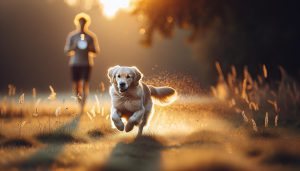
Golden Retrievers are often celebrated as charming family companions and exceptional service dogs, but many potential owners wonder about their performance in the field, particularly in bird hunting. Known for their intelligence, strong retrieving instincts, and friendly demeanor, these dogs have a rich heritage that makes them well-suited for hunting. They’re not just great pets; they excel in activities that connect them to their natural instincts. For enthusiasts looking to bond with their Golden Retriever through hunting, understanding their capabilities can enhance your outdoor experience together. As you navigate the world of bird hunting, learn how these remarkable dogs can become invaluable partners on your hunting adventures. Read on to discover more about their hunting heritage and characteristics that make them such beloved companions in both the home and the field.
Are Golden Retrievers Natural Hunters?
Golden Retrievers are naturally equipped for hunting, a trait that stems from their rich history as waterfowl retrievers. Known for their gentle mouths and remarkable ability to retrieve game without causing damage, these dogs excel in the field due to their strong instincts and keen senses. Their innate drive to chase and retrieve, combined with their friendly demeanor, makes them not only excellent hunting companions but also beloved family pets. With the right training and environment, Golden Retrievers can thrive in hunting situations, showcasing their natural abilities to the fullest.
Training a Golden Retriever for hunting often begins in puppyhood. Early exposure to various environments and stimuli helps cultivate their hunting instincts while fostering confidence. Positive reinforcement techniques can aid in developing essential skills like recall, pointing, and successful retrieval. Alongside training, socialization is crucial; introducing your Golden to other dogs, people, and outdoor terrains helps them remain well-rounded while honing their hunting prowess.
In addition to training and socialization, understanding the essential traits inherent in Golden Retrievers can further enhance their hunting capabilities. Their intelligence allows for quick learning and adaptation in diverse hunting scenarios. The breed’s endurance and stamina are crucial for long days spent tracking or retrieving birds. Furthermore, their strong sense of smell and exceptional hearing make them invaluable in locating game, reinforcing the idea that these dogs were bred for success in the field. By recognizing and nurturing these attributes, hunters can ensure their Golden Retrievers excel not only as hunting partners but also as cherished members of the family.
The History of Golden Retrievers in Hunting
The Golden Retriever’s legacy as a remarkable hunting companion began in the late 19th century in Scotland, where they were originally bred to assist hunters in retrieving waterfowl from both water and land. This unique role stemmed from a blend of breeds, notably the now-extinct Yellow Retriever and the Tweed Water Spaniel, which contributed to their renowned ability to work smoothly in wet conditions. Their strong swimming skills, coupled with a gentle mouth for retrieving game, made them the perfect choice for sporting enthusiasts who prized their friendly demeanor and eagerness to please.
Over the years, Golden Retrievers have become synonymous with hunting due to their exceptional retrieving instincts and work ethic. Unlike some other breeds that might exhibit a more aggressive or independent character, Goldens are known for their cooperative nature. They thrive on teamwork with their handlers, whether that involves flushing game birds or marking their fall in the field. This natural affinity for collaboration, combined with their intelligence, ensures that they not only excel during hunting expeditions but also bond deeply with their human companions, making them cherished family pets even off the field.
As hunting styles evolved, so too did the role of the Golden Retriever. They transitioned from being primarily utilized for waterfowl retrieval to becoming versatile hunting dogs adept in various environments and situations. Their keen sense of smell and superior tracking abilities have allowed skilled hunters to count on them for locating birds, pheasants, and other game, demonstrating their flexibility and willingness to adapt to the tasks at hand. This evolution is further supported by the success of Golden Retrievers in field trials and competitions, where breeders and trainers have honed their natural instincts into highly polished skills.
The endearing history of Golden Retrievers in hunting serves not only as a testament to their breeding but also as a celebration of their innate abilities. These dogs truly exemplify the synergy of companionship and service, making them an enduring favorite among hunters and families alike. Their rich heritage in the field continues today, highlighting that when it comes to bird hunting, few breeds rival the Golden Retriever in skill, spirit, and heart.
Golden Retrievers vs. Other Bird Dogs: A Comparison
When considering bird dogs, Golden Retrievers stand out for their extraordinary capabilities and friendly demeanor, making them highly regarded by hunters and families alike. However, understanding how they compare with other popular bird dog breeds can help potential owners and hunters make informed choices. While the Golden Retriever is celebrated for its versatility, there are distinct characteristics and strengths that set it apart from other breeds, such as Labrador Retrievers, German Shorthaired Pointers, and English Springer Spaniels.
Golden Retrievers have an innate talent for retrieving due to their unique breeding history, which emphasizes cooperation and a gentle touch. Unlike the more independent nature of German Shorthaired Pointers, who often exhibit strong hunting instincts and stamina over prolonged periods, Golden Retrievers usually excel in teamwork during hunts. Their remarkable ability to work under the direction of their handlers, paired with their affectionate nature, allows them to form close bonds with families and hunting partners, unlike some breeds that are solely performance-focused.
In terms of physical traits, Golden Retrievers feature a distinctive golden coat that offers some protection against cold and wet conditions, which is beneficial for hunting scenarios involving waterfowl. While Labs also have water-resistant coats, Goldens are often preferred for their amazing temperament. In comparison, the English Springer Spaniel provides a slightly different hunting approach, being a versatile flushing dog. While they are agile and energetic, they might lack the same level of retrieving gentleness that Golden Retrievers possess.
From a training perspective, Golden Retrievers are generally easier to train thanks to their eagerness to please. In contrast, breeds like the German Shorthaired Pointer may require more assertive training methods due to their high energy levels and independent streak. Golden Retrievers benefit from positive reinforcement techniques, making them an excellent choice for novice handlers who may not have extensive experience. Their combination of adaptability, sociability, and work ethic truly solidifies their reputation as an exceptional bird dog, worthy of consideration in any hunting lineage.
In summary, when comparing Golden Retrievers to other bird dog breeds, it becomes apparent that while many breeds excel in specific areas of hunting, the Golden Retriever’s unique combination of gentleness, partnership, and adaptability places it in a category of its own for those who value both hunting proficiency and strong family companionship.
Essential Traits That Make Golden Retrievers Great for Hunting
Golden Retrievers are often celebrated as one of the premier hunting breeds, and for good reason. Their heritage as skilled retrievers dates back to their origins in Scotland, where they were specifically bred for hunting waterfowl. This rich history has endowed them with a blend of physical and behavioral traits that make them exceptional hunting companions. Key attributes such as their keen sense of smell, strong fetching instincts, and friendly demeanor all contribute to their effectiveness in the field.
One of the most notable characteristics of Golden Retrievers is their impressive adaptability. They can seamlessly shift between being a family pet and a diligent hunting dog. Their natural enthusiasm and eagerness to please make them extraordinarily trainable. Golden Retrievers thrive on positive reinforcement, meaning that training sessions are generally enjoyable for both the dog and the handler. This eagerness translates into a strong work ethic, allowing them to tackle various tasks associated with bird hunting, from tracking to retrieving.
Additionally, Golden Retrievers possess a gentle mouth, an essential trait for hunting. Bred to retrieve, they handle game delicately, bringing back birds without causing damage. This quality is particularly important for hunters concerned about preserving the integrity of their catch. Their flat-snout and wide-set eyes also enhance their ability to navigate various terrains, whether wading through water or traversing dense brush.
The social nature of Golden Retrievers further enriches their hunting capabilities. They are usually amiable with other dogs and people, making them ideal team players in the field. This sociable demeanor fosters strong bonds with their handlers and fellow dogs, enhancing coordination during hunts. A well-socialized Golden Retriever not only excels in hunting scenarios but also integrates effortlessly into the family dynamic, providing companionship and joy both at home and in the field.
In summary, the essential traits of Golden Retrievers-particularly their adaptability, eagerness to learn, gentle retrieving abilities, and friendly disposition-combine to make them exceptional hunting partners. These qualities not only enhance their effectiveness in the field but also help forge a unique bond with their handlers, celebrating the special relationship that transforms them into beloved family members and reliable hunting companions.
Training Your Golden Retriever for Bird Hunting
is an exciting and rewarding journey that strengthens the bond between you and your dog while honing their natural abilities. These dogs possess an innate talent for retrieving, but effective training enhances their skills and ensures they perform at their best in the field. Starting with basic obedience is crucial; ensuring your Golden listens and responds to commands lays the groundwork for more advanced hunting training.
One of the keys to successful training is positive reinforcement. Golden Retrievers thrive on praise and rewards, so use treats and enthusiastic praise to motivate your dog. Begin with essential commands such as “sit,” “stay,” “come,” and “leave it.” Once your dog confidently masters these basics, you can gradually introduce hunting-specific commands. For example, “fetch” should become a game where your dog retrieves a thrown dummy or toy. Gradually increasing the complexity of your sessions helps your retriever build confidence and learn to associate retrieving with positivity.
Field Training Essentials
Taking training into the field is vital for shaping your dog into a competent hunting partner. Begin with simple exercises in a controlled environment, such as your backyard or a local park. Use a dummy launcher to simulate the sound of gunfire and the action of hunting. Gradually introduce distractions like sounds of birds or the presence of other dogs to help your Golden stay focused under varying conditions. Here are some essential field training tips:
- Please be patient: Training is a process that takes time and consistency. Keep sessions short and engaging.
- Introduce scent work: Incorporate scent trails using bird wings or live birds to enhance your retriever’s natural instincts.
- Simulate hunting scenarios: Once your dog is confident, take them on controlled hunting trips where they can practice retrieving real birds.
Building enthusiasm through repetition is essential. Engaging your Golden Retriever with fun, dynamic sessions not only prevents boredom but also cultivates a desire to work in the field. Remember, the relationship you nurture during training will correlate directly to their performance on a hunting trip. A well-trained Golden Retriever isn’t just a reliable hunting partner; they become a cherished member of your family, eagerly anticipating every thrilling adventure together.
Field Trials and Competitions: Golden Retrievers in Action
Golden Retrievers excel not only as beloved family pets but also as formidable competitors in field trials and hunting competitions. These events serve as an excellent platform to showcase the breed’s remarkable abilities and instincts cultivated through training. Field trials mimic real hunting scenarios where dogs must demonstrate retrieving skills, obedience, and the ability to work independently in the field. Golden Retrievers often shine in these competitions thanks to their keen sense of smell, boundless energy, and friendly demeanor, making them a popular choice among both novice and seasoned handlers.
Participating in field trials can be an incredibly rewarding experience for both the dog and handler. Events vary in format, from those emphasizing speed and agility to others focused on precision and steadiness. In a typical field trial, dogs must retrieve game from land and water, showcasing their versatility and adaptability. Golden Retrievers, with their innate drive to fetch and carry, handle these tasks with enthusiasm and finesse, earning points for their performance. Success in these trials often reflects the bond and communication between the dog and handler, emphasizing the importance of teamwork.
Training for field trials involves not just honing a dog’s retrieving abilities but also instilling discipline and focus. Handlers should incorporate various exercises that simulate trial conditions, such as running water retrieves, blind retrieves (where the dog must retrieve without a direct line of sight), and complex navigation through challenging terrains. Consistent practice and positive reinforcement help reinforce desired behaviors, ensuring that the Golden Retriever remains responsive and attentive during competition.
To further enhance their competencies, many owners take advantage of mentorship programs or workshops led by experienced trainers. These sessions provide valuable insights into advanced training techniques, as well as opportunities for socialization with other hunting dogs. Engaging with fellow competitive handlers fosters a supportive community where sharing experiences and tips can significantly benefit the growth of both dog and handler. Ultimately, participation in field trials not only highlights the Golden Retriever’s hunting heritage but deepens the bonds of companionship and understanding that are foundational to successful dog ownership.
The Importance of Socialization in Hunting Dogs
Building a well-rounded, confident hunting dog is as much about socialization as it is about training. From an early age, exposing Golden Retrievers to various environments, people, and other animals enhances their adaptability and reliability in the field. Socialization not only prepares them for the unpredictability of hunting but also fosters their instinctive traits as they learn to interact positively with the world around them. A well-socialized Golden Retriever is more likely to remain calm and focused amidst the distractions typically encountered during hunting activities.
To effectively socialize a Golden Retriever, start by introducing them to different sounds, sights, and scenarios while they are still a puppy. Enroll them in puppy classes where they can interact with other dogs and people, facilitating a variety of playful exchanges. Take them on walks through busy areas, visit different terrains, and allow them to experience a wide range of natural environments. Each positive experience contributes to their confidence, allowing them to acclimate to the sensory overload often found during hunting trips.
Moreover, positive reinforcement should be used to reward appropriate behavior during these socialization experiences. When your Golden Retriever remains calm and responsive in new situations or around unfamiliar dogs, praise them and offer treats. This technique builds a positive association with social encounters, shaping them into a well-mannered hunting companion.
In addition to initial puppy socialization, continual interactions throughout their life are essential. Regular contact with other dogs and diverse environments reinforces their behaviors and keeps their instincts sharp. Consider arranging playdates with other well-behaved hunting dogs or participating in group training sessions. Engaging your Golden Retriever in activities that allow them to showcase their skills in social settings strengthens the relationship between you and your dog while enhancing their ability to function effectively in hunting scenarios.
In summary, socialization is a critical aspect of developing a successful hunting partner. By focusing on exposing Golden Retrievers to varied experiences and reinforcing positive interactions, owners can cultivate cooperative, adaptable, and dependable companions that excel in the field. Remember, the groundwork of successful hunting begins long before the first retrieve, with each socialization experience laying the foundation for a confident and capable Golden Retriever.
Nutrition for Active Hunting Golden Retrievers
Maintaining optimal is essential for their performance and overall health. These dogs are renowned for their endurance, energy, and ability to recover quickly from physical exertion, making their dietary needs particularly important. A well-balanced diet helps to fuel their high-energy activities, support muscle recovery, and fortify their immune system, ensuring that they remain enthusiastic and ready for their next hunting adventure.
When selecting a diet for your Golden Retriever, consider a high-quality dog food specifically formulated for active breeds. Look for formulas that list real meat as the first ingredient, providing the essential protein required for muscle maintenance and repair. It’s also beneficial to choose foods rich in omega fatty acids, as these support healthy skin and a shiny coat, which are vital for outdoor activities. Additionally, incorporating complex carbohydrates from sources like brown rice or sweet potatoes can provide sustained energy levels during hunting sessions.
Feeding Guidelines
To optimize your Golden Retriever’s nutrition, follow these guidelines:
- Regular Meals: Divide their daily food intake into two or more meals to keep energy levels stable.
- Portion Control: Base your portion sizes on their age, weight, and activity level. Consult your veterinarian for personalized recommendations.
- Hydration: Ensure your dog has access to fresh water, especially during active days. Dehydration can severely impact their performance.
Additionally, consider supplements that may enhance their vitality and help with joint health. Omega-3 fatty acids, glucosamine, and probiotics can all play a role in promoting a thriving hunting companion. When transitioning to a new food or adding supplements, do so gradually to avoid digestive issues.
Understanding the nutritional needs of your hunting Golden Retriever is not just about sustaining performance. It’s about fostering their health and longevity as working dogs and beloved family members, allowing them to thrive both in the field and at home. By offering a well-rounded diet aligned with their activity levels, you ensure they remain vibrant, eager, and always ready for the next adventure.
Grooming Tips for Hunting and Outdoor Adventures
Golden Retrievers are not only celebrated as friendly family pets but also as exceptional companions for hunting and outdoor adventures. Their thick, water-repellent double coat provides insulation and protection from the elements, making grooming a vital part of maintaining their functionality and comfort in the field. Regular grooming helps prevent matting, reduces the chance of skin infections, and allows for fast and thorough drying after a wet day in the field, which is essential for your dog’s overall health.
In preparation for hunting and outdoor excursions, it’s crucial to establish a grooming routine that accommodates their active lifestyle. Start by brushing your Golden Retriever’s coat several times a week, using a slicker brush or an undercoat rake. This helps remove loose fur and prevent tangles while allowing you to monitor their skin for any irritations or parasites. During shedding season, which typically occurs in spring and fall, daily brushing is recommended to manage the increased amount of fur they lose.
Bathing and Ear Care
Hunting Goldens will inevitably encounter dirt and water, making baths a necessary part of grooming. Aim to bathe your dog every 4-6 weeks or as needed, using a gentle, dog-specific shampoo that won’t strip the natural oils from their coat. After a day of hunting, check your dog’s ears for debris and moisture, as Golden Retrievers are prone to ear infections. Clean their ears regularly with a veterinarian-recommended ear cleaner, ensuring they are dry and free from wax buildup to keep infections at bay.
Paw and Nail Maintenance
Pay special attention to your Golden Retriever’s paws, particularly after outdoor activities. Check for cuts, scrapes, or debris lodged between their toes. Regularly trim their nails, as maintaining a proper length is crucial for their comfort and ability to navigate rugged terrain. Aim for a monthly nail trim, or as needed, to prevent cracking or splitting that can occur if nails are left too long. Remember, well-maintained nails also contribute to better traction and stability while hunting.
With these grooming practices, you not only enhance your Golden Retriever’s performance as a hunting companion but also nurture a deeper bond of care and attention. Ensure that grooming is a fun experience filled with positive reinforcement, turning it into quality time that strengthens your connection and prepares your dog for their next big adventure in the field. Ultimately, a well-groomed dog is a happier, healthier companion, always eager to join you in the pursuit of your outdoor passions.
Understanding the Golden Retriever’s Instincts
Golden Retrievers possess a remarkable set of instincts that align perfectly with their historical role as hunting companions. Bred primarily to retrieve game, this breed showcases an innate desire to explore, chase, and retrieve, making them natural hunters and effective partners in the field. Their instincts are not only beneficial for hunting but also make them incredibly engaging family pets who thrive on interaction and physical activity.
One of the defining characteristics of Golden Retrievers is their strong retrieving instinct. This drive is deeply embedded in their DNA, compelling them to fetch and return objects, whether it’s a bird in the field or a toy at home. This proclivity can be nurtured through training exercises that reinforce their retrieval skills, enhancing both their hunting capabilities and the bond between dog and handler. Engaging in games like fetch is not only fun but serves as vital practice for honing their instincts.
Additionally, these dogs boast a keen sense of smell that is integral for tracking and finding birds. Their acute olfactory capabilities allow them to detect scents even in challenging terrains, from wetlands to wooded areas. Consistent exposure to various scents through training can sharpen these abilities, making them even more proficient in locating game during hunts. Utilitarian tasks, such as scent training, can be seamlessly integrated into daily activities, providing mental stimulation that complements their physical exercise needs.
Golden Retrievers also excel due to their unique combination of intelligence and affectionate nature. This breed is not only eager to please but also responds well to positive reinforcement training. Their trainability means they can quickly learn commands and cues crucial for effective hunting. Sessions should be kept short and enjoyable, with lots of praise and treats to encourage their willingness to participate. Remember, a well-trained Golden is a happy Golden, and a deeply connected bond with their handler enhances their instinctual responses during hunting situations.
Overall, understanding and leveraging a Golden Retriever’s instincts can turn an enjoyable pastime into a successful hunting partnership. By consistently facilitating opportunities for practice and exploration through structured activities, owners can ensure their dogs remain excited and engaged while mastering their natural abilities in the field.
Common Challenges in Hunting with Golden Retrievers
While Golden Retrievers are celebrated for their natural hunting abilities and friendly disposition, they are not without their challenges in the field. Understanding these common obstacles can help owners optimize their hunting experiences with these remarkable dogs.
One notable challenge faced by many Golden Retriever owners is managing excess energy. This breed is known for its high energy levels, which can sometimes lead to over-excitement during hunts. If not properly exercised beforehand, a Golden may become easily distracted or less responsive to commands, affecting performance. To mitigate this, owners should engage their dogs in vigorous exercises-such as long walks or play sessions-before heading out into the field, ensuring their Golden is focused and ready.
Another issue that may arise is the tendency to chase distractions. While Golden Retrievers are instinctively drawn to retrieving, they can also be easily sidetracked by wildlife, scents, or other stimuli in the environment. This necessitates consistent training in impulse control and strong recall commands. Implementing techniques such as positive reinforcement for returning when called can help hone their focus, ensuring that they stay on task during hunts.
Furthermore, water retrieves can pose a unique challenge. Golden Retrievers are naturally strong swimmers, but varying water conditions-such as current, cold temperatures, or murky depths-can complicate their ability to retrieve. Owners should take the time to acclimate their Goldens to different water settings through practice and introduce buoyant fetch toys in safe environments. This preparation will boost their confidence and ensure they are ready to perform when it counts.
Additionally, as intelligent and social dogs, Golden Retrievers require adequate training and socialization. Inexperienced handlers may struggle with managing their dog’s behavior during high-stress scenarios like hunting. It’s important to establish a solid foundation in obedience training and gradually expose your dog to hunting environments. Enrolling in classes or partnering with more experienced hunters can provide invaluable insights into effective training methods, leading to more successful outings.
Overall, while challenges exist, proactive training and preparation can transform Golden Retrievers into exceptional hunting companions. With patience and commitment, owners can navigate these hurdles, enhancing both their skills in the field and the bond with their beloved hunting partner.
Top Accessories for Successful Bird Hunting with Goldens
The right accessories can make all the difference when it comes to maximizing your Golden Retriever’s performance in the field. As an enthusiastic companion, your Golden thrives in the hunting environment, and equipping them with the right tools can enhance both their comfort and effectiveness. Here’s a closer look at essential accessories that can transform every hunting expedition.
Quality Leash and Collar
A durable leash and collar are fundamental for managing your Golden Retriever during hunting trips. Opt for a collar that is comfortable but sturdy enough to withstand rigorous activity. Many hunters prefer a quick-release collar for easy on-and-off, especially when transitioning between environments. The leash should ideally be either a long tracking lead for more freedom or a standard four- to six-foot option to maintain control in busy areas. Consider reflective options for low-light situations, ensuring that your Golden is visible at all times.
Retrieving Toys
Golden Retrievers are natural retrievers and love a good game of fetch. Invest in a variety of retrieving toys that are suitable for both land and water retrieves. Buoyant toys made from durable materials are perfect for waterfowl hunting, while soft, fetch-friendly options are ideal for land retrieval. Look for items that allow for scent marking or have a unique texture to stimulate your dog’s interest and enhance their retrieving instincts.
Blinkers or Tracking Devices
In open fields or dense woods, keeping track of your Golden can be challenging. Dog blinkers that attach to their collar can help. Some hunters also use GPS tracking collars, which provide real-time location updates. This not only gives peace of mind but ensures you can quickly locate your furry friend if they venture out of sight during an enthusiastic exploration.
Dog First Aid Kit
Preparedness is crucial, especially when out in the field. A compact dog first aid kit should contain essentials like antiseptic wipes, bandages, gauze, and any specific medications that your Golden may need. Be familiar with basic canine first aid procedures, as this knowledge can aid significantly in urgent situations.
Water and Food Supplies
Sustaining your Golden’s energy during long hunting trips is vital. Pack a portable water container and travel bowls to keep your Golden hydrated throughout the day. High-protein, energy-rich snacks are beneficial for quick refuels. Look for dog-specific hydration packs that allow you to conveniently carry water for your dog while freeing your hands for other tasks.
Reflective Vest and Booties
If your hunts include rugged terrain, protective gear can be invaluable. A reflective vest will keep your Golden visible during low-light conditions while also protecting them from brambles and sharp objects. Dog booties are also beneficial in protecting their paws from harsh terrains, giving them the comfort and traction they need to traverse various landscapes safely.
By selecting these accessories that align with your hunting adventures, you’ll not only ensure your Golden Retriever is comfortable and safe but also enhance their enjoyment and performance in the field. Ultimately, the bond you build together during these experiences will create lasting memories and successful outings.
Faq
Q: Are Golden Retrievers natural hunters?
A: Yes, Golden Retrievers are natural hunters due to their strong instincts and history as a gundog breed. They excel in retrieving game, particularly birds, making them ideal for hunting enthusiasts. Their keen sense of smell and intelligence further enhance their hunting capabilities.
Q: How can I train my Golden Retriever for bird hunting?
A: Training a Golden Retriever for bird hunting involves basic obedience training, introducing them to game scents, and practicing retrieval skills through consistent drills. Start with simple exercises and gradually increase the complexity. Regular fieldwork also helps reinforce their natural instincts and skills.
Q: What traits make Golden Retrievers good bird dogs?
A: Golden Retrievers possess traits such as intelligence, eagerness to please, and a gentle mouth, making them excellent bird dogs. Their friendly demeanor helps them work well with hunters, while their energy levels ensure they can keep up during longer hunting sessions.
Q: How do Golden Retrievers compare to other bird dogs?
A: Compared to other bird dogs, Golden Retrievers are known for their versatility, adaptability, and sociable nature. Unlike some breeds that are more independent, Goldens thrive on teamwork with their owners, making them easier to train and more enjoyable to hunt alongside.
Q: What are the common challenges when hunting with Golden Retrievers?
A: Common challenges when hunting with Golden Retrievers include distractions from scents or noises, needing consistent training to reinforce commands, and ensuring they don’t overheat during warmer conditions. Regular socialization and training help overcome these challenges effectively.
Q: What should I feed my Golden Retriever for optimal hunting performance?
A: For optimal performance, feed your Golden Retriever a high-quality, protein-rich diet suitable for active dogs. Ensure they receive adequate nutrition to support their energy levels during hunting activities. Consult with a veterinarian for tailored feeding guidelines.
Q: When is the best age to start training a Golden Retriever for hunting?
A: The best age to start training a Golden Retriever for hunting is between 6 to 12 months. At this age, they can grasp basic obedience commands while being introduced to hunting scenarios safely. Early socialization is crucial for developing their hunting skills.
Q: How important is socialization for hunting Golden Retrievers?
A: Socialization is extremely important for hunting Golden Retrievers as it helps them adapt to various environments, people, and other animals. A well-socialized dog is more confident and easier to handle in the field, which ultimately improves hunting performance.
Explore more about Golden Retriever care and training techniques to enhance your dog’s abilities and bond with them during outdoor adventures!
In Summary
In conclusion, Golden Retrievers excel not only as beloved companions but also as exceptional bird dogs thanks to their intelligence, trainability, and natural instincts. If you’re considering bringing a Golden into your hunting adventures, it’s crucial to invest time in their training and development. Explore our articles on effective training techniques and the unique care requirements of various Golden Retriever types to ensure your pup thrives both in the field and at home.
Don’t miss out on further insights-subscribe to our newsletter for ongoing tips about breed care, health, and training. Remember, every moment with your Golden is an opportunity to strengthen your bond and enhance their skills. Dive deeper into our resources today and join the vibrant community of Golden Retriever enthusiasts. Your adventure begins now!