Golden Retrievers are renowned for their loyalty, intelligence, and versatility, making them a popular choice not just as family pets but also as hunting companions. Known for their excellent retrieving instincts and water-loving nature, these dogs have a natural affinity for waterfowl hunting. If you’re considering adding a Golden Retriever to your hunting team or already own one and wonder about their capabilities in the field, this article will explore the breed’s traits that make them exceptional duck dogs. From their training potential to their adaptability in various environments, we’ll dive into the key characteristics that enable Golden Retrievers to excel in waterfowl hunting. Join us as we uncover why these friendly, energetic companions are not only beloved family members but also trusted partners in the hunting field.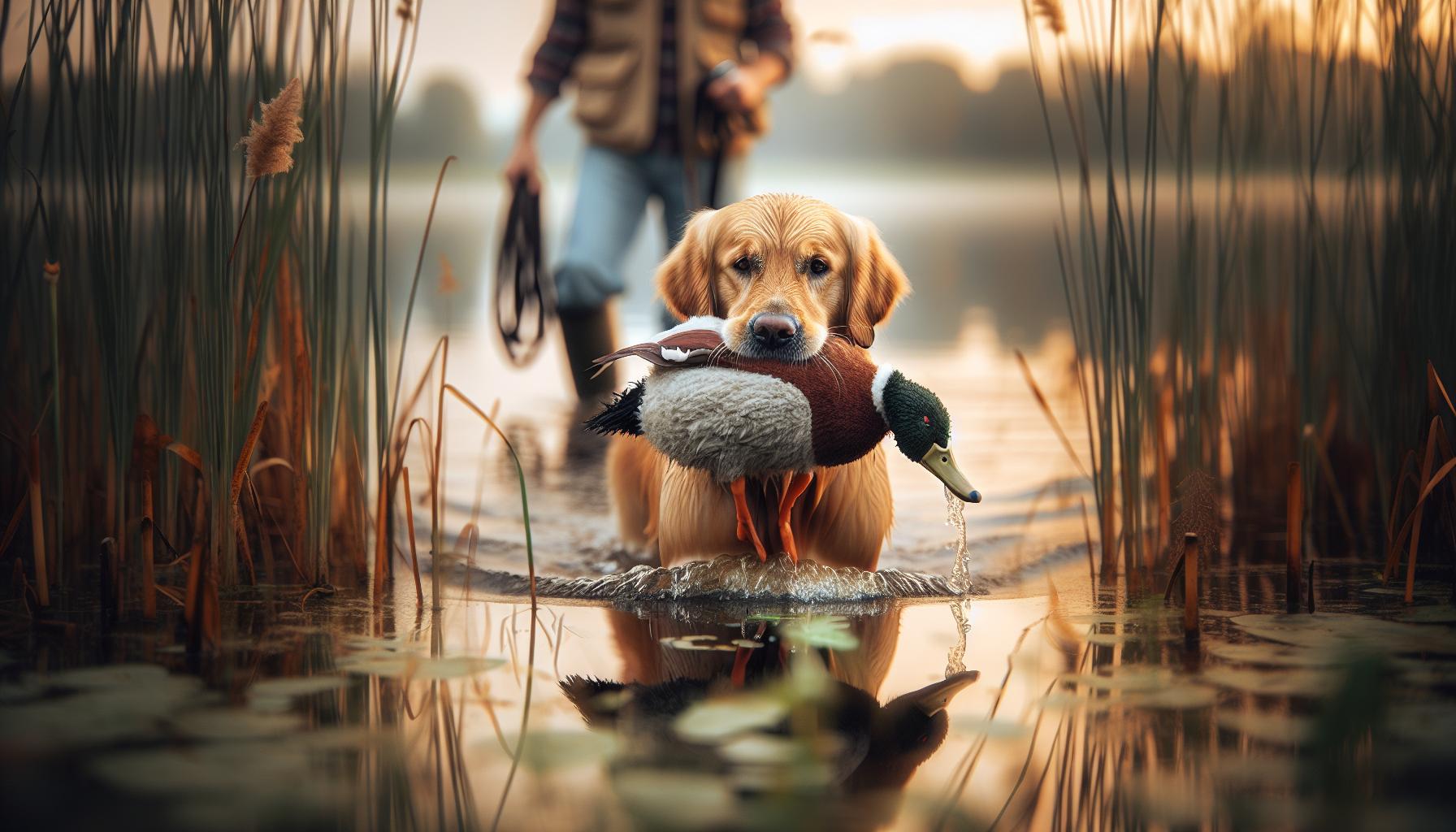
Are Golden Retrievers Natural Waterfowl Retrievers?
Golden Retrievers are exceptionally well-suited as waterfowl retrievers, a trait rooted in their breed characteristics. Bred originally as hunting companions, they possess a natural affinity for water and retrieving, making them ideal for duck hunting scenarios. Their webbed feet allow for efficient swimming, while their thick water-repellent coat ensures they remain insulated even in chilly waters. This physical prowess is paired with an eager-to-please temperament, making Golden Retrievers highly trainable and responsive during hunts.
A key component of their suitability as duck dogs lies in their innate instincts. Whether it’s responding to a shot or navigating through water to retrieve fallen game, they demonstrate a natural ease in hunting environments. Their strong sense of smell aids in locating downed birds, while their gentle mouths ensure that the retrieved game is unharmed. This combination of physical capabilities and temperament results in a dog that thrives in the demanding conditions of waterfowl hunting, bringing both effectiveness and joy to the experience.
Moreover, Golden Retrievers exemplify the ideal traits of a hunting partner: intelligence, stamina, and a friendly disposition. They are known for bonding closely with their handlers, which enhances collaboration in the field. As they follow commands and cues, Golden Retrievers display loyalty and a strong work ethic, ensuring they are not only reliable retrieving partners but also beloved members of hunting families. This inherent connection makes them not just effective hunting companions but also cherished family pets that can easily transition between home life and fieldwork.
Essential Traits for Duck Hunting Dogs
Golden Retrievers are renowned for their exceptional qualities that make them prime candidates for duck hunting. One of their standout traits is their natural affinity for water, which is complemented by their powerful swimming ability. Their webbed feet act like paddles, enhancing their speed and agility in aquatic environments. Not only do they excel at retrieving game from water, but their water-repellent coats keep them comfortable and dry, even when it’s chilly outside. This combination of physical attributes is crucial for any hunting dog facing the challenges of retrieving waterfowl in varied conditions.
In addition to their physical capabilities, Golden Retrievers possess a remarkable temperament that enhances their effectiveness in the field. Known for their intelligence and eagerness to please, they respond well to training, making them one of the most relatable and trainable breeds for waterfowl hunting. Their inherent traits allow them to make quick decisions, whether that means waiting patiently for the shot or navigating obstacles when retrieving a downed bird. Furthermore, their gentle mouths ensure that they handle game delicately, delivering it to their handler intact and unharmed.
A critical aspect of what sets Golden Retrievers apart in the realm of duck hunting is their strong instinctual behaviors. These dogs have a finely tuned sense of smell, which aids them in locating downed birds quickly. They thrive on the partnership they build with their handlers, often forming strong bonds that translate to seamless cooperation in the field. This loyalty fosters an environment where both hunter and dog can work together effectively, enhancing the overall hunting experience. When looking for a duck hunting companion, few breeds offer the combination of physical prowess, intelligence, and temperament that Golden Retrievers possess, making them an unparalleled choice for those passionate about waterfowl hunting.
Training Your Golden Retriever for Waterfowl Hunting
Training a Golden Retriever for waterfowl hunting is an enriching experience that strengthens the bond between handler and dog while honing essential skills. Given their natural instincts and eagerness to please, these dogs thrive in a structured training environment that balances discipline with positive reinforcement. Start by introducing your pup to water at a young age, as Golden Retrievers love swimming, and this early exposure will build their confidence. Incorporate fun activities such as fetch games with water-friendly toys to develop their retrieve instinct while making the process enjoyable.
To effectively train your Golden for waterfowl hunting, focus on commands and their understanding. Begin with basic obedience skills, including sit, stay, and come. Once these commands are mastered, gradually introduce more advanced training techniques such as marking (where the dog learns to spot and remember the location of downed game) and blind retrieves (sending the dog to retrieve an item without them having seen it fall). Use a whistle to signal your commands, as this provides clear audio cues that can cut through the sounds of the hunt.
Another vital aspect of training is socialization. Expose your Golden Retriever to various environments, sounds, and scents they will encounter while hunting. This could include noise from gunfire and the presence of other hunters or dogs. By acclimating them to these elements, you minimize anxiety and distractions during an actual hunt. Additionally, consider integrating mock hunts into your training regimen, allowing your dog to practice retrieving in simulated hunting conditions.
Don’t forget to maintain a consistent training schedule, as repetition solidifies skills. Always end each session on a positive note, perhaps with some time for play or a special treat. This not only reinforces learning but also ensures your Golden associates training with fun and rewards. With patience and dedication, your Golden Retriever will emerge as a faithful, capable partner in your waterfowl hunting adventures.
The Perfect Environment for Duck Hunting with Goldens
Finding the ideal hunting environment for your Golden Retriever is crucial for a successful waterfowl hunting experience. Golden Retrievers possess a natural flair for retrieving and are specially suited to thrive in wetlands, marshes, and shorelines. These habitats not only offer abundant opportunities for exposure to waterfowl but also provide the ideal conditions for your furry partner to showcase their innate abilities.
To create the perfect hunting setting, consider the following factors:
- Water Access: Ponds, lakes, and slow-moving rivers are prime locations. Ensure the water is deep enough for swimming but shallow enough for your dog to easily enter and exit. This accessibility will enable effective retrieves and extended play in the water.
- Cover and Terrain: Look for areas with natural cover such as reeds, grasses, and brush. This not only provides concealment for both hunters and dogs but also simulates the conditions your Golden will face while hunting. Diverse terrains, including mudflats and sandbars, encourage your retriever to navigate through various obstacles, further enhancing their skills.
- Weather Considerations: Choose a location that is favorable for hunting in terms of weather. Overcast days often lead to optimal hunting conditions as waterfowl tend to move more freely. Be mindful of extreme temperatures; ensure your Golden is comfortable and safe during prolonged exposure to cold water.
- Wildlife Activity: Select spots known for active waterfowl populations. Observing the local migratory patterns can significantly improve your hunting success. Learning when and where birds are likely to be provides your Golden with real-time practice and enhances their hunting instincts.
Additionally, bringing along essential gear such as a durable, floating duck call, a well-fitted collar for identification, and a quality leash can enhance both your experience and your Golden’s comfort in the field. The bond formed during these outings not only makes for successful hunts but also strengthens your relationship while creating cherished memories together. Embrace the adventure, and enjoy the dynamic connection between you, your Golden Retriever, and the great outdoors.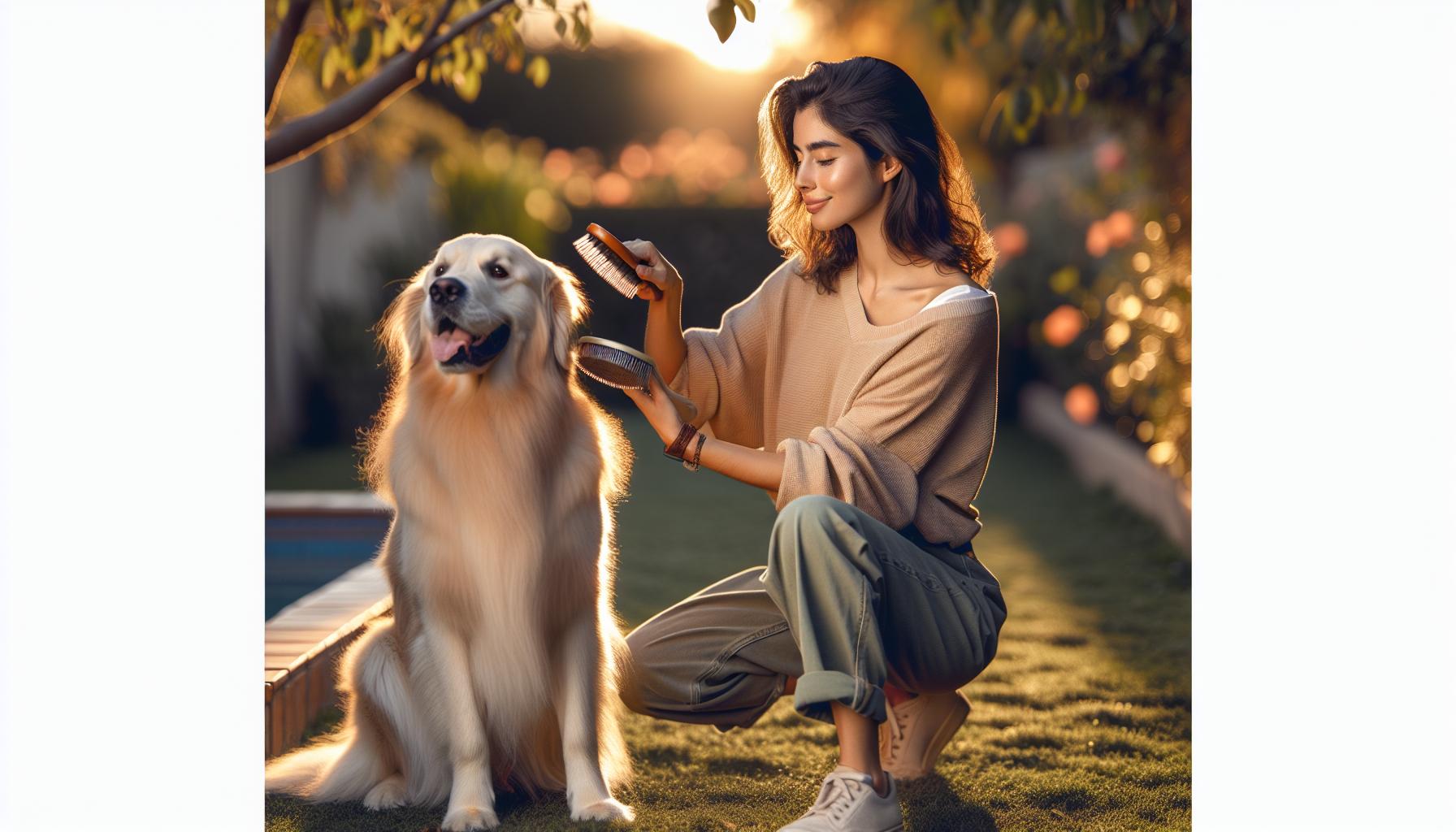
Best Practices for Preparing Your Golden Retriever
Preparing your Golden Retriever for a day of waterfowl hunting is crucial for ensuring both their safety and success in the field. Proper preparation not only enhances your dog’s performance but also strengthens the bond you share during these adventurous outings. A well-prepared Golden Retriever is not just an asset but an integral part of the hunting experience, ready to display their retrieving prowess and enthusiasm.
First and foremost, conditioning your Golden Retriever is essential. Regular exercise builds their stamina and keeps them in peak physical condition. Incorporate activities such as fetch and swimming to improve their retrieval skills and water confidence. Gradually increase the distance and complexity of the retrieves, exposing them to different terrains and conditions reflective of potential hunting environments. This comprehensive preparation will help your dog adapt more effectively during actual hunts.
Additionally, traveling to the hunting site offers important opportunities for acclimatization. Ensure your Golden is comfortable in the vehicle by taking them on short trips leading up to the hunting season. This helps reduce anxiety and promotes relaxation on longer journeys. Consider using a crate or safety harness for their security during travel. Upon arrival, allow your dog to explore the new environment. Familiarizing them with the scents and sounds of the area can heighten their eagerness and focus during the hunt.
Finally, invest time in training specific skills that are vital for identifying and retrieving waterfowl. Basic commands such as “sit,” “stay,” and “come” should be second nature for your retriever. Incorporate whistle training to enhance communication in the field, especially when distractions abound. Practice “marking” exercises, where they learn to visually track the fall of a dummy or decoy to improve their retrieval accuracy. Reinforcement through positive rewards will motivate them and make training enjoyable.
In conclusion, a dedicated preparation routine focused on conditioning, acclimatization, and skill training will not only make your Golden Retriever a proficient waterfowl retriever but also forge unforgettable memories for both of you on your adventures.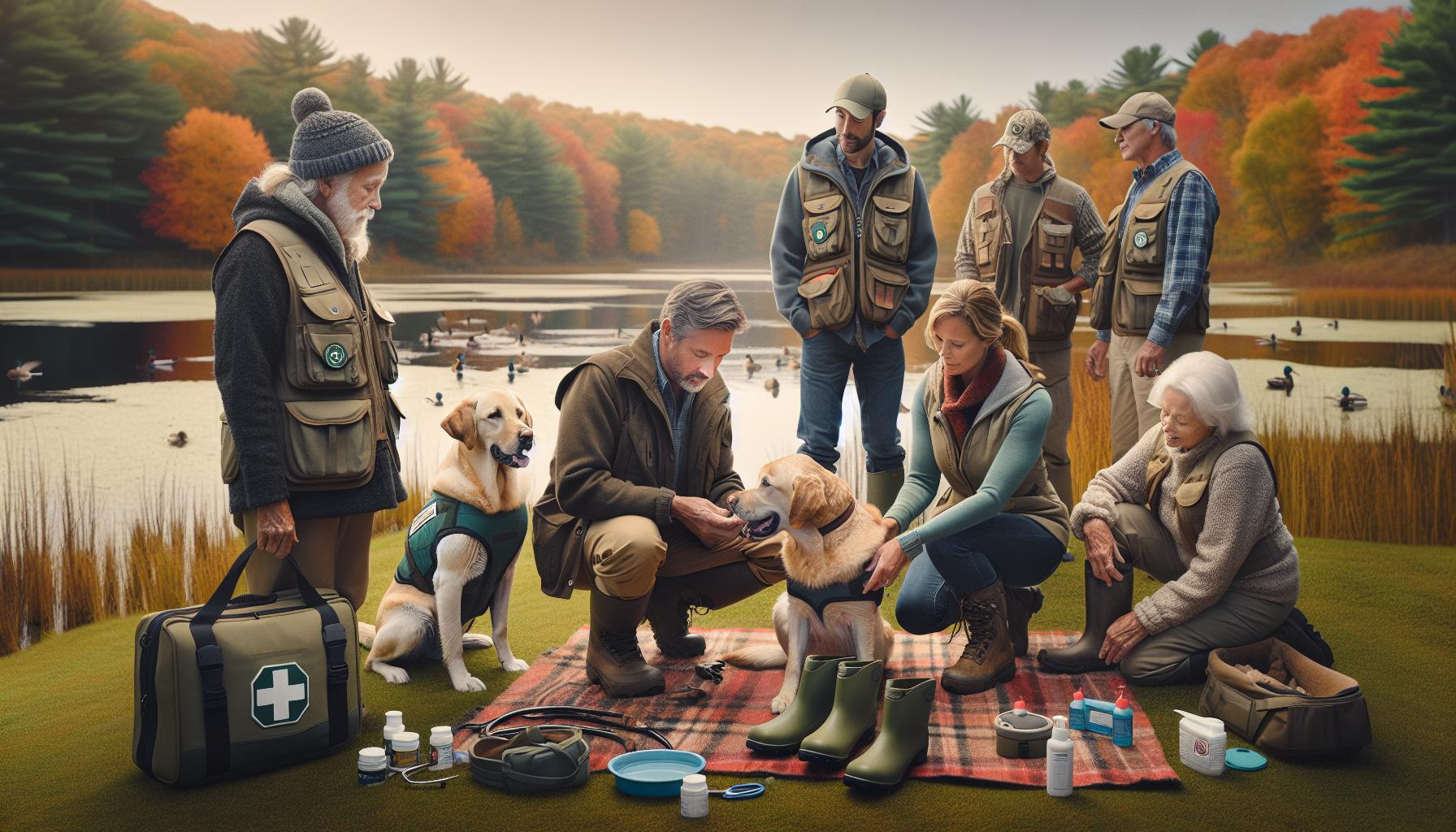
Health Considerations for Waterfowl Hunting Dogs
Golden Retrievers are known for their buoyant energy and remarkable stamina, making them excellent companions for waterfowl hunting. However, the physical demands of the hunt require thoughtful attention to the dog’s health to ensure they perform at their best and remain safe throughout the experience. Understanding and managing the specific health considerations for these water-loving retrievers can help prevent injuries and ensure a successful outing.
One major health concern is keeping your Golden Retriever hydrated and cool, especially during hot hunting days. Insufficient hydration can lead to exhaustion and heatstroke. Always carry enough water and a portable dish for your dog. After long hours in the field, give them breaks in shaded areas whenever possible. Consider investing in a canine cooling vest, which can help regulate their body temperature while active under the sun.
Physical condition is equally vital. Golden Retrievers can be prone to obesity, which can impede their ability to work effectively in the field. To maintain an optimal weight, set a structured feeding routine that aligns with their exercise levels. Feeding them high-quality, age-appropriate dog food and moderating treats can make a significant difference. Regular physical check-ups with a veterinarian can also catch potential health issues early and fine-tune their diet and exercise plan.
In the excitement of duck hunting, ear infections can arise from water exposure. Golden Retrievers often swim in varied water conditions, making them susceptible to ear problems. After a day of hunting, ensure you dry their ears thoroughly and check for any signs of redness or irritation. Use a vet-recommended ear cleaner regularly to help manage ear health and prevent infections.
Lastly, consider the impact of environmental factors such as cold weather on your dog’s health. Prolonged exposure to cold water can lead to hypothermia. Providing a doggy jacket or vest can keep your Golden warm during chilly outings. Be attentive to their movements and demeanor; if they are shivering or reluctant to enter the water, it may be necessary to reassess the conditions or take a break.
By prioritizing hydration, nutrition, ear care, and temperature management, you can ensure that your Golden Retriever remains happy, healthy, and ready for the rewarding challenge of waterfowl hunting.
Golden Retriever Gear: What You’ll Need for Duck Hunting
When gearing up for an exciting day of duck hunting with your Golden Retriever, having the right equipment not only enhances your hunting experience but also ensures your furry companion stays safe, comfortable, and effective in the field. From waterproof vests to specialized training tools, there’s a range of gear that every hunting enthusiast should consider to make the most out of their outing.
Essential Gear for Duck Hunting
- Waterproof Hunting Vest: A high-quality, waterproof vest is crucial for protecting your Golden from the elements while allowing freedom of movement. Look for a vest that fits snugly but comfortably, with reflective strips for visibility.
- Dog Whistle: Communication is key in hunting. A silent dog whistle can convey commands effectively and help control your retriever at a distance without disturbing the ducks.
- Retrieve Training Dummies: Use these for practice sessions to hone your dog’s retrieving skills before the big hunt. They help simulate real-life scenarios and build your dog’s drive for waterfowl.
- Portable Water Bowl: Keeping your dog hydrated is vital during a long day of hunting. A portable, collapsible bowl makes it easy to offer water without taking too much space in your gear.
- First Aid Kit: An essential for every hunting trip! Ensure it includes items like antiseptic wipes, bandages, and any specific items recommended by your veterinarian for your dog’s needs.
- Dog Boots: Protect your Golden’s paws from rough terrain, ice, or hot sand. Dog boots can prevent injuries that may occur while trekking through more challenging hunting environments.
- Retrieving Harness: If you hunt in areas with dense cover, a harness can assist in safely guiding your dog through the brush while providing a comfortable fit.
- Ear Protection: If you’re shooting around your dog, consider ear protection to prevent potential hearing damage from gunfire. Look for specially designed dog ear muffs.
Choosing the Right Equipment
Investing in the right gear can make a significant difference in the performance of your Golden Retriever. When selecting equipment, look for products specifically designed for hunting dogs to ensure durability and functionality. Always consider the size and weight of your dog-equipment should never hinder their natural abilities or comfort.
Monitoring the comfort levels during your hunts is equally important; if your dog seems uneasy, reassessing gear that may be causing discomfort can enhance their experience and ensure a more successful outing. The perfect combination of preparation and love for your Golden Retriever will not only enrich your hunting ventures but also strengthen the bond you share with your prized hunting partner.
Integrating Your Golden Retriever into Hunting Traditions
As you embark on the journey of hunting with your Golden Retriever, integrating your beloved companion into your family’s hunting traditions can enrich both your experiences and your bond. Golden Retrievers are known for their friendly disposition, intelligence, and eagerness to please, making them not just excellent hunting partners but also ideal family members that can adapt to your outdoor lifestyle seamlessly. Teaching your Golden to embrace this adventure is about more than just training; it’s about sharing the joy of the hunt together, creating lasting memories, and instilling within them the appreciation for nature and teamwork.
The initial step in this integration is to ensure your Golden Retriever is comfortable with the hunting environment. Begin by exposing them to various wildlife scenarios, possibly through casual trips to local parks or wetlands where they can see and hear ducks in a controlled setting. This exposure builds confidence and readiness, allowing your dog to understand what to expect during an actual hunt. Incorporate playtime in similar terrains to help them build necessary agility and instincts. The more positive experiences you create, the more they will associate hunting with family fun and excitement.
Additionally, involve your Golden in the pre-hunt rituals. This could include gear preparation, a shared meal, or just quality time outdoors. These activities help your dog feel included and valued in your hunting routines. When it comes time to hunt, maintain a calm demeanor; your dog can sense your emotions and will mirror your energy-if you are excited yet focused, they will respond positively. During the hunt, use the opportunity to reinforce commands they’ve learned in training, rewarding them for positive behavior to encourage them as reliable hunting partners.
Becoming part of your hunting traditions doesn’t just enhance the bond; it also teaches your Golden Retriever essential skills and reinforces their role in your family. Through patience, consistency, and shared experiences in the field, your Golden will thrive as an integral part of your hunting adventures, making each trip not just a hunt but a cherished memory in the tapestry of your family traditions.
Alternatives: Other Breeds Compared to Golden Retrievers
While Golden Retrievers are heralded as one of the best breeds for waterfowl hunting, several other breeds possess the necessary traits for this exciting pursuit. Understanding these alternatives can help enthusiasts find the perfect companion suited to their specific needs, whether they seek a dog for hunting or general companionship.
Labrador Retrievers are often at the forefront of hunting dog discussions. Their innate retrieving instincts, strong swimming abilities, and friendly temperaments make them fantastic partners in the field. Like Goldens, they are adaptable and eager to please, which makes training enjoyable and effective. Additionally, Labs come in various colors, with a similar size and energy level to Golden Retrievers, making them a compatible choice for families engaged in outdoor activities.
Chessies, or Chesapeake Bay Retrievers, are another excellent option for waterfowl hunting. Known for their resilience in cold water and ability to tackle tougher environments, they are often favored for hunting in diverse terrains. Chessies possess a strong work ethic and are typically more independent than Goldens and Labs, which can make training a different experience. Their unique coat provides fantastic insulation, enabling them to work effectively in chilly waters.
For hunters interested in smaller breeds, the Boykin Spaniel and American Water Spaniel offer great alternatives. Both breeds are compact yet energetic, excelling in retrieving tasks and showing remarkable agility in water. The Boykin has become renowned for its compatibility with hunters, while the American Water Spaniel combines athleticism and a friendly demeanor, making them suitable for families and hunting alike.
Ultimately, while Golden Retrievers hold a close spot in the hearts of many waterfowl hunters, these alternatives boast their strengths. Selecting the right breed comes down to personal preference, hunting style, and family dynamics. Each breed brings unique qualities to the field, ensuring that no matter which dog you choose, you’ll have a loyal companion by your side.
Common Challenges in Duck Hunting with Golden Retrievers
When taking your Golden Retriever out for duck hunting, there are a few challenges to be mindful of that can impact the effectiveness and enjoyment of your hunting experience. Golden Retrievers are natural swimmers and have an instinctive drive to retrieve, but they can also face unique hurdles in the field that may not be as prevalent with other breeds.
One common issue is their high energy level. Goldens are known for their exuberance, which can lead to overstimulation in high-pressure hunting environments. If not properly managed, this can result in distractions that might cause them to lose focus or deviate from tasks. To counteract this, pre-hunt training sessions focused on self-control and steady behavior are invaluable. Practicing commands such as “Sit,” “Stay,” and “Leave it” can significantly improve their ability to remain composed when the excitement of retrieval is in full force.
Water conditions can also pose a challenge. While Golden Retrievers typically love water, factors like temperature and current can affect a dog’s performance. Hypothermia is a real concern in cold weather, especially for those with shorter coats or less body fat. Prior to heading out, ensure that your dog is acclimated to the conditions and consider investing in a doggy wetsuit or thermal vest for extended water exposure in chillier climates. Regular breaks to assess their condition during hunts can help prevent fatigue and protect their health.
Moreover, Golden Retrievers are social and prefer the company of their human companions. This sociability can sometimes turn into a dilemma if they become too focused on people rather than the task at hand. Developing a strong bond through obedience training can mitigate this problem. By encouraging a mindset that prioritizes hunting tasks while still heavily rewarding their connection with you, you’ll foster the perfect balance between companionship and work ethics.
Finally, a unique challenge with many Golden Retrievers is their instinct to chew or play with retrieved ducks, which can be problematic during hunts. It’s essential to reinforce the distinction between retrieving and playing with the catch. Introducing the “Hold” command during training sessions can teach them to carry the duck gently without damaging it, ensuring a successful experience for both you and your loyal companion in the field.
Each challenge presents an opportunity for growth and deeper bonding, further showcasing the exceptional capabilities of Golden Retrievers as waterfowl retrievers. With focused preparation and training, you can transform these challenges into an enriching hunting experience that underscores why Goldens are cherished for their hunting prowess.
Success Stories: Golden Retrievers in Waterfowl Hunting
Golden Retrievers have earned their reputation as exceptional waterfowl hunting companions through countless success stories that showcase their natural instincts, strong work ethic, and unwavering loyalty. Many hunters have experienced astounding moments in the field thanks to their Goldens, proving that not only are these dogs skilled retrievers, but they also forge strong bonds with their human partners which enhance the entire hunting experience.
One charming example is a hunter named Jake, who recounts his adventures with his Golden, Max. From the moment Max was introduced to the water, it was clear he had a natural affinity for retrieving. During one memorable outing, a flock of ducks was spotted landing in the marshes, and Max eagerly waited for the command. When given the go-ahead, he dashed through the water with remarkable speed and agility, fetching a duck with an enthusiasm that brought a smile to Jake’s face. This not only highlighted Max’s skills as a retriever but also underscored the deep bond they shared, further motivating Jake to refine Max’s training even more.
In another instance, a seasoned waterfowl hunter named Sarah shared how her Golden, Bella, transformed her hunting trips. What started as simple training sessions gradually evolved into exceptionally productive hunts. One day, as they quietly sat in their blind, Bella’s acute hearing picked up the distant sound of wings flapping. With her keen instincts activated, Bella remained alert until Sarah called her into action. Bella not only retrieved the duck but did so with an impressive grace that showcased her well-honed skills. Sarah credits Bella’s success to consistent training and a loving relationship, proving that a happy and engaged dog can lead to remarkable outcomes in the field.
These success stories highlight critical factors that contribute to the effectiveness of Golden Retrievers in waterfowl hunting: their intuitive instincts, unwavering energy, and strong desire to please their handlers. In cultivating a successful partnership, hunters are reminded of the importance of proper training, socialization, and, most importantly, the bond that connects them with their canine companions. These shared experiences create lasting memories, making every hunt a testament to the incredible abilities of Golden Retrievers as waterfowl retrievers.
Tips for Hunting Safety with Your Golden Retriever
When out in the field, ensuring the safety of your Golden Retriever while hunting is paramount. These dogs are not only enthusiastic retrievers but also need to navigate challenging environments, making safety precautions essential for a successful outing. Start by equipping your Golden with a high-visibility vest. This simple addition can help keep your dog visible against the backdrop of marshy waters and foliage, ensuring they’re easily spotted by both you and fellow hunters.
Moreover, familiarize your Golden Retriever with the hunting environment before the actual hunt. Take practice runs to desensitize them to gunfire and the sights and sounds of the wilderness. Positive reinforcement during these sessions can help build their confidence. Additionally, teaching commands such as “stay” and “come” is vital for keeping your pup close and under control, especially in moments of excitement when ducks are airborne. These commands will be crucial not only for your dog’s safety but also for effective hunting.
Protecting your Golden involves monitoring their physical well-being throughout the day. Be mindful of the terrain; avoid areas with hidden hazards like sharp objects or deep mud that could injure their paws. Regularly check their paws and coat for burrs or stick ties, as these can detract from their comfort and performance. Hydration is another critical aspect; always carry fresh water for your Retriever to keep them hydrated, especially when the weather is warm.
Lastly, plan your hunts with your dog’s health in mind. Consider their stamina and take breaks as needed. Keep an eye out for signs of fatigue or stress, such as excessive panting or lethargy. The bond between you and your Golden Retriever is strengthened when they know you’re looking out for their well-being, making every successful hunt as much about their enjoyment as it is about your sport. By incorporating these safety tips into your routine, you can ensure that both you and your Golden Retriever have a positive and successful hunting experience.
FAQ
Q: Are Golden Retrievers good for duck hunting?
A: Yes, Golden Retrievers are excellent duck hunting dogs. Their natural retrieving instinct, strong swimming ability, and friendly demeanor make them ideal companions in the field. With proper training and socialization, they excel at fetching waterfowl and navigating wetland environments.
Q: How should I train my Golden Retriever for duck hunting?
A: To train your Golden Retriever for duck hunting, start with basic obedience commands, then introduce water retrieves with dummies. Gradually simulate hunting scenarios, use positive reinforcement, and practice in various environments. Consistent training enhances their skills and confidence in retrieving ducks.
Q: What traits make Golden Retrievers suitable for waterfowl hunting?
A: Golden Retrievers possess essential traits for waterfowl hunting, including intelligence, eagerness to please, strong swimming abilities, and a gentle mouth for retrieving game without damaging it. Their friendly nature also helps them work well with hunters and other dogs.
Q: What is the best way to prepare my Golden Retriever for duck hunting?
A: Prepare your Golden Retriever by ensuring they’re physically fit and familiar with hunting gear. Introduce them to water early, practice retrieves on land and water, and gradually expose them to hunting sounds and scenarios. Proper preparation will boost their confidence and performance.
Q: How do I keep my Golden Retriever safe during duck hunting?
A: Keep your Golden Retriever safe by ensuring they wear a proper life vest when retrieving from deep water, keeping them hydrated, and monitoring their fatigue. Regular checks for injuries, particularly to paws, are vital, especially in rough terrain. Safety gear is also essential for protection against cold.
Q: When is the best age to start duck hunting training with my Golden Retriever?
A: Begin training your Golden Retriever for duck hunting as early as 6 to 8 months old, focusing on basic obedience and socialization. Formal training can start around 1 year, as they develop the physical and mental maturity needed for more complex retrieval tasks.
Q: Do Golden Retrievers have health considerations for duck hunting?
A: Yes, Golden Retrievers may face health issues like hip dysplasia, eye disorders, and skin problems. Regular veterinary check-ups, a healthy diet, and appropriate exercise can help prevent these issues. Monitor your dog for signs of fatigue or discomfort during hunting activities.
Q: How do Golden Retrievers compare to other breeds for duck hunting?
A: Golden Retrievers are often compared favorably to breeds like Labrador Retrievers and Spaniels for waterfowl hunting. While all have retrieving instincts, Goldens excel in temperament and trainability, making them versatile hunting partners suitable for both beginners and experienced hunters.
The Conclusion
If you’re considering adding a Golden Retriever to your hunting team, you’ve seen how these intelligent and eager companions excel in waterfowl hunting. Their natural retrieving instincts, coupled with their affectionate nature, make them not just competent duck dogs but also beloved family members. Don’t wait-start your journey today by exploring our comprehensive guide on Golden Retriever training techniques and nutritional needs to ensure your pup is hunting-ready.
For more insights, check out our articles on the unique characteristics of English Cream Goldens and essential grooming tips. If you have questions or want to share your experiences, we’d love to hear from you in the comments below! Remember, engaging with a community of fellow Golden Retriever enthusiasts can enhance your understanding and appreciation of this delightful breed. Let’s keep the conversation going and celebrate the incredible bond you share with your Golden Retriever!