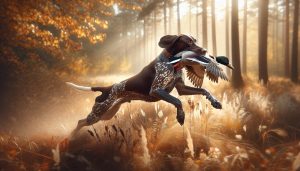
Golden Retrievers are renowned for their friendly nature and intelligence, making them beloved family pets. But can they also excel in the field as hunting companions, particularly for duck hunting? This question resonates with many outdoor enthusiasts and dog owners alike. Understanding their instinctive skills, training potential, and performance in the field not only highlights the versatility of this iconic breed but also helps current and prospective owners make informed decisions about their companions. Join us as we explore the qualities that make Golden Retrievers exceptional duck hunting dogs, examining their abilities, training considerations, and the enriching bond formed between hunters and their furry allies in the great outdoors.
Are Golden Retrievers Naturally Skilled at Duck Hunting?
Golden Retrievers are not just beloved family pets; they are also exceptional companions in the field, particularly when it comes to duck hunting. This breed, renowned for its intelligence and keen sense of smell, has a natural aptitude for retrieving game from both land and water. With a history grounded in hunting and water retrieval, Golden Retrievers possess innate instincts that make them skilled helpers for hunters. These dogs are drawn to water and demonstrate a natural enthusiasm for swimming, which is often reinforced by their training.
Their physical attributes are equally advantageous. Golden Retrievers boast a waterproof double coat that keeps them warm in cold water and a strong, athletic build that enables them to navigate various terrains efficiently. This resilience allows them to retrieve ducks over long distances and in challenging conditions without fatigue. Furthermore, their friendly and eager-to-please nature makes them highly trainable, which is crucial for mastering the specific skills needed for duck hunting.
Ultimately, while not every Golden Retriever will excel automatically as a hunting dog, their biological traits and positive characteristics provide a solid foundation for training. Experienced trainers often find that promoting the breed’s natural instincts through systematic training processes leads to outstanding performance in the field. Those who invest time in nurturing a Golden Retriever’s innate skills often find that they are rewarded with a loyal and enthusiastic hunting partner.
Understanding the Golden Retriever’s Instincts and Abilities
Golden Retrievers are equipped with a unique combination of instincts and abilities that set them apart as some of the best companions for duck hunting. Their history as versatile hunting dogs is rooted in their natural love for water and retrieving, which can be traced back to their early days when they were bred in the Scottish Highlands for hunting waterfowl. These dogs exhibit an innate desire to chase and fetch, making them highly motivated to participate in hunting activities. This drive can be further enhanced through proper training, where they learn to hone their skills in tracking and retrieving in various conditions.
Their physical features also play a crucial role in their success as hunting partners. Golden Retrievers possess a strong, athletic build complemented by a double coat that is both waterproof and insulating. This allows them to work efficiently in cold water and navigate through marshy terrains that are typical in duck hunting. Moreover, their keen sense of smell and sharp eyesight enable them to excel at locating ducks, even in difficult environments. The combination of physical abilities and instinctual behaviors makes them formidable hunting dogs capable of retrieving game over long distances.
Training is essential in unlocking the full potential of a Golden Retriever’s abilities. Because they are intelligent and eager to please, they respond very well to positive reinforcement techniques. Establishing a strong bond through early socialization and consistent training not only helps them learn commands but also fosters a deep, trusting relationship that can significantly enhance performance in the field. This connection between the owner and the dog is vital, as it encourages teamwork essential for successful hunts.
Ultimately, understanding these instincts and abilities can help Golden Retriever owners tailor their training methods to maximize their dogs’ hunting potential while fostering a relationship built on trust and cooperation. Whether you’re a seasoned hunter or a beginner, recognizing and nurturing these traits will enable you to enjoy a rewarding experience with your Golden Retriever as both a hunting partner and a beloved family member.
Field Performance: What to Look For in a Hunting Dog
When selecting a hunting dog, particularly for duck hunting, understanding what to look for in a Golden Retriever’s field performance can significantly enhance your hunting experience. Golden Retrievers have long been celebrated for their agility, enthusiasm, and retrieving prowess, traits that are vital in the field. Look for specific characteristics that will not only contribute to their effectiveness as hunting companions but also ensure an enjoyable and productive outing.
One of the foremost qualities to seek is retrieving instinct; this breed is naturally programmed to fetch and bring back objects, a behavior that can be observed even in playful interactions. A keen drive to retrieve will ensure that your dog is motivated to pursue ducks and return them efficiently. Assessing their energy levels and stamina is crucial-Golden Retrievers should exhibit ample energy, allowing them to maneuver across diverse terrains and fetch multiple birds without flagging. Their strong athletic build, coupled with a high tolerance for cold water, makes them particularly well-suited for duck hunting conditions.
Another essential aspect is their trainability. The intelligence of Golden Retrievers shines through in their responsiveness to commands, which can greatly influence their performance in the field. A hunting dog should not only follow basic commands but also be versatile in responding to specific hunting cues. Look for your dog’s ability to maintain focus amidst distractions, as successful hunts often unfold in environments bustling with wildlife and activity.
Lastly, socialization plays a critical role in a dog’s hunting effectiveness. A Golden Retriever that is well-socialized will be more adaptable and comfortable in various hunting scenarios, interacting positively with other hunters, dogs, and game. Continued exposure to different environments, sounds, and situations from an early age will lead to a confident, well-rounded hunting partner. By prioritizing these characteristics-retrieving instinct, energy levels, trainability, and social adaptability-you can select a Golden Retriever that not only excels in duck hunting but also enjoys the experience, enhancing the bond between you and your loyal companion.
Training Techniques for Golden Retrievers in Duck Hunting
Golden Retrievers are not just friendly companions; they are born hunters with an innate drive to fetch, making them exceptional duck hunting dogs. Training these intelligent canines for the hunting field can be a rewarding experience that strengthens the bond between owner and dog. A structured training plan not only enhances their natural abilities but also ensures safety and success on hunts.
One of the first steps in training is to foster a strong relationship through positive reinforcement. Use treats and praise to encourage desirable behaviors, such as retrieving basic objects like dummies or balls. Start in a controlled environment where distractions are minimal, gradually introducing more challenging scenarios. As your Golden gains confidence with basic fetch commands, progress to simulating hunting conditions-either by using a trained dummy that mimics a duck or with live birds in a safe, controlled environment.
Key Training Techniques
- Basic Commands: Start with essential commands like “sit,” “stay,” and “come.” These are foundational for all further training and help establish communication.
- Recall Training: Teaching your dog to return to you off-leash is vital in hunting. Practice recall in various environments, gradually increasing the distance and applying distractions, eventually introducing the sound of gunfire.
- Water Training: Since many duck hunts take place near water, introduce your Golden Retriever to swimming early on. Encourage them to retrieve from water using a variety of dummies to simulate ducks.
- Controlled Association: Use a gun or whistle during training to create a positive association with the sound. Start far away from the gunfire to avoid overwhelming them, and reward them when they remain calm.
- Field Work: Gradually expose your hunt-ready Golden to various terrains and conditions that resemble actual hunting environments. Incorporate scent trails to allow them to hone their instincts effectively.
Consistency is key to successful training; ensure that training sessions are regular but not overly long to maintain their interest. Remember, the goal is to create a reliable partner who enjoys the hunt as much as you do. Incorporating socialization with other dogs, hunters, and various wildlife will further prepare your Golden for success in the field. With time, patience, and love, your Golden Retriever will excel as a skilled duck hunting companion, ready to help you create unforgettable memories in the great outdoors.
Comparative Analysis: Golden Retrievers vs. Other Hunting Breeds
Golden Retrievers are often front runners in the field of hunting dogs, particularly known for their proficiency in duck hunting. Their reputation as exceptional waterfowl retrievers stems from a unique combination of intelligence, eager-to-please temperament, and natural swimming ability. When compared to other hunting breeds, Golden Retrievers often stand out due to their versatility, loyalty, and stamina, making them ideal companions for both novice and seasoned hunters.
While breeds like the Labrador Retriever and the Chesapeake Bay Retriever are also top contenders for duck hunting, Golden Retrievers offer a distinctive blend of attributes that can be particularly advantageous in varied hunting scenarios. For example, Labradors are robust and can be more powerful in terms of endurance and drive. However, Golden Retrievers excel in their gentle mouth grip, which is crucial when retrieving game without causing damage. This “soft-mouthed” trait allows them to deliver ducks back to their handlers safely and efficiently. Moreover, Golden Retrievers tend to have a friendly demeanor that works wonderfully in scenarios involving other hunters and dogs, facilitating a harmonious hunting environment.
Training and socialization play vital roles in the performance of any hunting dog. Golden Retrievers easily engage with their human counterparts and often respond well to training techniques involving positive reinforcement. This is crucial when compared to breeds like spaniels or pointers, which may require different approaches to training due to their varied instincts and behaviors. Golden Retrievers are not only trainable but also exhibit an innate ability to adapt to different hunting conditions, whether in water, marsh, or field. Their enthusiasm for fetching, combined with their keen sense of smell, ensures they can locate and retrieve game in diverse hunting environments.
In conclusion, while each hunting breed brings unique strengths to the table, Golden Retrievers shine due to their combination of physical traits, trainability, and sociable nature. Their ability to form strong bonds with hunters enhances teamwork in the field, fostering a rewarding hunting experience. If you’re considering a hunting companion, a Golden Retriever will not only enhance your duck hunting outings but also become a cherished member of your family.
Health Considerations for Hunting Golden Retrievers
Golden Retrievers are not just known for their affectionate nature and intelligence; they also thrive in demanding roles like duck hunting. However, they require careful attention to ensure they remain healthy and fit for this level of activity. When choosing a hunting companion, understanding the health considerations specific to Golden Retrievers is crucial for fostering longevity and peak performance in the field.
A key aspect of maintaining the health of a hunting Golden Retriever is nutrition. These dogs benefit from a high-quality, protein-rich diet that supports their active lifestyle. Look for dog foods that list real meat as the first ingredient and avoid fillers like corn or soy. Additionally, incorporating omega-3 fatty acids, found in fish oil, can enhance their coat health and support joint function-a vital component for a dog constantly jumping in and out of water.
Regular veterinary check-ups are essential for detecting potential health issues early on, especially conditions common to the breed, such as hip dysplasia, elbow dysplasia, and certain cancers. Consider discussing joint supplements with your vet, particularly if your dog is active in hunting and retrieves heavily. These supplements can help maintain optimal joint health and reduce the risk of arthritis as they age.
Moreover, fitness cannot be overlooked. Establish a structured exercise regimen that not only includes daily walks or jogs but also specific leash-free training sessions to simulate hunting conditions. This includes swimming exercises, which enhance muscle tone and endurance while accommodating the Golden Retriever’s natural affinity for water. Keeping your hunting partner physically fit not only prepares them for the demands of hunting but also fosters mental stimulation, reducing the likelihood of behavioral issues stemming from boredom.
Lastly, remember the effects of seasonal changes on your Retriever’s health. In colder months, ensure your dog is properly acclimatized to cold water and environments, as Golden Retrievers can be susceptible to conditions like hypothermia. Providing a designated area for warmth and drying off after training or hunting can protect them. In warmer months, prioritize hydration and avoid strenuous activity during peak heat to prevent heatstroke.
Incorporating these health considerations into your routine ensures that your Golden Retriever remains not only a capable hunting companion but also a cherished family member for years to come.
Equipment Essentials for Duck Hunting With Golden Retrievers
When gearing up for a day of duck hunting with your Golden Retriever, having the right equipment can make all the difference in ensuring both performance and comfort. Golden Retrievers are known for their keen instincts and impressive retrieving abilities, and equipping them with the essentials enhances their effectiveness in the field and keeps them safe.
A high-quality, weather-resistant vest is crucial, as it protects your dog from harsh elements and keeps them warm in chilly waters. Look for a vest designed specifically for hunting that features bright colors for visibility and is made of durable materials. Additionally, a life jacket is a great investment, especially for hunting in deep or swift rivers. This not only helps your Golden stay buoyant during retrieves but also adds an extra layer of safety.
Training sessions often lead to muddy and wet conditions, so a good pair of waterproof boots is essential for your Golden Retriever. These boots protect their paws from sharp objects, freezing water, and abrasive surfaces that can lead to cuts or soreness. When selecting boots, ensure they fit snugly without being too tight, allowing for comfort and mobility while walking through varied terrains.
Consider carrying a hunting whistle and field training dummies. The whistle aids in communication over long distances, ensuring your partner knows where to focus their efforts. Training dummies, particularly those that float, help sharpen retrieving skills and prepare your Golden for various scenarios they may encounter in the field.
In addition to hunting gear, pack a first aid kit that caters specifically to canine needs, including supplies for minor injuries and a vet contact number in case of emergencies. Keeping your equipment organized with a hunting pack that has designated compartments for treats, toys, and hydration will help streamline your outings.
Overall, investing in high-quality, functional equipment will not only support your Golden Retriever’s natural abilities but also ensure a safe and successful hunting experience. Embrace the joy of hunting together, as a well-prepared outing can strengthen the bond between you and your beloved retriever.
The Role of Socialization in Hunting Success
The success of a Golden Retriever as a duck hunting companion is not solely dependent on their natural instincts and training; it also heavily hinges on their socialization skills. A well-socialized Golden Retriever is more adaptable, confident, and responsive in diverse hunting environments. From the moment a Golden is introduced to new experiences, people, and other animals, the benefits of such early exposure become apparent in their ability to work seamlessly during a hunt.
Socialization helps your Golden Retriever become comfortable with the myriad of sights, sounds, and smells they’ll encounter in the field. This exposure reduces anxiety and makes them less likely to be startled by sudden movements or loud noises, such as the sound of gunfire or the splashing of water. For instance, introducing your dog to various terrains-like marshes, fields, and wetlands-will condition their senses to handle diverse environments, allowing for smoother retrieves and better focus during the hunt.
To ensure your Golden Retriever is well-socialized, engage them in structured interactions during their formative months. This can include taking them to obedience classes, arranging playdates with other dogs, or exposing them to different environments and people. Activities such as attending local events or visiting pet-friendly parks not only foster social skills but also encourage a strong bond between you and your dog, which is crucial for teamwork in the hunting field.
Moreover, consistent reinforcement of positive behaviors during these socialization experiences will help build confidence, further enhancing their performance when it matters most. Remember, a confident Golden who is accustomed to various stimuli will not only perform better in retrieving tasks but will also be an enjoyable companion throughout your hunting adventures. Balancing training with ample social interactions will prepare your Golden Retriever for the rigors of duck hunting, ultimately making for successful and fulfilling outings.
Tips for Hunting with Your Golden Retriever
Engaging in duck hunting with your Golden Retriever can be a deeply rewarding experience that strengthens the bond between you and your furry companion. To ensure a successful outing, it’s essential to equip yourself with practical knowledge and tips that cater specifically to the unique needs of this breed. Golden Retrievers are known for their intelligence, eagerness to please, and remarkable retrieving abilities, making them an excellent choice for waterfowl hunting. However, mastering the experience requires preparation, patience, and a commitment to teamwork.
Before heading out, ensure your Golden is physically ready for the demands of hunting. Regular exercise, including long walks and retrieval games, will keep your dog in peak physical condition. A well-conditioned Golden can handle the strenuous environment of a hunt and will excel in retrieving ducks from various terrains. Incorporating swim sessions into their routine can also help build stamina and comfort in the water, a key factor in duck hunting success.
The equipment you select can greatly enhance your hunting experience. A well-fitted collar and leash are vital, but also consider investing in a good-quality, waterproof dog vest that provides insulation and visibility in water environments. This will keep your Golden safe during cold conditions and make them easily identifiable among the reeds and grass. Also, having a reliable first-aid kit prepared for your dog can make all the difference if an injury occurs while out in the field.
In the field, communication is crucial. Use clear, distinct commands that your Golden Retriever has been trained to recognize. Consistency in commands during training translates to better performance during hunting trips. Pair verbal commands with visual signals, such as hand gestures, to guide your dog effectively. Reward your Golden’s accomplishments with praise or treats to reinforce good behavior and maintain their enthusiasm throughout the day.
Finally, patience and positive reinforcement are key. Take time to acclimate your Golden to the sights and sounds of hunting, including gunfire and the splashes of water. Being calm and encouraging will help your Retriever adapt to unpredictable environments and remain focused on the task at hand. Together, with the right approach and preparation, you’ll create memorable hunting experiences that celebrate the skills and instincts of your beloved Golden Retriever.
Maintaining Peak Fitness for Hunting Performance
To achieve optimal performance in the field, Golden Retrievers need a well-rounded fitness regimen tailored to their unique abilities and the demands of duck hunting. These energetic and eager-to-please dogs thrive on physical activity, which not only enhances their hunting skills but also strengthens the bond between dog and handler. Regularly engaging your Golden in a mix of exercise types will promote overall fitness, stamina, and mental sharpness necessary for the rigors of waterfowl retrieval.
One effective way to maintain peak fitness is through structured exercise routines. Incorporate a variety of activities such as:
- Retrieval Games: Use dummies or water-resistant balls to mimic hunting scenarios. This keeps their retrieving instincts sharp and reinforces their training.
- Swimming Sessions: Since ducks are often in water, regular swimming not only builds muscle but also enhances comfort and confidence in aquatic environments. Aim for several short swims each week.
- Endurance Walks and Hikes: Long walks or hikes allow your Golden to explore different terrains and smell various scents, enriching their experience while building cardiovascular fitness.
- Agility Training: Incorporating agility courses can improve coordination and balance, skills that are crucial when navigating challenging hunting conditions.
Nutrition plays an equally critical role in maintaining your Golden’s fitness. Ensure they receive a high-quality, balanced diet formulated for active breeds. Look for foods rich in protein and healthy fats, and consider consulting with a veterinarian to determine specific dietary needs based on your dog’s activity level and health. Regular feeding schedules help maintain consistent energy levels throughout the day.
Lastly, don’t overlook the importance of rest and recovery. Adequate downtime between exercise sessions is necessary to allow your Golden to recover and prevent injuries. Pay attention to their body language; if they seem fatigued or reluctant to engage in activities, it might be a sign they need a break.
By combining structured exercise, proper nutrition, and ample rest, your Golden Retriever will not only stay in peak condition for duck hunting but will also have the stamina and enthusiasm to enjoy every outing by your side.
Golden Retriever Variations: Which is Best for Hunting?
The diversity within the Golden Retriever breed can significantly affect their suitability for duck hunting. While all Golden Retrievers share a common ancestry and love for retrieving, specific variations may offer distinct advantages in the field.
The two primary types of Golden Retrievers are the American and English variants. American Goldens are typically taller, leaner, and more athletic, making them agile hunters. They often have a high energy level and need ample exercise, which aligns perfectly with the demands of duck hunting. Their vibrant coats are usually darker, and they may have a more intense drive to retrieve, crucial for success in the field.
On the other hand, English Cream Golden Retrievers, known for their lighter coloration and stockier build, may also excel in hunting. Although they tend to possess a calmer temperament, which may lead some to overlook their hunting capabilities, these dogs are naturally intelligent and trainable. Their patient nature can be advantageous in hunting settings, especially in situations requiring steadiness while waiting for the perfect shot. Additionally, their sweet demeanor fosters a strong bond with handlers, essential during training and collaborative hunting experiences.
When selecting a Golden for duck hunting, consider the dog’s energy levels, drive, and temperament. Field-bred Golden Retrievers (often a mix of the American and traditional show lines) may possess heightened instincts crucial for waterfowl retrieval. These dogs typically showcase strong work ethics and excel in various hunting environments.
Ultimately, the best variation for hunting depends on personal preference and the specific hunting conditions one anticipates facing. Regardless of whether you opt for an American or English Cream Golden, fostering a profound relationship through consistent training, socialization, and exercise will set the foundation for a successful hunting partnership. Embrace the unique qualities of each variation while ensuring they receive proper care to keep them in peak condition for all your duck hunting adventures together.
Success Stories: Golden Retrievers in the Field
Golden Retrievers have long been celebrated not only for their friendly demeanor but also for their remarkable capabilities as hunting companions, especially in duck hunting scenarios. Many hunters have shared success stories showcasing these dogs’ unrivaled retrieving skills and instinctual prowess. For instance, a seasoned hunter named Mike recounts a memorable day in the marshes where his American Golden named Jack showcased exceptional agility and determination. After a challenging morning of spotting ducks, Jack leaped into action. With a swift dive into the frigid waters, he deftly retrieved multiple ducks, navigating through reeds and swampy terrain with ease. This experience highlighted not just his physical strength but also a deep-seated bond built on trust and training.
The stories don’t end there. Sarah, another passionate hunter, often takes her English Cream Golden, Bella, on early morning hunts. While Bella may not have the same energetic bursts as her American counterpart, her calm and calculated approach has proven invaluable. One particularly cold morning, as ducks began to land, Bella remained perfectly still, embodying the patience that is essential in hunting. Her steadiness allowed Sarah to wait for the opportune moment to fire, knowing that Bella’s retrieving instincts would kick in immediately afterward. These narratives emphasize that success in duck hunting with Golden Retrievers isn’t merely a product of physical attributes; it also stems from the unique personalities and traits of each dog, as well as the strong relationships forged through training and shared experiences.
Hunters also highlight how socialization and training play critical roles in the capabilities of a Golden Retriever in the field. Whether it’s the high-energy American variant or the more subdued English Cream, both types can achieve remarkable feats with the right preparation. Many owners share anecdotes about their dogs coming alive in the field, their natural instincts guiding them to pinpoint the location of fallen birds quickly. A dedicated training regime that includes exposure to various hunting scenarios can significantly enhance a dog’s performance, leading to even more impressive success stories.
Ultimately, the magic of Golden Retrievers in duck hunting is not just in their retrieval skills but in the heartwarming camaraderie they bring to the hunting experience. Each story adds to the lore of this breed, illustrating how they not only fulfill the hunting role but become beloved family members in the process. From the exhilarating retrieves to the shared quiet moments in the blind, these dogs encapsulate the spirit of hunting, making every outing an adventure to treasure.
Frequently asked questions
Q: Are Golden Retrievers good at retrieving ducks?
A: Yes, Golden Retrievers excel at retrieving ducks due to their strong instincts and love for water. Their soft mouths allow them to carry ducks without damaging them, making them ideal for hunting. Their impeccable sense of smell and eagerness to please also enhance their effectiveness.
Q: What makes Golden Retrievers suitable for duck hunting?
A: Golden Retrievers are suitable for duck hunting because of their natural swimming ability, excellent retrieving skills, and friendly temperament. Their intelligence and trainability further equip them to follow commands and perform well in the field.
Q: How do I train my Golden Retriever for duck hunting?
A: To train your Golden Retriever for duck hunting, start with basic obedience and gradually introduce retrieving exercises with duck decoys. Use positive reinforcement techniques, and practice in both land and water settings to simulate hunting conditions effectively.
Q: What age should I start duck hunting training with my Golden Retriever?
A: Start training your Golden Retriever for duck hunting around 6 months old. Early training focuses on basic obedience and socialization, which are crucial before introducing specialized hunting tasks and complex retrieving exercises.
Q: Do Golden Retrievers need special equipment for duck hunting?
A: Yes, Golden Retrievers benefit from special equipment such as a well-fitted hunting vest for visibility, a collar with an ID tag, and retrieving dummies for practice. Additionally, a sturdy leash and a quality harness are essential for safety and control during hunts.
Q: How can I improve my Golden Retriever’s endurance for hunting?
A: To improve your Golden Retriever’s endurance for hunting, gradually increase exercise intensity and duration. Include regular swimming sessions, running, and fetch games to build stamina. Ensuring they are at a healthy weight and providing balanced nutrition also supports their performance.
Q: What are common health issues for Golden Retrievers used in hunting?
A: Common health issues for hunting Golden Retrievers include hip dysplasia, elbow dysplasia, and tendon injuries due to high physical activity. Regular veterinary check-ups, proper weight management, and gradual conditioning can help maintain their health and prevent injuries.
Q: Can Golden Retrievers hunt in different weather conditions?
A: Yes, Golden Retrievers can hunt in various weather conditions, as their double coat provides insulation against cold. However, ensure they are acclimated to extreme temperatures and monitor them for signs of overheating or hypothermia, adjusting activity levels as needed.
The Way Forward
In summary, Golden Retrievers excel not only as loving family pets but also as highly capable duck hunting companions. Their intelligence, strong retrieving instinct, and adaptability in the field make them a top choice for hunting enthusiasts. If you’re ready to explore the world of effective training and care for your Golden, don’t hesitate to check out our detailed guides on Golden Retriever training techniques and nutrition essentials.
Remember, investing in proper training and care will elevate your dog’s field performance and ensure a rewarding experience for both of you. Don’t miss out on uncovering the secrets behind Golden Retriever care-explore our articles on breed variations, grooming tips, and daily care to enhance your bond. Join our community by signing up for our newsletter for exclusive tips and insights into raising a happy, healthy Golden Retriever. Your journey towards becoming an exceptional hunting duo starts now!