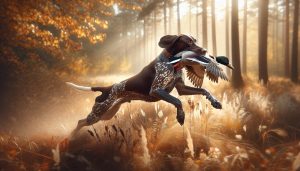
When it comes to game bird hunting, many dog owners seek reliable and skilled companions. Golden Retrievers, known for their friendly disposition and keen intelligence, not only excel as family pets but also shine as pheasant hunting dogs. Their natural retrieving instincts, strong work ethic, and adaptability make them a popular choice for both novice and seasoned hunters. Understanding their capabilities in the field can help you decide if a Golden is the right fit for your hunting adventures. Join us as we delve into the unique traits that make Golden Retrievers exceptional pheasant dogs and explore how their hunting skills can enhance your outdoor experience. Get ready to discover just how well these beloved dogs can perform when it comes to game bird hunting.
Are Golden Retrievers Natural Hunters?
Golden Retrievers are renowned for their friendly demeanor and loyalty, but they are also recognized as natural hunters, particularly adept at game bird hunting such as pheasants. This breed was specifically developed in Scotland to retrieve waterfowl, and their instincts are hardwired for hunting tasks. Golden Retrievers possess an extraordinary sense of smell, keen eyesight, and the physical agility needed to navigate various terrains, making them exceptional companions in the field.
One of the most remarkable traits of Golden Retrievers is their eagerness to retrieve, often translating into a strong drive to hunt. They tend to have a natural inclination to follow scents, which is advantageous when tracking down pheasants. Their soft mouths allow them to carry birds without causing harm, showcasing both their gentle nature and proficiency in hunting. Moreover, their high energy levels mean they can sustain longer hunting trips and are able to work alongside their owners effectively, fostering teamwork that is crucial in hunting scenarios.
To optimize their hunting abilities, early exposure to game birds and training tailored to hunting environments can enhance their performance. Golden Retrievers thrive on positive reinforcement and structured training, which can help them fine-tune their natural instincts. Engaging in activities like field trials or organized hunting expeditions also allows them to excel while strengthening the bond with their handler, ensuring they become reliable partners in the field. With the right training and experience, Golden Retrievers truly shine as remarkable hunting companions, capable of not just fulfilling the role of a hunting dog but also bringing joy and companionship to their owners.
Understanding Golden Retriever Instincts
Golden Retrievers are often viewed as playful family companions, but beneath that friendly exterior lies a highly developed instinct for hunting. This breed, originally bred for retrieving waterfowl, showcases a remarkable suite of instincts that enhance their capability as effective hunters, particularly for game birds like pheasants. Their natural abilities extend beyond just a strong drive to retrieve; they also possess an innate understanding of tracking scents, which is crucial for locating birds.
One of the Golden Retriever’s most notable instincts is their extraordinary sense of smell, which enables them to detect even the faintest scent trails left by game. This olfactory prowess, combined with their keen eyesight, makes them exceptional at spotting and tracking down pheasants as they flush from cover. Additionally, their physical build-strong yet agile-equips them to traverse various terrains with ease, whether it’s fields, forests, or wetlands. This combination of speed, endurance, and agility ensures they can keep pace with hunters and respond promptly to commands, making them invaluable allies in the field.
Training further hones these natural instincts, allowing the breed to excel in game bird hunting. Engaging them in targeted training exercises, especially during their critical early learning phase, is essential to develop their skills in a structured environment. Whether it’s through fetch games that emphasize retrieval or scent work that enhances their tracking skills, positive reinforcement is key. By tailoring training to celebrate their instincts, handlers foster an environment where Golden Retrievers not only learn efficiently but also thrive, resulting in profound teamwork during hunting expeditions.
In summary, understanding and nurturing these instincts is vital for anyone looking to harness the full hunting potential of Golden Retrievers. By appreciating their unique abilities and providing the right training and experience, dog owners can build a rewarding partnership that celebrates the intrinsic hunting skills of this remarkable breed.
Pheasant Hunting: Skills and Techniques
When it comes to pheasant hunting, Golden Retrievers shine as skilled companions, thanks to their blend of instinctual abilities and trainable traits. Their natural enthusiasm for retrieving combined with keen scent-tracking skills makes them not only reliable hunters but also delightful partners in the field. Understanding the unique skills and techniques that enhance their effectiveness can elevate both the hunting experience and the bond shared between hunter and dog.
To begin with, it’s essential to embrace the herd’s engaging spirit during a pheasant hunt. Golden Retrievers thrive on teamwork and positive reinforcement. Utilizing training sessions that mimic real hunting scenarios can significantly enhance their capabilities. For example, incorporating dummy retrieves in long grass where pheasants may be hiding helps them become accustomed to varied terrains-fostering their confidence and agility. Encourage them with enthusiastic praise, which boosts their eagerness to perform.
Another key technique is mastering the art of scent work. Before heading out on a hunt, expose your retriever to pheasant feathers or scent trails, allowing them to hone their olfactory skills. This training fosters an understanding of how to track birds effectively. During hunts, give clear commands and utilize directional cues to guide them, ensuring they understand the specific areas where birds may be situated. The combination of their keen sense of smell and your guidance can lead to successful flushes and retrieves.
Lastly, it’s crucial to develop a strategy for working the field. Consider the importance of creating a systematic approach when traversing hunting grounds. Using a zigzag pattern can help cover more ground while ensuring that your Golden Retriever remains engaged in the search. As they flush birds from cover, encourage them to mark the fall locations, reinforcing the retrieval process. With consistent practice and encouragement, your Golden Retriever will not only improve their skills but also enjoy the process, making each hunting trip a memorable experience for both of you.
In summary, leveraging the unique talents and enthusiastic nature of Golden Retrievers through structured training and effective field strategies can elevate your pheasant hunting game. Their combination of instinct and a strong desire to please creates a joyful partnership that thrives outdoors, ensuring that every outing is as rewarding as the last.
Training Your Golden Retriever for Game Birds
Training a Golden Retriever for game bird hunting, particularly pheasants, can be a fulfilling journey for both dog and owner. These intelligent and eager-to-please dogs thrive on structure and positive reinforcement, making them ideal companions in the field. As you embark on this training adventure, it’s essential to create a foundation of fun and collaboration that enhances their natural instincts and skills.
One of the first steps in training is developing a solid recall command. You want your Golden to respond promptly when called, especially in open fields where their enthusiasm might lead them astray. Start with short distances and gradually increase the challenge as they master the command. Incorporate treats, toys, and lots of encouragement to reinforce positive responses. Moreover, introducing hunting scenarios with dummy retrieves will enhance their retrieval instincts. Use training dummies that resemble pheasants in color and texture to create a more lifelike experience. Practice in various settings-grass, brush, and open fields-to help them adapt to different terrains.
Understanding the importance of scent training cannot be overstated. Golden Retrievers have an exceptional sense of smell, and harnessing this ability through scent work is key to successful hunting. Start by introducing them to pheasant feathers or scent trails in controlled environments. Create enticing scent trails leading to a hidden dummy or toy, rewarding your dog when they successfully follow the trail. This not only sharpens their tracking skills but also builds their confidence in locating game birds.
Fieldwork is essential for trained retrieval. Take your Golden Retriever on consistent outings to hunting grounds or fields where pheasants are known to roam. Practice a systematic approach to searching, employing techniques like zigzagging to cover more ground efficiently. Make sure to check for hazards such as thick brush, cliffs, or water bodies where caution is required. Throughout the hunt, encourage your Retriever to use their nose; the more they are allowed to explore, the better they will track down game birds. Combining scent training with practical field experience reinforces their enthusiasm and skill, ultimately leading to a rewarding hunting partnership.
Remember that patience is vital in this process. Celebrate small victories and maintain a positive outlook, as each training session is an opportunity for growth and bonding. With time, effort, and loving guidance, your Golden Retriever will develop into a competent and confident pheasant dog, enriching your hunting experiences together.
Nutrition for Optimal Performance in Hunting
To ensure your Golden Retriever is at its peak performance while hunting game birds like pheasants, nutrition plays an essential role. A well-balanced diet tailored to the needs of an active hunting dog can significantly enhance stamina, agility, and overall health. As these dogs engage in physical activities such as running, retrieving, and navigating diverse terrains, their nutritional requirements differ from those of a less active pet.
A quality dog food specifically designed for active dogs is crucial. Look for products that contain high-quality protein sources, such as chicken, fish, or lamb, which support muscle development and maintenance. Ideally, the food should consist of at least 30% protein to sustain energy levels throughout long hunting days. Additionally, including healthy fats-like omega-3 and omega-6 fatty acids-will not only provide extra calories for energy but also support skin and coat health, which is particularly important for Golden Retrievers due to their dense fur.
Apart from basic nutrition, it’s vital to tailor their meal schedule around hunting activities. Feeding your dog about 1.5 to 2 hours before a hunt can prevent any gastrointestinal issues while providing them with the energy needed for rigorous activity. Consider breaking up their daily food portions into multiple smaller meals instead of one large serving, as this can enhance digestion and energy availability. Ensure access to fresh water before, during, and after hunts to keep them hydrated.
For added nutritional value, supplements can also be beneficial for active hunting dogs. Joint supplements containing glucosamine or omega fatty acids might help prevent injury and support joint health, especially as your dog ages. Additionally, incorporating fruits and vegetables can provide necessary vitamins and minerals that support general health and immunity. Foods like sweet potatoes and carrots are great options as they are rich in fiber and beneficial nutrients.
Lastly, always observe your Golden Retriever’s body condition and adjust their food intake accordingly. Active dogs may require more caloric food during peak hunting seasons, while off-seasons may call for a slight reduction to maintain optimal weight. Regular check-ups with your veterinarian will further ensure that your dog stays healthy and receives proper guidance on nutritional needs tailored to their lifestyle.
Gear and Equipment for Pheasant Hunting
When gearing up for a successful pheasant hunting trip with your Golden Retriever, selecting the right equipment is essential for both the dog’s performance and your safety. A well-equipped hunter can enhance the overall experience, ensuring you and your furry companion work as a seamless team in the field. From apparel to accessories, each item plays a crucial role in maximizing efficiency and comfort.
Essential Gear for You and Your Dog
Start with the right attire for the unpredictable weather conditions typically encountered during hunts. Opt for durable, weather-resistant clothing that can protect against thorny brush and rain. Consider utilizing blaze orange apparel to enhance visibility-this not only keeps you safe but also ensures that your hunting dog remains visible against the landscape. For your Golden Retriever, a brightly colored reflective vest will help keep them visible, especially in low-light conditions.
Your Golden Retriever will also benefit from wearing a hunting collar that features identification tags and possibly a GPS tracker. This is essential for monitoring their location during more extensive hunts where they may wander off in pursuit of prey. Additionally, consider investing in a comfortable, adjustable harness that provides better control while they are actively working.
Tools for Efficient Hunting
When it comes to retrieving, a reliable dummy or retrieving dummy launcher can be an excellent addition to your hunting gear. These tools help train your Golden Retriever in fetching techniques, making them more effective during the actual hunt. Always carry a supply of water and a collapsible bowl, as proper hydration is critical for maintaining your dog’s performance and well-being throughout the day.
Don’t forget about a first-aid kit for both you and your dog. Include items such as antiseptic wipes, gauze, and insect bite treatment. In the field, ticks are a common concern, so having a tick removal tool and flea/tick preventative sprays can go a long way in keeping your Golden Retriever healthy post-hunt.
Transport and Recreation
For the journey to and from hunting spots, ensure you have an appropriate dog crate or seatbelt harness for safe transport. This protects your Golden Retriever while allowing them to enjoy the ride, preventing distractions while you drive. Moreover, bringing along a lightweight, portable dog bed will give your dog a comfortable space to rest when it’s time to take a break or after a long day of hunting.
Lastly, considering your Golden Retriever’s love for family, incorporating toy retrieves designed for outdoor play can add recreational joy during downtime. This strengthens your bond and promotes the physical health of your dog amidst the demanding hunt.
Equipping yourself and your Golden Retriever with the essential gear ensures a fruitful, enjoyable pheasant hunt. With the right tools in hand, your loyal companion can showcase their natural hunting prowess while you both create lasting memories in the great outdoors.
Health Considerations for Active Hunting Dogs
Active hunting dogs, especially Golden Retrievers, thrive on physical exertion and mental stimulation, making their health a top priority for any owner serious about game bird hunting. Understanding the unique health considerations for these energetic and enthusiastic companions can ensure they not only perform well in the field but also enjoy a long and vibrant life.
One of the critical factors in maintaining your Golden Retriever’s health while engaging in hunting activities is nutrition. As they expend energy chasing and retrieving game, they require a balanced diet rich in high-quality protein, healthy fats, and essential nutrients. A diet formulated specifically for active dogs will provide the necessary calories and energy to support their stamina. Regular, smaller meals can help sustain energy levels without leading to discomfort during intensive activities. It’s also beneficial to consult with your veterinarian regarding dietary adjustments based on weight and activity levels, especially before hunting seasons.
Proper hydration is equally important. Golden Retrievers can quickly become dehydrated while out in the fields, especially on warm days. Always carry a portable water container and ensure your dog has regularly scheduled water breaks. In addition to hydration, watch for any signs of fatigue or discomfort in your dog, as they may not always show obvious signs of distress until it’s too late. Keeping an eye out for these signals helps in adjusting the pace and duration of hunting sessions accordingly.
Furthermore, regular vet check-ups and preventative care are crucial. Ensure your Golden Retriever is up to date on vaccinations, flea and tick preventatives, and routine dental care, as exposure to the outdoors can heighten the risk for certain ailments. Consider having your dog assessed for potential genetic predispositions to health issues prevalent in the breed, such as hip dysplasia or certain cardiac conditions. Engaging in regular exercise outside of hunting trips will help maintain muscle tone, flexibility, and overall health and may minimize the risk of injuries during high-energy outings.
Finally, be mindful of seasonal hazards that may affect your hunting outings, such as extreme heat or cold. Golden Retrievers are generally tolerant of moderate temperatures, but prolonged exposure to extreme conditions can lead to serious health issues like overheating or hypothermia. Always provide appropriate gear such as dog jackets for cold conditions or protective footwear for rocky terrain, ensuring your companion remains comfortable and capable throughout your hunting adventures. By prioritizing these health considerations, you not only enhance your Golden Retriever’s performance but also strengthen the cherished bond you share in the field.
Golden Retriever Variations: Which is Best for Hunting?
When it comes to selecting a Golden Retriever for hunting, especially for game like pheasants, the choice often boils down to understanding the different variations of the breed and how they suit hunting lifestyles. While all Golden Retrievers have innate retrieving instincts and perform admirably in the field, certain variations may demonstrate enhanced traits that are particularly advantageous for hunting.
There are primarily three variations of Golden Retrievers: American, English, and Canadian. American Goldens are often bred for work and performance, displaying a slim and athletic physique that enhances agility and stamina during speedy chases. Their energetic nature and desire to please make them superb companions for hunting trips, as they thrive on both the physical and mental stimulation that comes from working in the field. American variations tend to have a narrower head and longer body, which aids in swift movements through grasses and brush.
On the other hand, English Cream Retrievers, also known as British Goldens, are recognized for their broader heads and stockier builds. This variation is often valued for its calm demeanor and strong retrieving instinct, making them excellent choices for novice hunters or families who prioritize companionship alongside hunting capabilities. Their dense, water-repellent coat also provides some protection against the elements, which can be beneficial when hunting in various weather conditions.
Field-bred Golden Retrievers are a specialized group that has been selectively bred for hunting traits such as drive, intelligence, and the relentless urge to retrieve. They usually possess higher energy levels and possess a natural instinct for locating and retrieving game birds. These dogs typically have a more pronounced prey drive, making them ideal for serious hunters looking for a dedicated partner in the field.
Regardless of the variation, successful hunting performance can largely depend on the individual dog’s training, socialization, and exposure to hunting environments from a young age. Prospective owners should keep in mind their lifestyle and hunting ambitions when choosing a Golden Retriever that aligns with their goals. For instance, those aiming for competitive field trials may prefer field-bred Golden Retrievers, while family-oriented hunters may find that English Creams or American Goldens offer a harmonious balance of work and play.
In summary, while all Golden Retrievers have the potential to excel in pheasant hunting, understanding the nuances of each variation can guide you in selecting the best fit for your hunting and lifestyle needs. By aligning a dog’s inherent traits with specific hunting goals, you can foster a rewarding partnership that thrives in the field and at home.
Incorporating Family Activities Into Hunting Trips
Golden Retrievers are not just incredible hunting companions; they are also affectionate family members that thrive on social interaction and shared experiences. can enhance the bond between you, your dog, and your loved ones, ensuring that everyone enjoys the outing and that your Golden Retriever feels valued and included.
Planning your hunting trips with family in mind can make the experience more engaging for everyone. Consider designating specific roles for each family member during the hunt. For example, children can assist with tracking or retrieving non-hunted items while learning about nature and teamwork. This not only keeps them occupied but instills a sense of responsibility and connection with the hunting process. Here are a few activities to consider:
- Scavenger Hunts: Create a scavenger hunt for your family by having them look for specific items in the hunting area. This could include various types of leaves, animal tracks, or even water sources. Your Golden Retriever can participate by helping them retrieve specific items, enhancing their natural retrieving instincts.
- Nature Observation: Encourage kids and adults alike to observe the wildlife and environment while waiting for their turn to hunt. Bring binoculars and a guidebook to identify different birds and mammals in the area, making the experience educational.
- Pup Training Games: Set aside time to practice commands and tricks with your Golden at the site. This can be a fun bonding experience and will keep your dog mentally stimulated and well-behaved while on the trip.
- Shared Breaks: Plan family picnics or rests at scenic spots during your hunting trip. These breaks allow everyone, including your dog, to relax and enjoy the day. Bring along dog-friendly snacks and water to keep your Golden hydrated and happy.
Engaging in these activities strengthens the teamwork and camaraderie that hunting fosters. When the family has fun together, it not only benefits your relationship with them but also enhances your dog’s performance in the field. A well-rounded Golden Retriever is a content and obedient hunting companion, and the joy of shared experiences will show in their enthusiasm and dedication on the hunt. Thus, combining family activities into your hunting trips allows for a holistic experience where both your family and your Golden Retriever can thrive, creating lasting memories together in nature.
The Bond Between Hunter and Dog: A Unique Connection
The connection between a hunter and their Golden Retriever is remarkable, characterized by a bond that goes beyond mere companionship. Golden Retrievers, bred for their intelligent and cooperative nature, possess a unique ability to understand and respond to their handler’s cues in the field. This instinctual understanding fosters a powerful partnership during hunting trips, particularly in game bird hunting like pheasant hunting.
When a Golden Retriever is out in the field, they exhibit a natural enthusiasm and energy that is infectious. Their retrieving instincts are heightened, as they are eager to chase down and fetch game, displaying a joyful determination that can motivate a hunter. This shared excitement forms a common goal, where both the human and dog work in harmony, enhancing the overall hunting experience. Engaging in consistent training reinforces this partnership, allowing the dog to learn essential skills while building confidence. Using positive reinforcement techniques, such as treats and praise, helps your dog associate hunting tasks with rewarding outcomes, solidifying the trust between you and your Golden.
Furthermore, this bond emphasizes the importance of understanding your dog’s personality and behavioral cues. Every Golden Retriever has unique traits influenced by their genetics, upbringing, and early exposure to hunting scenarios. By spending time together outside of hunting-whether through daily walks, playtime, or exercise-you deepen your relationship, which is crucial during hunts. A dog that feels secure and connected with its handler is more likely to perform effectively in the field, making better decisions as they scent and track pheasants.
Through shared experiences, patience, and dedication, the relationship between a hunter and their Golden Retriever evolves into a partnership built on trust and mutual respect. This connection not only enhances performance in the field but also contributes to a deeper, lasting relationship at home, ultimately enriching the lives of both the hunter and the dog.
Success Stories: Golden Retrievers in the Field
Golden Retrievers are renowned not only for their affectionate nature but also for their impressive hunting skills, especially in the realm of pheasant hunting. Stories abound of Golden Retrievers proving themselves indispensable partners in the field, showcasing their natural instincts and learned abilities. One remarkable example comes from a hunting enthusiast in the Midwest, who recounts how their Golden, named Max, consistently outperformed expectations during pheasant hunts. With his agile movements and keen sense of smell, Max could locate and retrieve birds with astounding efficiency, often before the hunter even had a chance to react.
Another success story highlights a family who introduced their Golden Retriever, Bella, to pheasant hunting when she was just a pup. They focused on integrating training into their daily activities, emphasizing positive reinforcement and clear communication. By the time she was a year old, Bella had not only mastered the essential retrieval commands but had also developed an intrinsic ability to track down elusive birds in thick cover. Her family describes the joy and pride they feel as they watch Bella work the fields, her enthusiasm and confidence growing with each successful hunt.
The versatility of Golden Retrievers extends beyond just retrieving expertise. Many owners have shared their experiences where dogs like Scout exhibited remarkable problem-solving skills during game bird hunts. One notable incident involved a dense thicket where pheasants had taken refuge. Observing the situation, Scout strategically maneuvered around the cover to flush out the birds, exemplifying the training that comes from both instincts and experiential learning. Such moments forge a unique bond between handler and dog, built on trust and mutual understanding, and encapsulate the essence of successful hunting partnerships.
Overall, the success stories of Golden Retrievers in the field serve as inspiring testaments to their abilities and the deep, rewarding relationships they build with their handlers. These dogs not only excel in their roles as hunting companions but also enrich the lives of their families with loyal companionship, making every outing a memorable adventure.
Common Challenges and Solutions in Game Bird Hunting
Pheasant hunting with Golden Retrievers can be an incredibly rewarding experience, but it comes with its challenges. Understanding these potential obstacles and how to navigate them is crucial for ensuring a successful outing. One common issue is overexcitement, especially for young and inexperienced dogs. This can lead to erratic behavior such as bolting after birds, which not only disrupts the hunt but can also increase the risk of injury. To counter this, it’s essential to incorporate controlled exposure to game birds during training sessions, allowing your dog to learn appropriate responses while maintaining composure.
Another challenge often encountered is the dense cover typical of pheasant habitats. Goldens, with their natural retrieving instincts, may have difficulty accessing birds hidden in thick brush or tall grass. To assist your dog in these situations, focus on teaching scent discrimination and provide consistent encouragement to keep pushing through the underbrush. Practicing in similar environments before hunting season can enhance their confidence and skills. Additionally, working on directional commands will help guide them effectively, boosting their ability to locate and retrieve game even in challenging terrains.
Field conditions can also present obstacles such as varying weather, which can affect both dog performance and bird behavior. Heat can tire out any dog quickly, while cold can lead to a lack of movement in both the dog and the birds. It’s essential to monitor your Golden Retriever closely during hunts. Ensure that they are well-hydrated and rested, and make a plan for breaks to keep their energy levels high. Consider dressing your dog in a reflective vest or jacket to keep them visible in low-light conditions.
Lastly, communication between the handler and dog is paramount. Consistent training under varied conditions strengthens this bond, making complex tasks easier during the pressure of a hunt. By addressing these challenges with proactive strategies, not only can you enhance your dog’s hunting capabilities, but you can also deepen the rewarding relationship you share with your Golden Retriever-transforming each hunting trip into a memorable adventure.
Frequently Asked Questions
Q: Are Golden Retrievers good in the field for pheasant hunting?
A: Yes, Golden Retrievers are excellent for pheasant hunting due to their natural retrieving instincts, keen sense of smell, and friendly demeanor. They are eager to please and respond well to training, making them valuable partners in the field.
Q: What skills do Golden Retrievers possess that aid in pheasant hunting?
A: Golden Retrievers possess strong retrieval skills, stamina, and a good sense of smell. They excel in tracking and fetching game, crucial for successful pheasant hunting. Their gentle mouths ensure that they retrieve without damaging the birds.
Q: How can I train my Golden Retriever for pheasant hunting?
A: To train your Golden Retriever for pheasant hunting, start with basic obedience commands, then introduce hunting-specific training like scent work and retrieval drills. Gradually expose them to real hunting scenarios to build their confidence and skills in the field.
Q: What are the best gear and equipment for hunting with a Golden Retriever?
A: The best gear includes a well-fitted collar and leash, a bird whistle, and a sturdy harness for control. Additionally, consider using a lightweight vest to protect your dog from harsh environments. Refer to the “Gear and Equipment for Pheasant Hunting” section for more details.
Q: What should I consider regarding nutrition for my hunting Golden Retriever?
A: A high-quality diet rich in protein, fats, and carbohydrates is crucial for maintaining energy levels during hunting trips. Ensure your dog is well-hydrated and consider supplements for joint health, especially if they engage in frequent strenuous activities.
Q: What common challenges might arise when hunting with Golden Retrievers?
A: Common challenges include distractions from wildlife, fatigue, or difficulties in retrieving game. Ensure consistent training and gradual exposure to hunting environments to address these issues. The “Common Challenges and Solutions in Game Bird Hunting” section provides deeper insights.
Q: Are there specific Golden Retriever variations better suited for hunting?
A: While any Golden Retriever can be trained for hunting, field-bred variations often have better instincts and energy levels suited for game bird hunting. Research the differences in temperament and capabilities to make a suitable choice.
Q: How can I strengthen the bond with my Golden Retriever during hunting trips?
A: Engage in play and training sessions together outside of hunting to build trust and communication. Make trips enjoyable by incorporating breaks and bonding activities, emphasizing the unique connection you share. The section “The Bond Between Hunter and Dog: A Unique Connection” offers further guidance.
Insights and Conclusions
Thank you for exploring whether Golden Retrievers are good pheasant dogs! These magnificent pets not only excel in the field with their keen hunting instincts but also make loyal companions at home. If you’re considering training your Golden for game bird hunting, now’s the perfect time to get started! Check out our in-depth guides on Golden Retriever training techniques and essential care tips to ensure your furry friend is both happy and healthy.
Don’t miss out on more invaluable insights-explore our articles on Golden Retriever nutrition and exercise needs to enhance your dog’s performance in the field. Have questions or experiences to share? We encourage you to drop a comment below; your insights could help fellow Golden enthusiasts! Keep your passion for this incredible breed alive by signing up for our newsletter, where you’ll receive tips and resources tailored just for you. Join our community and discover even more ways to bond with your Golden Retriever!