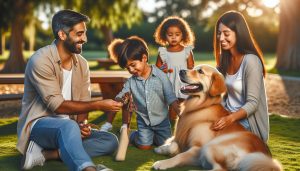
When it comes to choosing the perfect family dog, the Flat-Coated Retriever stands out as an exceptional choice, known for its playful spirit and affectionate nature. These dogs are not only friendly but also highly sociable, making them wonderful companions for children. Their boundless energy and eagerness to please can foster a special bond with kids, providing both fun and companionship. As families consider adding a furry member, understanding how Flat-Coated Retrievers interact with children is crucial. This breed’s temperament and characteristics can shape many memorable moments and help instill values of empathy and responsibility in younger family members. Dive deeper to discover if this joyful breed is the ideal child-friendly companion for your family’s lifestyle and needs.
Are Flat Coated Retrievers Naturally Good with Kids?
Flat Coated Retrievers are widely recognized for their joyful disposition and affectionate nature, making them fantastic companions for families with children. These dogs are not just friendly; they possess an innate enthusiasm that can light up any household. Their playful temperament and boundless energy often resonate well with the lively spirit of children, creating a harmonious and joyful environment. It’s not uncommon to see a Flat Coat bouncing around, encouraging kids to join in a game of fetch or to romp in the backyard, fostering a bond that is built on mutual enjoyment and shared adventures.
Moreover, Flat Coated Retrievers are known for their patience and gentle demeanor. They tend to be tolerant of childlike behavior, which can sometimes be exuberant or unpredictable. This breed is generally sociable, welcoming interactions with children and adapting well to the whims of youthful play. Their intelligence also plays a crucial role in their compatibility; with proper training and socialization, they can learn to navigate the dynamics of a bustling family life and respond well to commands, enhancing safety during interactions.
To ensure a positive experience, it’s beneficial to teach children how to interact appropriately with their canine friends. Engaging in basic training together not only strengthens the bond between the dog and its young family members but also instills respect for the dog’s space and needs. With consistent positive reinforcement, Flat Coated Retrievers can thrive as child-friendly companions, embodying the spirit of joy and loyalty that makes them a beloved choice for families.
Understanding the Temperament of Flat Coated Retrievers
The vibrant temperament of Flat Coated Retrievers makes them stand out as an excellent choice for families, particularly those with children. Known for their exuberant joyfulness and goofy personalities, these dogs easily bring laughter and fun into family interactions. Their delightful nature often results in spirited play sessions that captivate the hearts of both kids and adults alike. With an inherent tendency to be friendly and sociable, Flat Coated Retrievers naturally thrive in active environments filled with the joyous noise of children.
This breed is characterized by its affectionate demeanor, blending playfulness with an eagerness to please. They typically exhibit a strong desire to engage in activities, making them excellent companions for outdoor adventures or indoor playtime. The patience these dogs possess encourages them to tolerate the sometimes unpredictable behaviors of children, whether it’s a sudden burst of energy or the confusion of a toddler’s exploration. Their adaptability to the whims of youthful enthusiasm enhances their role as family pets, showcasing a remarkable ability to bond with kids through shared activities, such as fetch or tag.
However, while their temperament is largely positive, it’s essential to acknowledge that proper training and early socialization are crucial in nurturing their innate qualities. Encouraging positive interactions between children and their canine counterparts is key to fostering safety and understanding. By involving children in basic training exercises, families can instill a sense of respect for the dog’s personal space and establish clear guidelines for interactions.
In summary, the inherent temperament of Flat Coated Retrievers, coupled with consistent training and socialization, lays a solid foundation for nurturing a delightful and safe relationship between children and their furry companions. Embracing these qualities not only enhances family dynamics but also creates lasting bonds that enrich the lives of both pets and children.
Why Flat Coated Retrievers Make Great Family Pets
Flat Coated Retrievers are undeniably some of the most joyful and adaptable companions a family can have, making them ideal for households with children. Their playful spirit and affectionate nature contribute significantly to a loving environment, where bonds between pets and kids flourish. One captivating aspect of these dogs is their unwavering enthusiasm; they are never short of energy and are always up for playtime. Whether it’s a game of fetch in the backyard or a spirited run at the park, Flat Coated Retrievers engage wholeheartedly, encouraging kids to spend more time outdoors, fostering both physical activity and imaginative play.
Another remarkable quality that sets this breed apart is their deep-rooted friendliness and sociability. Flat Coated Retrievers naturally gravitate towards people, exhibiting a happy-go-lucky attitude that helps them integrate seamlessly into family life. Their gentle dispositions make them incredibly tolerant of the sometimes chaotic nature of children. This adaptability allows them to handle exuberant hugs, energetic games, and even the unpredictable antics of toddlers with grace, making family interactions both enjoyable and safe. The bond that develops through these shared experiences not only enriches a child’s life but also instills in them a sense of compassion and responsibility towards animals.
To further enhance their value as family pets, Flat Coated Retrievers respond remarkably well to training and socialization, which are vital for cultivating a harmonious home environment. Involving children in the training process can be a rewarding experience that teaches respect for the dog’s space while providing them with essential life skills. For instance, simple commands like “sit,” “stay,” and “come” can be practiced together, encouraging teamwork and fostering a deeper relationship between the dog and the children. Such interactions pave the way for children to develop essential empathy, understanding their pet’s needs and emotions, while also ensuring a respectful coexistence.
Ultimately, the combination of playfulness, sociability, and trainable nature positions Flat Coated Retrievers as exceptional family companions. They provide not just friendship and laughter but also invaluable life lessons for children. With a dedicated approach to training and ample opportunities for interaction, families can enjoy a delightful journey alongside these loving dogs, creating cherished memories that last a lifetime.
How to Introduce Flat Coated Retrievers to Children
Introducing a Flat Coated Retriever to children can be one of the most rewarding experiences for a family. Given their friendly and playful temperament, these dogs have an innate ability to bond with kids, provided the introduction is conducted thoughtfully. Start by ensuring that both the dog and the children understand each other’s boundaries. Supervising initial interactions is essential; keep the dog on a leash while allowing the children to approach slowly. This helps the dog feel secure and reduces anxiety. Encourage children to remain calm and avoid sudden movements, as this will reassure the dog and foster trust.
Using positive reinforcement can significantly enhance the introduction process. Have the children offer treats (with your guidance) to the dog while speaking in a gentle, cheerful tone. This approach not only builds a positive association between the dog and the children but also teaches kids how to interact with the dog in a respectful manner. Remind your children to let the dog come to them rather than crowding or overwhelming it; this allows the dog to acclimate at its own pace.
It’s also beneficial to create specific safe spaces within your home where the dog can retreat if it feels overstimulated. This teaches children that the dog needs quiet time and can help them understand the importance of respecting the pet’s personal space. Sharing responsibility for the dog’s care, such as feeding or grooming, can further strengthen the bond between the children and the Flat Coated Retriever, as it encourages teamwork and fosters a sense of responsibility.
Lastly, consistent supervision during playtime is crucial. Engage in fun activities that allow both the dog and children to interact in enjoyable and safe ways. For instance, encourage games like fetch, where the dog can show off its enthusiasm while kids learn how to play responsibly. By guiding both the children and the dog through positive experiences, you lay the groundwork for a beautiful friendship that enhances your family’s joyous moments together.
Safety Tips for Kids Interacting with Flat Coated Retrievers
Interacting with a Flat Coated Retriever can be an exciting experience for kids, but it’s essential to ensure safety for both the child and the dog. These friendly and playful dogs have a great disposition, making them excellent companions for children. However, establishing boundaries and teaching children how to properly interact with the dog can prevent misunderstandings and build a harmonious relationship.
First and foremost, supervision is key. Always keep an eye on the interactions between children and the dog to quickly address any potential issues. This ensures that both the child and the dog feel comfortable and secure. Teach children to approach the dog gently and confidently, avoiding sudden movements or loud noises that can startle it. Encourage calmness: children should learn to lower their voices and move slowly around the dog, which creates a relaxed atmosphere that the dog can respond to positively.
It’s important to emphasize the concept of personal space. Children should be made aware that the dog needs its own time and space to relax, especially after playtime. Set up a specific area in the home where the dog can retreat if it feels overwhelmed. This teaches children to respect the dog’s boundaries. Demonstrate how to recognize signs of stress in the dog, such as yawning, lip licking, or turning away, which can help children understand when the dog needs a break.
Lastly, teach children the proper way to interact physically with the dog. Use gentle petting techniques, where children learn to pat the dog on the side or back rather than reaching over its head, which some dogs may perceive as threatening. Explain the importance of not pulling on the dog’s ears, tail, or fur, as this can lead to an uncomfortable situation for the dog. Reinforce these guidelines with positive reinforcement, celebrating courteous interactions that promote a safe and enjoyable friendship. By fostering a mutual respect between children and Flat Coated Retrievers, families can enjoy beautifully rewarding experiences together.
Training Flat Coated Retrievers for Child-Friendly Behavior
Training a Flat Coated Retriever to engage safely and positively with children is an enriching experience for both the dog and the family. These dogs possess an innate friendliness and desire to please, making them highly trainable for behaviors that foster harmonious relationships with their young human companions. Establishing a solid foundation of commands and behaviors can significantly enhance the child-dog bond, ensuring fun and safe interactions.
To start, focus on basic commands like “sit,” “stay,” and “down.” Teaching these commands serves dual purposes: fostering good behavior while creating a structure that kids can understand. For example, children can enjoy petting the dog only when it is in a “sit” position. This not only enhances the dog’s discipline but also teaches children patience and reinforces the idea of respect for the pet’s space. Utilizing positive reinforcement techniques such as treats, praise, and play will encourage your Flat Coated Retriever to respond eagerly to these commands.
Creating Positive Associations
Building positive associations with children is crucial for training success. Introduce your dog to children in a controlled environment, gradually increasing interaction as the dog becomes more comfortable. Use toys and treats to create a fun and inviting atmosphere. Pairing children with playful activities like fetch or tug-of-war can help the dog understand that kids are sources of joy and excitement. Encourage children to invite the dog by using friendly tones and engaging body language-this can significantly enhance the dog’s comfort level.
Reinforcing Calm Behavior
While Flat Coated Retrievers are naturally playful, it’s essential to reinforce calm behavior around children. Teach the dog to respond to cues designed to help it settle down, such as lying on a mat or in a designated space when kids are playing nearby. Regularly practicing relaxation techniques can improve the dog’s ability to remain calm during play. Consider short training sessions that involve both the children and the dog practicing these techniques. This not only helps the dog to learn but also instills a sense of responsibility in children to manage their interactions with the pet.
By focusing on communication, understanding, and patience, both your Flat Coated Retriever and your children can thrive together. The joy of seeing your pet and family develop a strong bond is truly rewarding, and with consistent training, your dog will become an unwavering companion for your children, bringing countless happy moments to your household.
Socialization Needs of Flat Coated Retrievers with Kids
Flat Coated Retrievers are known for their joyful and exuberant spirit, making them ideal companions for families with children. To fully unlock their potential as family pets, engaging them in socialization activities from a young age is crucial. Effective socialization equips your Flat Coated Retriever with the skills necessary to interact harmoniously with children, fostering a bond that enhances safety and enjoyment for both the dog and the kids.
One of the key elements in socializing Flat Coated Retrievers with children is controlled exposure. This begins by introducing your dog to children in a calm environment where both can feel secure. Start with short interactions, gradually increasing their duration as the dog becomes more comfortable. Supervised play sessions, where children are encouraged to throw toys or engage in games like fetch or hide-and-seek, can lay the groundwork for positive associations. It’s important to teach children to interact gently, using a soft voice and slow movements, ensuring that the dog does not feel overwhelmed.
Moreover, instilling a sense of routine in these interactions can be beneficial. Establishing regular playdates with calm, dog-friendly children enables your Flat Coated Retriever to learn cues from both the kids and adults on acceptable behavior. Positive reinforcement during these interactions is vital; rewarding both the dog and the children for calm, appropriate behavior fosters an atmosphere of joy and respect. This mutual understanding not only strengthens the bond but also teaches children responsibility and respect for the dog’s feelings and space.
To ensure ongoing success, consider implementing socialization classes tailored for young dogs, where they can interact with various children in a structured environment. Such classes often include guidance on appropriate play and interactions, reinforcing training while socializing your dog in a positive, safe manner. The goal is to create a well-adjusted dog that views children as friends and partners in play, laying a foundation for a loving family dynamic.
Flat Coated Retriever Energy Levels and Playfulness
Flat Coated Retrievers are renowned not only for their striking appearance but also for their boundless energy and playfulness, qualities that make them incredibly appealing to families with children. With a natural inclination towards being active and engaged, these dogs thrive in environments where they can participate in fun activities alongside their human companions. This breed is particularly well-suited for families that enjoy outdoor activities, as they are always eager to join in on adventures such as hiking, running, or playing fetch at the park.
Their high energy levels mean that Flat Coated Retrievers require ample exercise to prevent boredom and channel their enthusiasm in positive ways. Regular playtime is essential; thus, integrating daily exercise routines that involve the whole family will not only keep the dog healthy but also foster a strong bond between your Flat Coated Retriever and your children. Activities such as interactive games-running with a ball, flying a frisbee, or engaging in agility courses-are fantastic ways to burn off excess energy while making memories together. The intelligent and eager-to-please nature of the breed often leads to them excelling in training, making it easy for children to engage them in enjoyable games and tricks.
To effectively manage their energy, families should consider setting up structured play schedules that include a mix of physical activity and mental stimulation. Activities such as obedience training sessions, puzzle toys, or teaching new tricks can keep a Flat Coated Retriever’s mind engaged, which is just as important as physical exercise. It’s crucial for the family to make playtime consistent while ensuring the dog has a safe area to explore and unwind after energetic sessions. With their playful demeanor and affectionate nature, these retrievers can bring endless joy into a home, making them cherished companions for kids of all ages.
Ideal Activities for Flat Coated Retrievers and Children
There’s no denying the joy a Flat Coated Retriever can bring to a family, especially when it comes to activities shared with children. These exuberant dogs thrive on play and interaction, making them ideal companions for kids eager to engage in fun and active pursuits. From outdoor escapades to enriching indoor games, there are myriad ways to ensure that both your children and your Flat Coated Retriever enjoy quality time together, fostering a beautiful bond.
One of the most popular activities is a game of fetch, which taps into the breed’s natural retrieving instincts. Whether you’re at the park or in your backyard, tossing a ball or frisbee can provide boundless entertainment and exercise. For families with access to water, consider incorporating swimming into playtime-Flat Coated Retrievers are excellent swimmers and will happily retrieve toys from the water, making for a refreshing way to cool off on hot days.
Interactive Play Ideas
Engaging your Flat Coated Retriever in interactive play not only helps to burn off energy but also strengthens the connection between your pet and children. Here are a few ideas to get started:
- Agility Training: Set up a simple obstacle course in your yard using cones, tunnels, and jumps. Children can encourage the retriever through the course, reinforcing the dog’s training while having a blast.
- Puzzle Games: Invest in dog puzzle toys that challenge your retriever’s mind. Kids can participate in hiding treats in the toys and helping their furry friend figure them out.
- Hide and Seek: A fun, engaging game where children can hide while the dog uses its nose to find them. This helps to develop the dog’s scenting skills and encourages the children to be quietly encouraging as their dog searches.
Incorporating daily exercise routines tailored to suit the energy levels of your Flat Coated Retriever is crucial. Regular walks around the neighborhood, visits to dog parks, or even participating in local agility or obedience classes can be wonderful ways for your child and dog to interact and learn together. The breed’s intelligence means they often excel in training, and children can take an active role in teaching their dogs new commands or tricks.
By fostering a spirit of teamwork and enthusiasm during play, families can create lasting memories, ensuring that your Flat Coated Retriever remains a joyful, integrated part of your children’s lives. Every game, every training session, and every adventure contributes to a remarkable relationship built on trust, affection, and, of course, plenty of fun!
Common Challenges and Solutions for Families
While Flat Coated Retrievers are known for their friendly disposition and playful nature, families may encounter unique challenges when integrating them into a household with children. Recognizing these challenges and proactively addressing them can lead to a harmonious relationship between your furry friend and your kids.
One common challenge is managing the dog’s exuberance. Flat Coated Retrievers are energetic and can sometimes overwhelm young children with their playfulness. To counter this, it’s essential to train the dog to understand boundaries. Implementing basic commands, such as “sit” and “down,” can help teach the dog to control its excitement, particularly during high-energy moments. Incorporating regular exercise routines, such as daily walks or play sessions, helps to drain some of that excess energy, making the dog calmer and more manageable around children.
Another potential issue is the need for supervision during interactions. Young children may not always understand how to appropriately engage with a pet, which can lead to accidents if the dog feels threatened or cornered. Teaching children how to approach and interact with the dog gently, along with closely supervising their playing together, can help reduce this risk. Using positive reinforcement to reward calm behavior from both the dog and the children can further promote safe and enjoyable interactions.
Additionally, Flat Coated Retrievers require consistent training and socialization. If left untrained or inadequately socialized, they may exhibit inappropriate behaviors, such as jumping or barking excessively, which can be alarming to small children. Starting obedience training early and allowing the dog to interact with different environments, people, and other pets can greatly enhance its social skills and adaptability. Engaging family members in training sessions can not only reinforce good behavior but also foster a deeper bond within the family unit.
Maintaining this balance between enthusiasm and restraint, supervision, and socialization will ensure that your Flat Coated Retriever remains a cherished companion for your children, turning potential challenges into opportunities for growth and connection.
Assessing Compatibility: Flat Coated Retrievers and Specific Children’s Needs
Assessing the compatibility between Flat Coated Retrievers and children is essential for creating a harmonious and joyful household. These dogs possess a gentle and playful disposition, making them generally well-suited for family life. However, understanding the specific needs of both your child and your dog can ensure a positive relationship.
When evaluating compatibility, consider your child’s age and temperament. Younger children, particularly toddlers, may not yet know how to interact appropriately with a dog of this breed. Flat Coated Retrievers are known for their exuberance, which can sometimes be overwhelming for small kids. Teaching children how to approach dogs gently and providing supervised playtime can help mitigate potential risks. For slightly older children, involving them in training routines with the Retriever can foster a stronger bond and mutual respect.
Additionally, assess the energy levels and observational skills of your child. Flat Coated Retrievers thrive on play and activity, requiring regular exercise to stay balanced and happy. If your children have similar energy and love outdoor activities or games, they can form a perfect partnership. For families with less active kids, ensuring your Retriever receives ample exercise outside of playtime together is crucial, which may include regular walks, trips to dog parks, or engaging in canine sports.
It’s also important to consider any allergies or sensitivities your children may have, as Flat Coated Retrievers do shed and produce dander. Conducting a gradual introduction and observing your child’s reaction to the dog can help in making informed decisions. By recognizing these aspects and fostering appropriate interactions, you can create an environment where both your children and your Flat Coated Retriever thrive.
In summary, assessing compatibility between Flat Coated Retrievers and your child’s unique needs requires thoughtful consideration of age, activity levels, and allergy sensitivities. By carefully evaluating these factors and promoting safe, positive interactions, you can cultivate a loving and engaging family dynamic with this joyful breed.
Success Stories: Family Experiences with Flat Coated Retrievers
Families across the globe have celebrated the joys of having Flat Coated Retrievers as part of their households, particularly when it comes to their interactions with children. One notable success story is that of the Martinez family, whose two young children formed an inseparable bond with their Flat Coated Retriever, Bella. From the moment they brought her home, Bella’s gentle nature and playful demeanor helped cultivate a nurturing environment. The children learned to care for Bella by participating in her daily exercises, which not only activated their imaginations but also instilled a sense of responsibility.
Another inspiring account comes from the Thompson family, who faced challenges with their eldest child’s anxiety. They decided to adopt a Flat Coated Retriever named Max, intending to provide their child with a constant companion. Max’s calm disposition and intuitive ability to sense his child’s emotions made a remarkable difference. Through daily walks and playdates in the backyard, their child began to open up, and the bond they developed became therapeutic. Stories like these illustrate how Flat Coated Retrievers can serve not just as pets, but as integral emotional support for children facing various challenges.
Moreover, the Johnson family discovered that involving their teenage kids in Max’s training fostered a sense of unity and teamwork. They organized family training sessions that transformed mundane obedience lessons into exciting endeavors. Their children learned patience and persistence, and Max responded with enthusiasm, making the experience immensely rewarding. This engaging approach reinforced their ability to communicate effectively with their dog and helped establish a strong mutual trust.
Ultimately, the journeys shared by these families highlight the incredible impact Flat Coated Retrievers can have in nurturing child-friendly environments. The harmonious blend of love, play, and responsibility creates unforgettable memories and strengthens familial bonds. These dogs truly embody the essence of being loving companions while enhancing the overall joy and warmth of family life.
Faq
Q: Are Flat Coated Retrievers good family dogs?
A: Yes, Flat Coated Retrievers are excellent family dogs. They are known for their friendly and playful disposition, making them great companions for children. Their affectionate nature and high energy levels encourage active play, fostering a loving environment for families [[3]].
Q: How do Flat Coated Retrievers interact with young children?
A: Flat Coated Retrievers typically interact well with young children due to their gentle and playful demeanor. They enjoy engaging in fun activities but should always be supervised to ensure positive interactions and to prevent unintentional rough play [[3]].
Q: What age is suitable for children to grow up with a Flat Coated Retriever?
A: Children of all ages can grow up with a Flat Coated Retriever. However, it’s important that they are taught to respect the dog’s space and feelings. Early socialization and training can help establish a safe and loving relationship [[2]].
Q: Do Flat Coated Retrievers require special training for children?
A: While Flat Coated Retrievers are generally friendly, it’s beneficial to train them to follow basic commands and appropriate behaviors around children. Consistent training enhances their child-friendly behavior and ensures safety during playtime [[1]].
Q: Are Flat Coated Retrievers good watchdogs for families?
A: Flat Coated Retrievers are not known as aggressive watchdogs, but they are alert and can bark to warn of intruders. Their friendly nature means they are more likely to greet visitors than guard the home, so they serve better as family companions than protective guards [[3]].
Q: How much exercise do Flat Coated Retrievers need with kids?
A: Flat Coated Retrievers require a significant amount of exercise, ideally at least 1-2 hours daily. Engaging in activities with children, such as playing fetch or going for walks, can meet their exercise needs while also strengthening family bonds [[2]].
Q: Can Flat Coated Retrievers get along with other pets in the family?
A: Yes, Flat Coated Retrievers generally get along well with other pets, especially if they are socialized early. Their friendly attitude fosters harmonious relationships with cats and other dog breeds, making them suitable for multi-pet households [[1]].
Q: What are common health concerns for Flat Coated Retrievers with families?
A: Common health concerns for Flat Coated Retrievers include hip dysplasia and certain hereditary conditions. Regular vet check-ups, a balanced diet, and proper exercise contribute to their well-being, ensuring they remain energetic companions for families [[3]].
Key Takeaways
In conclusion, Flat Coated Retrievers are indeed wonderful companions for children, known for their playful nature and affectionate demeanor. Their friendly disposition makes them ideal family pets, promoting a joyful bond between kids and dogs. If you’re considering bringing one into your home, it’s vital to ensure proper training and socialization, setting the stage for a harmonious environment.
To dive deeper into effective training methods and nutrition tailored for your new friend, check out our articles on Golden Retriever Training Tips and Essential Care for Family Dogs. Don’t forget to subscribe to our newsletter for the latest insights and resources on dog care! By choosing a Flat Coated Retriever, you’re not just welcoming a pet but a loving family member who will thrive in a bustling household. Share your experiences and questions in the comments below-let’s keep the conversation going!