Golden Retrievers are renowned for their friendly demeanor and eagerness to please, making them one of the most popular dog breeds worldwide. However, many new owners wonder: are they hard to train? Understanding the unique training needs of this breed is essential for fostering a strong bond and ensuring good behavior. In this article, we’ll unveil five shocking training secrets that will not only surprise you but also empower you to approach training with confidence and clarity. Whether you’re a seasoned dog owner or welcoming a Golden into your home for the first time, these insights will help you navigate the training journey and set your furry friend up for success. Get ready to discover how to make training a rewarding experience for both you and your Golden Retriever!
Are Golden Retrievers Naturally Obedient?
Golden Retrievers are often celebrated for their friendly demeanor and eagerness to please, making them one of the most sought-after breeds for families and individuals alike. Their natural predisposition towards being obedient is one of the key traits that contribute to this popularity. Bred initially as hunting companions, Golden Retrievers possess an innate desire to work closely with humans, responding positively to training and commands. This breed is not just friendly; they have a remarkable ability to connect with people, making them quick learners who thrive in environments where they can share experiences with their owners.
The combination of their intelligence and trainability means that Golden Retrievers are often seen as naturally obedient. They generally respond well to guidance, especially when training is balanced with socialization and positive reinforcement techniques. Proper training methods, such as incorporating fun and engaging activities, help cement their learning process, aligning their instincts to cooperate with their human companions. Owners who engage their Goldens with consistency and clear communication often find that their dogs are not only obedient but also exhibit a strong desire to participate in training sessions.
However, it’s crucial to remember that while Golden Retrievers have a strong natural tendency toward obedience, individual temperaments can vary. Like all breeds, some may need more time and different approaches to training based on their personality and environmental influences. A well-structured training regimen, combined with plenty of patience and encouragement, can transform a novice puppy into a well-mannered family member, showcasing the wonderful bond that develops between a Golden and their owner. In essence, the blend of natural obedience, eagerness to please, and the right training techniques makes Golden Retrievers not only a joy to train but also a beloved addition to any household.
Understanding the Unique Traits of Golden Retrievers

Golden Retrievers are renowned for their charming personalities, intelligence, and striking beauty, making them consistently one of the most beloved dog breeds. Their unique traits not only enhance their appeal as family pets but also contribute significantly to their trainability. As a breed initially developed for retrieving game during hunting expeditions, Golden Retrievers possess a remarkable combination of energy, loyalty, and a strong work ethic, which manifests in their eagerness to engage in training exercises and activities with their human companions.
One of the defining characteristics of Golden Retrievers is their eagerness to please. This quality often makes training a rewarding experience for both the dog and the owner. When properly motivated, these dogs will go to great lengths to respond to commands and cues. Utilizing positive reinforcement-such as treats, praise, or play-can produce incredible results. This breed excels in environments where they can interact closely with their families, as they thrive on social connections and enjoy being involved in all aspects of family life. Their friendly demeanor allows them to bond easily with children and other pets, creating a harmonious household.
Regarding physical traits, Golden Retrievers are agile and energetic. Regular exercise is essential, not just for their physical health but also to ensure they remain mentally stimulated. Activities like fetching, running, or even participating in agility training can cater to their boundless energy and innate retrieval instinct. Engaging them in sports or interactive games provides opportunities for both exercise and training, enhancing their skills while deepening the bond with their owners.
Lastly, it’s important to note that while most Golden Retrievers exhibit these wonderful traits, each dog is an individual with unique personalities and temperaments. Understanding and respecting these differences is crucial for successful training outcomes. Tailoring your approach to each dog’s needs will ultimately lead to more effective communication and trust-building, resulting in a fulfilling companionship that highlights the best of what this remarkable breed has to offer.
Essential Training Techniques for Golden Retriever Puppies

Training a Golden Retriever puppy can be one of the most rewarding experiences for dog owners, given the breed’s natural inclination to learn and please. Golden Retrievers are characterized by their intelligence and sociable nature, making them incredibly responsive to training when approached with the right techniques. To maximize their potential, it’s essential to employ effective training strategies tailored to this lively breed.
Positive Reinforcement
One of the most powerful techniques in training a Golden Retriever puppy is positive reinforcement. This method involves rewarding desired behaviors with treats, praise, or playtime, which encourages your puppy to repeat those behaviors. For instance, when your puppy sits on command, immediately offer a favorite treat or enthusiastic praise. This not only strengthens the behavior but also fosters a positive bond between you and your puppy. Remember, consistency is key-reward every successful attempt during training sessions so your puppy clearly associates the action with a positive outcome.
Short and Fun Sessions
Golden Retriever puppies, with their boundless energy, benefit from short training sessions that are both engaging and enjoyable. Sessions of about 5 to 10 minutes, spread throughout the day, can be more effective than long, drawn-out training periods. Incorporate a variety of commands and tricks to keep the sessions dynamic. This could include basic commands like “sit,” “stay,” and “come,” followed by fun tricks such as “roll over” or “play dead.” Interactive games, such as fetching a toy or engaging in hide-and-seek with treats, also serve as excellent training tools that stimulate both their mind and body.
Socialization Opportunities
Introducing your Golden Retriever puppy to various environments, people, and other animals is crucial for their development. Early socialization helps reduce fear and anxiety in unfamiliar situations and promotes confidence. Take your puppy for walks in busy areas, visit parks, or invite friends over. Enroll in puppy kindergarten classes-these classes are not only excellent for learning basic obedience but also provide a crucial environment for social interactions. The early experiences will lay the groundwork for your puppy’s behavior as an adult dog.
Incorporating these essential training techniques into your routine will ensure a well-rounded and well-behaved Golden Retriever. Celebrate your puppy’s successes, no matter how small, and always approach training with patience and enthusiasm. This breed’s eagerness to learn coupled with your guidance creates the perfect environment for training success.
Common Training Challenges with Golden Retrievers
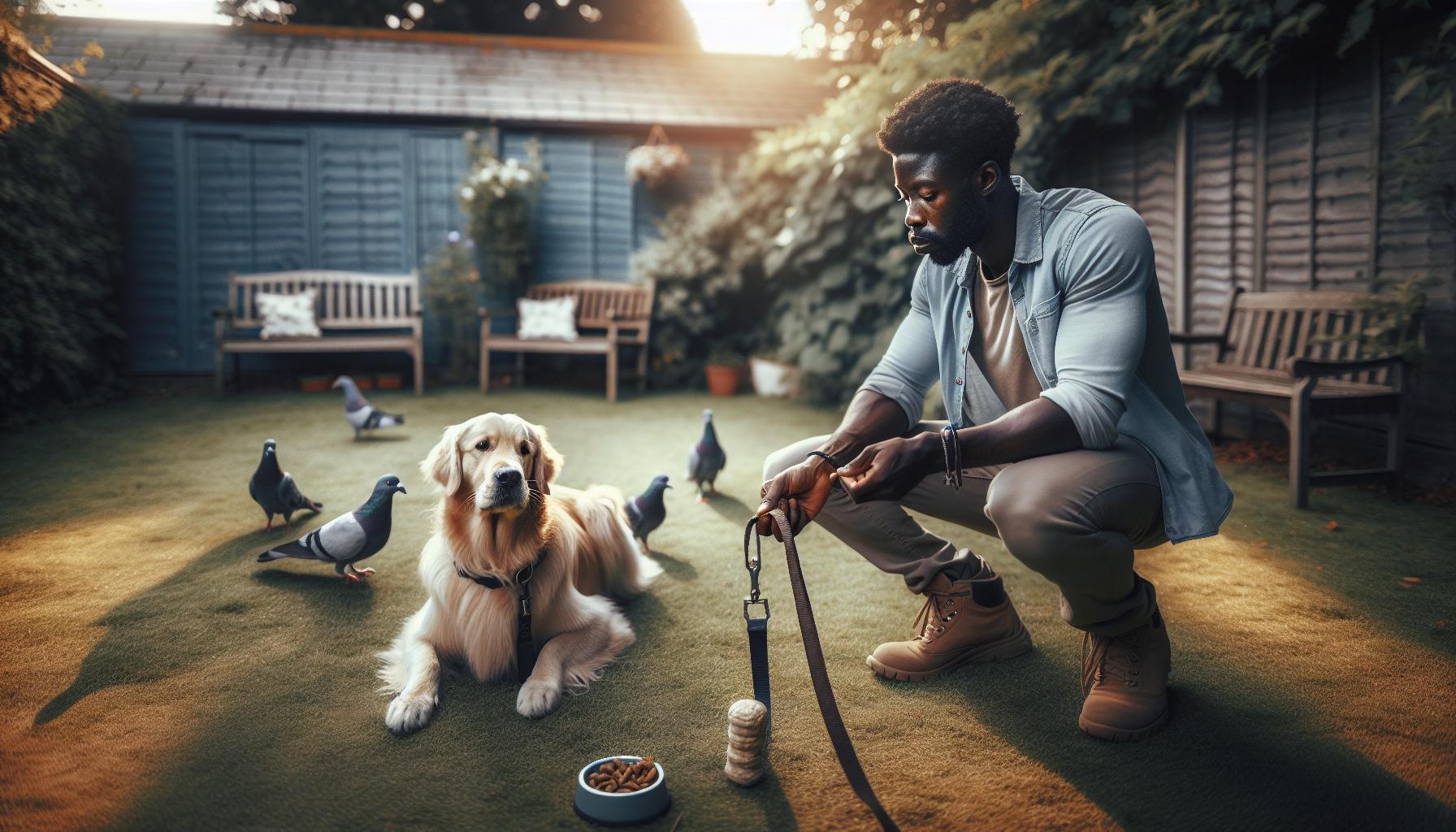
The journey of training a Golden Retriever can be immensely rewarding, yet it is not without its challenges. One common obstacle that many owners face is the breed’s enthusiastic nature, which can sometimes translate into distractions during training sessions. Golden Retrievers are known for their playful and social demeanor, which often leads them to be easily sidetracked by sounds, movements, or even the flutter of a butterfly. To counteract this, implementing a controlled training environment initially can help. Start by minimizing distractions; training in a quiet space allows your puppy to focus better on commands and rewards.
Additionally, Golden Retrievers are incredibly intelligent and eager to learn, but this can lead to impatience or overexcitement if routines become monotonous. Their eagerness can sometimes manifest as repetitive barking or jumping, especially when they’re excited. To keep training sessions effective, use a variety of commands and incorporate fun games to maintain their interest. For instance, mixing traditional commands with agility games can turn training into a more dynamic and enjoyable experience.
Another challenge to be aware of is the breed’s tendency to develop a strong attachment to their owners. While this loyalty is a beautiful trait, it can sometimes lead to separation anxiety if they are not accustomed to being alone. This issue can hinder training efforts, particularly if the dog becomes distressed when left alone. To mitigate this, gradually acclimate your Golden Retriever to being alone by starting with short durations and increasing the time as they grow more comfortable. Employing interactive toys or puzzle feeders can also engage their minds and ease their anxiety during these times.
By recognizing these common challenges and employing strategic approaches, you can foster a more productive training atmosphere and strengthen the bond with your beloved Golden Retriever. Their innate intelligence and desire to please can be effectively harnessed through patience, consistency, and a variety of engaging methods tailored specifically for their energetic and affectionate nature.
5 Proven Tips for Effective Golden Retriever Training
Building a solid training foundation for your Golden Retriever is crucial for a harmonious life together. This breed is marked by its intelligence and eagerness to please, making training not just necessary, but an enjoyable bonding experience. Here are some proven tips that will elevate your training sessions and ensure your Golden Retriever thrives.
Utilize Positive Reinforcement
Golden Retrievers are especially responsive to positive reinforcement. Using treats, praise, and affection when your pup performs commands correctly can significantly enhance their learning. This method sustains their motivation to learn and makes the entire experience enjoyable. For instance, when teaching a command like “sit,” immediately reward your dog with a treat and praise as soon as they comply. Over time, they’ll associate compliance with positive outcomes, making them eager to follow through.
Be Consistent with Commands
Consistency is key when training any dog, particularly Golden Retrievers. Use the same command words and gestures for specific actions to avoid confusion. If you use “down” for lying down, stick with that command. Additionally, ensure that all family members use the same commands; this clear communication helps your dog learn faster and more effectively.
Keep Training Sessions Short and Engaging
Golden Retrievers can lose interest if training sessions drag on too long. Aim for short, focused sessions-around 5 to 10 minutes-especially for young puppies. Incorporate a variety of activities in each session, such as basic commands, agility exercises, or interactive games, to keep your Golden engaged and attentive. This variability helps sustain their excitement about learning and ensures training feels less like a chore.
Socialize Your Golden Retriever
Socialization plays a crucial role in a Golden Retriever’s training. Exposing your dog to different environments, people, and other animals at a young age can help minimize anxiety and behavioral issues later. Arrange playdates, visit parks, or attend puppy classes to facilitate these experiences. A well-socialized dog is more adaptable to new situations and tends to respond better to training commands.
Maintain Patience and Have Fun
Finally, training should be an enjoyable journey for both you and your Golden Retriever. Patience is essential; avoid frustration if your pup doesn’t respond immediately or makes mistakes. Celebrate small victories and keep a positive attitude. The more fun you have during training, the more your dog will enjoy it, leading to a stronger bond and better learning outcomes. Incorporate games, such as fetch or hide-and-seek, to transform commands into fun activities while reinforcing good behavior.
By implementing these effective training tips, you can navigate the training journey with your Golden Retriever more smoothly, fostering a strong, loving relationship that lasts a lifetime.
The Role of Positive Reinforcement in Training
In the journey of training your Golden Retriever, positive reinforcement serves as an invaluable tool that capitalizes on the breed’s natural inclination to please. This method not only makes the training process effective but also deepens the bond between you and your pup. Golden Retrievers, known for their intelligence and eagerness, respond exceptionally well to praise, treats, and affection. When you reward them right after they follow a command, they start to connect their actions with positive outcomes, effectively reinforcing desired behaviors over time.
When implementing positive reinforcement, consider varying your rewards to keep your Golden excited about training. While treats are traditionally effective, incorporating toys or extra playtime as rewards can enhance their enthusiasm. For instance, if your dog sits on command, not only should you offer a treat but also engage them in a game of fetch immediately afterward. This multifaceted approach ensures that your training remains engaging and fulfilling for your dog.
It’s also essential to maintain consistency in your reinforcement strategies. Use the same rewards for specific commands, making it easier for your Golden to understand what behaviors are being reinforced. This consistency helps solidify their understanding and reduces confusion during training sessions. Additionally, ensure all family members are on the same page, using the same reinforcement techniques, so your dog receives clear and consistent messages.
Remember that patience is vital in this process. Some behaviors may take longer for your Golden to grasp, but maintaining a positive environment filled with encouragement and joy will facilitate a smoother learning experience. Each small victory should be celebrated, reinforcing the idea that learning is a fun and rewarding journey. By focusing on positive reinforcement, you cultivate a loving and encouraging atmosphere that allows your Golden Retriever to thrive and develop into a well-behaved companion.
Socialization Strategies For Golden Retrievers
To thrive as well-rounded companions, Golden Retrievers require effective socialization strategies that cater to their friendly and eager-to-please nature. Early and ongoing socialization is crucial for developing their confidence, reducing anxiety, and ensuring they can comfortably engage with other dogs, people, and various environments. This breed’s natural curiosity and intelligence can be harnessed through intentional socialization techniques, ultimately contributing to a more adaptable and well-behaved pet.
One of the best ways to start socialization is by exposing your puppy to a variety of environments and experiences. Consider enrolling your Golden Retriever in puppy socialization classes, where they can interact with other dogs under the guidance of a professional trainer. During these sessions, focus on positive reinforcement strategies, rewarding your pup for calm and positive interactions with other dogs. These early experiences lay the groundwork for their social skills, making them more comfortable around unfamiliar situations and canine companions later in life.
Additionally, frequent trips to dog parks can provide ample opportunities for play and interaction with other dogs. Monitor their interactions closely to ensure they engage positively and learn appropriate doggy etiquette. It’s also beneficial to invite well-behaved friends with dogs over for playdates, as this allows for supervised socialization in a controlled environment. Always reinforce positive behavior during these interactions with treats and praise, strengthening the desired responses.
Don’t overlook the importance of exposing your Golden Retriever to various sights, sounds, and people as part of their socialization. Take them on walks in different neighborhoods, visit public spaces, or attend community events. Introduce them to people of all ages, including children and seniors, allowing them to become adaptable and confident in diverse settings. Regular socialization not only fosters good behavior but also enriches their lives, establishing them as loving and trustworthy companions.
In summary, making socialization a priority in your Golden Retriever’s early life sets the foundation for a healthy, happy, and well-adjusted adult dog. By incorporating structured socialization activities that expose them to various experiences, you empower your Golden to navigate the world with confidence and joy, further enhancing the special bond you share as companions.
Addressing Behavioral Issues During Training
is a vital aspect of nurturing a well-adjusted Golden Retriever. Known for their friendly disposition, these dogs thrive on positive interactions and consistent guidance. However, there are times when a Golden may exhibit unwanted behaviors, such as excessive barking, jumping, or chewing. Understanding the underlying causes of these behaviors is key to addressing them effectively.
One common issue faced by Golden Retriever owners is excessive barking. This behavior often stems from boredom or a desire for attention. To combat this, ensure your Golden receives sufficient physical exercise and mental stimulation, such as puzzle toys or interactive games. When your dog barks for legitimate reasons, like alerting you to a stranger, reward them for their alertness and gradually teach them a command like “quiet” to curtail unnecessary barking.
Inadequate socialization may lead to behaviors like jumping on guests or appearing anxious around new people. To address this, practice controlled introductions with friends and family. Use a leash to maintain control during initial greetings and reward your dog for calm behavior. By establishing consistent rules and expectations for greetings, you can create a structured environment that reinforces good behavior.
Another common challenge is chewing. Golden Retrievers are natural chewers; if they don’t have appropriate items to chew, they may turn to furniture or shoes. Providing safe chew toys and redirecting their attention when caught in the act will help curb destructive behavior. Make sure to also engage in regular play sessions, which can satisfy their need to chew while strengthening your bond.
Finally, remember the importance of patience and consistency. Behavioral issues can often take time to resolve, especially if they’ve been reinforced. Regular training sessions that incorporate positive reinforcement-like treats and praise for desired behaviors-will yield better results. Celebrate small victories along the way, and maintain a loving and supportive approach to foster a trusting relationship with your Golden Retriever. This bond will make training smoother and help them feel secure in their environment, ultimately leading to a happy, well-behaved companion.
Training vs. Genetics: What Really Matters?
Understanding the dynamics of training Golden Retrievers reveals an intriguing relationship between genetics and training. While it’s widely believed that genetics play a significant role in a dog’s behavior and intelligence, the training approach you adopt can be just as crucial-and sometimes even more so. Golden Retrievers, known for their friendly, eager-to-please nature, have a genetic predisposition that makes them generally receptive to learning. However, the effectiveness of their training often hinges on the methods employed and the consistency applied by their handlers.
Genetics can influence traits such as temperament, energy levels, and predisposition to certain behaviors. For instance, Golden Retrievers are often bred for their intelligence and sociable nature, making them well-suited for obedience and agility training. However, individual differences can lead to variations in responsiveness and focus during training sessions. A well-bred Golden with the right genetic background may have a natural inclination to learn commands quickly. Still, without effective training techniques, this potential can remain untapped. Therefore, understanding your dog’s unique personality and adjusting your training techniques accordingly is fundamental.
To unlock the full potential of your Golden Retriever’s abilities, consider the following:
- Establish a strong foundation: Begin training early with consistent commands and routines to form a solid basis for future learning.
- Adapt to the individual: Recognize that each dog is unique; some may respond better to certain training methods than others.
- Utilize genetics to your advantage: Engage activities that align with their natural instincts, such as retrieving games, to enhance their enthusiasm and success in training.
In essence, while genetics may provide a base level of predisposition for training success, it is the quality of the training approach-characterized by patience, encouragement, and creativity-that ultimately shapes a Golden Retriever’s behavior. Emphasizing positive reinforcement techniques and ensuring that training remains enjoyable can further bridge the gap between natural behavior and trained responses. By fostering a nurturing and engaging environment, owners can effectively transform inherent traits into polished skills-turning potential into reality as they strengthen the bond with their loyal companion.
How to Customize Training Plans for Your Golden Retriever
Customizing your training plan for a Golden Retriever is essential to tap into their natural intelligence and eagerness to please. Golden Retrievers thrive in environments where their unique traits are recognized and harnessed, leading to a fulfilling partnership between owner and dog. This pervasive adaptability makes them one of the most trainable breeds, but understanding how to tailor a training regimen can unlock their full potential.
Begin by assessing your Golden Retriever’s individual personality, energy level, and learning style. For some, interactive play might be the key to engaging them, while others may respond better to structured learning sessions. Establish a versatile training plan that incorporates both physical and mental exercises. Golden Retrievers are known for their love of retrieving; thus, integrating games like fetch can keep training fun and stimulating. Pair these activities with specific commands to reinforce learning, ensuring that your pup associates play with obedience.
Consider varying the training methods based on your dog’s age and experience. Young puppies may benefit from short, playful sessions with frequent breaks to hold their attention, while adult Goldens might engage better with longer, more focused training times. Incorporate positive reinforcement strategies such as treats or praise to motivate your dog. For example, use high-value treats for difficult commands and mix in verbal praise to maintain their interest.
In addition, it’s vital to incorporate socialization opportunities into your training plan. Expose your Golden Retriever to different environments, people, and dogs to build their confidence and adaptability. These experiences can enhance their ability to learn and obey commands in various situations, ultimately strengthening their responsiveness. Regularly assess and adjust your training strategies to align with their growth and progress, ensuring that you remain engaged and supportive throughout their learning journey.
By personalizing the training experience, you celebrate the special qualities of Golden Retrievers while fostering a deep bond based on mutual understanding and respect. This tailored approach not only improves training efficiency but also enriches the overall relationship between the owner and their furry companion.
Understanding the Impact of Age on Training Success
Understanding the age of your Golden Retriever is crucial when it comes to training success. Puppies, adults, and seniors exhibit different learning capabilities and attention spans, making it essential to adapt your training approach accordingly. For instance, young Golden Retrievers are typically in a stage of rapid development; they are highly curious and energetic but may have shorter attention spans. This means that training sessions should be kept brief and engaging, allowing for plenty of play and positive reinforcement.
For puppies, start with simple commands and gradually increase complexity as they master basic obedience. Training should feel like a game; incorporating fun activities, such as fetching or hide-and-seek, can enhance their willingness to learn. As they grow older, you can shift towards more structured training sessions that may involve longer durations and more focused commands. Adult Golden Retrievers generally have a stronger attention span and can handle more in-depth training routines. At this stage, incorporating distractions and varied environments can further solidify their learning, ensuring that they respond well to commands regardless of their surroundings.
As Golden Retrievers mature into senior dogs, their training needs shift again. Older dogs may require patience and understanding regarding physical limitations and the possibility of cognitive decline. Maintaining a daily routine of gentle exercises and short, engaging training sessions can help keep their minds sharp while being sensitive to their physical capabilities. Utilizing positive reinforcement remains critical, as it fosters a trusting bond and encourages them to participate enthusiastically in training.
Overall, understanding and adapting to the age-related changes can significantly impact training effectiveness. By recognizing these developmental stages and tailoring your approach, you will not only enhance your Golden Retriever’s obedience but also deepen your connection with them, creating a joyful and rewarding training experience throughout their life.
Success Stories: Golden Retrievers Who Mastered Training
Every Golden Retriever has the potential to shine, and countless owners have wonderful success stories that highlight this breed’s remarkable ability to learn and adapt. One particularly inspiring journey comes from a Golden named Charlie, who initially struggled with basic commands. His owner, determined to help him succeed, introduced fun activities paired with positive reinforcement. Using a combination of interactive toys and delicious treats, Charlie transformed from a playful puppy into an obedient companion, mastering commands like “sit,” “stay,” and even “roll over” within just a few weeks. This progress not only impressed his owner but also strengthened their bond, turning training sessions into cherished moments of connection.
Another heartfelt story involves a rescue Golden Retriever named Bella, who arrived in her new home with some behavioral challenges. Her family embraced a patient and steady approach, focusing on socialization through group classes and daily family outings. Bella gradually overcame her fears and learned to trust, ultimately excelling in obedience training. Today, she not only participates in agility courses but also works as a therapy dog, visiting hospitals and schools, bringing joy and comfort to those in need. Bella’s transformation serves as a testament to the impact of dedicated training and socialization, illustrating that with love and persistence, any Golden Retriever can master the skills needed to thrive.
Finally, consider Max, an English Cream Golden Retriever who demonstrated the incredible capability of this breed in advanced training. From a young age, Max was introduced to scent work, encouraged to use his keen sense of smell. His owners provided engaging activities and consistent practice, leading him to become proficient in tracking and detection tasks. Max’s achievements helped him become a star in local competitions, showcasing not only his intelligence but also the importance of harnessing a Golden Retriever’s instincts in training. His story underscores that with the right guidance and challenges, Golden Retrievers can excel in various activities beyond traditional obedience.
These stories echo a central theme: with the right mix of patience, positivity, and creative training methods, Golden Retrievers can overcome challenges and master a wide range of skills. Every success story is a reminder of the unique bond shared between owners and their furry companions, highlighting the joy that dedicated training can bring to both. Whether you’re training a puppy or working with a rescue, embracing the journey creates lasting memories and a deeper connection with your beloved Golden Retriever.
Faq
Q: Are Golden Retrievers hard to train for beginners?
A: Golden Retrievers are generally not hard to train, even for beginners. Their eagerness to please and intelligence make them highly trainable. Using consistent positive reinforcement techniques can significantly boost their learning success. For more tips on training, check “Essential Training Techniques for Golden Retriever Puppies”.
Q: What are the common mistakes to avoid when training a Golden Retriever?
A: Common mistakes include inconsistency in commands, lack of positive reinforcement, and inadequate socialization. Always use positive methods and establish a routine. Understanding training challenges can be key, which you can read more about in the article section “Common Training Challenges with Golden Retrievers”.
Q: How long does it take to train a Golden Retriever?
A: Training a Golden Retriever can take several weeks to months, depending on the training area. Basic commands usually take 4-6 weeks, while advanced training may require more time. Consistent practice is essential for success, as discussed in “Understanding the Impact of Age on Training Success”.
Q: How can I improve my Golden Retriever’s focus during training?
A: Improving your Golden Retriever’s focus can be achieved through short, engaging training sessions, using high-value treats, and minimizing distractions. Incorporate games that require focus to sharpen their attention. More engaging training tips can be found in “5 Proven Tips for Effective Golden Retriever Training”.
Q: Can older Golden Retrievers still be trained effectively?
A: Yes, older Golden Retrievers can be trained effectively, though their learning pace may vary. Tailoring training methods to their physical and cognitive abilities is crucial. You can find valuable insights in the section “Understanding the Impact of Age on Training Success”.
Q: What role does socialization play in training Golden Retrievers?
A: Socialization is vital for training Golden Retrievers, as it helps them learn appropriate behaviors and reduces anxiety. Introduce them to various environments, people, and other animals early on to enhance their adaptability. For detailed socialization strategies, refer to “Socialization Strategies For Golden Retrievers”.
Q: Are there specific techniques to train a Golden Retriever puppy?
A: Yes, techniques like establishing a routine, using positive reinforcement, and starting with basic commands are effective for Golden Retriever puppies. Engaging them through play helps reinforce learning. Check out “Essential Training Techniques for Golden Retriever Puppies” for detailed guidance.
Q: How does positive reinforcement affect Golden Retriever training?
A: Positive reinforcement significantly enhances training effectiveness for Golden Retrievers by encouraging desired behaviors through rewards. This method fosters a trusting bond and keeps training enjoyable. You can learn more about the role of positive reinforcement in training in “The Role of Positive Reinforcement in Training”.
Wrapping Up
Now that you’ve unlocked the secrets to training your Golden Retriever, it’s your turn to apply these insights and witness the transformation of your pup into a well-behaved member of the family. Remember, early training is crucial, so don’t wait-begin today! If you’re eager to deepen your understanding, check out our guides on the importance of positive reinforcement techniques and the essential steps in grooming your Golden Retriever.
Still curious? Dive into our articles on nutrition tailored for Golden Retrievers and explore advanced training methods. We invite you to leave your thoughts in the comments below or share your training victories-together, we can foster a loving community of passionate Golden Retriever owners. Your journey has just begun, and the bond you build with your furry friend will be one of the most rewarding experiences of your life!