When it comes to Flat Coated Retrievers, understanding their grooming needs is essential for any owner. These delightful dogs have a unique double coat that can vary in density and texture, making proper grooming crucial for their health and appearance. Not only does regular brushing keep their coats looking magnificent, but it also helps prevent mats and reduces shedding. If you’re wondering whether your Flat Coat has a double coat and how to care for it, you’re in the right place. We’ll dive into the specifics of their coat characteristics, why grooming is vital, and essential tips to keep your furry friend looking its best. Join us on this journey to ensure your Flat Coated Retriever is happy, healthy, and breathtakingly beautiful!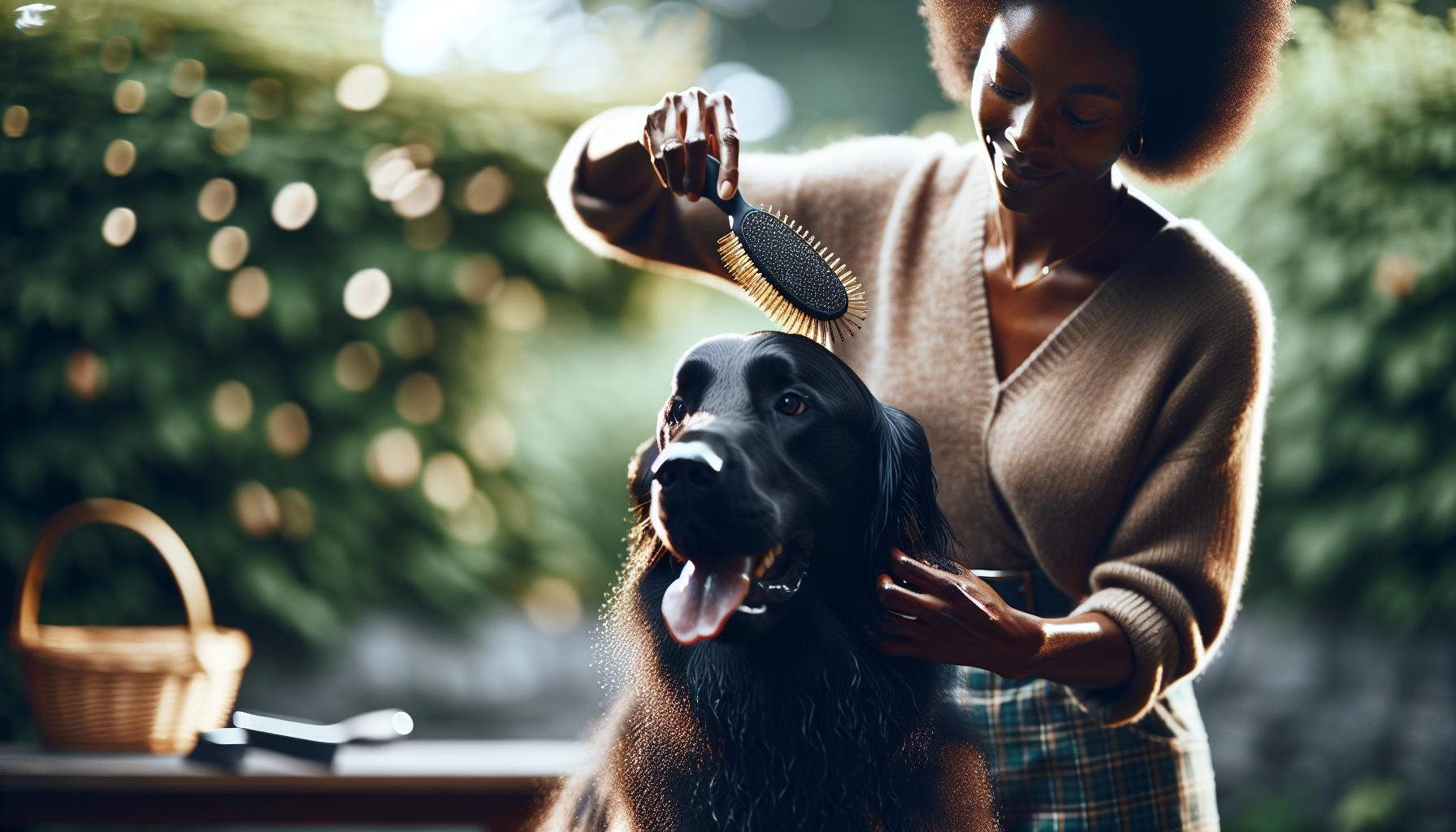
Are Flat Coated Retrievers Double Coated? Understanding Their Coat Type
Flat Coated Retrievers possess a unique and beautifully textured coat that not only defines their appearance but also influences their grooming needs. While often mistaken for being a single coat breed due to the sleekness of their fur, Flat Coated Retrievers are actually double-coated. This means they have both a dense undercoat and a protective outer coat. The outer coat is long and glossy, shedding water and dirt, while the undercoat acts as insulation, helping to regulate temperature.
Understanding this coat type is essential for owners who aspire to keep their furry friends looking their best year-round. The dual-coat structure of Flat Coated Retrievers may lead to different grooming routines depending on the season; they tend to shed heavily in the spring and fall, which can require more frequent brushing to manage loose hair and prevent matting. Regular grooming not only maintains the coat’s appearance but also fosters a close bond between you and your dog, making it a rewarding part of your routine.
In addition to regular brushing, it’s important to be aware of how factors like climate and activities affect your dog’s coat health. For instance, exposure to harsh weather can necessitate additional care to ensure that both the outer and undercoats remain healthy and vibrant. By understanding the specifics of the Flat Coated Retriever’s double coat, owners can tailor their grooming practices to celebrate the natural beauty of these remarkable dogs while ensuring their comfort and well-being.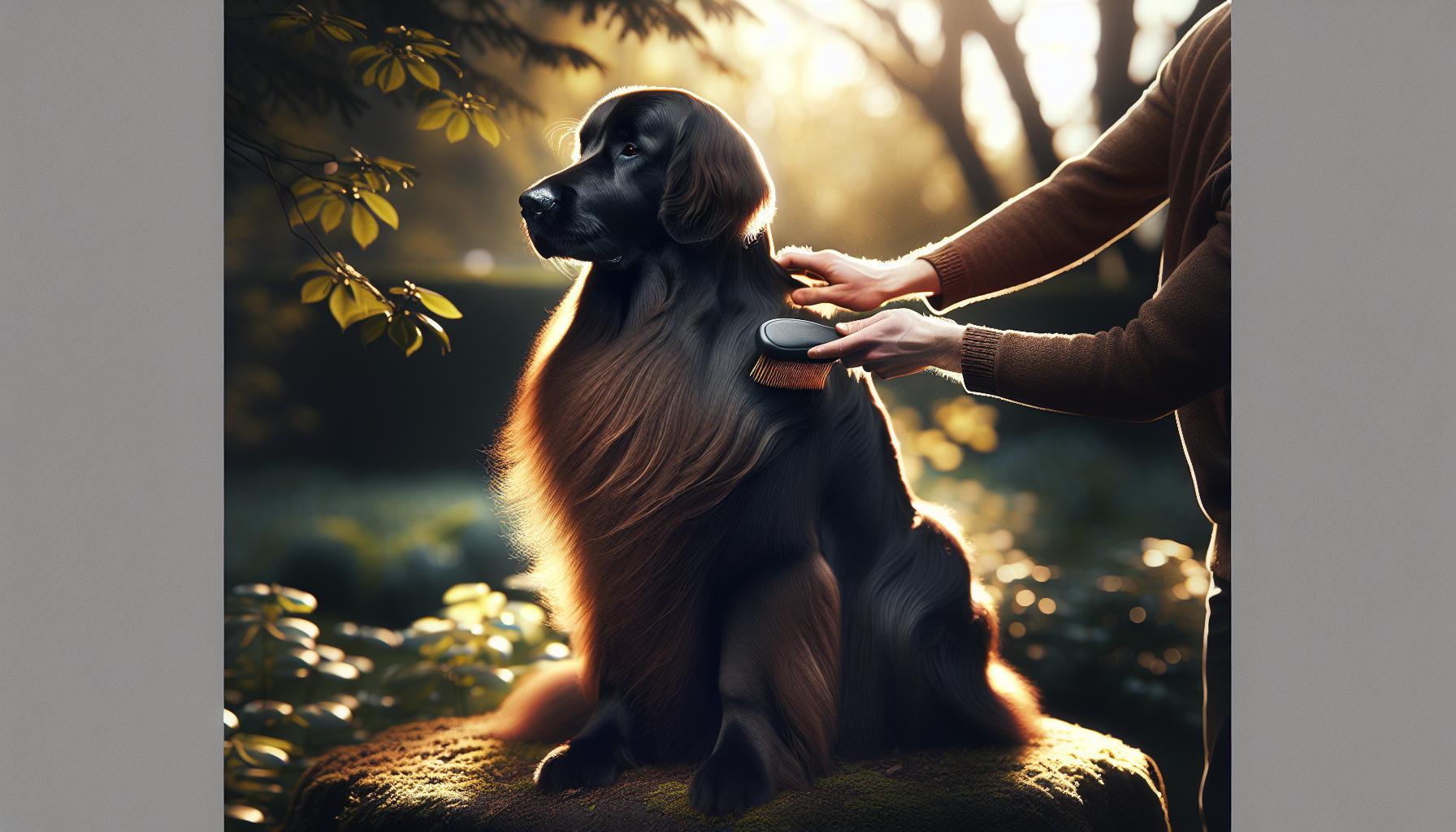
The Unique Characteristics of Flat Coated Retrievers
Flat Coated Retrievers are renowned for their dazzling charm and lively spirit, characteristics that capture the hearts of families and dog enthusiasts alike. These dogs boast a strikingly unique appearance, with their long, glossy fur that shines in the sunlight and an elegant, confident demeanor that exudes joy and friendliness. Beyond their good looks, what truly sets Flat Coated Retrievers apart is their delightful personality-their playful nature and loyalty make them wonderful companions for families, providing endless hours of fun and devotion.
Their playful disposition is complemented by a keen intelligence, making them easily trainable, though their exuberance can sometimes present a challenge. Socialization is crucial for their development, as these dogs thrive on human interaction and get along well with other dogs and pets. They are naturally inclined to play fetch, swim, and engage in various activities, requiring regular physical and mental stimulation to keep them happy and healthy. Thus, incorporating playtime into your daily routine can not only strengthen your bond with your dog but also support their overall well-being.
Moreover, their double coat serves a crucial purpose beyond aesthetics-it offers insulation from diverse weather conditions. The outer layer is designed to repel water and dirt, while the soft undercoat provides warmth during colder months. Understanding the distinctive features of the Flat Coated Retriever’s coat aids owners in determining the best grooming practices necessary for maintaining that lustrous shine. Regular grooming and care not only preserve the integrity of their coat but also promote a healthy skin environment, enhancing their joyful exuberance.
In summary, Flat Coated Retrievers are not just visually stunning; their spirited and affectionate nature, combined with their unique coat structure, makes them one of the most cherished breeds. Proper knowledge of their characteristics encourages a fulfilling partnership, ensuring they remain happy and thriving members of your family for years to come.
The Science Behind Double Coats Explained
Flat Coated Retrievers exhibit a unique double coat that serves critical functions in maintaining their health and comfort. This remarkable feature is not just for style-it plays a vital role in protecting these dogs from varying weather conditions. The double coat consists of two distinct layers: the outer coat, often referred to as the guard hair, and an undercoat made of soft, insulating fur. Understanding the science behind this coat type is essential for any Flat Coated Retriever owner, as it greatly influences grooming practices and overall care.
The outer coat is designed to be water-resistant and aid in repelling dirt and debris, which is particularly useful for a breed that loves to romp through water and vegetation. This layer helps keep your dog dry and clean during adventures, minimizing the collection of mud and other particulates. The guard hairs can effectively channel water away from the skin, providing a protective barrier. Meanwhile, the undercoat serves a vital role during colder weather; it traps heat, ensuring your dog stays warm when temperatures drop. It’s during the shedding seasons-spring and fall-that the undercoat will typically thin out to help your dog adjust to seasonal changes.
When grooming your Flat Coated Retriever, it’s crucial to use the right techniques and tools to manage this dual-layered coat. Regular brushing is recommended to prevent matting and remove loose hairs, which can be particularly abundant during shedding periods. A slicker brush or an undercoat rake can be highly effective in reaching through to both layers, promoting a healthy skin environment and maximizing the coat’s natural luster.
Understanding how to care for your dog’s double coat not only fosters a strong bond between you and your pet but also enhances your dog’s quality of life by keeping them comfortable, healthy, and looking their best. By actively engaging in their grooming routine, you will better appreciate the unique characteristics of your Flat Coated Retriever, ensuring they thrive in every season of their life.
Essential Grooming Tips for Flat Coated Retrievers
Maintaining the stunning coat of a Flat Coated Retriever requires a blend of diligence, the right tools, and a deep understanding of their unique grooming needs. Their double coat-consisting of a water-resistant outer layer and a soft, insulating undercoat-calls for a grooming routine that not only enhances their appearance but also promotes skin health. Regular grooming helps reduce shedding, mats, and tangles, allowing your dog to enjoy a comfortable and healthy coat year-round.
To keep your Flat Coated Retriever looking their best, consider following these essential grooming tips:
Regular Brushing
Make brushing a part of your regular routine at least once a week, and more frequently during shedding seasons (spring and fall). This helps manage loose hair and promotes a healthy coat. Use a slicker brush to effectively penetrate both layers of the coat. An undercoat rake can be especially beneficial during heavy shedding periods, helping to reduce the amount of fur floating around your home and keeping your dog comfortable.
Bathing Practices
Bath your dog every couple of months or as needed, depending on their activity level. Use a high-quality, dog-specific shampoo that moisturizes the skin and coat without stripping essential oils. After bathing, ensure you rinse thoroughly to avoid product buildup, which can lead to skin irritation.
Nail and Ear Care
In addition to coat care, don’t overlook other grooming aspects. Trim your Flat Coated Retriever’s nails every four to six weeks, or as needed, to prevent discomfort and injury. Pay attention to ear cleanliness as well; use a veterinarian-approved solution to wipe down the inside of the ears periodically, keeping them free from debris or wax buildup.
Healthy Diet for a Shiny Coat
Diet greatly impacts coat health. Ensure your dog receives balanced nutrition rich in Omega-3 and Omega-6 fatty acids, which contribute to a shiny, healthy coat. Lead with a high-quality dog food tailored to your Flat Coated Retriever’s needs, and consider supplementation if necessary-consult your vet for personalized recommendations.
By incorporating these grooming practices into your routine, you’ll not only enhance your Flat Coated Retriever’s appearance but also foster a deeper bond with your dog. Their joyful spirit and beautiful coat will flourish with regular care, ensuring they stay happy, healthy, and ready for their next adventure together.
How to Identify Your Dog’s Coat Type
Determining your dog’s coat type is crucial for effective grooming and overall health management, especially for Flat Coated Retrievers, known for their beautiful, flowing coats. A key characteristic of this breed is having a double coat, which consists of a longer, water-resistant outer layer and a softer, insulating undercoat. This unique structure helps maintain comfort in varying weather conditions and is essential to recognize for proper care.
To identify whether your Flat Coated Retriever has a double coat, start by gently parting the fur along the back with your fingers. You should feel a softer undercoat beneath the coarser outer layer. If your dog’s fur lays flat against the skin without any underlying fluff, it may indicate a single coat, which requires a different grooming approach. During the shedding seasons-typically spring and fall-take note of the abundance of loose hair that collects during regular grooming sessions. This shedding is more pronounced in double-coated breeds, and understanding this pattern helps you anticipate and manage grooming needs.
Pay attention also to the texture and length of your dog’s coat. The outer layer should be long and straight, while the undercoat will feel fluffy and dense. Regular brushing is not only necessary to reduce excess shedding but also helps to distribute natural oils and prevent matting, ensuring your Retriever’s coat remains beautiful and healthy. For Flat Coated Retrievers, a slicker brush is ideal for reaching through both layers, while an undercoat rake can help effectively remove loose fur and debris from the undercoat during grooming sessions.
In addition to texture, color can also change your dog’s appearance and may indicate an underlying variation. While the breed standard generally suggests a black or liver coat, some Retrievers may have unique shades or patterns, especially if mixed with other breeds. By closely observing these characteristics and incorporating appropriate grooming practices, you can enhance not just your dog’s coat quality but also strengthen the bond you share during each grooming session.
Seasonal Grooming Needs: What to Consider
The changing seasons bring about unique grooming challenges and opportunities for Flat Coated Retrievers and their owners. This breed, known for its lush double coat, requires special attention during the shedding seasons, typically in spring and fall. As the weather shifts, the coat’s texture and volume can fluctuate significantly, necessitating adjustments in grooming routines to keep your furry friend comfortable and looking their best.
During spring, many owners experience what is often referred to as “blowing the coat.” This is the natural process where the undercoat is shed to prepare for warmer temperatures. Increased shedding means more frequent brushing sessions are essential to remove loose fur and prevent matting. Aim for at least two to three grooming sessions per week during this time, using tools like an undercoat rake or slicker brush to effectively manage the shedding. This will not only keep your home cleaner but also promote healthy skin by distributing natural oils throughout the coat.
As summer approaches, your focus should shift toward maintaining coat health rather than heavy grooming. A more regular schedule can help manage the higher temperatures while ensuring your dog remains cool. Bathing becomes an important aspect of summer grooming-use a mild, dog-friendly shampoo that won’t strip the coat of its natural oils. Always ensure that your Retriever is thoroughly dried to avoid any moisture buildup, which could lead to skin issues.
When autumn rolls around, prepare for another shedding phase as your dog grows a denser undercoat for the colder months. Just as in spring, increasing grooming frequency will be critical. You’ll want to keep up with regular brushing to manage loose hairs and transitioning to a heavier coat consistency. Additionally, consider monitoring your dog’s skin condition, as changes in humidity can impact skin health.
By adapting your grooming routine to align with seasonal changes, you can help preserve the beauty and health of your Flat Coated Retriever’s coat, while also reinforcing your bond through regular grooming sessions. Embrace these opportunities to connect and ensure that your dog feels comfortable and happy throughout the year.
Best Tools and Products for Grooming
When it comes to grooming Flat Coated Retrievers, having the right tools can make all the difference in maintaining their stunning double coat. These beloved dogs not only sport a beautiful, glossy appearance, but they also require dedicated grooming to keep their fur healthy and free of mats. Choosing the best tools is essential for bonding with your pet while providing the necessary care.
To begin with, a slicker brush is a must-have in your grooming arsenal. This tool is perfect for removing loose fur and preventing tangles. Slicker brushes have fine, bent wires that can easily glide through your Retriever’s coat while being gentle on their skin. Use this brush several times a week, particularly during shedding seasons, to keep the coat smooth and manageable.
An undercoat rake is another invaluable tool, particularly for Flat Coated Retrievers, who have a thick undercoat. This rake effectively removes loose hair from the undercoat without pulling on the outer coat, reducing the chances of irritation. It’s especially useful during spring and autumn when shedding is at its peak. Regular brushing sessions with an undercoat rake can also help distribute natural oils, promoting a healthy shine.
In addition to brushes, investing in a high-quality grooming spray can significantly ease the grooming process. Look for products specifically designed for long-haired breeds that moisturize and detangle the coat. These sprays can minimize breakage and make brushing more efficient, creating a pleasant experience for both you and your dog.
Finally, a dog-friendly shampoo is essential for keeping your Flat Coated Retriever’s coat clean and healthy. Opt for a gentle, hydrating shampoo that won’t strip the natural oils away. Regular bathing-every four to six weeks, depending on your dog’s activities-should be complemented with a good conditioner to keep their fur soft and manageable.
With these tools at your disposal, grooming your Flat Coated Retriever becomes a rewarding experience that strengthens your bond while keeping their coat in pristine condition. Remember that grooming not only enhances your dog’s appearance but also contributes to their overall health and well-being, making it a fulfilling part of your routine.
Bathing Techniques for Maintaining Coat Health
Maintaining a healthy coat for your Flat Coated Retriever goes well beyond regular brushing; bathing is a critical component of their grooming regimen. Not only does it help to keep their glossy fur looking vibrant, but it also plays an important role in their overall skin health. Understanding how to properly bathe your Retriever can significantly contribute to their comfort and well-being.
Start by preparing the bathing area with all the necessary supplies within reach. You’ll need a dog-friendly shampoo designed for long-coated breeds, a conditioner to lock in moisture, and a non-slip mat to ensure your dog feels secure in the bathing area. It’s also helpful to have a detachable showerhead or a large cup for rinsing. Before getting your dog wet, brush their coat thoroughly to remove any tangles and loose hair; a smooth coat makes for a much easier bathing process.
When it’s time to bathe, the water temperature should be warm-neither too hot nor too cold. Wet your dog thoroughly, starting from the neck and working your way down. Apply a gentle shampoo, massaging it into the fur while avoiding the eyes, ears, and mouth. Be diligent in cleaning the undercoat, as this area often harbors dirt and debris. Rinse thoroughly to ensure no shampoo residue remains, which can cause skin irritation.
Once the shampoo is rinsed out, apply a high-quality conditioner to keep the fur soft and manageable. Allow it to sit for a few minutes, giving the coat the chance to absorb the benefits. Rinse again, making sure to eliminate all traces of the conditioner. After the bath, gently towel-dry your Retriever before using a pet-friendly blow dryer on a low, cool setting. This helps to avoid mats caused by damp fur and maintain the coat’s natural shine.
By incorporating these bathing techniques into your grooming routine, you can help ensure that your Flat Coated Retriever’s coat remains healthy and beautiful. Bathing not only improves their appearance but also contributes to their skin health, making it an essential practice for every loving dog owner.
Signs of Skin Issues in Flat Coated Retrievers
Detecting skin issues in your Flat Coated Retriever can make a significant difference in maintaining their overall health and comfort. Given their beautiful, flowing coats, it’s essential to be vigilant, as various skin conditions can easily go unnoticed under the dense fur. Regular grooming not only helps in managing their coat but also provides an excellent opportunity to inspect the skin beneath for any anomalies.
Pay close attention to any signs of irritation or changes in the skin’s texture. Common indicators include:
- Redness or Inflammation: Look for any areas that appear inflamed or overly red, signaling potential irritation or infection.
- Flaky or Scaly Skin: Dry, flaky patches may indicate conditions like dermatitis or allergies, particularly if a specific area is affected.
- Excessive Scratching or Biting: If your dog is frequently scratching or biting at certain spots, it might be a sign of itchiness due to allergies, fleas, or skin infections.
- Hot Spots: Localized areas of redness that are warm to the touch can be especially concerning; these are often called hot spots and represent areas of acute inflammation.
- Hair Loss: Patches of hair loss may suggest a range of issues, from simple irritation to more serious conditions like fungal infections or hormonal imbalances.
- Odor: A strong, foul smell from your dog’s skin or coat can indicate an infection, often requiring immediate veterinary attention.
It’s crucial to understand that early detection is key. If you observe any of these signs, consult with your veterinarian promptly to ensure your pup receives the necessary care. Regular grooming sessions not only serve as a bonding experience but also as a proactive measure to keep your Flat Coated Retriever healthy. With their unique coat requirements, understanding the signs of skin issues will help you maintain that beautiful shine while prioritizing their skin health. Your furry friend will thank you for the extra care and attention!
The Role of Diet in Coat Health and Grooming
A well-balanced diet is a cornerstone of maintaining the health and luster of your Flat Coated Retriever’s coat. These dogs are known for their magnificent flowing hair, and what goes into their bodies significantly influences the condition of their skin and fur. Just as a painter mixes the perfect colors to create a stunning masterpiece, providing the right nutrients will keep their coat in top shape, producing a glossy shine and preventing common skin issues.
Essential fatty acids, particularly Omega-3 and Omega-6, play a crucial role in coat health. These fats help to nourish the skin from the inside out, reducing inflammation and promoting a healthy fur coat. Incorporating sources of these fatty acids into your dog’s diet-such as fatty fish like salmon, flaxseed oil, or fish oil supplements-can yield wonderful results. You might notice less itching, refreshed skin, and less shedding if you incorporate these nutrients into their meals consistently.
Key Nutritional Elements
To further enhance coat health, consider the following vital dietary components for your Flat Coated Retriever:
- High-quality Protein: Protein is essential for hair growth and strength. Select dog foods that list high-quality protein sources, like chicken, lamb, or beef, as the first ingredient.
- Vitamins: Vitamins A, E, and B complex are significant contributors to skin health. Foods rich in these vitamins help maintain moisture in the coat and skin while promoting healthy cell function.
- Minerals: Zinc and copper are crucial for skin health and coat color. These minerals can help prevent skin conditions like dermatitis, contributing to a radiant coat.
Proper hydration is equally vital for your dog’s overall health and coat condition. Ensure your Flat Coated Retriever has access to fresh, clean water throughout the day, as hydration aids in the internal processes necessary for maintaining healthy skin and a vibrant coat.
By paying close attention to dietary choices and considering supplements when necessary, you can significantly impact your dog’s coat health. Remember that a nutritious diet not only supports a beautiful appearance but also strengthens their overall well-being. As you enrich your Flat Coated Retriever’s diet, you’ll be rewarded with a happy and healthy companion whose coat reflects the love and care you’ve provided.
Common Grooming Mistakes and How to Avoid Them
Grooming your Flat Coated Retriever can be a joyous experience, but common pitfalls can turn this routine into a frustrating challenge. One major mistake many owners make is neglecting to establish a consistent grooming schedule. These dogs benefit greatly from regular grooming sessions, ideally at least once a week, to keep their silky fur free from mats and tangles, which are particularly prone in areas where dirt and moisture accumulate. By instituting a predictable time for grooming, your dog will become accustomed to it, making the process smoother and more enjoyable for both of you.
Another frequent error is using the wrong grooming tools. Flat Coated Retrievers have a unique feathered coat that requires specific brushes to maintain its luscious appearance. A slicker brush paired with a wide-toothed comb is ideal for detangling without damaging their hair. Using inappropriate tools can lead to skin irritation or even breakage. Additionally, be mindful of how hard you brush; using excessive force can create discomfort for your dog. Always brush in the direction of hair growth and be gentle to promote a positive grooming experience.
Overbathing
Overbathing is yet another common mistake that can compromise your dog’s coat health. While it might seem logical that frequent baths keep your dog’s coat clean, overbathing can strip away natural oils essential for skin and coat health. Aim to bathe your Flat Coated Retriever every 4 to 6 weeks, using a high-quality, breed-appropriate shampoo that nourishes and hydrates without leaving residues. Pay attention to any signs of irritation, as they may also indicate that a change in your bathing routine is necessary.
Ignoring Skin Health
Lastly, many owners overlook the health of their dog’s skin while focusing on their coat. Skin issues often stem from diet, environmental factors, or allergies, which can lead to excessive itching and discomfort. Regularly inspect your dog for signs such as redness, flakiness, or unusual odors, and consult your veterinarian if you notice any abnormalities. A holistic approach that includes a well-balanced diet rich in Omega-3 and Omega-6 fatty acids, alongside regular grooming, can significantly enhance both skin and coat health.
By recognizing these common grooming mistakes and addressing them accordingly, you can ensure that your Flat Coated Retriever’s grooming routine not only keeps them looking their best but also supports their overall well-being. A well-groomed dog radiates health and happiness, creating an even stronger bond between you and your beloved companion.
Understanding Shedding Patterns in Flat Coated Retrievers
Understanding the shedding patterns of Flat Coated Retrievers is vital for maintaining a clean and healthy environment for both your dog and your home. Known for their flowing, beautiful coats, these dogs exhibit a shedding pattern that surprises many first-time owners. Unlike shorter-haired breeds, Flat Coated Retrievers have a distinct shedding cycle that can vary throughout the year, notably increasing in the spring and fall as they prepare for warmer or cooler weather.
Despite the allure of their long, shiny fur, it’s essential to know that these dogs shed moderately year-round but experience heavier shedding during coat changes. This natural occurrence is typical in double-coated breeds, where undercoats and outer coats cycle separately, leading to an increased amount of loose fur. Regular grooming can help manage this shedding. Aim for bi-weekly brushing sessions using a slicker brush and a comb suited to their feathered coat. Not only will this keep loose hair at bay, but it also promotes skin health by distributing natural oils and reducing mats.
Understanding the Shedding Cycle
The shedding cycle in Flat Coated Retrievers generally follows seasonal patterns. Here are some nuances to consider:
- Spring Shedding: As warmer weather approaches, your Flat Coated Retriever will shed their dense winter undercoat. This transition can lead to an abundance of fur around your home, making regular brushing crucial.
- Fall Shedding: In preparation for winter, they will shed again, this time to make way for a denser undercoat. Similar to spring, this can result in increased shedding.
- Year-Round Shedding: While the seasonal peaks are more noticeable, expect some shedding consistently throughout the year, necessitating regular grooming to keep their coat healthy.
Managing Shedding Effectively
To manage shedding effectively, invest in quality grooming tools designed for double-coated breeds. Utilize a de-shedding tool during peak shedding seasons to strip away the loose fur efficiently. Additionally, incorporating a well-balanced diet rich in Omega fatty acids can support skin health, leading to a healthier coat with less shedding. Ensure that your dog stays hydrated, as proper hydration aids overall skin functionality.
Understanding the shedding patterns of your Flat Coated Retriever will not only help manage the amount of fur in your home but will also strengthen the bond between you and your furry companion. Embrace the grooming routine, as it’s an excellent opportunity to check for any skin issues while enjoying special moments with your dog. Regular care and attention will ensure your Flat Coated Retriever continues to shine, both in appearance and health.
Expert Advice for Grooming Show Quality Flat Coated Retrievers
Achieving show-quality grooming for Flat Coated Retrievers doesn’t just enhance their striking appearance; it also reflects the dedication and care owners have for this magnificent breed. To ensure your dog stands out in the ring, a systematic approach to grooming is essential. Start with a strong foundation by committing to a regular grooming schedule, ideally at least once a week, to maintain their stunning coat and to build a trusting bond between you and your dog.
When brushing, prioritize tools that cater to their double coat. A high-quality slicker brush effectively removes loose hair and detangles knots, while a pin brush helps distribute natural oils throughout the coat, giving that glossy finish. Remember to pay special attention to the feathering on their legs, chest, and tails, which often require more effort to detangle. Regular grooming not only keeps their coat in top condition but also serves as a chance to check for skin irritations or parasites.
Techniques for Show-Ready Coats
To enhance the overall appearance of your Flat Coated Retriever, consider these grooming techniques:
- Bathing: Use a gentle, breed-appropriate shampoo that helps maintain the natural oils in their coat. Bathing should generally occur every six to eight weeks, or more frequently if they have an active lifestyle that leaves them muddy.
- Drying: After bathing, gently towel-dry your dog before using a blow dryer on a low, cool setting. This helps fluff their coat without damaging it. Keep the dryer moving to avoid overheating any area.
- Trimming: Regularly check for unruly hairs around the paws and ears, and trim them for a polished look. This can elevate the overall appearance and make your dog more presentable in the show ring.
Connecting with Experts
For those aspiring to compete, seeking guidance from professional groomers or breed handlers can make a significant difference. They can provide insights into breed standards and offer hands-on training to refine your technique. Attending grooming workshops or seminars can further enhance your skills and understanding of what the judges look for.
Ultimately, grooming should be a shared experience that reinforces your bond with your Flat Coated Retriever. With patience and practice, you’ll not only achieve a show-quality look but also ensure your dog feels loved and cared for throughout the grooming process.
Q&A
Q: Are Flat Coated Retrievers considered to have a double coat?
A: Yes, Flat Coated Retrievers are considered to have a double coat. They possess a dense, water-resistant outer coat and a softer undercoat, which provides insulation and protection against the elements. Regular grooming helps maintain this coat and prevents matting.
Q: What seasonal grooming needs do Flat Coated Retrievers have?
A: Seasonal grooming for Flat Coated Retrievers involves more frequent brushing during shedding seasons-spring and fall. During these times, ensure to remove loose undercoat fur to prevent mats and skin issues. Adjust bath frequency to keep their coat healthy year-round.
Q: How often should I groom my Flat Coated Retriever?
A: Groom your Flat Coated Retriever at least once a week to manage shedding and keep their coat healthy. During peak shedding seasons, more frequent brushing is recommended to effectively remove dead hair and prevent matting.
Q: What tools are best for grooming a Flat Coated Retriever?
A: Use a slicker brush and a de-shedding tool for grooming your Flat Coated Retriever. A wide-toothed comb can help with any tangles, especially in the undercoat. These tools effectively manage their thick, double coat and maintain a polished appearance.
Q: How do I prevent skin issues while grooming my Flat Coated Retriever?
A: To prevent skin issues, always brush your Flat Coated Retriever’s coat gently and avoid pulling on mats. Regular bathing with a mild dog shampoo also helps keep their skin healthy. Check for any signs of irritation or redness during grooming sessions.
Q: What is the best way to bathe a Flat Coated Retriever?
A: Bathe your Flat Coated Retriever every 4-6 weeks using a dog-specific shampoo. Ensure to rinse thoroughly to remove residues that can irritate their skin. Use a detachable shower head or a bucket for easy rinsing while keeping your dog comfortable.
Q: What are common grooming mistakes to avoid with Flat Coated Retrievers?
A: Common grooming mistakes include neglecting the undercoat, over-bathing, and using human shampoos. Ensure to brush thoroughly to avoid mats and maintain a balanced bathing routine to protect their skin’s natural oils.
Q: How can diet influence the coat health of Flat Coated Retrievers?
A: A well-balanced diet rich in omega-3 and omega-6 fatty acids positively impacts coat health. Foods high in these nutrients can reduce shedding and promote a shiny, healthy coat. Always consult your veterinarian for personalized dietary recommendations.
To Conclude
As we wrap up our exploration of Flat Coated Retrievers and their grooming essentials, remember that proper care of their unique double coat not only enhances their looks but also boosts their overall health and happiness. If you’re eager to dive deeper into Golden Retriever care or learn more about effective grooming techniques, be sure to check out our articles on “Nutrition Essentials for Golden Retrievers” and “Training Your Golden: Tips from the Pros.”
Don’t forget to subscribe to our newsletter for expert tips delivered right to your inbox, and feel free to share your thoughts or questions in the comments below. Your engagement helps us create a community of passionate Golden Retriever owners. Together, let’s celebrate the extraordinary bond we share with these loving companions-your journey with your furry friend just gets better from here!