Golden Retrievers are renowned for their friendly nature, but their boundless energy and enthusiasm for life also make them one of the most active dog breeds. Understanding their exercise needs is essential for keeping these joyful companions happy and healthy. Regular physical activity not only helps maintain their physical health but also promotes mental stimulation and good behavior. As a prospective or current Golden Retriever owner, knowing how much exercise your furry friend requires can lead to a stronger bond and a more fulfilling life together. This article will reveal the unique exercise needs of Golden Retrievers, ensuring you can provide the optimal care and lifestyle your beloved dog deserves. Dive in to discover how to keep your Golden Retriever active, engaged, and thriving!
Are Golden Retrievers Naturally Energetic?
Golden Retrievers are renowned for their exuberant nature and zest for life, often embodying the perfect blend of energy, intelligence, and friendliness. This breed, originally developed for retrieving game, thrives in environments where they can burn off their boundless energy through exercise and play. Naturally energetic, Golden Retrievers require regular physical activity not only to maintain optimal health but also to stay mentally stimulated.
It’s essential to recognize that their energetic disposition can vary slightly between individual dogs, influenced by factors such as age, health, and lifestyle. While most Golden Retrievers are enthusiastic participants in physical activities, some may exhibit more laid-back tendencies, particularly as they age. From playful puppies to spirited adults, these dogs love to engage in games of fetch, swimming, and even agility training. Such activities not only satisfy their exercise needs but also strengthen the bond between them and their owners.
Providing consistent exercise not only helps manage their energy levels but also contributes to their overall well-being. Daily walks, play sessions, or visits to the dog park can work wonders in keeping your Golden active and happy while reducing the likelihood of behavioral issues that stem from boredom or pent-up energy. By understanding and catering to their energetic nature, you can foster a fulfilling and joyful life for your Golden Retriever.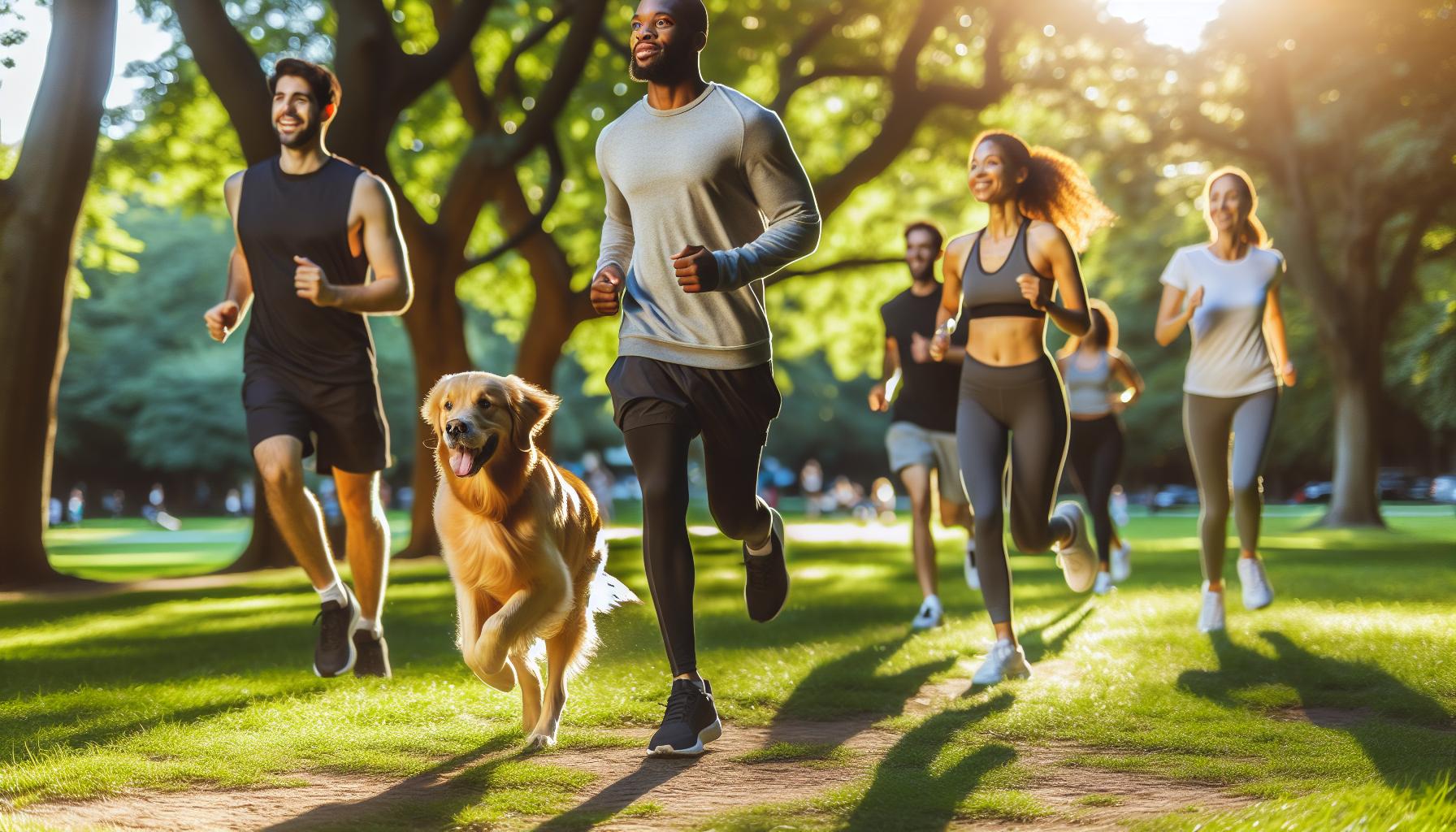
Understanding Golden Retriever Exercise Requirements
Golden Retrievers are a breed that thrives on activity; their inherent enthusiasm for play and exercise reflects their origins as hunting and retrieving companions. Understanding their exercise requirements is crucial to ensuring that they lead healthy, fulfilled lives. These dogs are not only physically energetic but also mentally stimulated by their activities, making regular exercise a non-negotiable part of their care.
To maintain a balanced lifestyle, Golden Retrievers generally require at least 1 to 2 hours of exercise every day. This can vary based on their age, health status, and individual personality. Younger, more energetic puppies and adults will need consistent activity to help them burn off their abundant energy, while older dogs may prefer gentler but still regular forms of exercise like leisurely walks or playtime in the yard. Incorporating structured routines into their daily lives not only increases their physical fitness but fosters a deeper bond between the dog and its owner.
When planning exercise, it’s beneficial to include a mix of activities that challenge both the body and mind. Activities such as fetch, swimming, or running combine physical exertion with excitement, whereas interactive puzzle toys or agility training can fulfill their mental stimulation needs. Here are some examples of activities to consider:
- Daily Walks: Aim for at least 30-60 minutes per walk.
- Fetch and Retrieve Games: Engaging in these games allows them to utilize their natural instincts while providing physical exercise.
- Swimming: A great low-impact activity, particularly enjoyable for Golden Retrievers who are naturally fond of water.
- Agility Training: Setting up simple courses can stimulate both their minds and bodies, enhancing coordination and focus.
Recognizing their exercise needs is foundational in preventing behavioral issues that often arise from boredom or pent-up energies, such as destructive chewing or excessive barking. By adhering to these principles, owners can create an enriching environment that acknowledges the vigor and vibrant spirit of Golden Retrievers, allowing them to flourish as loving and active family members.
Daily Exercise: How Much Is Enough?
To truly understand the exercise needs of Golden Retrievers, consider their incredible lineage as retrieving dogs. These canines were bred for endurance and playfulness, making physical activity essential not only for their health but also for their overall happiness. On average, daily exercise should encompass at least 1 to 2 hours, adaptable to the specific needs dictated by age, health status, and individual temperament. This energetic breed thrives with an outlet for their enthusiasm, and consistent exercise can effectively channel their abilities, resulting in a more balanced companion.
Younger Golden Retrievers, brimming with vitality, benefit from a variety of activities that can exhaust their boundless energy. Adult dogs, too, need ample opportunities to engage in vigorous play and structured exercises. Activities like fetch and swimming are particularly suited for Golden Retrievers, using their natural instincts while providing a full-body workout. Incorporating structured routines, such as daily walks of 30 to 60 minutes each, helps engender discipline in their exercise habits. For older Goldens, however, it’s vital to introduce gentler yet regular forms of exercise-think leisurely strolls or playtime in a fenced yard-to accommodate their fading stamina and joint health.
The importance of variety in their exercise cannot be overstated. Engaging in different types of activities not only bolsters their physical fitness but also provides mental stimulation, essential for a breed that thrives on interaction. Consider incorporating agility training or scent games to keep their minds active while honing their physical skills. A well-rounded exercise regimen can prevent behavioral problems often stemming from boredom or lack of stimulation. Consequently, adapting their exercise routine-balancing vigorous play with gentle activities-ensures that each Golden Retriever can lead a healthy, joyful life alongside their loving families.
Ultimately, striking a harmonious balance in daily exercise will enhance the well-being of Golden Retrievers, celebrating their active spirits while fostering stronger bonds with their owners. By recognizing and responding to their exercise needs, you’ll nurture a fulfilling life for your furry friend and pave the way for countless joyous memories together.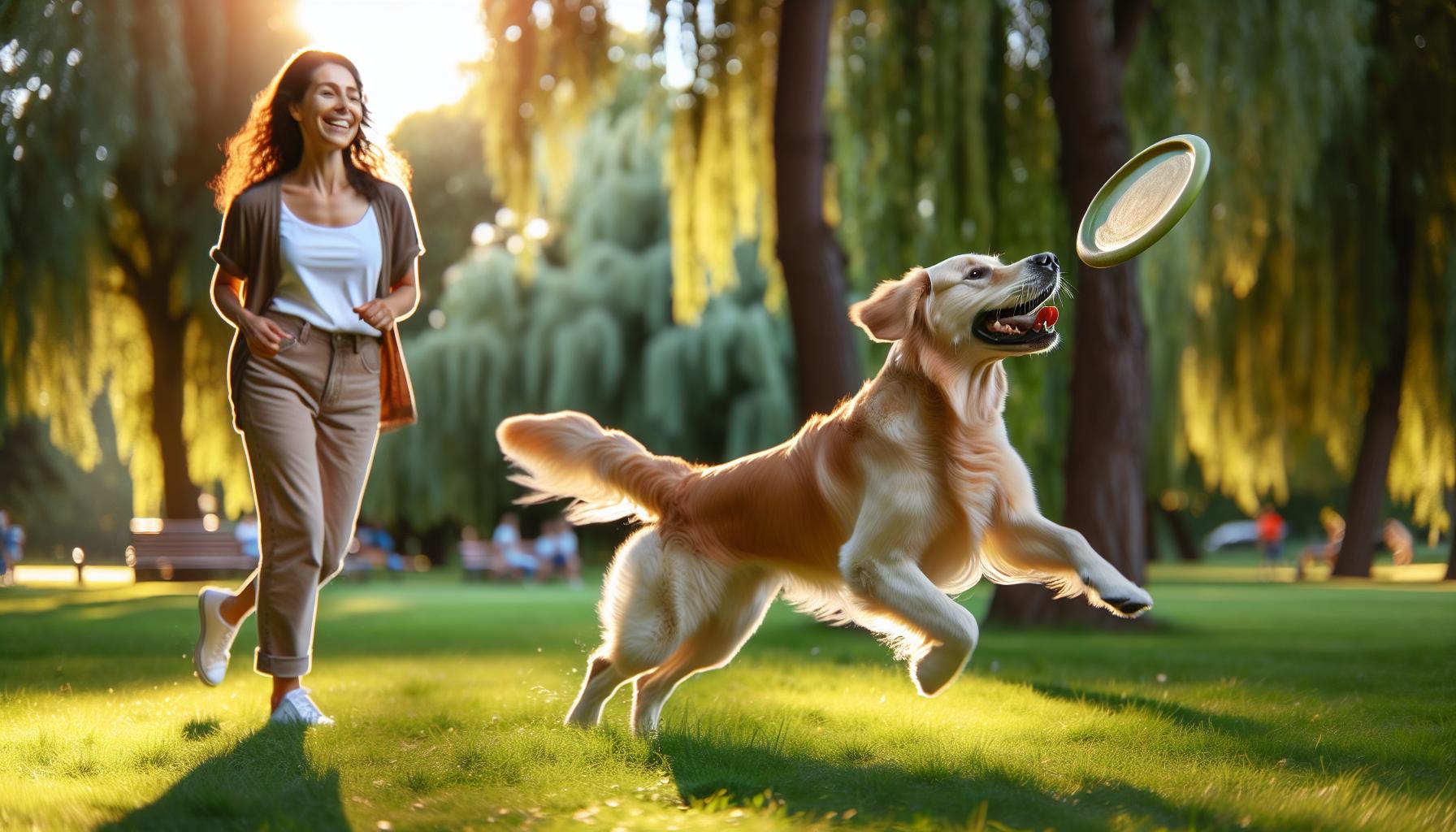
The Best Activities for Golden Retrievers
Golden Retrievers are renowned for their exuberance and playful spirit, making them one of the most active dog breeds. Engaging in activities that stimulate both their bodies and minds is essential for their well-being. To harness their energy effectively, owners can explore a wide variety of enjoyable pursuits tailored to their golden companions.
One of the best ways to exhaust a Golden Retriever’s energy is through their instinctual love for fetch. This classic game allows them to run, retrieve, and bond with their owners. You can elevate this activity by using different fetch toys, from balls to frisbees, and even incorporating water play with floating toys, enhancing the fun and physical challenge. Additionally, agility training is another excellent activity that not only provides rigorous physical exercise but also sharpens their mental acuity. Setting up a backyard course with tunnels, jumps, and weave poles can transform playtime into a stimulating challenge, strengthening your dog’s obedience and agility.
Water activities are particularly enjoyable for Golden Retrievers, given their affinity for swimming. Whether it’s a pond, lake, or pool, swimming is a fabulous way for your dog to exert energy without straining their joints. Organized swimming sessions or beach outings allow for safe splashing while facilitating a great workout. Remember to provide appropriate life vests for added safety, especially in deep waters.
For well-rounded development, mental stimulation activities are just as critical as physical exercise. Incorporate puzzle toys that challenge their problem-solving abilities, or engage in scent games where they can follow their nose to find hidden treats around the house or yard. These activities enrich their daily routines and can help prevent destructive behaviors caused by boredom.
Lastly, participating in dog sports such as obedience trials, flyball, and rally can foster both fitness and socialization. These events allow Golden Retrievers to showcase their skills while interacting with other dogs and owners, reinforcing their well-deserved spot as active and happy family members. By diversifying your Golden’s activities, you’ll not only meet their exercise needs but also create lasting memories and strengthen your invaluable bond.
Recognizing Signs of Underexercised Dogs
Golden Retrievers thrive on activity and engagement, but when their exercise needs are not met, they can exhibit some telltale signs that may concern their owners. Recognizing these signs early can help ensure your furry friend remains healthy and happy. A bored or underexercised Golden may start showing behaviors such as excessive barking, destructive chewing, or digging. These actions are not merely mischievous but serve as outlets for pent-up energy that isn’t being adequately channelized through physical activity.
Another significant indicator of an underexercised dog is heightened anxiety or restlessness. Is your Golden pacing around the house or becoming overly clingy? Such behavior often signals that they have excess energy and are seeking ways to release it. Likewise, you’ll likely notice an increase in hyperactivity, where your dog bounces off the walls or engages in frantic running without a clear purpose. These episodes of excitement and restlessness can be signs that their daily exercise regime is not sufficient.
Additionally, weight gain can be a gradual yet concerning consequence of insufficient activity. While Golden Retrievers are naturally robust dogs, a lack of exercise can lead to unhealthy weight accumulation, which in turn places strain on their joints and can lead to further health complications. Regular weigh-ins and body condition assessments can help you monitor your dog’s weight and encourage timely adjustments to their exercise routine.
Finally, the lethargy displayed within your dog after playtime could mean that they are not getting enough exercise throughout the day. If your Golden sleeps excessively or appears disinterested in play during times they would typically be active, this may indicate that their regular exercise schedule needs a boost. Understanding these signs allows you to take proactive measures, ensuring that your Golden Retriever leads a vibrant, active lifestyle that meets their unique physical and mental needs.
Puppy Exercise Needs: Starting Healthy Habits
Starting your Golden Retriever puppy on the right path to fitness is essential for their physical and mental well-being. Early habits can set the foundation for a lifetime of health and happiness. Golden Retrievers are naturally energetic, and as a breed known for their playful spirit and friendly demeanor, they thrive on both physical exercise and mental stimulation. Initiating a balanced routine while your puppy is still developing helps regulate energy levels and fosters a bond between you and your furry friend.
During the crucial early months, focus on short, engaging activities that excite your puppy without overwhelming them. Aim for several 5 to 10-minute sessions of play throughout the day, gradually increasing the duration as they grow. Incorporate a variety of activities to stimulate their mind as well-games like hide and seek or introducing them to basic commands not only tire them out but also enhance their learning experience. Socialization is equally important; expose them to different environments, people, and other animals to enrich their experience and help them grow into well-adjusted adults.
Ensure each exercise session ends on a positive note, which reinforces their love for activity. This can include praise, treats, or some snuggle time after play. Puppies are quick learners, and positive reinforcement will create a lifelong enthusiasm for exercise. While it’s essential to tailor their exercise regimen to accommodate their energy levels and growing bodies, remember that every puppy is unique. Pay attention to your puppy’s cues, and adjust the activities according to their comfort and interest.
Incorporating these methods promotes a healthy lifestyle for your Golden Retriever, laying a strong foundation for their future. Engaging in playful activities will not only help keep your puppy fit but will also make exercise a fun and rewarding part of their daily routine, creating a solid bond that lasts a lifetime.
Senior Golden Retrievers: Adapting Exercise for Age
As Golden Retrievers age, their exercise needs change, but they still thrive on physical activity, albeit in more moderated forms. Senior Goldens may not possess the same boundless energy as their younger counterparts, yet they remain playful and eager for engagement. It’s essential to adapt their exercise routines to ensure they remain healthy, happy, and mentally stimulated while respecting their new limitations. A balanced approach fosters the enduring bond between you and your furry friend, promoting both physical health and emotional well-being.
To effectively adapt exercise for senior Golden Retrievers, focus on low-impact activities that maintain joint health without causing strain. Short walks are ideal-aim for multiple 15 to 20-minute strolls per day instead of one long outing. This allows your dog to enjoy fresh air and new smells without overexertion. Additionally, consider activities like gentle swimming, which is excellent for low-impact exercise, or engaging them in modified games such as fetch, using softer balls that are easier on their joints. Always monitor their energy levels and let them dictate the pace; a leisurely sniff around the park can be just as fulfilling as a vigorous chase.
It’s also vital to incorporate mental stimulation into their routines as cognitive function can decline with age. Simple puzzle toys or games that encourage problem-solving can keep them engaged and mentally vibrant. Training exercises that reinforce commands already known can also help stimulate their mind while ensuring they stay familiar with positive behaviors. Lastly, adjust your expectations and remain adaptable; some days they may feel more sprightly, while on others, they might prefer a cozy nap. Always prioritize comfort and health, recognizing that each dog is unique and may require tailor-made approaches to their exercise regimen as they age.
Mental Stimulation: Balancing Physical Activity
The energetic spirit of Golden Retrievers goes hand in hand with their intelligence, making them one of the most joyful and interactive breeds. While physical activity is critical to keeping these dogs in shape, mental stimulation is equally important for their overall well-being. Without adequate mental engagement, even the most active Golden can become bored or develop behavioral problems. It’s essential to strike a balance between physical exercise and fulfilling their cognitive needs to nurture a happy and healthy companion.
Incorporating mental stimulation can be as straightforward as integrating puzzle toys into their day. These toys not only keep your Golden mentally engaged but also encourage problem-solving skills. For instance, treat-dispensing toys can provide hours of entertainment while rewarding your dog for their efforts. Additionally, teaching new commands or tricks can serve as both a training exercise and a fun way to bond. This kind of mental workout can tire them out just as effectively as a long walk or run.
Games like hide-and-seek can also become a favorite pastime, blending physical activity with mental engagement. Hiding treats around the house or garden encourages your dog to use their nose and instincts, providing mental challenges that reflect their natural behaviors. Remember, social interactions with other dogs and people are key-group playdates not only satisfy their need for exercise but also allow them to learn from their peers and refine their social skills.
Ultimately, recognizing each dog’s unique personality will help you tailor activities that resonate with them. Spend time observing what captures their attention and enthusiasm, and mix things up to keep the routine fresh and exciting. By balancing physical activity with stimulating mental exercises, you’ll ensure that your Golden Retriever thrives in both body and mind, strengthening the bond you share through engaging experiences.
Seasonal Considerations for Outdoor Exercise
As the seasons change, so do the outdoor exercise needs and opportunities for your Golden Retriever. Each season brings unique weather conditions that can influence how you engage your furry friend in physical activity. Golden Retrievers thrive on exercise, and adapting your routines to fit seasonal realities is vital for their health and happiness.
In the warmer months, such as spring and summer, the need for hydration becomes essential. While your Golden may love to run and play, it’s important to plan outdoor activities during cooler parts of the day to avoid overheating. Early mornings or late evenings are ideal for walks or playtime. Additionally, incorporate water activities like swimming, which not only cools them off but also provides excellent full-body exercise. Always have fresh water available and watch for signs of heat exhaustion, such as excessive panting or lethargy.
As autumn rolls in, the cooler temperatures are perfect for long hikes and nature walks. This is also a great time to explore new environments; the crisp air and changing leaves can invigorate both you and your dog. Enjoy activities like fetch in open fields or agility courses that encourage them to channel their energy as they adapt to the seasonal shifts. However, be mindful of allergens such as fallen leaves or pollen and avoid areas that might be heavy with them if your Golden has sensitivities.
Winter poses its own challenges but also offers fun opportunities for exercise. When the ground is snow-covered, your Golden can run and play in the snow, enjoying the natural instinct to retrieve. Ensure they are warm enough, particularly if temperatures dip significantly, and consider dog booties to protect their paws from ice and salt. Shorter but more frequent play sessions may be ideal during cold snaps to keep them engaged without risking frostbite.
Maintaining a flexible exercise routine that adapts to the seasons not only keeps your Golden Retriever physically fit but also mentally stimulated and enriched. Embrace the beauty of each season, and engage actively with your Golden in different outdoor settings. This not only nurtures their physical needs but also strengthens the bond you share, contributing to their overall well-being and happiness.
Socializing Your Golden Retriever Through Exercise
Engaging in regular exercise not only meets the physical needs of your Golden Retriever but also serves as a pivotal opportunity for socialization. These friendly and outgoing dogs thrive on interactions with both humans and other pets, and exercise routines can be a wonderful way to facilitate these connections. Whether it’s visiting a dog park, participating in group training classes, or simply enjoying a walk in a neighborhood bustling with activity, socializing through exercise enriches their lives and fosters positive behaviors.
One of the most effective ways to socialize your Golden is through playdates with other dogs. Creating opportunities for your dog to interact with peers can be as simple as inviting a fellow dog owner to a local park. Supervised play allows your Golden to develop important social skills like communication and boundaries while expending energy in a fun and enjoyable way. Consider joining local dog clubs or groups where your Golden can engage with a variety of dogs, which is particularly beneficial during their early developmental stages.
Additionally, enrolling in obedience classes not only provides essential training but also enhances your Golden’s social skills. These classes usually involve activities that encourage dogs to work together while reinforcing commands and commands. The shared experiences of learning in a group setting can deepen the bond between your Golden and other dogs, promoting a healthy and sociable demeanor.
To keep things dynamic and enjoyable, explore organized dog sports like agility, flyball, or tracking. These activities challenge your Golden mentally while offering a structured environment to socialize. The thrill of competition can bring out their spirited nature and bolster their confidence among other dogs and new environments.
Above all, be observant and responsive to your Golden’s social needs. Every dog is unique, and some may take to socializing more naturally than others. Positive reinforcement, patience, and a celebratory approach will ensure that your dog looks forward to these experiences. With consistent effort, you can cultivate a well-rounded, happy Golden Retriever who thrives on connection and activity, embodying the best traits of this beloved breed.
Creating a Customized Exercise Plan
Creating an exercise plan tailored for your Golden Retriever is essential to ensuring they remain happy, healthy, and well-adjusted. These dogs are naturally energetic, requiring not just physical workouts but a blend of activities that challenge both their bodies and minds. When designing a customized exercise plan, consider factors such as your dog’s age, health, energy levels, and personality, which can significantly influence their exercise needs.
Begin by establishing a routine that incorporates a variety of physical activities. Golden Retrievers typically thrive on 30 to 60 minutes of exercise daily. This can include brisk walks, jogs, or fun games in the backyard. For example, activities like fetch or frisbee not only burn off energy but also provide mental stimulation and foster your bond. To keep your furry friend engaged, try rotating activities throughout the week to include hiking, swimming, or even dog sports like agility training or flyball, which can be particularly exciting for them.
Additionally, pay attention to your dog’s cues. If a walk results in your Golden still bouncing off the walls, it may be time to augment their routine with more vigorous activities or extended play sessions. Conversely, senior Golden Retrievers may need gentler exercises like short walks or swimming sessions to keep them active without overexertion. Always prioritize their safety by monitoring outdoor conditions during extreme weather, adjusting your plans accordingly to maintain a fun and safe exercise environment.
Lastly, don’t overlook the importance of mental stimulation in your dog’s exercise plan. Incorporate activities that challenge their intellect, such as puzzle toys, scent games, or training new tricks. These exercises not only provide the mental engagement they crave but also tire them out in a different way, creating a well-rounded approach to keeping your Golden Retriever happy and healthy.
Common Mistakes in Golden Retriever Exercise Routine
Understanding the exercise needs of Golden Retrievers is crucial for their well-being, yet many owners inadvertently overlook some common mistakes that can undermine their dog’s physical and mental health. One frequent error is underestimating the amount of exercise these dogs truly require. Their natural energy and enthusiasm mean that simply letting them out in the yard for a few minutes might not suffice. Aim for at least 30 to 60 minutes of structured exercise daily, but keep in mind that many Golden Retrievers would benefit from even more vigorous activity, especially if they haven’t had a proper outlet for their energy.
Another mistake is focusing solely on physical activity while neglecting mental stimulation. Golden Retrievers are intelligent dogs that thrive on challenge; without mental engagement, they can become bored and frustrated, leading to undesirable behavior. Incorporate activities that stimulate their minds, such as puzzle toys, scent games, or obedience training. For instance, rotating in different types of games like hide and seek or teaching them new tricks can keep them engaged and prevent the restlessness that sometimes comes with intelligent breeds.
Overworking or pushing a senior or puppy too hard is also a common pitfall. Each stage of life demands a tailored approach to exercise. Senior Golden Retrievers may require lower-impact activities, such as leisurely walks or aquatic exercises, to keep their joints active without overstraining them. Conversely, puppies should be slowly introduced to strenuous activities as they develop, with plenty of breaks to prevent fatigue and ensure their growing bodies are not overwhelmed.
Finally, failing to adapt exercise routines seasonally can impact your dog’s enjoyment and safety. Hot weather can pose risks, so consider early morning or late evening walks, while winter may require shorter yet more frequent sessions to prevent frostbite or injury. By being aware of these common mistakes, you can create an enjoyable and effective exercise routine that celebrates your Golden Retriever’s spirit and drives their happiness and health.
FAQ
Q: How much exercise does a Golden Retriever need daily?
A: Golden Retrievers typically require at least 1 to 2 hours of exercise each day. This includes walking, playing fetch, and other activities that stimulate their minds and bodies. Maintaining a consistent exercise routine is crucial for their overall health and happiness.
Q: What are the best activities for Golden Retrievers to stay fit?
A: The best activities for Golden Retrievers include jogging, swimming, playing fetch, and participating in agility training. These activities help meet their physical and mental stimulation needs, promoting a well-rounded and healthy lifestyle.
Q: Can Golden Retrievers get enough exercise indoors?
A: While Golden Retrievers thrive on outdoor exercise, they can also get sufficient activity indoors through games like hide and seek, fetch in a hallway, or using interactive toys. However, regular outdoor walks are essential for their overall well-being.
Q: How can I tell if my Golden Retriever is under-exercised?
A: Signs that your Golden Retriever may be under-exercised include excessive barking, destructive behavior, hyperactivity, and weight gain. If you notice these signs, consider increasing their daily activity to better meet their exercise needs.
Q: What should I consider for exercising a senior Golden Retriever?
A: For senior Golden Retrievers, it’s important to adjust exercise routines to their energy levels and health conditions. Shorter walks, gentle play sessions, and joint-friendly activities like swimming help maintain their fitness without overexertion.
Q: How does weather affect Golden Retriever exercise needs?
A: Weather can significantly affect exercise plans for Golden Retrievers. In hot weather, opt for early morning or late evening walks to avoid heat exhaustion. In cold weather, ensure they are properly layered, and adjust exercise duration based on comfort and safety.
Q: What role does mental stimulation play in a Golden Retriever’s exercise routine?
A: Mental stimulation is essential for Golden Retrievers alongside physical exercise. Activities like puzzle toys, scent games, and training sessions can help fulfill their mental needs, preventing boredom and promoting a happy, balanced dog.
Q: How do I create a personalized exercise plan for my Golden Retriever?
A: To create a personalized exercise plan for your Golden Retriever, consider their age, health, and energy levels. Incorporate a mix of physical and mental activities tailored to their preferences, ensuring regular adjustments as their needs change over time.
Concluding Remarks
Golden Retrievers thrive on activity and engagement, making them the perfect companions for those who love an active lifestyle. Remember, fulfilling their exercise needs is essential not only for their physical health but also for their mental well-being. If you’re ready to provide your Golden with the daily adventures they crave, don’t hesitate to explore more on their nutrition and grooming. Check out our guides on Golden Retriever health tips and effective training strategies to ensure your furry friend stays happy and healthy!
If you found this information helpful, consider joining our newsletter for more expert insights and resources tailored to Golden Retriever care. Have questions or tips to share about your own Golden? We’d love to hear from you in the comments! Embrace the joyful connection with your pup and take action today-your Golden will thank you with every wag of their tail!