Golden Retrievers are known for their friendly disposition and adaptability, but many owners wonder if these beloved pets thrive in cold weather. While their double coat provides some insulation, understanding their needs during winter is crucial for their health and happiness. This guide will explore key tips for keeping your Golden Retriever warm and comfortable in colder months, addressing common concerns about exercise, grooming, and nutrition. Whether you’re a new owner or a seasoned enthusiast, you’ll find valuable insights to ensure your furry friend enjoys the winter season as much as you do. Discover how to strengthen your bond with your Golden Retriever while making winter a safe and enjoyable time for both of you.
Are Golden Retrievers Well-Suited for Cold Weather?
Golden Retrievers are known for their friendly demeanor and adaptability, but their suitability for cold weather goes beyond just good-natured enthusiasm. Their double coat, consisting of a dense undercoat and a water-repellent outer coat, provides significant insulation against chilly temperatures. This natural insulation helps them retain body heat while allowing them to enjoy winter outdoor activities, making them well-suited for colder climates.
However, even with their advantages, it’s important to monitor your Golden Retriever closely when temperatures drop. While they can tolerate cold weather, they can still be susceptible to frostbite and hypothermia if exposed for prolonged periods, especially in extreme conditions. It’s essential to pay attention to their signs of discomfort, such as shivering or reluctance to move, as these can indicate they need to come inside.
To ensure your Golden stays healthy and happy during winter months, consider limiting outdoor playtime in frigid temperatures and providing a cozy, warm space indoors for rest. With the right attention and care, your Golden Retriever can thrive in cold weather while enjoying the beauty and fun that winter brings.
Understanding Golden Retriever Coat Types and Insulation
Golden Retrievers possess a remarkable double coat that plays a crucial role in their ability to thrive in colder climates. This unique coat structure consists of a soft, dense undercoat designed to trap warmth and a water-repellent outer layer that protects against snow and moisture. When temperatures drop, this combination not only helps to insulate your Golden but also allows them to enjoy winter activities like playing in the snow or going for a frosty walk without the immediate risk of discomfort.
Understanding the specific traits of your Golden’s coat can guide you in providing appropriate care throughout the winter months. Regular grooming is essential; a well-maintained coat can better perform its insulating duties. Brush your Golden Retriever frequently to keep the undercoat healthy and remove any loose fur. This reduces the risk of matting, which can hinder insulation and trap cold air against your dog’s body. During shedding seasons, you may notice more undercoat coming loose; this is natural and signals it’s time for extra grooming sessions to keep them comfortable and to enhance their coat’s insulating capabilities.
It’s vital to recognize that while Golden Retrievers are well-suited to handle cold weather, individual tolerance can vary. Factors like age, health, and body condition can influence how cold your dog can comfortably tolerate. Always monitor your Golden for signs of distress such as shivering or reluctance to continue activities; these can indicate that it’s time to head indoors for warmth. By caring for your Golden’s coat and being mindful of their comfort, you can ensure they enjoy the winter season just as much as you do.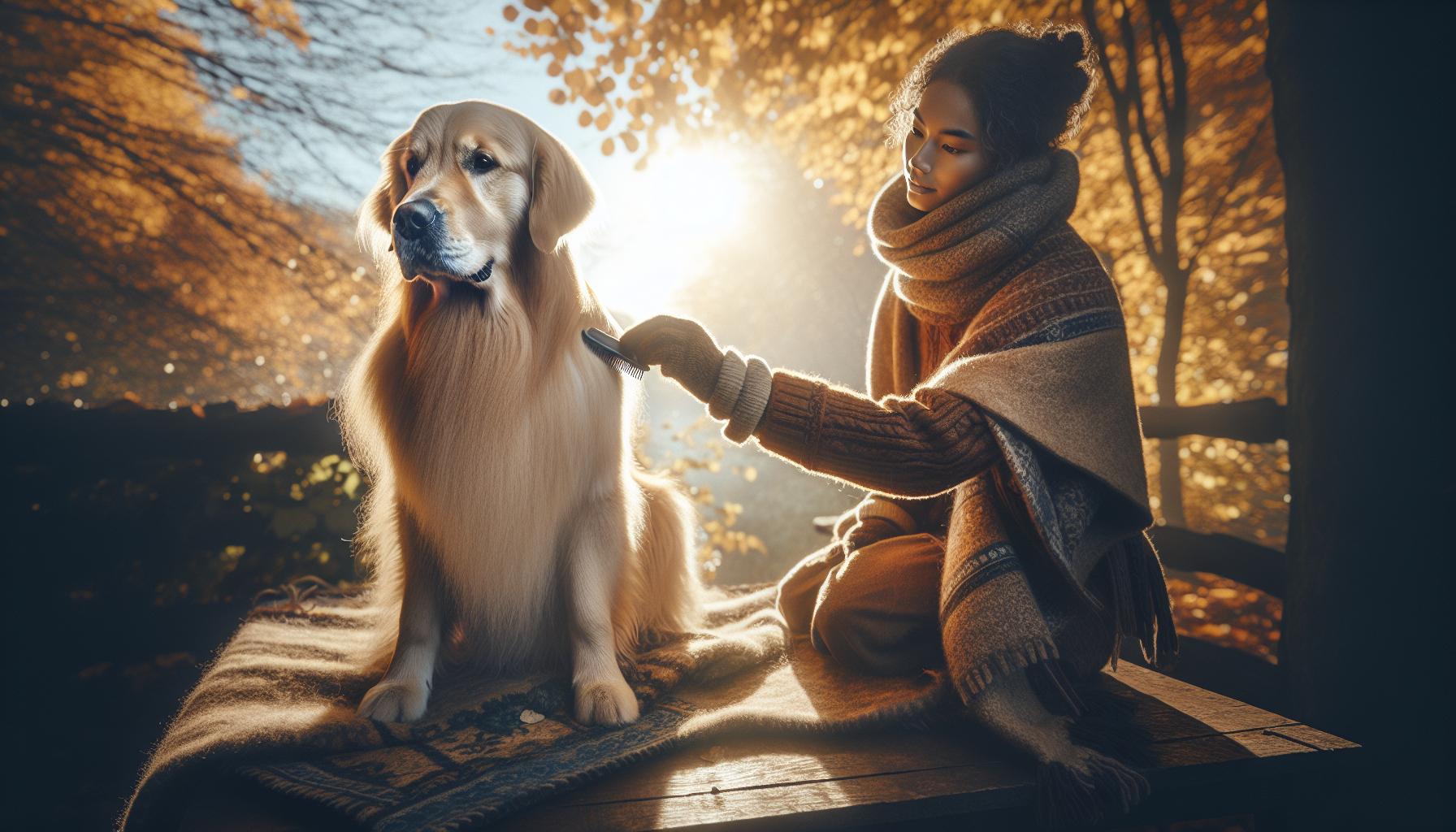
The Importance of Winter Hydration for Your Golden Retriever
Ensuring your Golden Retriever stays hydrated during the winter months is as crucial as during the hot summer days. Many owners mistakenly believe that their pets need less water in colder weather due to reduced activity levels. However, metabolic processes and the body’s need for hydration do not diminish simply because temperatures drop. In fact, dry indoor heat can cause moisture loss, making it essential to maintain proper hydration.
Golden Retrievers are highly active dogs that require a consistent water intake to support their energy levels, even in winter. If your Golden enjoys playing in the snow or participating in winter sports, they are likely exerting themselves and will need to replenish their fluids accordingly. A good practice is to ensure fresh, clean water is always available, both indoors and outdoors, when you are out for walks or playtime. If your dog is resistant to drinking cold water in the winter, consider investing in a heated water bowl to keep it at a comfortable temperature.
Additionally, watch for signs of dehydration, which can sometimes be less apparent in winter due to the cooler temperatures. Common indicators include dry gums, excessive panting, and lethargy. You can easily assess hydration by performing a quick pinch test: gently pinch the skin at the back of your dog’s neck and release. If it snaps back quickly, your dog is likely properly hydrated; if it takes a moment to return to its normal position, they may need more water.
Ultimately, providing ample hydration during winter months not only supports your Golden Retriever’s health but also enhances their overall well-being and enjoyment of the cold season. Prioritizing their water intake will contribute to a happy and active lifestyle, keeping your furry friend vibrant and ready for any snowy adventure.
Essential Winter Care Tips for Golden Retrievers
As the temperatures drop and winter blankets the landscape in snow, Golden Retrievers, with their thick double coats, may initially seem well-equipped for cold weather. However, this breed, known for its friendly demeanor and boundless energy, requires attentive care during the winter months to ensure their health and happiness. Proper winter care not only keeps your Golden comfortable but also enhances their seasonal joy, allowing them to thrive amidst frosty conditions.
One of the most critical aspects of winter care involves protecting your dog’s paws from icy surfaces and salt. Snow and ice can cause frostbite and irritation in their paw pads. To prevent this, consider applying a pet-safe paw balm before venturing outdoors and always check their feet after walks for any signs of snow buildup or injury. Additionally, if your Golden Retriever tends to play energetically in the snow, a warm dog coat can provide an extra layer of insulation against the cold, especially for those who are more sensitive to lower temperatures.
Another vital consideration is diet. Cold weather can increase your Golden’s caloric needs since their bodies work harder to maintain warmth. You might find it beneficial to slightly increase their food portion, focusing on high-quality pet food that offers balanced nutrition. Be mindful of any changes in activity levels; some dogs may be less active in winter due to shorter days and colder outdoor conditions. Monitor your dog’s weight to ensure they remain fit and healthy throughout the winter.
Finally, ensure your Golden Retriever receives plenty of indoor stimulation during those frigid days when outdoor play is less feasible. Engage them with interactive toys, puzzles, or training sessions that challenge their minds. Incorporating indoor games like hide-and-seek or tug-of-war can provide the exercise they crave without exposing them to harsh elements outdoors. By adopting a comprehensive approach to winter care, you can help your Golden Retriever navigate the cold season with vigor and joy, reinforcing the deep bond you share while keeping them safe and thriving.
Winter Exercise: Keeping Your Golden Active and Safe
As the first snowfall blankets the ground, Golden Retrievers often spring into action, tail wagging and ready for adventure. While their thick double coats provide significant insulation against the cold, it’s essential to ensure that your Golden remains active and safe during winter months. Engaging your dog in winter exercise not only fosters their physical health but also enhances their overall well-being.
Regular outdoor activities are crucial, even in winter, but safety should always be a priority. Equip your pet with appropriate gear for colder outings; a dog jacket or sweater can add an extra layer of warmth, especially for those Goldens who might be more sensitive to the chill. When venturing outside, consider shorter, more frequent walks that still allow ample playtime. Snowballs and toys designed for winter use can make excellent engagement tools, allowing your Golden to romp in the snow while also stimulating their mind and body.
Indoor Alternatives
On particularly harsh days, or if conditions aren’t suitable for outdoor play, indoor exercise is equally important. Engage your Golden Retriever with activities that challenge them mentally and physically. Simple tasks like teaching new tricks, playing hide-and-seek with their favorite toys, or setting up an obstacle course using furniture can provide the stimulation they need. Consider interactive toys that dispense treats, encouraging your pup to think critically as they play.
Safety Reminders
It’s always good practice to check your Golden’s paws after outdoor play. Ice and snow can accumulate between their toes, potentially leading to discomfort or injury. If the temperatures plummet, limit outdoor time to avoid frostbite, especially for older dogs or those with health concerns.
Remember, a well-exercised Golden is a happier and healthier Golden! By staying mindful of their needs during the winter months, you’ll not only keep them active but also deepen the loving bond you share.
Winter Nutrition Adjustments for Golden Retrievers
As winter sets in, the dietary needs of your Golden Retriever may shift, requiring thoughtful adjustments to ensure they remain healthy and energized during the cold months. Just like humans, dogs expend more energy as they adapt to colder temperatures, particularly when they engage in outdoor activities. Consequently, this increased activity level can necessitate stronger nutritional support to help maintain their body temperature and overall well-being.
To begin with, consider slightly increasing your Golden’s calorie intake during the winter months. This doesn’t mean an outright doubling of their food but rather a careful adjustment of about 10-20%, depending on their activity level. Keeping in mind that Goldens are prone to obesity, monitor their weight and adjust portions as necessary. Foods higher in protein and healthy fats can provide the energy they need to stay active while keeping their coat shiny and healthy. Ingredients like chicken fat, fish oil, or flaxseed can enhance your dog’s diet, boosting their Omega-3 fatty acids, which help with coat health and may also have anti-inflammatory properties.
Incorporating Quality Ingredients
When selecting food for your Golden Retriever, prioritize high-quality brands that focus on real meats and whole grains. Look for dog food that contains:
- Real meat as the first ingredient, ideally from a named source like chicken or beef.
- Whole grains such as brown rice or oats, which provide sustained energy.
- Vegetables and fruits rich in vitamins and antioxidants, which are essential for overall health during the colder months.
Adding cooked veggies like sweet potatoes or carrots can enrich their meals while providing extra vitamins. Not only do these additions make their diet more palatable, but they also introduce additional nutrients crucial for energy and health.
Hydration is Key
In winter, it’s easy to overlook hydration, so ensure your Golden always has access to fresh water, even if they seem less thirsty. The dry indoor air can lead to dehydration, impacting their skin and overall well-being. Consider offering wet food or adding a bit of warm water to dry kibble to encourage hydration.
By being proactive with your Golden’s winter nutrition, you can help keep them healthy and lively during the snowy months. Always consult with your veterinarian before making any significant dietary changes, especially if your dog has specific health concerns. Your attentive care will not only nourish their bodies but also deepen the special bond you share during this cozy season.
Recognizing Winter Health Issues in Golden Retrievers
As winter blankets the landscape in snow, the potential health issues that can affect Golden Retrievers may also rise. While this breed has a remarkable ability to adapt to colder climates due to its thick, water-repellent double coat, vigilance is necessary to keep your Golden safe and thriving during the chilly months. Being aware of winter-related health concerns is key to ensuring your furry friend remains healthy and active.
One common issue during the winter is hypothermia, which can occur if a Golden Retriever is exposed to freezing temperatures for extended periods. Signs include shivering, lethargy, and a decreased heart rate. To mitigate this risk, limit outdoor time during extreme cold, especially for puppies and senior dogs, who may be more susceptible. On the flip side, frostbite can affect the ears, paw pads, and tail. When walking your Golden in snowy or icy conditions, be sure to check their paw pads regularly for redness, swelling, or cracks, and keep in mind that snow and ice can accumulate between their toes, causing discomfort.
Another consideration is dry skin and dermatitis caused by low humidity in heating systems during winter. Goldens, known for their luscious coats, might experience more frequent itching or irritation. Regular brushing is crucial to remove dead hair and stimulate natural oils in their skin. Moreover, incorporating omega fatty acids into their diet, such as fish oil, can help maintain healthy skin and a shiny coat throughout the winter season.
Lastly, arthritis flare-ups can become more prevalent with colder weather, especially in older Goldens. Signs can include stiffness, difficulty getting up, and reluctance to move. Keep an eye on their joint health, and consult with your veterinarian about the best ways to manage any discomfort, possibly adjusting exercise routines or exploring supplements like glucosamine. Moving gently on the snow and ensuring proper warmth after outdoor activities can also aid in keeping their joints limber.
By maintaining awareness of these potential winter health issues and taking proactive steps, you can ensure that your Golden Retriever is not just surviving, but thriving, during the winter months. Keeping your pup warm, hydrated, and well-cared for allows you both to enjoy the beauty and fun of the snowy season together.
Choosing the Right Gear for Cold Weather Outings
When it comes to braving the chilly winter months, selecting the appropriate gear for your Golden Retriever can transform cold weather outings into enjoyable adventures. While Goldens are equipped with a thick, water-repellent double coat, that alone may not always be enough protection during extreme weather conditions, especially for older dogs or those with health issues. Ensuring your Golden is properly outfitted will not only keep them comfortable but also allow for longer, more engaging outdoor experiences.
Essential Gear for Cold Weather
To keep your Golden Retriever warm and safe, consider the following gear:
- Dog Boots: Protect your dog’s paws from icy surfaces and harmful substances like salt and chemicals. Look for boots that fit snugly but are not too tight, providing both comfort and traction.
- Waterproof Dog Coat: A high-quality, insulated, waterproof coat can provide additional warmth, keeping your pup dry and comfortable during wet or windy weather. Look for features like adjustable straps for a secure fit and reflective materials for safety.
- Dog Sweaters: For extra warmth on particularly cold days, sweaters made from wool or fleece can be a stylish and functional addition to your Golden’s winter wardrobe. Ensure it fits well and does not restrict movement.
- Reflective Gear: With shorter daylight hours, consider reflective collar attachments or vests to enhance visibility during evening walks. Keeping your retriever visible is crucial for their safety.
Considerations for Choosing Gear
When selecting gear, focus on quality and comfort. Always measure your dog for the best fit, as an ill-fitting coat or boot can lead to chafing or discomfort, detracting from your outings. It can also be helpful to allow your Golden to wear new gear indoors for a period to get accustomed to the feel before venturing outside in it. This practice can minimize resistance and anxiety towards wearing it once you step outdoors.
Additionally, consider the types of winter activities you plan to share with your pup. If you enjoy hiking in the snow, lightweight yet tough gear is ideal, while shorter, casual walks may only require a sweater. Always keep an eye on the weather forecast and adjust your Golden’s gear accordingly to ensure they remain warm and enthusiastic on every adventure you embark upon together. With the right protective apparel, your Golden Retriever can enjoy the beauty of winter just as much as you do!
Creating a Safe Winter Environment for Your Golden Retriever
Creating a safe and warm environment for your Golden Retriever during the winter months is paramount to their well-being and enjoyment of the season. While these dogs are known for their affectionate nature and adaptability, they still need specific provisions to thrive in cold weather. A safe winter environment encompasses not just the physical space but also the emotional comfort your furry friend experiences as the temperatures drop.
Start by ensuring the indoor areas where your Golden spends time are cozy and draft-free. Utilize insulated dog beds or blankets to provide a warm resting place, especially in a favorite corner or family room where they can feel secure and included during family activities. If your home permits, consider placing their bed near a heat source, but ensure it’s not too hot or risky, avoiding direct contact with any heating elements. Regularly check your Golden’s coat for mats or tangles, as these can trap moisture and chill them, diminishing their natural insulation.
When outside, be mindful of the surroundings. If snow or ice accumulates, consistently check the area where your Golden likes to play. Create pathways for them to navigate safely, avoiding deep snow drifts that may pose risks of injury or exhaustion. Additionally, keep an eye on their paws! The ice can cause cuts or burns from harsh salts and chemicals. Regularly inspect their paws after outdoor playtime for any signs of irritation or injury. In the backyard, ensure that no hazardous materials, such as antifreeze or other toxic substances often used in winter, are accessible to curious Goldens.
Don’t forget the importance of winter hydration and nutrition. As moisture levels drop, ensure fresh water is always available, particularly if your dog spends extended periods outside. Create a warm feeding area indoors where you can serve nutritious meals that help them maintain their energy levels during colder months. Adjusting their food to accommodate increased activity levels or colder weather can also benefit their health.
Lastly, fostering a nurturing atmosphere extends beyond basic needs; it involves engaging your Golden Retriever’s mind and body even when it’s chilly outside. Create indoor activities like puzzle toys or gentle training sessions that keep them stimulated. By cultivating a truly safe and warm environment, you empower your Golden Retriever to enjoy the winter months while reinforcing the enduring bond you share.
Field vs. Show: How Different Types Handle Winter
Golden Retrievers come in a variety of types, primarily categorized as field or show lines, and understanding the distinctions can significantly impact how well they adapt to winter conditions. While all Golden Retrievers possess a love for the outdoors and an inherent playful spirit, the way they handle cold weather may differ based on their lineage and physical traits.
Field Goldens are known for their athleticism and energy levels, often bred for performance and hunting tasks. They typically have a leaner build and a somewhat less dense coat compared to show Goldens. This means that while they can be incredibly active in winter sports and activities, they might be more prone to feeling the chill if they aren’t adequately insulated. Their natural curiosity drives them to explore snowy landscapes, so equipping them with appropriate gear like insulated vests can help ward off the cold, allowing them to enjoy winter adventures fully. More importantly, monitoring their activity levels is crucial; their energetic nature may lead them to overexert in the snow, requiring close supervision to prevent hypothermia or exhaustion.
On the other hand, show Goldens are bred with a focus on conformational standards, producing a stockier frame and a thicker, often wavier coat. This dense undercoat offers better insulation against the cold, making them more suited for prolonged exposure to low temperatures. Their coat is also slower to dry, which is beneficial in maintaining warmth after a snowy romp. Despite this advantage, show Goldens can sometimes be less inclined to engage in high-energy winter activities than their field counterparts. Owners should balance their desire for outdoor fun with sessions of gentle exercise or mental stimulation. Engaging in activities like obedience training or puzzle games can be beneficial when harsh weather limits outdoor play.
Both types, however, require proper winter care to thrive during colder months. Regardless of their lineage, Golden Retrievers enjoy warmth and companionship. Regular grooming is essential, especially for show Goldens, as a well-maintained coat efficiently repels water and traps warmth. For all Goldens, providing comfortable, gradual exposure to the cold will help them adjust, making the winter season a delightful experience filled with memorable outdoor moments for both dog and owner alike.
Training Your Golden Retriever for Winter Activities
Golden Retrievers thrive in cold weather, but their enjoyment of winter activities can be significantly enhanced through proper training. Preparing your Golden for snowy adventures not only ensures their safety but also strengthens the bond between you and your furry companion. Start by introducing your dog to winter conditions gradually. Allow them to explore the snow, gradually increasing their exposure while observing their comfort level. If your Golden Retriever is hesitant, offering treats or their favorite toys can encourage them to embrace the new environment.
Essential Commands for Winter Fun
Training commands specifically for winter activities can make outings more enjoyable and safe. Focus on essential commands such as *”Come,” “Stay,”* and *”Leave it.”* These commands help ensure your Golden remains close by during off-leash activities in the winter landscape. When engaging in activities like snowshoeing or sledding, practice the *”Wait”* command before heading into more challenging terrain; this provides you with a moment to assess conditions together. Use positive reinforcement; reward your dog with treats and praises each time they successfully follow a command, especially in distracting environments.
Winter Sports Training
If you’re interested in engaging in specific winter sports, such as skijoring or winter hiking, conditioning your Golden is essential. Begin with leash training to ensure they can comfortably traverse alongside you in a controlled manner. Take short trips to build endurance, gradually increasing distances as they grow accustomed to the cold. When introducing skijoring, use a harness designed for dog pulling, ensuring comfort and safety. Practice patiently pulling them with the skis while encouraging them with commands and rewards; this helps them associate the experience with fun and teamwork.
Socialization and Safety Awareness
Socialization is equally important in winter training. Arrange playdates with other dogs to let your Golden practice their social skills in snow-covered areas. Ensure they are comfortable with different conditions and obstacles, such as slippery surfaces or deep snow. Just as crucial is teaching them to recognize their limits; look for signs of fatigue such as heavy panting or reluctance to move. Regular breaks will allow your Golden to recharge, preventing overexertion and keeping the winter experiences enjoyable. As excitement builds during outdoor adventures, instilling a solid foundation of training and awareness will lead to a winter filled with joy, exploration, and memorable moments for both you and your Golden Retriever.
Integrating Your Golden Retriever into Winter Family Fun
Golden Retrievers possess an innate love for outdoor exploration, making them ideal companions for winter family activities. This breed’s effervescent energy and playful spirit shine during snow-filled days, where they can indulge in their natural instincts to fetch, run, and play. To fully integrate your Golden into family fun during the winter months, creating engaging and safe experiences is essential.
Start by planning family-friendly activities that embrace the winter landscape. Building a snowman together, hosting snowball fights, or participating in sledding offers your Golden ample opportunities to run and socialize. Ensure that these activities are age-appropriate for your children, balancing fun with safety. For instance, while younger kids might enjoy building a snow fort, it’s important that older children engage in more dynamic play, like snowshoeing or even teaching your Golden to pull a sled.
Encouraging your Golden Retriever to join in on holiday traditions can also create lasting bonds between your furry friend and your family. Consider simple activities like decorating the yard with holiday lights or attending winter events where dogs are welcome. These outings not only enrich your pet’s environment but also help deepen the connection within your family as everyone enjoys the magical winter atmosphere together.
As your Golden engages in these activities, it’s crucial to monitor their comfort and hydration levels. Despite their cold-weather capabilities, they can become overheated from rough play, so ensure plenty of water breaks are available. Keeping an eye on your dog’s paw pads is also important, as snow and ice can accumulate and cause discomfort. Investing in dog booties can be an effective way to protect their feet during extended outdoor excursions.
To make every winter outing enjoyable, include training sessions as part of the fun. Incorporating commands like “fetch” or “stay” during games reinforces good behavior while applying their natural instincts. Overall, by actively involving your Golden in family winter traditions, you create joyful memories, cultivate a sense of teamwork, and celebrate the wonderful companionship that defines this breed.
Frequently Asked Questions
Q: Can Golden Retrievers live outside in cold weather?
A: While Golden Retrievers have a double coat that provides insulation, they should not live outside in cold weather for extended periods. They need a warm shelter that protects them from extreme temperatures and wind. It’s best to bring them indoors during severe weather and monitor their health closely.
Q: How do I keep my Golden Retriever warm in winter?
A: To keep your Golden Retriever warm in winter, provide them with appropriate dog jackets for outdoor activities, ensure they have a cozy, insulated bed indoors, and maintain a consistent indoor temperature. Regular exercise is essential but limit exposure to extreme cold.
Q: What temperature is too cold for a Golden Retriever?
A: Generally, temperatures below 20°F (-6°C) can be too cold for Golden Retrievers, particularly for prolonged exposure. Always monitor their behavior outdoors; if they show signs of discomfort like shivering, it’s time to come inside.
Q: Do Golden Retrievers need boots in winter?
A: Yes, Golden Retrievers can benefit from wearing boots in winter, especially in icy or snowy conditions. Booties protect their paws from frostbite and salt on sidewalks, which can cause irritation and injury. Select a comfortable, well-fitted pair for effective protection.
Q: How can I prevent my Golden Retriever from getting cold paws?
A: To prevent your Golden Retriever from getting cold paws, consider using dog boots for walks and check their paws for ice buildup after outdoor activities. Additionally, avoid long exposure on extremely cold surfaces to protect their paw pads.
Q: What are the signs that my Golden Retriever is too cold?
A: Signs that your Golden Retriever is too cold include shivering, whining, lifting their paws off the ground, and reluctance to move. If they exhibit these signs, immediately bring them inside to warm up and assess their condition.
Q: Should I change my Golden Retriever’s diet in winter?
A: Yes, you may need to adjust your Golden Retriever’s diet in winter to provide more energy to stay warm. Consider consulting with your veterinarian about increasing their calorie intake or switching to a diet suitable for colder months based on their activity level.
Q: How can I help my Golden Retriever adapt to winter activities?
A: To help your Golden Retriever adapt to winter activities, gradually introduce them to colder outdoor environments and fun winter exercises, like snowball fetch or snowshoeing. Use positive reinforcement to make these experiences enjoyable and comfortable for them.
Key Takeaways
As winter approaches, it’s vital to remember that while Golden Retrievers can tolerate colder temperatures better than some breeds, they still need proper care to thrive during the chillier months. Equip yourself with additional tips and resources by exploring our comprehensive guides on Golden Retriever nutrition and grooming throughout the year. For deeper insights on training methods tailored to this friendly breed, check out our detailed articles designed for both new and experienced owners.
Don’t wait for the snow to start falling-implement these winter care strategies today to ensure your furry friend is happy and healthy. Have questions or want to share your winter adventures with your Golden? We encourage you to leave a comment below, and don’t forget to subscribe to our newsletter for the latest updates and tips that celebrate your unique bond with this beloved breed. Your Golden deserves the best, all year round!