
When it comes to training dogs, the age-old debate between Golden Retrievers and Labradors often arises. Both breeds are renowned for their intelligence and eagerness to please, making them popular choices for families and service roles alike. However, understanding whether Golden Retrievers are easier to train than Labs can significantly impact your training journey and your relationship with your furry companion. Many prospective and current dog owners find themselves navigating training hurdles, often leading to questions about which breed might adapt more easily to commands and home life. As we delve into the nuances of training these two beloved breeds, we’ll explore not only their inherent traits but also practical training strategies that cater to their unique personalities. Join us as we uncover insights that can enhance your training experience and strengthen the bond you share with your Golden Retriever or Labrador.
Are Golden Retrievers Naturally More Trainable?
Golden Retrievers are often regarded as one of the most trainable dog breeds, thanks to their intelligence, eagerness to please, and friendly disposition. This breed consistently ranks high in terms of obedience and responsiveness, making them a favorite for families and service roles alike. Their innate desire to engage with humans enhances training sessions, allowing them to quickly grasp new commands and behaviors. This adaptability not only showcases their natural intelligence but also demonstrates a profound bond formed through positive reinforcement techniques.
When comparing Golden Retrievers to other breeds, particularly Labradors, it’s essential to consider certain characteristics that may influence trainability. Golden Retrievers are known for their patience and gentleness, making them particularly adept at handling various training methods, including clicker training and reward-based systems. Their sociable nature often leads them to seek out human interaction, which can amplify their eagerness to learn and comply during training. Furthermore, their love for retrieving-an instinctive behavior-can easily be channeled into structured training exercises that bolster their learning experience.
To optimize the training experience for your Golden Retriever, consider employing techniques that resonate with their natural tendencies. Keeping sessions short and engaging can help maintain their focus and enthusiasm. Incorporating play into training, such as using toys or incorporating fetch games, can provide immediate rewards for their efforts. Additionally, consistent exposure to new environments and socialization with different people and dogs can enhance their adaptability and reinforce learned behaviors. In essence, the natural trainability of Golden Retrievers, when nurtured through thoughtful training practices, not only strengthens skills but also enriches the delightful bond between owner and pet.
Exploring Temperament Differences: Golden Retrievers vs. Labs
Golden Retrievers and Labrador Retrievers are two of the most beloved breeds in the world, known for their friendly dispositions and eagerness to please. However, when it comes to their temperament and trainability, there are notable differences worth considering. Both breeds are intelligent and highly trainable, but the way they express their behavior and respond to training can vary significantly, influencing the training experiences of their owners.
Golden Retrievers tend to be slightly more sensitive and intuitive than Labs, often reading their owner’s emotions and adjusting their behavior accordingly. This sensitivity can lead to a more profound bond between the dog and its handler, facilitating a cooperative training environment. Golden Retrievers are equally known for their patience and adaptability; their gentle demeanor makes them receptive to various training techniques, including positive reinforcement and clicker training. In training sessions, they are frequently enthusiastic and engaged, exhibiting a clear desire to understand and fulfill their owners’ commands.
Labradors, on the other hand, are known for their exuberance and high energy levels. They often display a more playful and boisterous nature, which can sometimes make their training a bit more challenging-especially if they’re excited. While they are equally intelligent and capable of learning commands efficiently, their enthusiasm may require more structured training sessions, incorporating plenty of exercise and mental stimulation to channel their energy positively. Labs tend to excel in traditional obedience and working roles, but they benefit from early socialization and consistent reinforcement to curb any impulsiveness.
Ultimately, while both breeds have their strengths and unique quirks, Golden Retrievers generally offer a more focused and emotionally attuned training experience, primarily due to their sensitivity and eagerness to connect with their owners. Labradors bring a lively spirit that can enrich training sessions, but they may need a bit more guidance to harness that energy effectively. Understanding these temperament differences can help prospective dog owners choose the right breed and develop effective training strategies that cater to each dog’s distinct personality.
Key Training Techniques for Golden Retrievers
Golden Retrievers have established themselves as one of the most trainable dog breeds, thanks to their unique combination of intelligence, eagerness to please, and emotional sensitivity. These traits make them exceptionally responsive to various training techniques, which can foster a strong bond between the dog and its owner. Engaging in consistent and thoughtful training not only enhances a Golden Retriever’s obedience but also deepens their connection to their families.
One of the most effective strategies for training Golden Retrievers is positive reinforcement. This technique involves rewarding desired behaviors with treats, praise, or playtime to encourage repetition. Golden Retrievers thrive on positive interaction, so utilizing their favorite treats will enhance their motivation. It’s important to keep training sessions short yet frequent, as these dogs benefit from frequent reinforcement without experiencing boredom. Incorporating clicker training can also be highly beneficial, as it provides a clear and immediate signal to the dog that they’ve performed the correct action.
Another highly effective approach is consistent command use. Golden Retrievers respond well to clear and specific commands. Using the same words and hand signals consistently will help them understand what is expected more quickly. To enhance their learning, incorporate games and play into the training process. Activities like fetch not only fulfill their need for physical exercise but also serve as fun training opportunities, promoting engagement through interaction and play.
Additionally, socialization is crucial for a well-rounded Golden Retriever. Exposing them to various environments, people, and other animals early on helps develop their social skills and adapt to new situations with confidence. Inviting friends over or taking trips to the dog park can create valuable experiences, reinforcing their training in a safe, controlled manner.
Finally, it’s essential to remain patient and observant. Each Golden Retriever is unique, with individual learning speeds and styles. Recognizing when your dog is feeling overwhelmed or bored allows for adjustments to the training approach. Celebrating small successes along the way nurtures their overall development, ensuring that both the owner and the pet enjoy a fulfilling training experience. Ultimately, embracing the natural attributes of Golden Retrievers while employing tailored training techniques creates a supportive environment for growth and companionship.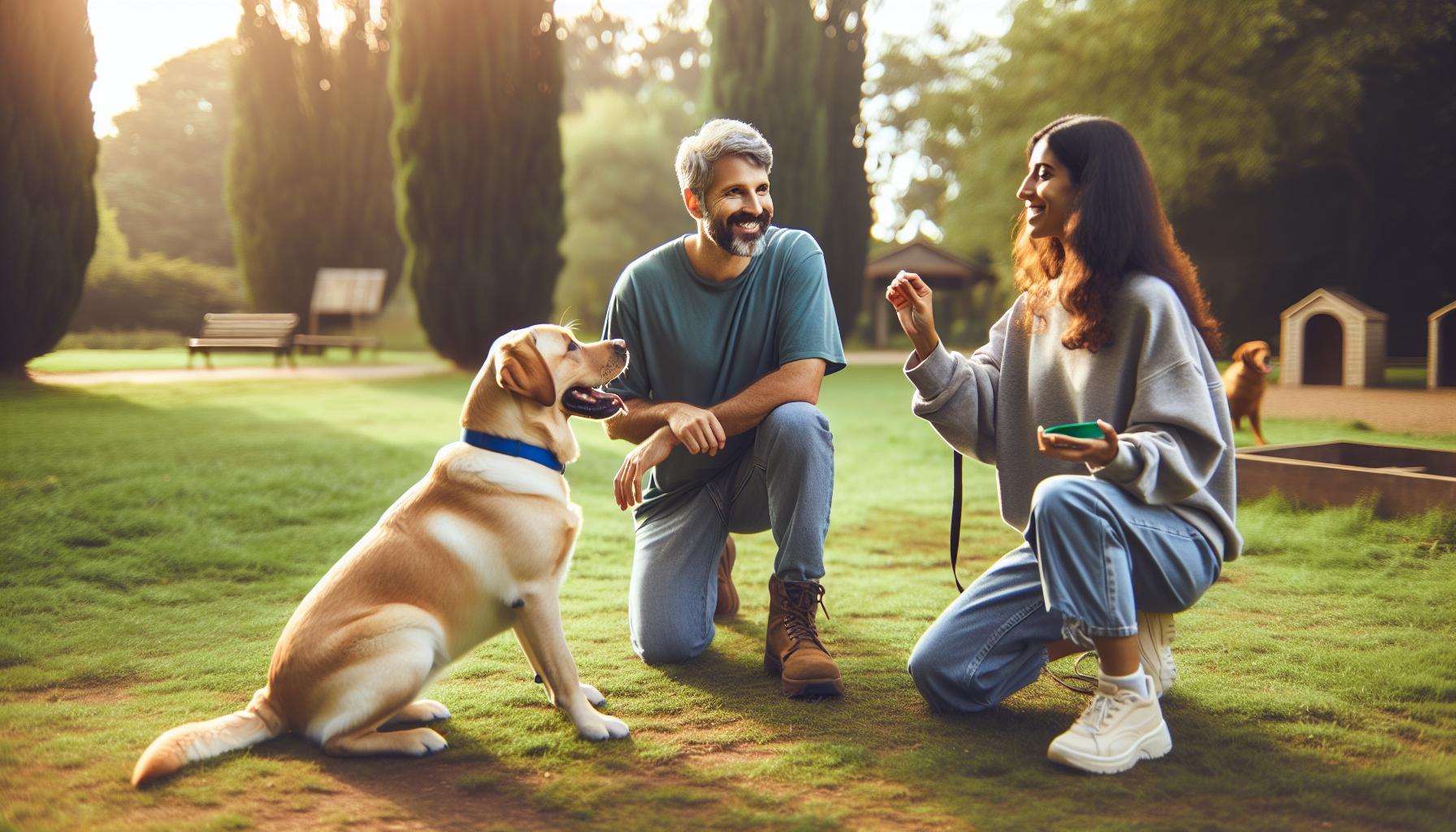
Essential Training Techniques for Labrador Retrievers
Labrador Retrievers, known for their friendly nature and intelligence, are among the most popular dog breeds. Their training techniques require a thoughtful approach that leverages their high energy levels and eager-to-please personality. When training a Lab, establishing a strong foundation based on consistency and positive interaction is essential. The following methods can significantly enhance the training experience for both the dog and the handler.
To begin, positive reinforcement is crucial in training Labs effectively. This approach involves rewarding desired behaviors with treats, verbal praise, or playtime, thereby encouraging the dog to repeat those actions. Since Labs are highly motivated by food, using high-value treats during training sessions can boost their engagement and focus. It’s also important to keep sessions short and fun; Labs have a penchant for play, and incorporating games like fetching or tug-of-war can create an enjoyable learning environment.
Understanding the importance of consistency in commands and cues is another essential technique. When training your Lab, use the same verbal commands and hand signals consistently to help them grasp what is expected. Repetition aids their learning and builds familiarity with commands. Additionally, establishing a structured routine can help reinforce training habits-schedule regular training sessions to build discipline and routine, further solidifying their responses over time.
Another integral aspect of training Labs is socialization. Early exposure to different environments, people, and other animals is vital. It helps develop a Lab’s confidence and adaptability, making them well-rounded companions. Take your Lab on walks in varied locations or set up play dates with other dogs to provide diverse experiences. The more socialization opportunities you provide, the more comfortable and responsive your Lab will be in different situations, enhancing their ability to follow commands under various circumstances.
Lastly, maintaining a patient and encouraging demeanor throughout the training process cannot be overstated. Labs thrive in environments where they feel supported and appreciated. Acknowledge their progress, celebrate small victories, and adjust training techniques depending on their behavior. By fostering a positive learning atmosphere, you strengthen the bond between you and your Labrador, making training not just effective, but an enjoyable experience for both.
Socialization Skills: Golden Retrievers vs. Labs
Golden Retrievers are renowned for their friendly disposition and eagerness to please, making them exceptional companions not just in homes but also in various social settings. Their natural sociability shines through in how they interact with both humans and other dogs. When socializing Golden Retrievers, early exposure to different situations is key. This breed thrives on positive interactions, so introducing them to a variety of people, environments, and animals-from calm encounters to energetic playdates-builds their confidence and enhances their adaptability.
In contrast, Labrador Retrievers also exhibit a strong social nature, yet their approach to socialization often requires a slightly different strategy due to their exuberant energy. While both breeds benefit from early socialization, Labs can sometimes be overwhelming in their excitement, which may lead to misunderstandings with less confident dogs. Therefore, owners of Labs should focus on teaching their dogs to read the social cues of others, ensuring they learn to engage appropriately without overwhelming their counterparts.
Key Tips for Socializing Your Golden Retriever
- Start Early: Introduce your puppy to diverse environments, people, and other animals between the ages of 3 to 14 weeks.
- Encourage Positive Interactions: Reward your Golden for calm behavior during new encounters to foster connections.
- Expose Them Gradually: Gradually increase the complexity of social situations, moving from familiar places to busier environments.
Strategies for Engaging Your Labrador Retriever
- Teach Calmness: Train your Lab to remain calm during introductions by practicing ‘sit’ and ‘stay’ commands before interacting.
- Adjust Play Style: Choose playmates who can match your Lab’s energy to create a more balanced interaction.
- Provide Leadership: Be a guiding figure in social settings. Your Labs will look to you for direction, so establish clear expectations.
Both breeds thrive on routine and positive reinforcement in their socialization efforts, but Golden Retrievers often appear more naturally attuned to forming bonds across diverse groups. The shared joy seen in both breeds during these experiences reinforces the strong emotional connections they develop with their families and enhances their overall training success. By understanding these subtle differences in temperament and application during socialization, owners can ensure their pets grow into well-rounded, socially adept companions suited for family life and beyond.
Understanding Breed-Specific Behavior Traits
Understanding the intrinsic behavior traits of Golden Retrievers illuminates why many owners find them exceptionally trainable compared to other breeds, including Labrador Retrievers. Golden Retrievers are renowned not only for their friendly disposition but also for their innate eagerness to please their handlers. This breed is characterized by their affectionate nature, intelligence, and strong desire for companionship, which all contribute to their trainability. When approached with positive reinforcement, Golden Retrievers often exhibit a quick grasp of commands and an enthusiasm for learning that makes them ideal candidates for both basic obedience and advanced training.
One of the most notable behavior traits of Golden Retrievers is their adaptability. This breed thrives in various environments, whether at home, in a park, or during structured training sessions. Their natural curiosity and intelligence allow them to assess new situations quickly, often leading to a willingness to engage and learn. For training purposes, this means that they can often handle different stimuli without losing focus, making it easier for owners to introduce new commands and concepts.
Furthermore, Golden Retrievers tend to form deep emotional bonds with their families, which enhances their responsiveness during training. They are known to mirror their owners’ emotions, leading them to seek approval and affection. This trait can be harnessed by using praise and rewards as motivational tools. Here are some key behavioral traits that influence their trainability:
- Eagerness to Please: Their inherent desire to make their owners happy often results in quick learning and consistent command performance.
- Social Nature: Golden Retrievers are generally friendly and enjoy interacting with people and other pets, making them receptive to socialization and training in diverse settings.
- Intelligence: This breed is exceptionally smart, allowing them to comprehend and remember commands effectively.
- Positive Reinforcement Responders: They excel in environments that utilize positive reinforcement techniques, responding best to treats, praise, and playtime.
While both Golden Retrievers and Labradors are highly trainable, understanding these breed-specific behavior traits can guide owners in adapting their training approaches. Recognizing that Golden Retrievers thrive on emotional connection and social interaction can encourage owners to create a positive, engaging learning environment that capitalizes on their strengths.
The Role of Intelligence in Training Success
The intelligence of Golden Retrievers plays a pivotal role in their training success, often setting them apart from other breeds, including Labrador Retrievers. Known for their quick wits and ability to understand and process commands rapidly, Golden Retrievers typically excel in obedience training and beyond. Their cognitive agility allows them to learn a variety of commands and tricks with remarkable ease, making training sessions both effective and enjoyable for both dog and owner.
One key aspect of their intelligence is their ability to learn through observation and mimicry. Golden Retrievers can often grasp new cues simply by watching their owners or other dogs. This ability not only accelerates the training process but also introduces a playful element, engaging their natural curiosity. Owners can take advantage of this quality by incorporating games or activities that stimulate their dog’s mind, such as puzzle toys or interactive play, fostering an environment where learning feels like fun rather than a chore.
Moreover, Golden Retrievers thrive in structured training environments that validate their intelligence. This breed responds exceptionally well to consistency and routine, and they benefit from positive reinforcement techniques. By offering rewards like treats, praise, or playtime, owners can enhance their retriever’s learning experience. Establishing clear communication and building a strong bond over time encourages Golden Retrievers to utilize their intelligence productively, leading to success not only during training sessions but also in everyday life.
In addition to their natural intelligence, Golden Retrievers have an emotional sensitivity that often heightens their training success. They are adept at picking up on their owner’s mood, which allows them to respond well to encouragement and adapt to feedback. This breed’s emotional intelligence complements its cognitive abilities, resulting in a well-rounded training experience that nurtures essential skills while deepening the bond between dog and owner. By combining mental challenges with emotional connections, owners can ensure their Golden Retriever remains engaged and motivated throughout their training journey.
Training Challenges: Common Issues with Each Breed
Training a Golden Retriever can be an incredibly rewarding experience, yet it comes with its own set of challenges that every owner should be prepared for. Common issues faced during training often stem from the breed’s inherent traits, including their high energy levels and strong desire for attention. Acknowledging these factors early can lead to a more successful training journey.
One prevalent challenge with Golden Retrievers is their exuberance. Their friendly and playful nature can sometimes make them overzealous in training sessions. This often leads to a scattering of focus, especially in environments with multiple distractions, such as other pets or loud noises. Implementing structured training sessions in quiet surroundings can help mitigate this distraction. Additionally, short and engaging training sessions-around 5-10 minutes for young pups-can optimize their concentration and responsiveness.
Another hurdle is the breed’s sensitivity to emotions. While this can be a strength, it might also make them prone to stress or anxiety in high-pressure training scenarios. For example, a harsh reprimand can lead to fear rather than understanding. Positive reinforcement is crucial here; using treats, praises, and play rewards encourages a growth mindset and keeps their spirits high. Golden Retrievers flourish in environments where learning is fun, so make sure to celebrate even the small victories to build their confidence.
When it comes to leash training, the enthusiasm of Golden Retrievers can lead to pulling or lunging. This behavior can be addressed through consistent training techniques that encourage loose-leash walking. Reinforcing calmness and rewarding the desired behavior will teach them to remain attentive to their handler rather than focus on their surroundings.
In contrast, while Labrador Retrievers share some similarities with Golden Retrievers, they may present different challenges, particularly when it comes to stubbornness. Labs can sometimes require more patience during training, as they may take a bit longer to grasp commands. However, by understanding both breeds’ unique characteristics and employing tailored training techniques, owners can foster a harmonious and fulfilling training experience for both themselves and their furry companions.
Ultimately, the bond created during training is invaluable, shaping not only a well-behaved dog but also a deeper connection that lasts a lifetime. Embrace the journey with patience, positivity, and plenty of love, and you’ll find that navigating training challenges leads to memorable moments and shared successes.
Motivational Techniques: Tips for Golden Retrievers
Training a Golden Retriever can be an exhilarating experience, especially when you implement effective motivational techniques tailored to their unique personality traits. One of the hallmarks of this breed is their eagerness to please, which makes them highly receptive to various forms of motivation. Utilizing this innate desire can significantly enhance the training process, leading to a deeper bond between you and your furry friend.
To effectively motivate your Golden Retriever, consider the following techniques:
- Positive Reinforcement: Golden Retrievers respond tremendously well to positive reinforcement. This method involves rewarding desired behaviors with treats, praise, or playtime. For instance, when your dog successfully follows a command, immediately offer a small treat or exuberant praise. This not only reinforces the behavior but also builds their confidence and enthusiasm for learning.
- Variety in Rewards: To keep their interest piqued, vary the type of rewards. While treats are effective, incorporating different rewards such as toy play or extra affection can make training sessions more dynamic. Remember, some Golden Retrievers may be more motivated by play than food, so observe your dog’s preferences and adjust accordingly.
- Short, Engaging Sessions: Given their high energy levels, Golden Retrievers often benefit from shorter training sessions that last just 5-10 minutes. This approach helps maintain their focus and keeps them engaged. Incorporate games or fun challenges to transform routine commands into enjoyable activities, making each session a positive experience.
- Keep It Fun: Infuse playfulness into your training. Golden Retrievers thrive in an enjoyable atmosphere, so using games like fetch or hide-and-seek can double as both fun and training. For instance, have your dog perform a command before tossing a ball for them to retrieve-it teaches them obedience while feeding their love for play.
Building a motivational training regimen around these techniques will not only help your Golden Retriever learn effectively but also strengthen your relationship. Recognizing and celebrating their successes, no matter how small, creates a positive environment that encourages continual learning. With patience, consistency, and a touch of creativity, you’ll find that motivating your Golden Retriever enhances their training experience and fosters an enduring connection that lasts beyond the training sessions.
Motivational Strategies: Engaging Labrador Retrievers
Engaging Labrador Retrievers in training requires a thoughtful combination of motivation, energy, and creativity. These dogs are known for their friendly, outgoing nature, and this social disposition can be harnessed to make training sessions not only effective but also enjoyable. Like their Golden Retriever cousins, Labs thrive on positive interactions and tend to respond best when training feels like a game rather than a chore.
Utilizing positive reinforcement is essential when working with Labradors. They are often eager to please, making them highly responsive to rewards. This can include treats, verbal praise, or favorite toys. For instance, if your Labrador successfully follows a command, reward them with enthusiasm-this highlights the desired behavior and encourages them to perform again. Moreover, incorporating a variety of rewards is crucial-some Labs may prefer a game of fetch over treats, while others might respond better to affection or play. Pay attention to what engages your dog the most, and adjust your training strategy accordingly.
Keep sessions short and dynamic; Labs, like Golden Retrievers, can have short attention spans, making 5-10 minute training blocks ideal. This duration is sufficient to cover essential commands and tricks while maintaining engagement. You might want to combine training with playtime, perhaps interspersing commands with games to keep your dog on their toes. For example, asking your Lab to sit before throwing a ball can merge training and fun, reinforcing obedience while satisfying their need for play.
Lastly, always emphasize the fun aspect of training. Labradors are exuberant and playful; thus, incorporating playful elements into commands can create a positive atmosphere. Activities like hide-and-seek, where they must find you or an object, can spark their enthusiasm and strengthen their understanding of commands like “come” or “stay.” By fostering a joyful training experience, you will enhance your Labrador’s learning and deepen the bond between you both, transforming routine training into cherished moments of togetherness.
Long-Term Training: Maintaining Skills and Adaptability
Golden Retrievers are celebrated not just for their charming personalities but also for their impressive trainability, which makes long-term training a fulfilling journey for both the dog and the owner. The key to maintaining skills and adaptability over time lies in establishing a consistent training routine that captures the essence of what makes these dogs so special. Regular practice not only reinforces learned behaviors but also nurtures a strong bond built on trust and cooperation.
To ensure your Golden Retriever retains the skills they’ve learned, schedule brief, engaging training sessions throughout their life. Incorporating a variety of commands and tricks can help prevent boredom and keep their minds stimulated. Aim for sessions that last no longer than 10-15 minutes, allowing for focus and enthusiasm. For instance, you might alternate between obedience commands like “sit” or “stay” and fun, playful activities, such as retrieving a ball or navigating an agility course. This approach balances discipline with play, making training a rewarding experience.
Another vital aspect of long-term training is socialization. Golden Retrievers thrive in social settings, so exposing them to diverse environments, people, and animals will enhance their adaptability and confidence. Regular trips to the dog park, obedience classes, or even casual outings can introduce new stimuli and reinforce polite behavior in various situations. Utilizing positive reinforcement-through treats, verbal praise, and affection-during these experiences will solidify desired behaviors and encourage your dog to engage in lifelong learning.
Additionally, agility work or canine sports can provide your Golden Retriever with an outlet for energy while reinforcing their training. These activities not only keep them physically active but also challenge their mental acuity. Engaging in hobbies together creates shared experiences that deepen your bond, making training a natural extension of your relationship. Remember, the joy of training a Golden Retriever lies in the journey as much as the destination; the more you invest in their training, the richer the rewards for both of you.
Comparative Success Stories: Owners’ Experiences
Bringing home a Golden Retriever often comes with stories of exceptional trainability and joyful learning experiences that resonate with many dog owners. One proud owner recounts training her Golden from a young age, emphasizing how quickly he grasped commands. “Within just a few sessions, he learned ‘sit,’ ‘stay,’ and ‘come,’ and it felt like he was just waiting for me to teach him the next thing!” This eagerness sets Golden Retrievers apart, and many owners share similar anecdotes about their dogs’ willingness to learn and please.
Another owner reflects on how his training sessions evolved into a fun routine, blending play with education. “My Golden loved to retrieve, so I incorporated toys into our training. He would bring back a toy for a treat, and soon, he was learning advanced commands just while playing fetch!” This approach highlights the breed’s natural drive to retrieve and their ability to learn through interactive play, showing that training can be more about the bond shared than the rigid structure often associated with other breeds.
In sharing experiences, it becomes clear that socialization plays a significant role in the training journey. One owner encourages fellow Golden Retriever enthusiasts to expose their pups to various environments. “Taking my Golden to the park not only helped him make friends but allowed him to practice commands with distractions around. It built his confidence tremendously!” By reinforcing desired behaviors in less controlled settings, owners quickly recognize that Golden Retrievers adapt well, boosting both their social skills and their comfort in responding positively to commands.
Ultimately, the success stories of Golden Retriever owners confirm the breed’s reputation for being trainable and eager to learn. The shared joy of training, enriched by playful exercises and socialization, creates enduring bonds that enhance the training experience. Many owners conclude their stories with the sentiment that the more invested they are in their Golden’s training, the more rewarding the journey becomes, solidifying the exceptional partnership between humans and their Golden companions.
Frequently Asked Questions
Q: Are Golden Retrievers easier to train than Labs?
A: Golden Retrievers are often considered easier to train than Labs due to their eagerness to please and tolerance of varied training methods. However, both breeds are intelligent and trainable, with their success largely depending on the owner’s training approach and consistency.
Q: What are the common training techniques for Golden Retrievers?
A: Common training techniques for Golden Retrievers include positive reinforcement, clicker training, and consistency in commands. Establishing a routine and incorporating fun activities can enhance learning and keep the dog engaged. Explore key techniques further in your training journey.
Q: How can I effectively train a Labrador Retriever?
A: To effectively train a Labrador Retriever, utilize reward-based methods, establish clear commands, and ensure regular exercise. Labs thrive on mental and physical stimulation, so include interactive games in your sessions to maintain focus and interest.
Q: What are the major behavioral traits influencing training success in Golden Retrievers?
A: Behavior traits influencing training success in Golden Retrievers include their friendly nature, eagerness to please, and high intelligence. Understanding these traits can help tailor your training approach, making it more effective and rewarding for both you and your dog.
Q: How does socialization affect training for Golden Retrievers and Labs?
A: Socialization significantly influences training outcomes for both Golden Retrievers and Labs. Early exposure to various environments, people, and other animals fosters confidence, helping dogs adapt better to training situations and reducing anxious behaviors.
Q: What challenges do owners face when training Labs compared to Golden Retrievers?
A: Owners may find that Labs can be more hyperactive and distractible than Golden Retrievers, making it challenging to maintain their focus during training. Implementing structured training sessions with frequent breaks can help ensure effectiveness for both breeds.
Q: When is the best age to start training a Golden Retriever?
A: The best age to start training a Golden Retriever is around 8 weeks old. Early training builds the foundation for good behavior and facilitates socialization, which is crucial for their development. Consistent training throughout their life maintains their skills.
Q: How can I keep my Golden Retriever motivated during training?
A: To keep your Golden Retriever motivated, use high-value treats, praise, and incorporate play into training sessions. Building a fun and interactive environment encourages eagerness to learn while strengthening the bond between you and your dog.
In Conclusion
In the quest to determine whether Golden Retrievers are easier to train than Labs, it’s clear that both breeds offer unique strengths and challenges. Golden Retrievers, known for their intelligence and eager-to-please nature, often excel in training with consistent, positive reinforcement techniques. If you’re considering adding a new furry member to your family, understanding their distinct training needs is essential.
Don’t miss out on our comprehensive guides on training methods and care tailored specifically for Golden Retrievers. Discover practical tips on nutrition, grooming, and exercise that can enhance your dog’s overall well-being. Whether you’re a first-time owner or a seasoned expert, our resources are designed to support you every step of the way.
Join our community of passionate dog owners by signing up for our newsletter, where you’ll receive the latest insights on Golden Retriever care and training. Share your thoughts in the comments below-what has been your experience in training these beloved dogs? Let’s continue this discussion and empower each other to raise happy, well-trained companions!