
Golden Retrievers are often celebrated not just for their friendly demeanor but also for their remarkable emotional intelligence. As you ponder the depth of your Golden’s feelings, it’s fascinating to consider that they can be as emotionally attuned as a toddler. This ability to connect profoundly impacts their role as beloved family companions. Understanding the emotional landscape of Golden Retrievers is vital for any owner seeking to foster a nurturing and supportive environment for their furry friend.
By exploring their emotional needs, behaviors, and reactions, you’ll enhance your bond and ensure your Golden enjoys a rich, fulfilling life. Whether you’re addressing anxiety, celebrating joyous moments, or navigating challenges, recognizing the emotional capacity of these dogs will empower you to provide the best care possible. Join us as we delve into the heart of what makes Golden Retrievers so special and emotionally aware, unlocking the secrets to a deeper connection with your loyal companion.
Are Golden Retrievers Naturally Emotional Beings?
Golden Retrievers possess a remarkable propensity for emotional connection, often regarded as one of the most empathetic dog breeds. Their friendly demeanor and responsiveness to human emotions set them apart, making them beloved companions and unparalleled family pets. This breed’s emotional intelligence is not merely instinctive; it appears to be deeply ingrained within them, further enhanced by a unique genetic mutation that promotes oxytocin production-often dubbed the “love hormone.” This characteristic elevates their capacity to respond to their owners’ feelings, creating an emotional bond that fosters understanding and comfort.
In many households, Golden Retrievers are not just pets but integral members of the family who exude warmth and love. They are known to respond to subtle cues, such as a change in their owner’s tone or body language, demonstrating an acute awareness of emotional states. For instance, a Golden Retriever may seek comfort or provide a nuzzle when sensing sadness or distress in their human companions. This kind of emotional attunement is particularly valuable during moments of crisis or emotional upheaval, displaying their capability to provide solace.
Moreover, their innate emotional nature plays a significant role in various therapeutic settings. Golden Retrievers excel as emotional support dogs, often working alongside healthcare professionals to aid those dealing with anxiety and depression. Their gentle and kind disposition not only helps alleviate feelings of loneliness but also encourages social interactions, making them ideal companions for individuals of all ages.
In essence, Golden Retrievers are inherently emotional beings due to their unique genetics and temperament. Their capacity for empathy allows them to connect with humans profoundly, making them exceptional companions. By understanding and nurturing this emotional intelligence, owners can cultivate a more profound relationship with their Golden Retrievers, ensuring that both dog and owner thrive in a loving, supportive environment.
Understanding the Emotional Intelligence of Golden Retrievers

Golden Retrievers hold a remarkable place in the canine world, renowned for their emotional intelligence and deep-seated empathy. This breed demonstrates an unparalleled ability to bond with humans, often responding to emotional cues with remarkable sensitivity. Research indicates that Golden Retrievers may possess cognitive abilities comparable to those of a 2-3-year-old child, particularly when it comes to reading and reacting to human emotions. This unique emotional insight makes them extraordinary companions, profoundly intuitive and responsive to their family’s needs.
Our furry friends express their feelings not only through overt displays like wagging tails and playful bounces but also through nuanced behavior. For instance, a Golden Retriever may gently nudge a family member who is feeling down or become protective and attentive during moments of distress. This emotional engagement often enables them to form strong attachments with their families, where their loyalty and affection manifest in countless ways. It isn’t uncommon to see a Golden Retriever sensing a shift in mood, embodying a comforting presence during challenging times.
The special bond between a Golden Retriever and its owner often thrives on shared experiences and positive reinforcement. Engaging in activities that promote interaction, such as playing fetch or participating in obedience training, can enhance this emotional connection. Additionally, understanding their body language-like the significance of a wagging tail, soft eyes, or a playful bark-can deepen a pet owner’s appreciation for their dog’s emotional expressions. Golden Retrievers thrive in environments that foster love and positivity, making nurturing this bond essential for both the dog’s and owner’s well-being.
Ultimately, embracing the emotional intelligence of Golden Retrievers allows owners to build enriching, supportive relationships that enhance the quality of life for both parties. Through empathetic communication and shared experiences, the wisdom of these affectionate canines can illuminate the path toward deeper companionship and mutual understanding.
How Do Golden Retrievers Express Their Feelings?
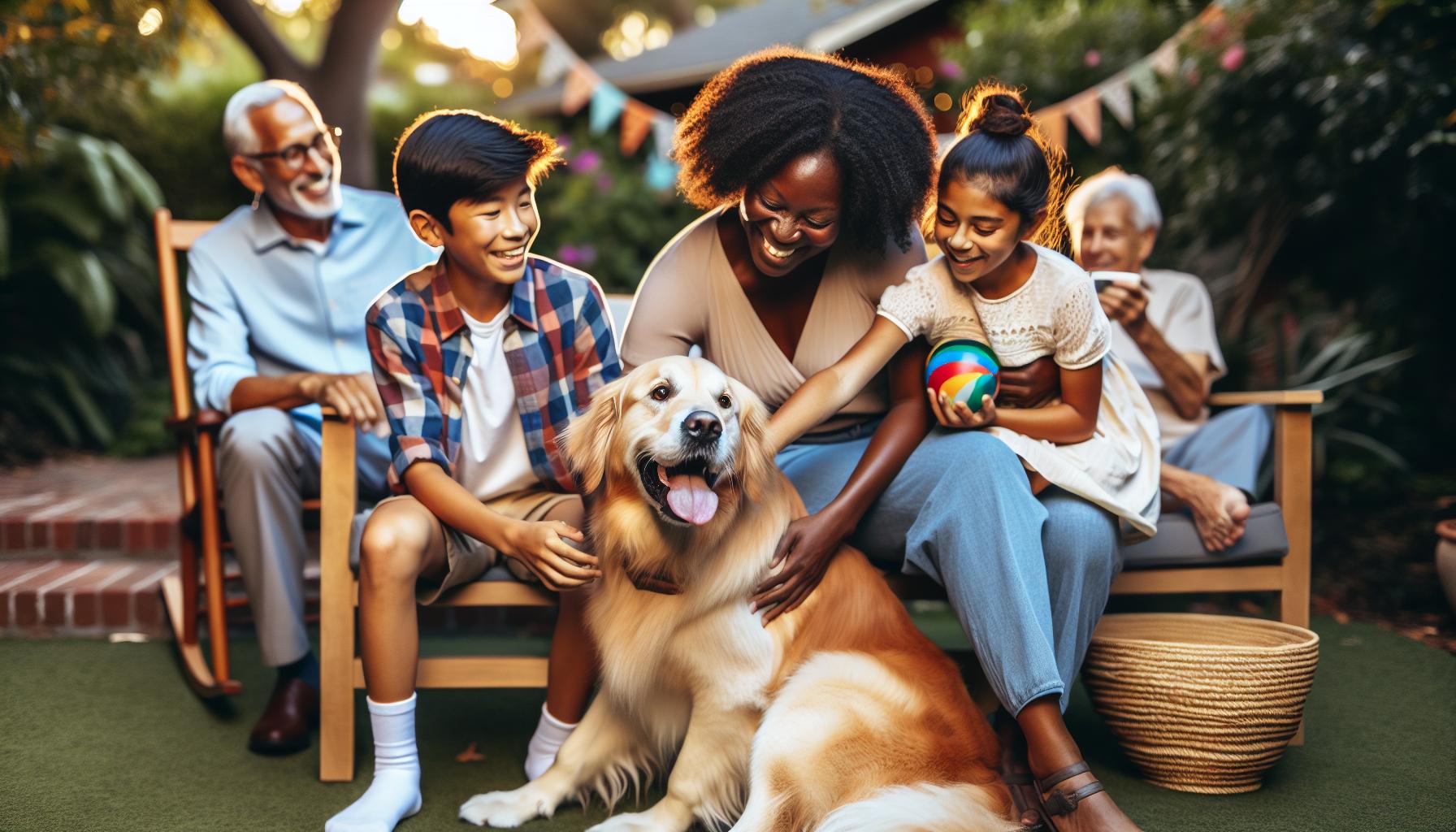
Golden Retrievers are renowned for their affectionate nature, making them some of the most emotionally responsive dogs. They don’t just wag their tails or bark; they have a rich repertoire of feelings that they express through various behaviors. One of the most striking ways Golden Retrievers show their emotions is through their body language. A wagging tail, for example, can indicate joy or excitement, particularly when it’s coupled with a lively demeanor. But the subtlety of their expressions runs much deeper. When they tilt their heads or soften their eyes, they signal curiosity and a desire to connect.
Moreover, Golden Retrievers are particularly adept at sensing human emotions. If you’re feeling sad, you might notice your dog nuzzling up against you, offering comfort and companionship. This behavior showcases their innate ability to read our moods and respond with empathy. During times of stress or anxiety, you may find them adopting a protective stance, positioning themselves close to you, which serves as a reassuring presence. Such displays not only highlight their loyalty but also reinforce the bond they share with their families.
Their social nature also drives how they express their feelings. Activities like playing fetch or going for walks are not just ways for them to expend energy; they are also opportunities for them to experience joy and strengthen their relational ties with you. Engaging in regular training and playtime promotes interaction, enhancing emotional expression and helping them feel more secure and loved within the family dynamic.
To further foster emotional expression, owners should take the time to understand the nuances of their Golden Retriever’s behavior. For instance, a gentle nudge might be their way of checking in on you, while eager barks at the door signal their anticipation for family time. Recognizing and responding to these cues not only deepens the emotional connection but also nurtures a happy, well-adjusted canine companion. With empathy and responsiveness at the heart of their nature, Golden Retrievers truly embody the essence of unconditional love and emotional support.
The Science of Emotions in Dogs: A Focus on Golden Retrievers

Golden Retrievers stand out not only for their friendly demeanor but also for their remarkable emotional depth. Research indicates that dogs, particularly breeds like Golden Retrievers, exhibit a range of emotions akin to those found in humans. The emotional fabric of these canines is woven with threads of joy, empathy, and affection, allowing them to forge strong bonds with their families while also showcasing their emotional intelligence. This emotional acumen is not merely instinctual; it is reflective of their long history as companions and working dogs, which has honed their ability to read human emotions.
Studies in animal behavior demonstrate that dogs have an inherent ability to perceive human feelings through vocal tones, body language, and facial expressions. Golden Retrievers, known for their keen perceptual skills, are particularly adept at this. For instance, they can distinguish between a happy tone versus a sad one, often responding in ways that provide comfort or companionship when they sense distress. This capability is believed to arise from a well-developed part of their brain-the limbic system-responsible for processing emotions. Their ability to actively engage and respond emotionally helps establish and maintain the affectionate bonds that characterize their relationships with humans.
Moreover, the social nature of Golden Retrievers fosters their emotional capabilities. These dogs thrive on social interactions and often display behaviors that promote emotional well-being in both themselves and their owners. Activities that involve collaboration, such as obedience training and interactive play, not only enhance their learning but also stimulate their emotional growth. Recognizing the unique personality traits associated with individual dogs can provide insight into how they process emotions. Some may exhibit more overt displays of affection, while others may be more subtle in their emotional expressions, yet all require understanding and attention to their emotional needs.
Understanding the intricate science behind canine emotions reveals why Golden Retrievers are frequently chosen as therapy and support dogs. Their empathetic nature significantly enhances their ability to provide comfort to those in distress or needing companionship. Engaging with a Golden Retriever can mean more than just companionship; it can enhance mental well-being and alleviate feelings of loneliness or sadness. Thus, investing in their emotional care not only nurtures their well-being but also enriches the human-dog bond that stands as a testament to their emotional nature.
Emotional Support: The Role of Golden Retrievers in Families
When it comes to emotional support within families, Golden Retrievers shine brightly. These lovable dogs are famously known for their gentle demeanor and unwavering loyalty, making them invaluable companions in any household. Whether it’s snuggling on the couch after a long day or providing a comforting presence during challenging times, Golden Retrievers naturally gravitate towards fulfilling emotional roles that strengthen family bonds. Their innate ability to sense emotions and respond with affection amplifies this connection, often making them the heart of the home.
One of the most significant advantages of having a Golden Retriever is their capacity for emotional intelligence. These dogs can intuitively read the emotions of family members, often responding appropriately to the moods and feelings of those around them. For instance, they can easily identify when a child is upset or when an adult is stressed, offering comfort through gentle nudges, soft licks, or by simply laying a reassuring paw on a knee. This breed’s empathetic nature not only fosters emotional well-being among family members but also teaches children important lessons about compassion and care.
Moreover, Golden Retrievers excel in providing support, particularly for individuals facing emotional challenges. Their temperament makes them perfect therapy dogs, essential in helping many cope with anxiety, depression, or loneliness. The simple act of petting a Golden Retriever has been shown to release oxytocin, a hormone known for promoting feelings of love and trust, thereby enhancing mental well-being. Engaging in activities such as playing fetch or taking walks can further bolster these emotional benefits, creating opportunities for connection between the dog and family members.
Incorporating a Golden Retriever into family life can be a rewarding journey that enhances collective emotional health. It is essential to create a nurturing environment where these dogs can thrive emotionally as well. Regular socialization, consistent training, and a dedicated routine can help them feel secure and happy, allowing them to fulfill their role as loving companions more effectively. By appreciating their instinctual need for interaction and emotional engagement, families can cultivate a supportive atmosphere that celebrates the unique bond shared with their Golden Retriever.
Common Behavioral Traits and Their Emotional Significance
Golden Retrievers are well known for their array of endearing behavioral traits that not only charm their owners but also highlight their emotional depth. These behaviors serve as vital indicators of their feelings, providing insight into their inner worlds. Owners will often recognize their furry companions’ moods through subtle actions, making it easier to connect and respond appropriately.
- Tail Wagging: A classic hallmark of a happy Golden is their exuberant tail wagging-this simple act can convey excitement and readiness for play or interaction. A slow wag may indicate uncertainty or caution, thus prompting owners to consider the dog’s emotional state.
- Eye Contact: Golden Retrievers thrive on connection, and maintaining eye contact is often a way they express affection. When a Golden gazes into your eyes, it can signify trust, attachment, and contentment, effectively reinforcing the bond between dog and owner.
- Body Language: Their body posture reveals a great deal about their emotional state. A relaxed stance with a soft mouth and ears indicates comfort, while a stiff body, tucked tail, or raised hackles might signal anxiety or distress. Understanding these postures helps in addressing their needs effectively.
- Nudging and Pawing: Gentle nudges with their noses or soft pawing can be their way of seeking attention or comfort. This behavior often emerges when they sense that a family member is feeling down or anxious, showcasing their empathetic nature.
Recognizing these behaviors is crucial for fostering a supportive and emotionally-engaged environment for your Golden Retriever. Owners should respond to both positive and negative signals-offering praise for happy behaviors and providing reassurance during moments of unease. In doing so, they not only strengthen their bond but also promote a healthier emotional landscape for their beloved dog.
Understanding these common behavioral traits allows owners to build a stronger connection with their Golden Retrievers, ensuring that their emotional needs are met. This observant approach lays the foundation for a nurturing relationship where the dog’s intrinsic emotional intelligence can flourish, enriching both their lives deeply.
Recognizing Stress and Anxiety in Golden Retrievers
Understanding when your Golden Retriever is experiencing stress or anxiety is vital for ensuring their overall well-being. These dogs, known for their emotional depth and empathy, often display subtle signs of discomfort that can be easily overlooked. Recognizing these behaviors can empower owners to provide the necessary support and interventions, helping to create a calm and secure environment for their beloved pets.
One of the most recognizable signs of stress is changes in body language. A Golden Retriever who is anxious may exhibit a hunched posture, tucked tail, or flattened ears, in contrast to their usual relaxed stance. Additionally, excessive panting, pacing, or a tendency to hide can signal that your Golden is feeling overwhelmed. Behavioral changes, such as increased barking or sudden withdrawal from social interactions, are also important indicators to watch for. Notably, they may engage in destructive behaviors, such as chewing furniture or digging, which can arise from frustration or fear. Being attuned to these signs enables early intervention and comfort for your furry friend.
It can be helpful to observe your Golden Retriever’s reactions to various stimuli, like loud noises, new environments, or the presence of unfamiliar people or animals. For example, if your Golden becomes restless or anxiously paces when thunder strikes, it might be beneficial to create a safe space equipped with their favorite toys and blankets, enabling them to retreat when anxious. Establishing a routine can also bring a sense of predictability and security, which is crucial for reducing anxiety. Regular exercise and mental stimulation through interactive toys or training sessions can further help alleviate stress by channeling excess energy into positive activities.
Creating an emotionally supportive environment involves being proactive about your Golden’s emotional needs. Engaging in activities like regular walks, playtime, and even training exercises strengthens the bond between you and your dog, while also building their confidence. By providing a consistent and positive environment, you can help your Golden Retriever navigate stressful situations more effectively, fostering not only resilience but also an enhanced emotional connection that benefits both of you.
Building Stronger Bonds: Training for Emotional Engagement
Building a strong emotional bond with your Golden Retriever can significantly enhance their quality of life while enriching your shared experiences. Golden Retrievers are known for their affectionate and loyal nature, making them particularly receptive during training sessions that nurture emotional engagement. By incorporating various training techniques, you not only teach your dog practical skills but also enhance their emotional intelligence and trust, which is crucial for their overall behavior and mental well-being.
One effective method for fostering emotional engagement is through positive reinforcement training. This approach emphasizes rewarding desirable behaviors with treats, praise, or play rather than punishing unwanted actions. By using this technique, your Golden learns to associate good behavior with positive outcomes, building confidence and reducing anxiety. For example, when your dog sits calmly during stressful situations, such as fireworks or busy gatherings, respond immediately with praise or a favorite toy. This reinforces their calm behavior and strengthens their emotional resilience.
Regular, interactive training is key to maintaining engagement and emotional connection. Activities like obedience training, agility exercises, or trick training not only provide mental stimulation but also facilitate bonding time between you and your Golden. Consider setting aside a few minutes each day for fun sessions that challenge their minds while also allowing for playful interactions. You can even teach them tasks that involve problem-solving, which taps into their natural intelligence and enhances their emotional capacity.
Lastly, incorporating socialization into training is crucial for building their emotional confidence. Regular interactions with new dogs, people, and environments help your Golden adapt to different stimuli and reduce fear of the unfamiliar. Arrange playdates with other dogs or take them to dog parks to encourage positive experiences outside your home. This exposure not only strengthens your bond but also enriches their emotional toolkit, allowing your Golden to react positively to diverse situations as they grow.
Emphasizing emotional engagement through structured training will not only create a well-behaved pet but also establish a lasting, meaningful relationship. As your Golden develops this trust and emotional depth, you’ll find that they become more attuned to your feelings as well, making the connection between you even more profound.
Tips for Enhancing Your Golden Retriever’s Emotional Well-Being
Golden Retrievers are not only known for their cheerful demeanor but also for their ability to form deep emotional connections with their families. To help nurture their emotional well-being, it’s essential to engage them holistically, taking into account their physical, mental, and emotional needs. Here are several effective strategies to enhance the emotional health of your Golden Retriever.
Regular Exercise and Play
Keeping your Golden Retriever physically active is paramount. Regular exercise releases endorphins, often referred to as “feel-good” hormones, which can significantly reduce anxiety and stress levels. Aim for at least 60 minutes of physical activity each day-this can include brisk walks, games of fetch, or swimming, which many Goldens adore. Incorporate interactive toys or puzzles to provide mental stimulation during playtime. A tired dog is generally a happier dog, leading to a calmer emotional state.
Quality Time Together
Deepening your bond through quality time is vital for your Golden’s emotional stability. Create daily rituals that include cuddling on the couch, grooming sessions, or simply lying in the sun together. These small moments of connection foster trust and security, allowing your dog to feel loved and valued. Consider including them in family activities-whether it’s hiking, running errands, or joining you at outdoor cafes. The more they feel included, the more secure they become.
Consistent Training and Socialization
Engaging in positive reinforcement training not only teaches your Golden valuable skills but also reinforces your bond. Use treats, praise, and play as rewards to nurture their eagerness to learn. Start with basic commands and gradually introduce more complex tricks. Moreover, exposing your Golden to varied environments, experiences, and other pets or people can greatly enhance their confidence and adaptability. This socialization helps prevent anxiety-related issues that can arise from unfamiliar situations.
Nourishing Food and Regular Check-Ups
A well-balanced diet tailored to their age, size, and activity level is foundational for emotional health. Consult your veterinarian for dietary recommendations and be sure to include supplements that promote brain health, such as omega-3 fatty acids. Regular veterinary check-ups can help identify any health issues that might affect your dog’s behavior or emotional state, ensuring they remain in optimal health.
By embracing these practices, you not only enhance the emotional well-being of your Golden Retriever but also create a more harmonious and fulfilling family life. Remember, the bond you nurture today lays the groundwork for a lifelong relationship filled with joy, understanding, and companionship.
The Impact of Environment on Golden Retriever Emotions
The environment in which a Golden Retriever lives plays a crucial role in shaping their emotional well-being. These dogs are naturally sociable and family-oriented, thriving in settings that allow them to engage with their environment and the people in it. A positive environment that is enriched with stimuli not only keeps your Golden active but also stimulates their mind, fostering a sense of happiness and security. On the other hand, a stressful or chaotic atmosphere can lead to anxiety and behavioral issues.
Creating a safe and comfortable space is essential for your Golden Retriever. Carve out a designated area at home where they can retreat to relax away from noise and distractions. This can be a cozy dog bed in a quiet corner or even an enclosed crate when they need some personal space. Additionally, maintaining a routine can provide your dog with a sense of stability. Regular feeding times, outings, and play sessions help them adjust and feel secure, as they can anticipate what comes next in their day.
Engaging in varied activities in different environments can also promote emotional resilience. For example, taking your Golden Retriever on outdoor adventures-like hiking, visiting the beach, or exploring dog parks-exposes them to new sights, sounds, and smells, enhancing their socialization skills. This not only provides mental stimulation but helps alleviate potential fear or anxiety towards unfamiliar situations. Consistent social interactions with other dogs and people can further develop their confidence and adaptability.
In summary, creating a nurturing and stimulating environment while allowing for social interaction can profoundly impact the emotional state of your Golden Retriever. By being mindful of their surroundings, engaging in positive experiences, and establishing a comforting routine, you can cultivate a loving home that supports their emotional health and strengthens your bond.
Socialization and Its Effect on Emotional Development
Golden Retrievers flourish in social settings, proving that their emotional development is intricately tied to their social interactions. From a young age, these dogs are predisposed to seek companionship, and their ability to forge deep connections with both humans and other animals plays a pivotal role in shaping their emotional well-being. Engaging with varied social environments helps them develop essential skills, adapt to new experiences, and build confidence-attributes that are vital for their happiness and emotional stability.
Incorporating early socialization activities can have long-lasting impacts on a Golden Retriever’s emotional health. Exposing them to diverse environments, different types of people, and a range of other animals during their critical developmental period (between 3 to 14 weeks of age) can prevent fearful or anxious behaviors later in life. Activities such as puppy playgroups, trips to dog-friendly cafes, or local parks allow them to learn essential social cues, which can help mitigate stress in unfamiliar situations. As they navigate these experiences, they gain a sense of security and trust in their environment.
Beyond mere exposure, the quality of these social interactions matters immensely. Positive experiences, such as meeting friendly dogs and receiving gentle introductions, will further reinforce their ability to form secure attachments. Conversely, negative encounters can lead to fear or misconceptions about certain aspects of their social world. Thus, it’s crucial to oversee their interactions, ensuring they are both enriching and enjoyable.
Ultimately, the nuanced emotional development of Golden Retrievers is a testament to their sociable nature. Owners should actively engage their dogs in various social situations throughout their lives to cultivate well-rounded companions. By embracing the opportunities for growth presented through interaction, dog owners not only enhance their Golden Retrievers’ emotional intelligence but also foster an unbreakable bond that thrives on love, trust, and mutual respect.
Caring for Your Golden Retriever: Addressing Emotional Needs
Golden Retrievers are known for their exceptional emotional intelligence, which allows them to connect deeply with their human companions. Caring for these amazing dogs means understanding and addressing their emotional needs, ensuring they thrive in a loving and supportive environment. By nurturing their feelings and providing the right stimulation, you can help your Golden Retriever lead a fulfilling life.
To address the emotional needs of your Golden Retriever, begin by establishing a strong bond through routine and companionship. Regularly engage in activities that promote interaction, such as daily walks, playtime, and training exercises. This not only provides physical exercise but also reinforces your relationship. Golden Retrievers thrive on positive reinforcement and social interaction, so incorporating obedience training with treats and praise can greatly enhance their emotional well-being.
Another vital aspect is to maintain a stable home environment. Dogs, including Golden Retrievers, can become anxious with sudden changes, such as new family dynamics or moving to a new home. To mitigate stress, create a designated space for your dog, where they feel safe and comfortable. This could include a cozy bed in a quiet corner, away from the hustle and bustle of daily activities.
Pay attention to their body language and behavior. Signs of stress or anxiety in Golden Retrievers can include excessive barking, pacing, or changes in eating habits. Recognizing these indicators early allows you to intervene appropriately, whether it’s through comforting them during stressful situations or consulting with a professional trainer for guidance. Providing a variety of mental stimulation through toys, puzzles, and new learning objectives can also keep their minds engaged, reducing boredom-related anxiety.
Finally, consider the role of routine socialization. Golden Retrievers, being naturally sociable, thrive in environments where they can interact with other dogs and people. Regular visits to dog parks or organized playdates help reinforce their social skills and provide important opportunities for emotional expression. Keeping their social calendar full not only mitigates feelings of loneliness but also strengthens their adaptability in different environments.
By attentively addressing the emotional needs of your Golden Retriever, you can cultivate a trusting and affectionate relationship that celebrates the unique bond shared between humans and their beloved canine companions.
FAQ
Q: Do Golden Retrievers understand human emotions?
A: Yes, Golden Retrievers are highly empathetic and can pick up on human emotions. They often respond to your mood, offering comfort during stressful times. This emotional intelligence makes them great companions and support animals, as they are attuned to their owners’ feelings.
Q: How can I tell if my Golden Retriever is feeling happy?
A: A happy Golden Retriever will exhibit a relaxed posture, wagging tail, playful behavior, and bright eyes. They may also emit soft vocalizations or bring their favorite toys to you, signaling joy and contentment in their environment.
Q: What emotions do Golden Retrievers commonly express?
A: Golden Retrievers can express a range of emotions, including joy, anxiety, excitement, and affection. Their expressive nature often reveals their emotional state through body language and vocalizations, making them adept at connecting with their families.
Q: What are the signs of anxiety in Golden Retrievers?
A: Signs of anxiety in Golden Retrievers include excessive barking, pacing, trembling, and destructive behavior. They may also seek closeness with their owners or exhibit changes in appetite. Recognizing these signs early can help in addressing their emotional needs.
Q: Why are Golden Retrievers considered good emotional support animals?
A: Golden Retrievers provide excellent emotional support due to their affectionate nature, loyalty, and keen ability to sense human emotions. Their instinct to comfort and bond makes them ideal companions for those experiencing emotional challenges.
Q: Can training improve my Golden Retriever’s emotional intelligence?
A: Yes, consistent training can enhance your Golden Retriever’s emotional intelligence by improving their responsiveness to cues and strengthening your bond. Positive reinforcement techniques help them learn better ways to express their emotions and respond to your signals.
Q: How do Golden Retrievers show affection to their owners?
A: Golden Retrievers demonstrate affection through physical closeness, wagging their tails, licking, and cuddling. They also enjoy following their owners around and may present toys as a gesture of love, reinforcing their deep connection with you.
Q: What role does socialization play in a Golden Retriever’s emotional development?
A: Socialization is crucial for a Golden Retriever’s emotional development. Exposing them to various environments, people, and other animals helps them build confidence and reduces anxiety. A well-socialized dog is more likely to express positive emotions and adapt to new situations comfortably.
In Retrospect
As we’ve explored, Golden Retrievers are indeed emotional beings, embodying a spectrum of feelings that enrich their bonds with us. Their joyful smiles-the hallmark of their happiness-often reveal their deep emotional capacity and connection to their families. If you’re captivated by their charm and want to ensure your companion thrives, check out our detailed guides on Golden Retriever care and training strategies to deepen your understanding and strengthen your bond.
Don’t let the opportunity to enhance your Golden’s life slip away! Browse our resources now for comprehensive nutrition tips, exercise routines, and grooming essentials that are crucial for maintaining their happiness and health. Join our community to share your experiences, ask questions, and stay informed about the wonderful world of Golden Retrievers. Your journey in understanding and caring for your furry friend doesn’t stop here-let’s keep the conversation going!