Golden Retrievers are often celebrated for their friendly and gentle nature, making them one of the most beloved family dogs around. Known for their loyalty and intelligence, these dogs not only thrive on companionship but also bring joy and warmth to any household. Whether you’re considering adding a Golden Retriever to your family or are already lucky enough to share your home with one, understanding their unique traits and needs is essential for fostering a harmonious relationship. This guide will explore whether Golden Retrievers truly are family-friendly pets, unpacking their temperament, care requirements, and how they mesh with kids and other pets. As you read on, you’ll discover why Golden Retrievers have earned their reputation as the ultimate family companion and how to ensure a fulfilling bond with your furry friend.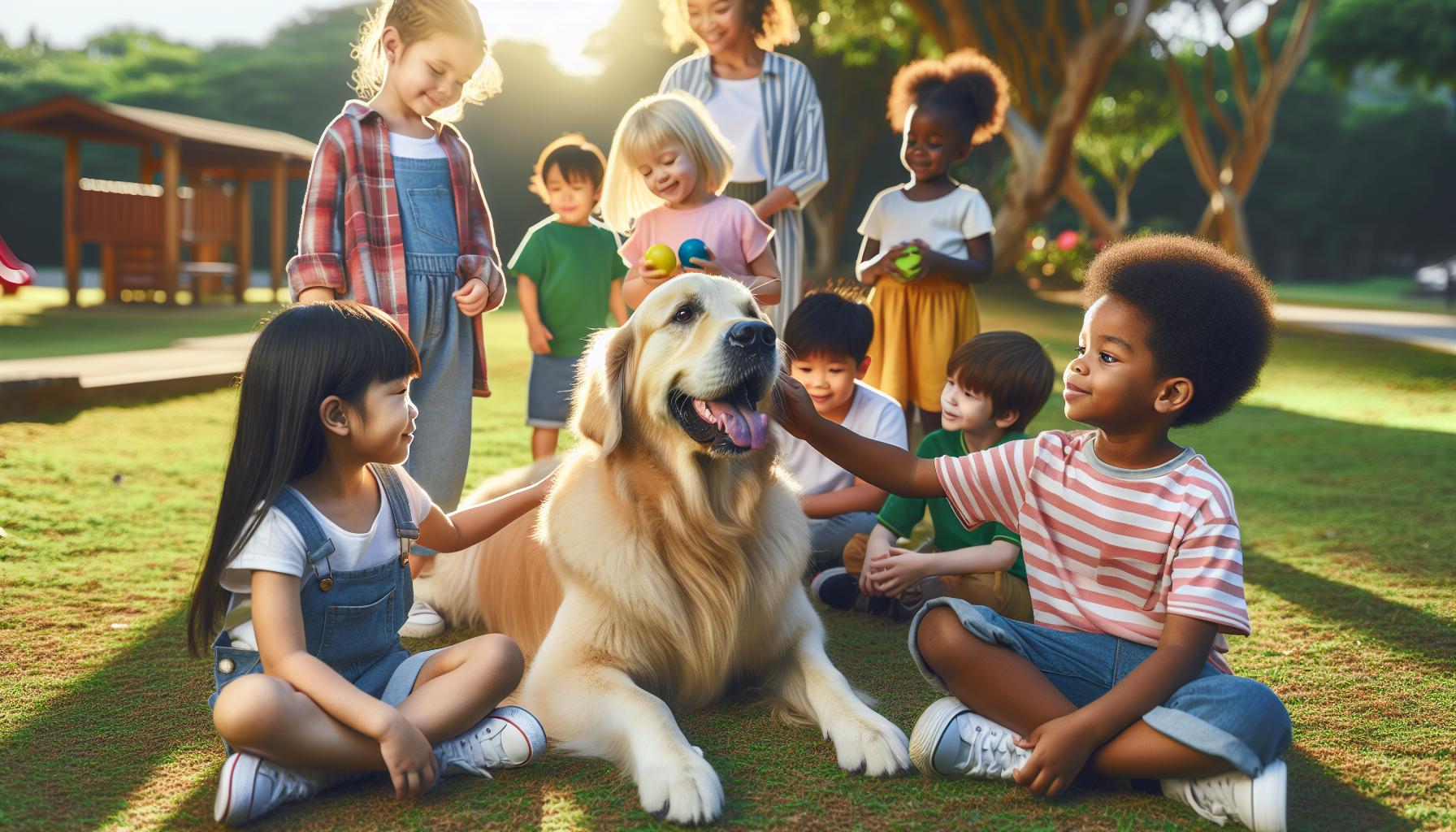
Are Golden Retrievers Good with Children? Understanding Their Temperament
Golden Retrievers are often revered as one of the most family-friendly dog breeds, renowned for their gentle disposition and unwavering patience. Their temperament truly shines in a family setting, making them the ideal companions for children. With their playful spirit and friendly nature, Golden Retrievers not only thrive on interaction but also possess an innate ability to bond with youngsters. They are known to exhibit a remarkable level of tolerance, allowing them to withstand the exuberance and sometimes chaotic behavior of children, which makes them a perfect fit for active households.
The breed is characterized by its intelligence and eagerness to please, which translates to a high capacity for training and good behavior. Golden Retrievers respond well to positive reinforcement, making them easy to train for commands and social skills that help them navigate interactions with children effectively. When introducing a Golden Retriever into a family with children, it is essential to supervise interactions initially and teach both the dog and the kids about respectful play. This mutual respect fosters a positive relationship and helps instill responsibility and empathy in children.
Emphasizing socialization from a young age can enhance a Golden Retriever’s inherent qualities, allowing them to adapt better to various situations and settings. Regular interaction with children can bolster their patience and create a deeper bond among family members. Engaging in family activities, such as playing fetch or going for walks, not only provides physical exercise but also strengthens the emotional connection between the dog and the children. With a Golden Retriever in the family, you are not just welcoming a pet, but a loyal companion that enriches family life and creates lasting memories.
The Essential Characteristics of Golden Retrievers
Golden Retrievers embody the perfect blend of intelligence, loyalty, and friendliness, making them one of the most beloved family dogs. Their history as versatile working dogs has endowed them with a natural joy for human companionship. Characterized by their golden, wavy fur and an affectionate disposition, they flourish in family environments where they can partake in daily activities, thrive on social interactions, and bask in their owners’ attention. With a playful exuberance balanced by gentleness, these dogs are renowned for their friendly nature, making them particularly well-suited for households with children.
The breed’s exceptional temperament features a high level of sociability, which is complemented by their instinctive ability to read human emotions. Whether it’s responding to the laughter of children playing or comforting a family member in distress, Golden Retrievers are deeply attuned to the dynamics of their families. Moreover, their innate intelligence ensures that they are quick learners, which is beneficial for families looking to engage their furry friends in training. With effective training techniques, these dogs can master important commands and manners, enhancing their compatibility with young children and adding to their overall family-friendly image.
Additionally, Golden Retrievers are known for their robust energy levels, which necessitate regular exercise and mental stimulation. Engaging them in outdoor play, such as fetch or agility training, not only serves as a physical outlet but also fosters stronger bonds within the family. Regular exercise helps to mitigate behavioral issues that can arise from pent-up energy, ensuring a harmonious household. Engaging in family-centric activities not only enhances their well-being but also instills important lessons about responsibility and respect in children, further solidifying the dog’s role as a cherished family member. Thus, the characteristics of Golden Retrievers cultivate an environment of love, joy, and companionship that enriches family life.
Golden Retriever Variations: Which is Best Fit for Your Family?
Choosing the right variation of Golden Retriever for your family can significantly enhance the bond you share and the overall experience of dog ownership. Different Golden Retriever types, such as the American, English Cream, and field-bred varieties, cater to various lifestyles and family dynamics. Each type has its distinct characteristics, which can influence how well they fit into your home.
The American Golden Retriever is known for its outgoing and playful nature. With a slightly lighter coat and a longer frame, this variation typically exhibits a high energy level that thrives in active households. They are often ideal for families who enjoy outdoor activities, such as hiking or playing fetch, as these dogs require plenty of exercise and mental stimulation. If your family values adventure and enjoys spending time outdoors, the American variety may be your best match.
In contrast, the English Cream Golden Retriever features a stockier build and a lighter coat, often giving them a more tranquil demeanor. These dogs are known for their calm and gentle temperament, making them excellent companions for families with small children or elderly members. Their affectionate nature and responsiveness to training can blend beautifully into a quieter, more relaxed household. If you seek an easygoing family member to cuddle with on the couch, the English Cream may be the perfect fit.
Field-bred Golden Retrievers, designed for function and agility, are smaller and leaner, possessing a more intense working ability. These dogs are highly energetic and often excel in competitions or active sports. If your family is engaged in activities like agility training or hunting, a field-bred Golden can be an exceptional choice. Their drive and enthusiasm can also inspire your children to engage in outdoor learning and bonding experiences.
Regardless of the selection, it’s crucial to consider your family’s lifestyle and activity level when choosing a Golden Retriever variation. Each type can bring unique joy and companionship, but ensuring a match based on energy, temperament, and family dynamics will pave the way for a harmonious relationship. Remember, proper training, socialization, and regular exercise are vital ingredients in nurturing the special bond you will share with your Golden Retriever, confirming that any choice can flourish into a beloved family member with the right care and attention.
Nutrition 101: Feeding Your Golden Retriever
Feeding a Golden Retriever properly is essential to their health, vitality, and ability to thrive as a beloved family companion. These dogs, known for their friendly and outgoing nature, also have particular nutritional needs that reflect their size, energy levels, and active lifestyle. A well-balanced diet will not only support their physical well-being but also enhance their playful and affectionate temperament, making them even more wonderful family members.
When choosing food for your Golden Retriever, quality ingredients play a crucial role. Opt for high-quality commercial dog food that lists a protein source, such as chicken, beef, or fish, as the first ingredient. Look for options that are specifically formulated for large breeds, as these will provide the right balance of nutrients to support their growth and maintenance. It’s also beneficial to choose foods that include omega fatty acids, which promote a healthy coat and skin, something that Golden Retrievers need due to their thick, water-repellent double coat.
Portion Control and Feeding Schedule
Establishing a feeding schedule is important to help maintain your Golden’s weight. Generally, adult Golden Retrievers thrive on two meals a day, spaced approximately 12 hours apart. Puppy Golden Retrievers require more frequent feeding, around three to four meals throughout the day to support their growth. Typically, a guideline is to feed around 2 to 3 cups of kibble daily, depending on their size, age, and activity level-consult your veterinarian for specific recommendations based on your dog’s individual needs.
To avoid obesity-an issue many Golden Retrievers face due to their love for food-monitor their body condition closely. Feel their ribs without excess fat cover and ensure their waist is visible from above. Incorporating healthy treats such as carrots, apple slices (without seeds), or green beans can be a great way to reward them without excessive calories. Always adjust their food intake based on treats and exercise, to maintain a healthy weight.
Supplements and Special Dietary Needs
Depending on your dog’s age and health, they may benefit from specific supplements. Glucosamine and chondroitin are often recommended for older Golden Retrievers to support joint health, particularly given their predisposition to hip and elbow dysplasia. Always consult your veterinarian before adding supplements to your dog’s diet to ensure they are necessary and beneficial.
In summary, a combination of high-quality dog food, proper portion control, regular feeding schedules, and close attention to health needs will allow you to nurture a thriving and happy Golden Retriever. By prioritizing their nutrition, you’re investing in a long, healthy life filled with the joy and companionship that only a Golden can bring to your family.
Essential Grooming Tips for Golden Retrievers
Golden Retrievers are renowned for their friendly disposition and are often regarded as one of the most family-friendly dog breeds. However, to keep them looking their best and feeling comfortable at home, proper grooming is essential. Their iconic double coat not only contributes to their charming appearance but also requires consistent care to prevent matting and control shedding. Regular grooming not only enhances their beauty but also strengthens the bond between you and your Golden.
To maintain a Golden Retriever’s coat, brushing should be done at least once a week. During shedding seasons, which typically occur in the spring and fall, you may need to brush daily to help manage loose hair. Use a slicker brush or an undercoat rake to effectively remove tangles and dead hair. This grooming routine not only keeps your home fur-free but also promotes healthy skin by stimulating blood circulation and distributing natural oils across their coat. Pay particular attention to areas prone to matting, such as behind the ears, underarms, and around the tail.
Bathing and Ear Care
Bathing is another vital aspect of grooming. Golden Retrievers do not need frequent baths, typically once every 6 to 8 weeks is sufficient, unless they become particularly dirty or have been swimming. Use a high-quality dog shampoo that’s gentle on their skin; this will help to keep their coat clean and shiny without stripping away essential oils. After bathing, ensure that they are thoroughly dried, especially in cooler weather, to prevent skin irritation or infections.
Ear care is equally important due to their floppy ears, which can trap moisture and lead to infections. Check your Golden’s ears weekly for any signs of redness, excess wax, or odor. If necessary, gently clean their ears with a veterinarian-recommended ear cleaner and cotton balls, being careful not to insert anything deep into the ear canal.
Nail Trimming and Dental Care
Regular nail trimming is also crucial for your Golden Retriever’s well-being. Long nails can lead to discomfort and even mobility issues. Aim to trim their nails every 3 to 4 weeks, or whenever you hear them clicking on the floor. If you’re unfamiliar with trimming dog nails, consider seeking guidance from a professional groomer or your veterinarian to ensure it’s done safely.
Dental care shouldn’t be overlooked, as dental health plays a significant role in overall well-being. Brush your Golden’s teeth several times a week using a dog-specific toothbrush and toothpaste to prevent tartar buildup and gum disease. Providing dental chews can also help maintain oral hygiene while satisfying their love for treats.
By committing to a regular grooming routine, you’ll not only keep your Golden Retriever looking stunning but also contribute to their health and happiness. This mutual care fosters a deeper connection, ensuring your Golden remains a beloved companion in your family for years to come.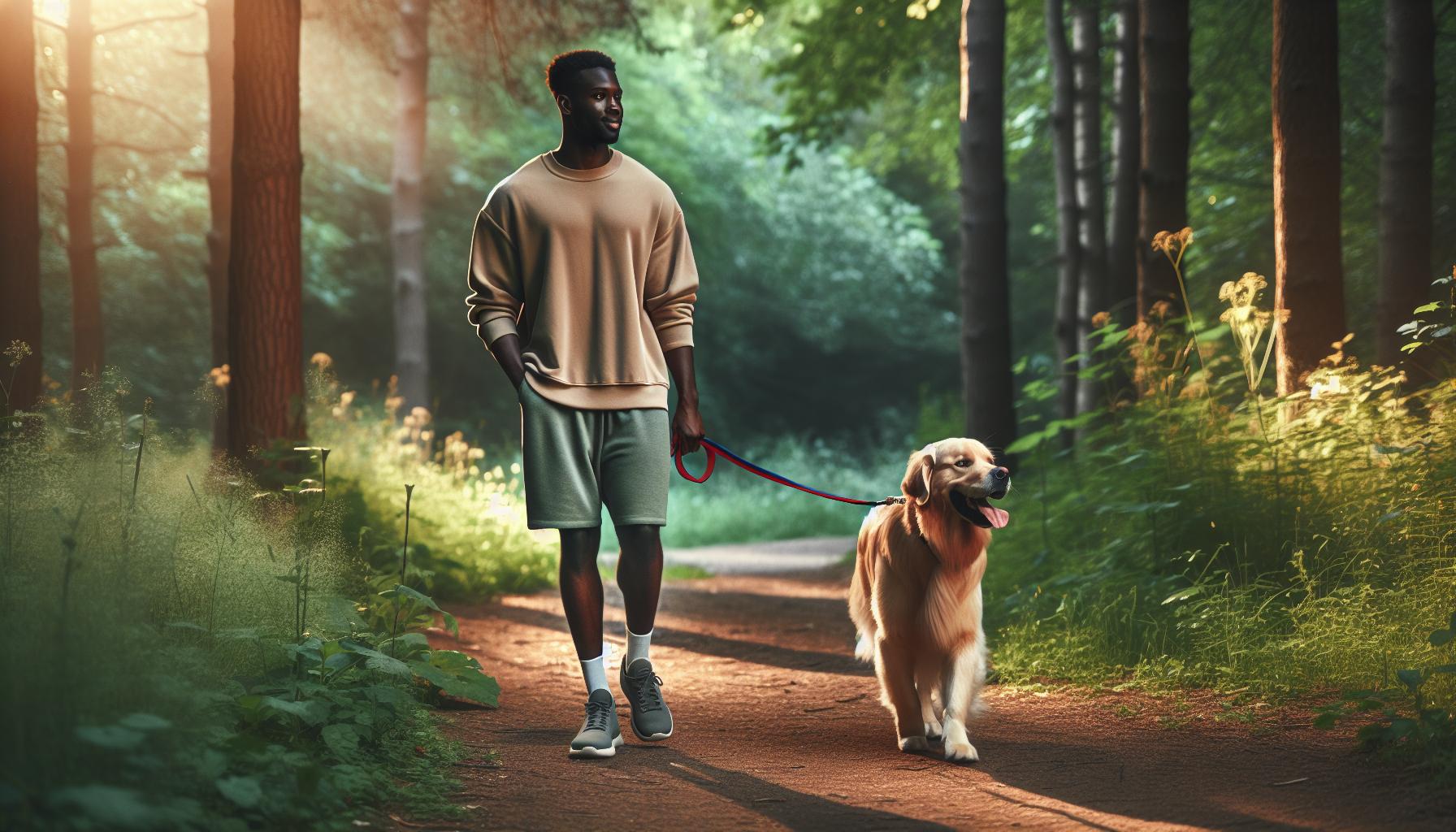
Exercise Needs: Keeping Your Golden Retriever Active
Golden Retrievers are bundles of energy and enthusiasm, making regular exercise an essential part of their daily routine. These spirited dogs thrive on activity, which not only keeps them physically fit but also mentally stimulated. Engaging in a mix of structured exercise and free play helps them release pent-up energy and supports their overall well-being. From playful fetch sessions to long hikes, keeping your Golden active is key to a happy, well-adjusted companion.
One effective way to meet a Golden Retriever’s exercise needs is through daily walks. Aim for at least one hour of brisk walking each day, which allows your pup to explore the world, socialize with other dogs, and get the cardiovascular benefits of consistent movement. Along with walking, incorporating playtime with toys, such as balls or frisbees, can be a delightful way to encourage physical activity. Golden Retrievers typically love retrieving games, leveraging their natural instincts, which can also strengthen your bond while providing necessary exercise.
Variety in Activities
Adding variety to your Golden’s exercise regime can prevent boredom and keep them engaged. Consider activities like swimming-a favorite among Golden Retrievers due to their water-loving nature. Swimming not only provides a cooling break on hot days but is also a low-impact exercise that’s easy on their joints. Furthermore, exploring dog parks can introduce them to new friends and environments, enriching their social skills and providing a space for off-leash fun.
To further challenge your Golden, think about engaging them in dog sports such as agility, obedience, or even flyball. These activities not only provide rigorous physical exercise but also stimulate their intellect, providing a rewarding outlet for their energetic spirits. Training sessions that incorporate tricks or routines can also serve dual purposes: reinforcing good behavior while burning off energy.
By meeting the exercise needs of your Golden Retriever through a blend of physical activities and mental challenges, you will cultivate a joyful and well-balanced dog, ultimately reinforcing your family’s happiness. With adequate exercise, your furry friend will be more inclined to relax at home, making them an even more delightful family companion.
Training Techniques for a Well-Behaved Golden Retriever
Training your Golden Retriever is a rewarding endeavor that not only enhances their behavior but also strengthens your bond. This breed is known for its intelligence and eagerness to please, making them highly trainable. A successful training regimen should incorporate positive reinforcement techniques, ensuring that your Golden associates obedience and good behavior with rewards such as treats, praise, or playtime. Start with basic commands like “sit,” “stay,” and “come,” and gradually work your way up to more advanced tricks or tasks.
To create a solid foundation, consistency is key. Use clear and concise commands while maintaining a positive tone to keep your dog engaged. Incorporating short, frequent training sessions-around 5 to 10 minutes a day-will help keep your pup focused and eager to learn. Golden Retrievers thrive on routine, so try to train at the same time daily. To add variety and excitement, practice in different environments. This not only reinforces what they have learned but also helps them adapt to various distractions and settings.
Socialization is another vital aspect of training, especially for Golden Retrievers. Expose your dog to a variety of people, pets, and settings from a young age. This helps them develop a friendly disposition and reduces the likelihood of fear or aggression later in life. Consider enrolling your pup in a puppy kindergarten or obedience class where they can interact with other dogs while learning essential skills.
Additionally, don’t underestimate the benefits of mental stimulation during training. Incorporating puzzle toys, scent games, or agility exercises can keep your Golden’s mind sharp and focused. Engaging your dog with interactive play, like fetch or hide-and-seek, can reinforce training concepts while providing them with physical exercise.
With love, patience, and persistence, you can cultivate a well-behaved Golden Retriever who is not only a delightful companion but also a cherished member of your family.
Health Considerations: Common Issues in Golden Retrievers
Golden Retrievers, known for their friendly nature, make wonderful family pets; however, being aware of their health considerations is critical for ensuring a long and fulfilling life. Like all breeds, they are susceptible to certain health issues. Golden Retrievers notably have a genetic predisposition to hip dysplasia, a condition where the hip joint doesn’t fit snugly into the hip socket, potentially leading to arthritis and pain. Regular veterinary check-ups, X-rays, and maintaining a healthy weight can help manage and even prevent this condition.
Another concern is their propensity for certain types of cancer, particularly hemangiosarcoma and lymphosarcoma. These cancers can develop without clear symptoms, so proactive health management is vital. Keep an eye on any unusual behaviors or changes in your dog’s health, such as lethargy or loss of appetite, and consult your veterinarian immediately if you notice anything concerning. Early detection greatly increases treatment success rates.
Golden Retrievers also often deal with skin issues, including allergies and hot spots, which can be exacerbated by environmental factors. Make a habit of checking your dog’s skin regularly for any unusual redness or irritation. Maintaining a proper grooming routine and feeding a high-quality diet can support skin health and reduce allergic reactions. Additionally, seasonal changes can impact your Golden’s coat; regular brushing can help reduce shedding and keep their coat healthy.
Dental care is another important aspect of your Golden’s health that should not be overlooked. Golden Retrievers can be prone to dental disease, so regular brushing and providing dental chews can contribute significantly to their oral hygiene. A healthy mouth not only prevents bad breath but also supports their overall well-being.
By being informed about these common health issues, you can take proactive steps to give your Golden Retriever the best life possible, ensuring that they remain a cherished part of your family for years to come.
Integrating a Golden Retriever into Your Family Life
Integrating a Golden Retriever into your family can be one of the most rewarding experiences, considering their affectionate nature and adaptability. These dogs thrive on companionship, making them excellent family pets who enjoy spending time with both adults and children. Their protective instincts and playful demeanor allow them to bond quickly, fostering lasting relationships. Transitioning a Golden Retriever into your household can be seamless if you take into account some important considerations.
To ensure a smooth introduction, it’s vital to create a structured environment. Establish clear rules and routines for both your family and your new furry friend. This might include specific areas for play and rest, or designated times for meals and walks. By doing so, you help your Golden Retriever understand their place within the family dynamic while also teaching them what behaviors are expected. Training should begin as soon as they arrive home. Basic commands like “sit,” “stay,” and “come” not only facilitate easier day-to-day interactions but also help reinforce positive behavior, establishing a foundation of respect and cooperation.
Socialization is another key aspect of integrating your Golden Retriever into family life. Early and consistent exposure to various people, pets, and environments can significantly enhance their confidence and temperament, reducing the chances of anxiety or behavioral issues later on. Consider arranging playdates with other dogs, trips to the dog park, or even just walks in busy neighborhoods. Such activities will help your Golden Retriever develop good social skills and learn to navigate different situations.
Involving your children in the care of your Golden Retriever can also strengthen the bond between them. Teaching kids how to safely interact with the dog-such as how to approach them calmly and respect their space-encourages responsibility and respect for animals. Encourage them to participate in feeding, grooming, and exercising routines. Supervised playtime is excellent for both parties, allowing your children to burn off energy while forming an affectionate link with their newfound best friend.
Lastly, don’t forget to celebrate the small moments. Whether it’s a wagging tail when they see you or a playful bark during fetch, appreciating these interactions builds a sense of joy and connection. As your Golden Retriever becomes an integral member of the family, you will witness the unique personality they bring to your home. Embrace the journey of companionship, and you will find that the love and joy they offer vastly enrich your family life.
Seasonal Care Tips for Golden Retrievers
Golden Retrievers are incredibly versatile dogs that adapt beautifully to the changing seasons, but each time of year brings unique care considerations to keep them happy and healthy. From the sun-soaked days of summer to the snowy landscapes of winter, ensuring that your Golden Retriever receives the care they need is key to their well-being and the strength of your family bond.
During the warmer months, it’s essential to keep your Golden hydrated and cool. Limit outdoor activities during the hottest parts of the day and provide shade when they are outside. Regular brushing helps manage their thick double coat, as it reduces shedding and prevents matting. Water play can be a fun way to keep them cool-consider investing in a kiddie pool or taking them to a dog-friendly beach. Always remember that dogs can get sunburn, particularly in vulnerable areas like their nose, so use pet-safe sunscreen if they will be spending extended periods in the sun.
As the leaves change and fall arrives, Golden Retrievers often enjoy the cool air and the opportunity to frolic through piles of leaves. However, this season is also when their coat begins to shed more heavily. Frequent grooming will not only keep their coat healthy but also help control allergens around your home. Ensure your dog’s paws are checked after walks since they may encounter thorny plants or sticky burs during their outdoor adventures.
Winter presents a different set of challenges and joys for your furry friend. Golden Retrievers typically enjoy snow and can tolerate cold weather well due to their thick coat. However, it’s important to monitor their time outside to prevent frostbite on their ear tips and paws. Consider getting them a doggie sweater for especially cold days, and pay attention to any signs of discomfort. After walks, wipe down their paws to remove any ice, salt, or chemicals that may harm their skin.
With the onset of spring, your Golden’s energy levels may spike as they shake off the winter blues. This is a great time for training and socialization, as many dogs are eager to interact with each other and the environment. Keep an eye on allergies, too, as spring pollen can affect dogs just like it does people. Regular check-ins with your vet can help manage any seasonal allergies your pet may suffer from.
By being proactive about your Golden Retriever’s seasonal needs, you can ensure that they remain healthy and happy throughout the year while fostering the strong bond they crave with your family.
Building a Strong Bond with Your Golden Retriever
Creating a deep and lasting bond with your Golden Retriever is one of the most rewarding aspects of dog ownership. Known for their affectionate and friendly nature, Golden Retrievers thrive on companionship and mutual trust. Engaging in activities that foster connection, whether through play, training, or simply spending time together, is essential for nurturing this invaluable relationship.
One of the best ways to strengthen your bond is through consistent training. This breed is highly intelligent and eager to please, so implementing positive reinforcement techniques not only helps establish good behaviors but also builds confidence in your dog. Consider incorporating fun training sessions that include obedience commands, tricks, and even agility courses. This not only sharpens their skills but also enhances your communication, making it easier for both of you to understand each other’s cues and feelings.
Quality Time and Play
Golden Retrievers are naturally playful and energetic, making playtime an excellent opportunity for bonding. Regular walks, fetch games, and even swimming are wonderful ways to fulfill their exercise needs while spending quality time together. Mixing up activities keeps them mentally stimulated and engaged, reducing the likelihood of behavioral problems that can arise from boredom. Consider establishing a routine that includes daily play sessions or outings to dog parks, where your Golden can socialize with other dogs and enjoy new experiences.
Building Trust through Daily Care
Routine care plays a significant role in cultivating trust. Regular grooming sessions, whether brushing their thick double coat or cleaning their ears, not only maintains their health but also gives you both time to connect. Your Golden will come to associate grooming with positive experiences, especially when paired with treats and gentle affection. Additionally, be observant during these sessions-this allows you to identify any changes in their health or behavior early on, reinforcing the bond of care and attentiveness.
To further enhance your relationship, make it a habit to incorporate your Golden into family activities. Whether it’s a movie night where they can curl up beside you or a trip to a pet-friendly location, including your dog in your daily life signals that they are a valued family member. This simple action promotes feelings of belonging and establishes a sense of security, which is vital for their emotional well-being and your partnership.
By dedicating time to training, engaging in consistent and fun play, maintaining their physical health through grooming, and involving them in family activities, you can create a fulfilling relationship with your Golden Retriever. This bond, built on love, trust, and mutual engagement, not only enriches your lives but also embodies the essence of why Golden Retrievers are beloved family companions.
Fun Activities for Golden Retrievers and Families
Golden Retrievers possess a remarkable blend of friendliness and playfulness, making them the perfect family companions. These retrievers thrive on interaction and enjoy participating in a variety of activities that not only keep them physically active but also strengthen the bond with their families. From agility courses to simply spending time in the backyard, there’s an abundance of fun activities that engage both your Golden Retriever and your family.
One popular option is organized games such as fetch or frisbee. Golden Retrievers are natural retrievers, and they shine in environments where they can run and retrieve. Taking regular trips to the park can make these games both exciting and social, offering your dog the chance to interact with other dogs and families. Consider setting up obstacle courses in your yard for added challenge and stimulation. This not only hones their physical skills but also satisfies their curious and adventurous nature.
Engaging Indoor Activities
When weather conditions aren’t favorable, there are plenty of indoor activities to keep your Golden entertained. Engaging them with interactive toys that dispense treats can stimulate their minds and encourage problem-solving. These toys are excellent for a busy schedule, as they can keep your Golden occupied while you take care of other tasks. Additionally, hosting a family training session with obedience commands or enjoyable tricks can reinforce good behavior while providing mental stimulation. The sense of accomplishment both you and your dog feel can substantially enhance your bond.
Seasonal Fun and Socialization
Taking advantage of the changing seasons can also open up a variety of fun activities. In the spring and summer, consider organizing family picnics where your Golden can partake in the festivities, enjoy the fresh air, and bask in family love. During the autumn months, spending time in a pumpkin patch or going on hayrides can expose your Golden to new sights and smells, enriching their experiences. Winter fun can include snow play, where they pratfall in the snow, or participating in holiday-themed photographs with your whole family.
Ultimately, the heart of enjoying your Golden Retriever lies in the moments spent together. With their innate joyfulness, they adapt beautifully to any family activity, from calm evenings at home to exciting adventures in nature. Every interaction you have-whether it’s a game of tug-of-war or a peaceful cuddle on the couch-helps to build a strong, lasting bond that enriches both your lives.
Frequently asked questions
Q: Are Golden Retrievers good with toddlers?
A: Yes, Golden Retrievers are generally excellent with toddlers due to their friendly and patient nature. They are known for being gentle and protective, making them a great choice for families with young children. Supervision during playtime is recommended to ensure safety for both the dog and the toddler.
Q: What makes Golden Retrievers family-friendly?
A: Golden Retrievers are family-friendly due to their loving disposition, intelligence, and sociability. They thrive on interaction and enjoy being a part of family activities, making them a perfect companion for families looking for a loyal and affectionate pet.
Q: Do Golden Retrievers require a lot of exercise?
A: Yes, Golden Retrievers need regular exercise to remain healthy and happy. Daily walks, playtime, and engaging activities are crucial to prevent boredom and behavioral issues. They typically require at least an hour of exercise each day.
Q: Can Golden Retrievers be left alone?
A: Golden Retrievers do not do well if left alone for long periods. They thrive on companionship and may experience anxiety or destructive behaviors if isolated. Ideally, they should have human interaction throughout the day or be accompanied by another pet.
Q: How should I introduce a Golden Retriever to my family?
A: Introducing a Golden Retriever to your family should be a gradual process. Allow the dog to explore their new environment while supervised, ensuring everyone has a calm and positive interaction. Providing treats and affection during introductions can help build a bond.
Q: Are Golden Retrievers good with other pets?
A: Generally, Golden Retrievers are sociable with other pets, especially when properly socialized from a young age. They often get along well with dogs and cats, but individual personalities should be considered. Gradual introductions are key to establishing harmony.
Q: What training methods work best for Golden Retrievers?
A: Positive reinforcement training methods are most effective for Golden Retrievers. Using treats, praise, and play encourages good behavior and strengthens the bond between the dog and family members. Early training is important to instill obedience and proper manners.
Q: What should I consider before getting a Golden Retriever?
A: Before getting a Golden Retriever, consider your family’s activity level, space, and time for exercise and training. They require consistent care, attention, and socialization. Understanding the commitment involved will help ensure a successful match for your family.
In Summary
As we’ve explored, Golden Retrievers are not just friendly; they are incredibly family-oriented dogs, making them ideal companions for both children and adults. Their loving nature and playful spirit create a joyful atmosphere in any home, bridging friendships and strengthening bonds. If you’re considering welcoming a Golden into your family, act now! Check out our detailed resources on training tips and nutritional needs to ensure your new pet fits right in.
Don’t miss out on understanding the different breed variations, from English Cream to Field Goldens, which you can learn about in our dedicated articles. Have questions about integrating a Golden into your home? Join our community in the comments below or sign up for our newsletter for expert advice and updates. Every step you take today can lead to a loving and lasting relationship with your Golden Retriever, so let’s embark on this exciting journey together!