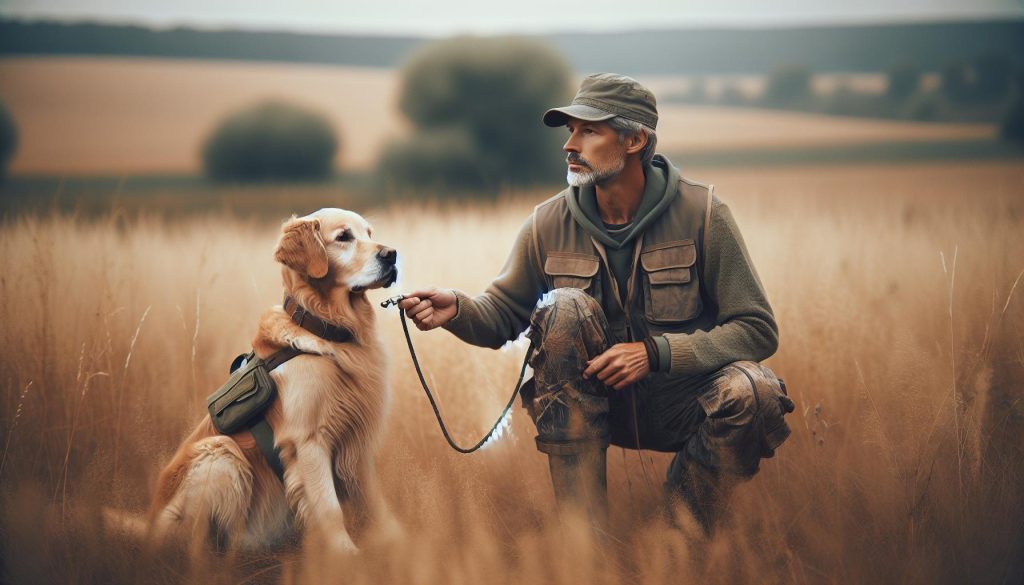
Golden Retrievers are not just beloved family companions; they also possess remarkable traits that make them excellent hunting dogs. Known for their intelligence, strong work ethic, and friendly demeanor, these dogs excel in various hunting roles, from upland game to waterfowl retrieval. If you’re considering whether a Golden Retriever is the right hunting partner for you, understanding their field skills is crucial. As you explore this topic, you’ll find insights into their natural instincts, training capabilities, and the bond that develops between a hunter and their dog. Discover how these loyal canines can enhance your hunting experience and help you achieve your goals in the great outdoors.
Are Golden Retrievers Natural Hunters?
Golden Retrievers were originally bred in the mid-19th century in Scotland for the purpose of retrieving game from both water and land, and they possess natural instincts that make them well-suited for hunting. This breed is characterized by its intelligent disposition and a strong desire to please its handler, which are essential traits for any hunting dog. Their keen eyesight, excellent hearing, and unwavering focus enable them to track and locate game efficiently, while their swim ability is particularly advantageous when retrieving waterfowl.
One of the standout qualities of Golden Retrievers as hunters is their gentle mouth; they have a soft bite that allows them to carry their quarry without damaging it. This is crucial in hunting scenarios, where the retrieval of birds or game must be conducted delicately. Their playful and sociable temperament not only allows them to bond well with their owner but also makes them adept at working in a team environment, an important aspect of hunting with a partner or group.
To maximize their hunting potential, it is vital for Golden Retriever owners to engage in consistent training that taps into their natural abilities. This includes exposure to various hunting scenarios, reinforcement of specific commands, and socialization with other dogs and people, which can help your retriever perform under diverse conditions. Training should be both fun and challenging, ensuring the dog remains motivated and eager to work.
Understanding the Hunting Instincts of Golden Retrievers
Golden Retrievers possess a remarkable natural instinct for hunting, deeply rooted in their history as skilled retrievers. Bred in the 19th century to retrieve game from land and water, their development emphasized traits that not only aid in hunting but also foster a strong bond with their handlers. These dogs are equipped with acute senses; their keen eyesight allows them to spot movement from considerable distances, while their excellent hearing helps them detect the faintest sounds of wildlife. This combination makes them exceptional at tracking and locating game.
What truly sets Golden Retrievers apart as hunters, however, is their gentle mouth. This trait enables them to retrieve birds and other game without causing harm, an essential quality for any hunting dog. Their soft bite ensures that they can carry game delicately back to their owners, reflecting their well-developed instincts and training. Coupled with their enthusiastic yet calm demeanor, they easily adapt to the pressures of hunting scenarios, often thriving in teamwork situations where they cooperate with both humans and other dogs.
To nurture these instincts, regular training is vital. Owners should create opportunities for their Golden Retrievers to experience various hunting settings and scenarios. Exposure to different environments, wildlife scents, and retrieval exercises can refine their skills. Additionally, incorporating fun into training will keep these intelligent dogs motivated and engaged, ensuring that their natural abilities are honed effectively. As a breed known for their eagerness to please, Golden Retrievers thrive when their training sessions are rewarding, filled with praise and treats, reinforcing the bond between dog and owner while elevating their hunting performance.
Field Skills: What Makes Golden Retrievers Effective Hunters
Golden Retrievers are celebrated for their extraordinary abilities that make them stand out in the hunting realm. Their keen instincts, combined with an outstanding sense of smell, play a crucial role in their effectiveness as hunting partners. These dogs are naturally inclined to follow scents, whether tracking game in the underbrush or retrieving from water. Their agility and eagerness to work alongside their human companions further enhance their field skills.
A defining characteristic of Golden Retrievers is their ability to adapt to various hunting environments. They excel in diverse terrains, from marshlands to forests, showcasing an innate versatility that few breeds can match. Golden Retrievers often exhibit excellent marking skills, enabling them to remember the location of each downed bird during a hunt. Their strong swimming abilities also make them exceptional for waterfowl hunting, where they gracefully navigate through water, returning with the retrieved game securely in their soft mouths. This combination of physical attributes and mental acuity allows them to excel in both upland game hunting and waterfowl retrieval.
Moreover, the bond formed between a Golden Retriever and their handler is a cornerstone of their success in hunting scenarios. Their trainability is another asset; these dogs thrive when given clear commands and positive reinforcement. Training should involve a mix of basic obedience and specialized hunting skills, focusing on recall, steadiness, and retrieving skills. This joyful approach to training not only hones their natural instincts but also fortifies the relationship between the dog and the owner, making every hunting trip a shared adventure filled with understanding and teamwork.
For those considering Golden Retrievers as hunting partners, it’s essential to immerse them in varied hunting experiences early on. By exposing them to different scents, sounds, and scenarios, they can build confidence and proficiency, ultimately transforming their natural abilities into remarkable hunting skills. With the right training and socialization, these dogs become not just hunting assistants but beloved family members capable of extraordinary feats in the field.
Training Techniques for Hunting Golden Retrievers
Golden Retrievers thrive when given the right guidance and encouragement in their training, making them one of the most enjoyable dog breeds to train for hunting scenarios. These intelligent and eager-to-please dogs excel in various hunting environments due to their natural instincts and strong bond with their handlers. Effective training techniques focus not only on instilling essential hunting skills but also on reinforcing the joy of working together in the field.
To begin training hunting Golden Retrievers, familiarization with basic commands is key. Start with essential obedience commands such as “sit,” “stay,” “come,” and “heel.” Once these are well established, introduce more specialized training such as “fetch” and “drop it.” Using positive reinforcement methods-like treats, praise, and playtime-can dramatically enhance their motivation and eagerness to learn. Establishing consistent communication through hand signals or whistles can also aid in training, especially in noisy environments.
Building upon basic obedience, it’s essential to introduce specific hunting drills. Incorporate techniques such as mark training, where the dog learns to retrieve objects thrown in various directions. Use bumpers or training dummies to simulate hunting scenarios; this aids their development in marking skills and reinforces retrieval instincts. Water training is also crucial, particularly for those interested in waterfowl hunting. Gradually introduce your Retriever to water environments, starting with shallow areas, and encourage them to swim after retrieving objects. This helps solidify their natural strengths as water retrievers.
Consistency is vital; regular training sessions-short and engaging-help maintain their interest and reinforce learned skills. As they progress, gradually increase the difficulty level of the tasks, including distractions in the environment to prepare them for real hunting scenarios. Engage in socialization exercises early on, exposing them to various hunting noises, scents, and environments. This integration will not only enhance their performance in the field but also ensure they remain adaptable and confident.
With patience, understanding, and a focus on building a solid relationship, Golden Retrievers can become outstanding hunting companions. Emphasizing a playful yet disciplined approach helps turn training into a rewarding experience for both you and your dog, strengthening the bond that makes Golden Retrievers exceptional hunting partners.
Comparing Golden Retrievers with Other Hunting Breeds
Golden Retrievers truly shine in hunting scenarios, yet how do they stack up against other hunting breeds? Understanding the unique traits that set them apart-and what they share with their competitors-helps potential owners choose the right canine companion for their hunting adventures.
Many hunting dogs excel in specific areas, with breeds like Labrador Retrievers known for their versatility and speed, and Spaniels recognized for their ability to flush game from dense underbrush. While Golden Retrievers are highly adaptable, they excel particularly in retrieving, thanks to their innate love for water and the soft mouths that allow them to carry game without damage. Their friendly dispositions and eagerness to please make them particularly trainable, as they often bring both enthusiasm and companionship to the field.
Strengths of Golden Retrievers
Golden Retrievers have several strengths that enhance their hunting capabilities:
- Excellent Retrieval Skills: Their instinct to retrieve makes them natural hunting partners, particularly in field trials and waterfowl hunting.
- Gentle Mouth: This trait allows them to retrieve birds and other game without causing injury, an essential quality for any hunting dog.
- Eager-to-Please Nature: Their friendly and loyal demeanor promotes strong bonds with hunters, making training enjoyable and effective.
Comparing them with pointers, which are adept at tracking and pointing game, Golden Retrievers may not match the latter’s instinctive ability to hold a point. However, their stamina and endurance make them excellent for long days in the field. Retrievers thrive on social interaction and teamwork, positioning them as fantastic companions during hunting excursions that extend beyond the actual pursuit.
Golden Retrievers do, however, face competition from breeds designed for specific terrains. Breeds like the German Shorthaired Pointer showcase remarkable versatility, being both an exceptional swimmer and a competent pointer. In contrast, Golden Retrievers, with their softer mouth and hundred-year history of being bred as service-oriented companions for humans, might focus more effectively on retrieving tasks.
In conclusion, while Golden Retrievers may not always outpace specialized breeds in every hunting aspect, their overall adaptability, friendliness, and effective retrieving abilities create a perfect balance for many hunters. Their distinct characteristics not only foster an exceptional bond with their human partners but also make them invaluable assets in the field. Whether it’s a waterfowl hunt or retrieving game from a wooded area, Golden Retrievers have proven time and again to be dedicated and capable companions.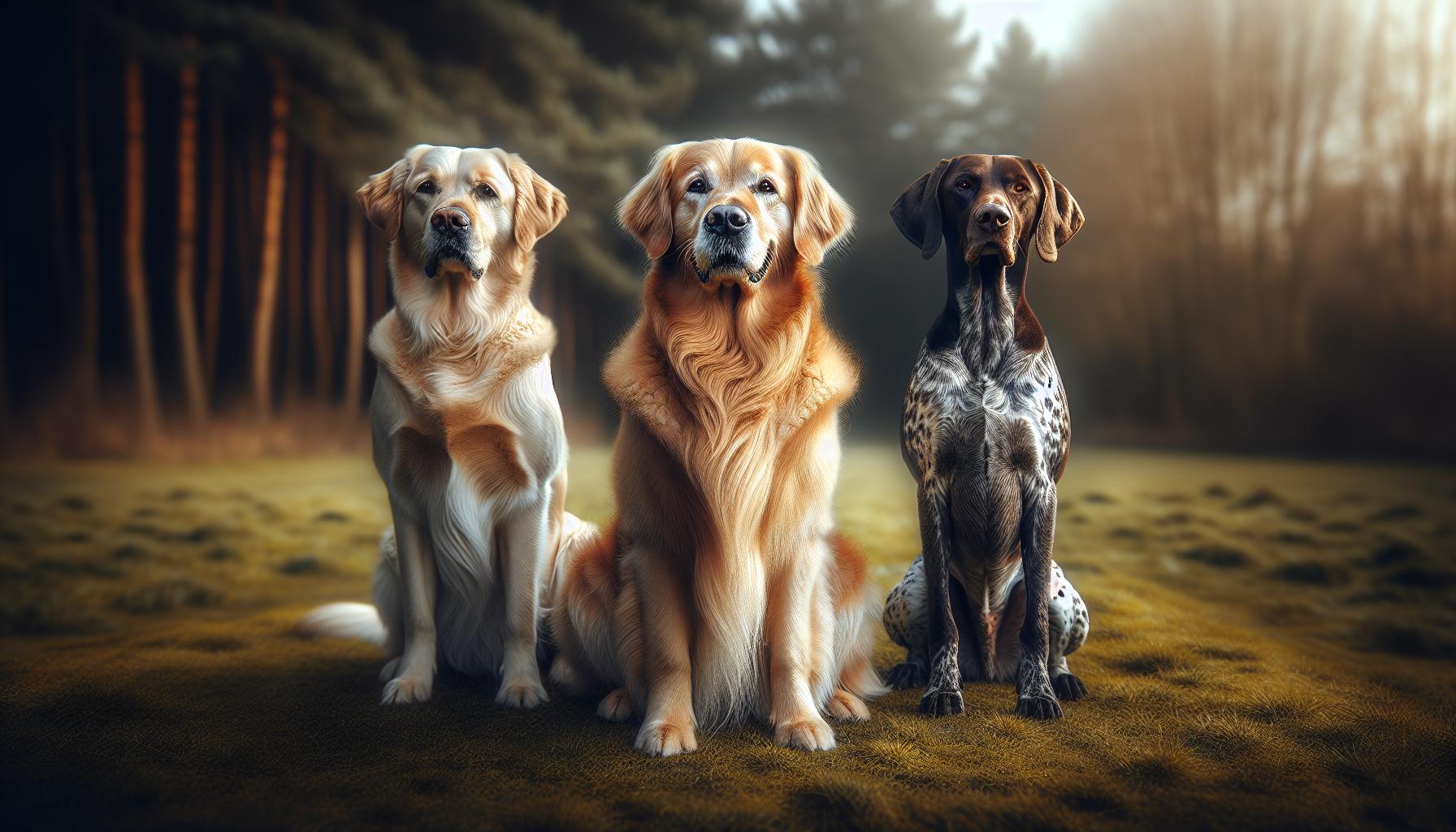
The Role of Socialization in Hunting Performance
Golden Retrievers thrive in environments that enhance their natural instincts, and socialization plays a pivotal role in shaping their hunting performance. From an early age, exposing them to various experiences, people, and other animals can significantly impact their confidence and behavior in the field. Socialized dogs are generally more adaptable, which can lead to improved focus and reliability during hunting activities. For instance, a Golden that has been introduced to different sounds-from the rustle of leaves to the blast of a shotgun-will respond more calmly and effectively when faced with these stimuli during an actual hunt.
Effective socialization not only builds confidence but also fosters essential skills such as teamwork and communication with their human companions. Golden Retrievers are inherently social creatures, and their strong desire to please their owners enhances their training. When they learn to work harmoniously alongside other dogs and join in group activities, they develop a better understanding of their role as hunting partners. Engaging them in play with other dogs or allowing them to accompany you on various outings creates a strong bond and resonates positively during field trials or real hunts.
To maximize the benefits of socialization, consider incorporating structured activities such as obedience classes or playdates with other dogs. These environments provide the ideal conditions to practice commands and engage in activities that mimic real hunting situations. Equally, exposing them to varying terrains and environments-whether that be wooded areas, water bodies, or fields-will prepare them for diverse hunting conditions. As they grow more comfortable with different settings, their instincts will sharpen, making them more effective hunters.
Creating a routine to introduce your Golden Retriever to new experiences ensures a well-rounded development. Plan short trips to pet-friendly parks, enlist them in organized training sessions, or involve them in other outdoor activities where they can practice their retrieving skills. The more positive experiences they encounter, the more confidently they will perform when it matters most in the field. Ultimately, a well-socialized Golden Retriever embodies the spirit of a joyful companion and a skilled hunting partner, making for an enriching experience for both dog and hunter.
Nutrition for Hunting Golden Retrievers: Fueling Performance
To ensure optimal performance in the field, the diet of a hunting Golden Retriever must be specially tailored to meet their energy needs while supporting overall health. This breed, known for its endurance and agility, thrives on a well-balanced diet rich in protein, fats, and essential nutrients. A good rule of thumb is to choose a high-quality dog food formulated specifically for active or sporting dogs, which typically contains higher protein levels to fuel their work and play.
Key Nutritional Elements
When selecting the appropriate food for your hunting companion, focus on the following essential components:
- Protein: Aim for a diet that lists real meat (like chicken, beef, or fish) as the primary ingredient. Proteins are crucial for muscle maintenance and energy levels during long days in the field.
- Fats: Healthy fats provide concentrated energy and support skin and coat health. Look for sources like fish oil or flaxseed oil that also offer omega fatty acids.
- Carbohydrates: While not the primary energy source, carbohydrates from whole grains and vegetables help maintain endurance. Complex carbs release energy steadily, crucial for extended hunting trips.
- Vitamins and Minerals: Ensure the food contains a balance of vitamins and minerals to support overall wellness, immune function, and bone health.
Feeding Schedule and Portions
Consistency in feeding is vital for active Golden Retrievers. A general guideline would be to feed high-energy Golden Retrievers 2-3 meals a day, distributing their total daily caloric intake evenly. Monitor their weight and energy levels, adjusting portion sizes as needed to ensure they maintain a healthy condition without becoming overweight.
Hydration and Supplements
Keeping your Golden hydrated is just as critical. Always provide fresh water, especially after rigorous activity. Depending on their individual needs and workload, consider adding supplements that support joint health, like glucosamine or chondroitin, to help them remain active and agile as they mature.
With proper nutrition, your Golden Retriever will not only perform admirably in the field but also enjoy a healthy, happy life as both a hunting partner and a beloved family member. Fostering this bond through careful dietary choices enhances their natural abilities and strengthens the companionship that you cherish.
Grooming for Success: Keeping Your Golden Retriever Field Ready
To keep your Golden Retriever field-ready, grooming is an essential practice that ensures they not only look their best but are also equipped to perform in hunting environments. Regular grooming helps prevent matting, reduces the risk of skin problems, and maintains overall hygiene, which is crucial for an active lifestyle. The breed’s beautiful double coat, while providing insulation and protection, also requires consistent care to combat dirt, debris, and moisture that can accumulate from outdoor activities.
Brushing and Coat Care
A comprehensive grooming routine begins with regular brushing. Aim to brush your Golden Retriever at least 2-3 times a week, and more frequently during shedding seasons. This not only helps to remove loose fur but also stimulates natural oils that keep the coat healthy and shiny. Use a slicker brush or a de-shedding tool to effectively reach through their dense fur. Pay special attention to the ears, paws, and underbelly, where dirt and burrs can easily accumulate during hunts.
Bathing
Bathing should be done as needed, typically every 6-8 weeks, depending on how much time your dog spends outdoors. Use a high-quality dog shampoo that is gentle yet effective in cleaning the coat without stripping it of essential oils. After bathing, ensure your pup is thoroughly dried, especially in cooler weather, to avoid chills during activities.
Nail Trimming and Ear Care
Maintaining proper nail length is vital for your Golden Retriever’s comfort and performance. Trim their nails every 3-4 weeks or as needed, ensuring they are short enough to prevent discomfort while running through varied terrain. Additionally, inspect and clean their ears weekly to prevent wax build-up and potential infections, particularly after swimming or hunting in wet environments.
Dental Hygiene
Incorporating dental care into your grooming routine is just as important. Regular teeth brushing can help prevent tartar build-up and dental diseases, contributing to your dog’s overall health and well-being. Aim for at least 2-3 times a week using dog-specific toothpaste and brushes.
By dedicating time to grooming, you’re not just ensuring your Golden Retriever is visually appealing; you’re enhancing their performance, comfort, and overall health in the field. A well-groomed dog is happier, healthier, and more prepared for the thrilling challenges of hunting, further strengthening the bond between you and your loyal companion.
Common Challenges in Hunting with Golden Retrievers
Hunting with Golden Retrievers can be an incredibly rewarding experience, yet it also presents unique challenges that both novice and seasoned hunters must navigate. Despite their friendly demeanor and natural retrieving instincts, these dogs can encounter difficulties in the field that stem from their personality and training needs.
One significant challenge is their inherent excitement and enthusiasm, which, while a strength, can sometimes lead to distractions. Golden Retrievers are known for their playful nature, and when in an environment filled with scents and sights, they may veer off course or have trouble concentrating on the task at hand. This exuberance can be managed through focused training sessions that emphasize recall and attention, ensuring they remain engaged with their handler during hunts.
Another hurdle can be the versatility in hunting scenarios. Golden Retrievers thrive in waterfowl hunting due to their fondness for water, but they may struggle with game that requires different handling techniques or terrain navigation. As such, owners should expose their retrievers to various hunting environments, scenarios, and species throughout training. This helps them develop adaptability and confidence, making them competent hunters across diverse situations.
Additionally, a common challenge lies in the retrieval process itself. Golden Retrievers have a strong instinct to retrieve but may occasionally become overly possessive of their finds or exhibit excessive excitement. It’s essential to train them on a solid “drop it” command and encourage calm behavior when presenting game. Practicing this command in controlled scenarios will help instill good habits, promoting a calmer and more methodical approach during actual hunts.
Lastly, maintaining the health and stamina of your Golden Retriever is crucial. Extended periods of hunting can be taxing, and it’s vital to monitor their physical condition, hydration, and energy levels. Providing ample breaks and ensuring they have access to clean water while out in the field will help prevent fatigue and injury.
By addressing these challenges through thoughtful training and preparation, you and your Golden Retriever can create a rewarding hunting partnership, capitalizing on their natural instincts while mitigating potential pitfalls. The bond formed over shared experiences in the field is what truly enhances the magic of hunting together.
Field Trials and Testing: Assessing Your Retriever’s Skills
To truly gauge the effectiveness of a Golden Retriever as a hunting companion, participating in field trials and testing is invaluable. These events provide a structured and controlled environment to assess and showcase a retriever’s natural abilities and training in various hunting scenarios. Engaging in field trials not only helps validate the skills of your Golden but also enhances bonding through shared goals and experiences.
During field trials, participants typically compete in tests that simulate real hunting situations, evaluating skills such as marking, retrieving, and obedience. Retrievers are judged on their performance efficiency, ranging from how well they follow commands to their ability to locate and retrieve game under simulated hunting conditions. This requires a combination of natural instincts, like a keen sense of smell and agility, along with trained responses, prompting handlers to focus on both innate talents and learned behaviors.
To prepare for these trials, you can adopt a systematic approach to training. Begin with foundational obedience exercises and then gradually introduce more complex skills, like marking and multi-fetch tasks, to challenge your Retriever’s understanding of hunting dynamics. Establishing a reliable recall command is essential, enabling your Golden to return promptly after each retrieve, which is vital for field efficiency.
Additionally, exposing your Golden Retriever to various types of game is beneficial. By recreating diverse hunting situations, whether with ducks, upland game birds, or dummies, you’ll help your Retriever become comfortable and adaptable in unfamiliar environments. This practice pays off not only in trials but also in real-world hunting experiences, ensuring that your dog remains calm and confident in varying situations.
Ultimately, field trials and testing serve as both an assessment tool and a bonding experience, spotlighting the intelligence and athleticism that make Golden Retrievers go-to choices for hunters. By embracing these opportunities, you foster a stronger relationship with your dog while enhancing their skills, creating unforgettable adventures in the field.
Real-Life Hunting Stories: Golden Retrievers in Action
Golden Retrievers have an innate talent for hunting, showcased vividly through a multitude of real-life stories that highlight their exceptional skills and unbreakable bond with their handlers. One such story features a duo of hunting enthusiasts, James and his Golden, Max, who undertook a memorable duck hunting trip in the heart of the marshlands. After a careful morning of setting decoys, they patiently waited for the first flocks. As birds began to pass overhead, Max demonstrated remarkable focus and enthusiasm, responding precisely to James’ calls. When the shots rang out, it was Max’s powerful drive that shone through as he leaped into the water, effortlessly retrieving the downed ducks with remarkable speed and precision.
Another notable hunting moment comes from a family outing where 10-year-old Lucy and her Golden Retriever, Bella, ventured out for a day of upland game hunting. While other dogs floundered in chasing after game, Bella’s keen sense of smell and temperament steadily guided Lucy through the fields. At one point, Bella pointed out a hidden pheasant, its camouflage nearly perfect against the terrain. With a soft command from Lucy, Bella sprang into action, flushing the bird and returning it with pride. Lucy’s joy was unmistakable, reflecting the special connection between the two as they celebrated their success together. These experiences underscore not only the natural hunting abilities of Golden Retrievers but also their role as valued companions in the field.
Strong training foundations complemented by these real-life scenarios highlight the effectiveness of Golden Retrievers as hunting partners. Owners consistently emphasize the importance of consistent practice, socialization, and exposure to various hunting environments. By participating in activities reminiscent of actual hunting experiences, you can nurture your dog’s instinctual skills while deepening your bond. Engaging stories not only inspire dog owners to recognize and harness these instincts but also to appreciate the joyful moments that arise from hunting adventures shared with their beloved Goldens.
In addition to their skills in the field, Golden Retrievers possess a unique ability to anticipate their handlers’ needs. Many hunters report that their Goldens seem to intuitively understand the excitement of a successful hunt, eagerly offering their support not just as capable retrievers, but as loyal companions. Through these captivating narratives of Golden Retrievers in action, it becomes evident that their value extends far beyond their hunting prowess; they embody the spirit of partnership, adventure, and sheer joy of the hunt.
Tips for First-Time Owners: Preparing Your Golden for Hunting
Preparing your Golden Retriever for hunting is an exciting journey that can enhance your bond while honing your dog’s natural instincts. To start, understanding the unique characteristics of this breed will set the foundation for effective training. Golden Retrievers are known for their intelligence, enthusiasm, and strong desire to please, making them receptive to training and eager to participate in hunting activities. Start introducing your dog to the outdoors early on, gradually exposing them to various environments, sounds, and sights they may encounter during hunting.
To ensure a successful preparation process, consider the following essential tips:
- Start with Basic Obedience: Before delving into hunting-specific training, ensure your Golden has a solid grasp of basic commands such as sit, stay, come, and heel. The ability to respond to commands promptly is crucial in the field.
- Introduce Scents Gradually: Use scent games to engage your dog’s nose. Begin with simple items like feathers or training dummies. This encourages your Golden’s natural retrieving instincts while associating fun with the act of hunting.
- Utilize Positive Reinforcement: Rewarding your dog with treats and praise for good behavior fosters a positive learning environment. Utilizing this method not only motivates your Golden but also strengthens your bond.
- Conduct Simulated Hunting Exercises: Set up practice scenarios that mimic real hunting situations. This can include throwing a dummy or using sound effects that replicate gunshots or bird calls. Gradually increase the difficulty level as your dog becomes more skilled.
- Focus on Socialization: Exposure to other dogs, people, and various terrains is vital. A well-socialized dog is more confident and adaptable in the field. Organize playdates or attend hunting training classes to achieve this.
In addition to these fundamental training steps, ensure that your Golden is in peak physical condition through regular exercise and appropriate nutrition. Incorporate activities that build stamina and agility, crucial for effective hunting. A balanced diet tailored to their energy needs will help maintain their health and vigor. Regular grooming not only keeps their coat in top shape but also helps prevent discomfort during outdoor excursions.
By embracing these training principles and nurturing your Golden Retriever’s natural abilities, you pave the way for a fulfilling hunting partnership. With patience and commitment, your bond will grow through shared experiences in the great outdoors, turning each hunting trip into a memorable adventure.
Q&A
Q: Are Golden Retrievers suitable for tracking game?
A: Yes, Golden Retrievers are excellent tracking dogs due to their strong sense of smell and natural instinct to retrieve. Their persistence and enthusiasm make them proficient in tracking, especially in hunting scenarios. Regular training can enhance their tracking skills, making them invaluable hunting companions.
Q: How do Golden Retrievers compare to Labrador Retrievers for hunting?
A: While both breeds are skilled hunters, Golden Retrievers excel in waterfowl retrieval thanks to their buoyant bodies and soft mouths. Labradors are often preferred for upland hunting due to their stamina. Ultimately, the best choice depends on the type of hunting you plan to pursue.
Q: Should I train my Golden Retriever for hunting from a young age?
A: Yes, starting training early helps develop your Golden’s skills and ensures they are comfortable in the field. Early exposure to various environments and hunting scenarios enhances their natural instincts and promotes successful hunting behavior as they grow.
Q: What basic commands should I teach my Golden Retriever for hunting?
A: Essential commands include “sit,” “stay,” “come,” and “fetch.” Teaching these commands establishes a solid foundation for obedience in the field. As your dog masters these basics, you can introduce more advanced commands specific to hunting tasks.
Q: What type of gear is essential for hunting with Golden Retrievers?
A: Important gear includes a quality collar and leash, a specialized harness for water retrieval, and a first aid kit. Additionally, consider using a hunting vest that provides visibility and protection during field work. This gear maximizes safety and effectiveness.
Q: Can Golden Retrievers work as scent detection dogs?
A: Yes, Golden Retrievers can be trained for scent detection tasks due to their keen sense of smell and eagerness to work. They are often utilized in roles such as tracking lost persons or detecting substances in various environments, showcasing their versatility.
Q: How do I manage my Golden Retriever’s energy during hunting trips?
A: To manage energy levels, ensure your Golden receives ample exercise before trips, such as running or playing fetch. Regular breaks during hunting allow them to rest and recharge. Keeping their energy in check maximizes performance and minimizes fatigue.
Q: What are the signs that my Golden Retriever is ready for hunting?
A: Signs that your Golden is ready for hunting include displaying enthusiasm for outdoor activities, a strong desire to fetch objects, and responsiveness to commands. Regular training sessions can also help gauge their readiness for hunting tasks, ensuring they’re prepared for fieldwork.
Insights and Conclusions
If you’re considering adding a Golden Retriever to your hunting team, you’ve seen how their friendly nature and intelligence make them not just great companions, but also formidable hunters. Remember, their eagerness to please and trainability can turn them into exceptional field partners with the right guidance. If you still have questions about their training or care, don’t miss our detailed resources on Golden Retriever training tips and grooming essentials.
Now is the perfect time to explore those options and ensure you’re well-prepared for a successful experience with your hunting buddy. Dive into our articles and connect with other Golden Retriever enthusiasts in the community-you’ll gain valuable insights and support. Your adventure with this incredible breed awaits, so prepare to forge that special bond and make unforgettable memories in the field! Share your thoughts below, and don’t hesitate to sign up for our newsletter for ongoing tips and updates tailored to Golden Retriever ownership.