Did you know that Golden Retrievers are not just outdoor companions but can thrive beautifully as house dogs? Their friendly, gentle nature makes them excellent family pets, perfectly suited for indoor living. However, many potential owners wonder about the specific needs and adjustments required for these lovable canines to thrive indoors. In this guide, we will explore how to create a comfortable and enriching environment for your Golden Retriever at home, covering everything from exercise and grooming to training and health care. Understanding their characteristics and lifestyle requirements is essential for fostering a happy, healthy bond with your furry friend. Whether you’re a first-time dog owner or a seasoned enthusiast, you’ll find valuable insights to help you integrate your Golden Retriever seamlessly into your indoor life. Let’s unlock the secrets to making your home a true haven for your beloved pup!
Are Golden Retrievers Good House Pets?
Golden Retrievers are renowned for their friendly and adaptable nature, making them exceptional companions for families and individuals alike. Known for their intelligence and eagerness to please, these dogs thrive in home environments and exhibit a level of loyalty that fosters deep bonds with their owners. Their gentle temperament is particularly appealing, especially for families with children or other pets. With a warm and engaging demeanor, Golden Retrievers can seamlessly integrate into various household dynamics, bringing joy and companionship to those around them.
These dogs require a moderate amount of space, but they can comfortably adapt to apartment living as long as their exercise needs are met. Their innate curiosity and playfulness mean they enjoy being part of family activities, whether it’s snuggling on the couch or participating in outdoor adventures. Moreover, their social nature encourages positive interactions with visitors, making them excellent watchdogs without being overly aggressive. However, prospective owners should consider the time and commitment necessary for training and socialization to ensure that their Golden Retriever develops into a well-mannered house pet.
In conclusion, the Golden Retriever is an ideal house pet, provided that owners dedicate sufficient time for exercise, training, and social interaction. This breed’s ability to form lasting bonds, combined with their friendly and adaptable character, makes them a delightful addition to any home. With proper care and attention, a Golden Retriever will not only thrive indoors but also enrich the lives of everyone in the household.
Understanding the Golden Retriever Temperament
Golden Retrievers possess a temperament that is truly captivating, making them some of the most beloved house pets. These dogs showcase an exemplary mix of intelligence, friendliness, and eagerness to please, hallmarks that set them apart as ideal companions for both families and individuals. Their naturally sociable disposition allows them to connect deeply with people, creating strong bonds and fostering an atmosphere of joy and companionship in the home. It’s not uncommon to see a Golden enthusiastically greeting family members with tail wags and playful nudges, embodying their affectionate nature.
A key element of the Golden Retriever’s temperament is their remarkable adaptability. Whether in a spacious home or a cozy apartment, they can adjust as long as their mental and physical exercise needs are met. Their innate curiosity drives them to explore their environments, inviting interaction that keeps both them and their humans entertained. This breed thrives on social engagement: they relish family activities, whether it’s a relaxed evening lounge or an adventurous hike. Moreover, their gentle demeanor makes them wonderful around children and other pets, showcasing a natural patience that is reassuring to families with young ones.
To cultivate a well-balanced temperament, early socialization and training are pivotal. Engaging in positive reinforcement methods not only reinforces good behavior but also nurtures their eager-to-please attitude. Regular training sessions bolster mental stimulation, helping prevent behavioral issues that may arise from boredom. As family members integrate these dogs into their lives, it’s beneficial to understand each Golden’s unique personality traits, which can vary from energetic and playful to more laid-back and cuddly, allowing for tailored interactions that enhance the bond between them and their owners.
Ultimately, a well-cared-for Golden Retriever not only flourishes with love and attention but also enriches the lives of everyone in the household. Their joyful spirit, combined with their profound loyalty and affection, embodies what it means to be a cherished member of the family. By fostering a nurturing environment, owners can ensure their Golden Retriever becomes the quintessential house pet, bringing laughter, love, and endless companionship.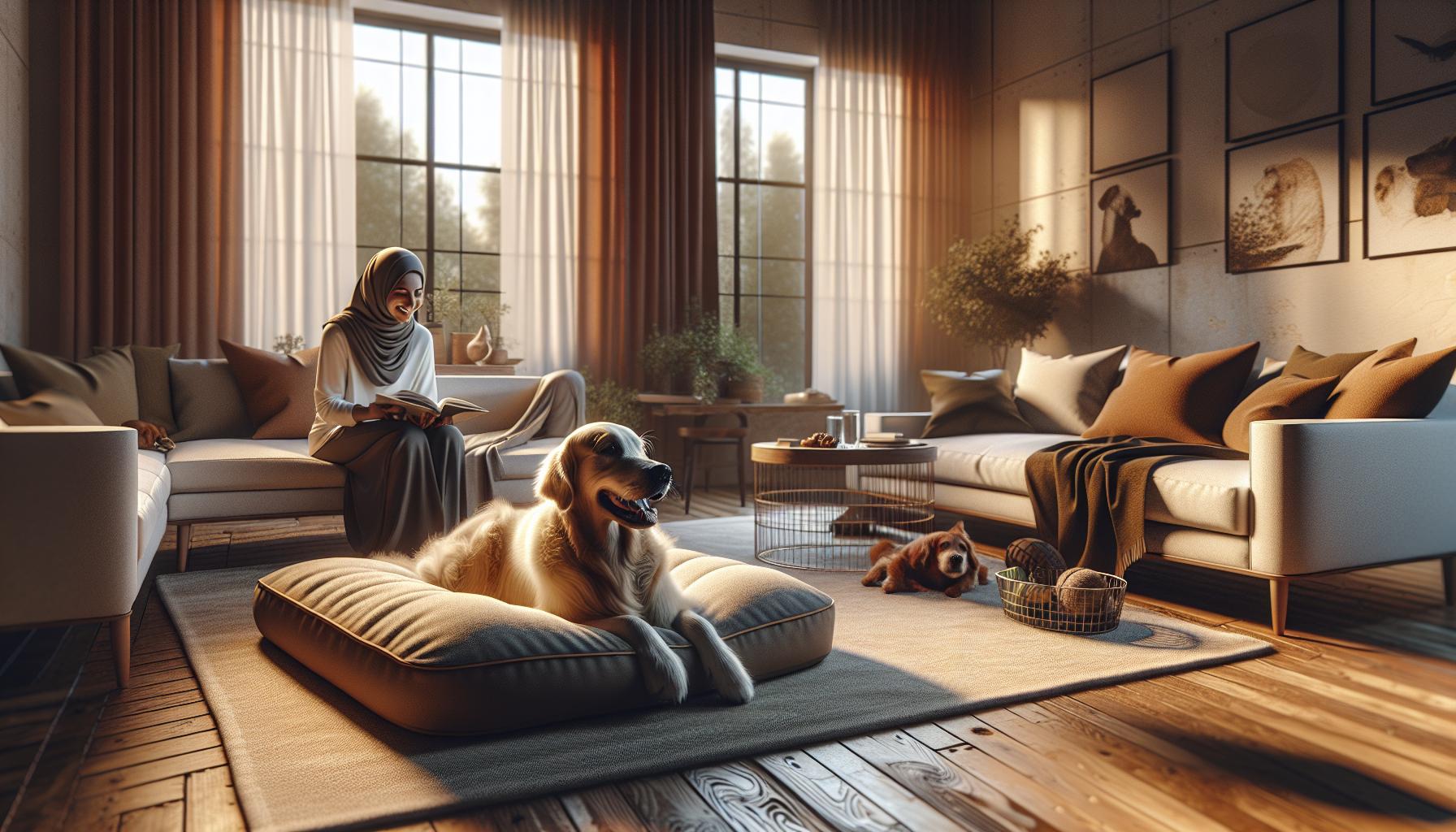
Indoor Living: Spatial Needs for Golden Retrievers
Living with a Golden Retriever indoors can be immensely rewarding, as this breed thrives on companionship and familiarity. These dogs are known for their adaptability, but creating an environment that meets their spatial needs is crucial for fostering their happiness and well-being. Golden Retrievers are large, energetic dogs that typically require more space than smaller breeds, making it essential to consider their physical and mental needs when planning your home layout.
Golden Retrievers love to explore and interact, which means having enough space for them to move freely is vital. Ideally, they should have access to a living area where they can roam, play, and engage with family members without feeling cramped. An open floor plan is especially beneficial, allowing these playful pups to dart from room to room and keep an eye on their humans. Designating a specific area for them to rest, such as a cozy dog bed in the family room, can also help them feel secure while still being part of the household activity.
Creating an Inviting Indoor Space
To enhance your Golden Retriever’s indoor living experience, consider the following tips:
- Furniture Arrangement: Ensure that furniture is arranged to allow ample room for the dog to move around comfortably. Avoid clutter that could make the space feel restrictive.
- Designated Zones: Create separate zones for different activities. For instance, a playful area with toys and a calm space with their bed can help them switch between playtime and downtime smoothly.
- Safe Enclosures: If needed, use baby gates to create safe boundaries that allow your dog to be part of family life while keeping them away from potentially dangerous areas, like kitchens or staircases.
In addition to physical space, mental enrichment is vital. Golden Retrievers are intelligent and curious, requiring stimulation to keep them engaged. Incorporate puzzle toys, interactive games, or training sessions into their daily routine. This will not only occupy their minds but also strengthen your bond with them, as you’re both working together to solve problems or learn new commands.
Considerations for Smaller Spaces
If you live in a smaller home or apartment, there are still ways to accommodate a Golden Retriever’s needs. Short daily walks and regular trips to dog parks can help meet their exercise requirements. Establishing a routine that includes both indoor playtime and outdoor exploration will keep them happy and well-adjusted, even in limited space. Engaging them with brain games can also be a great way to expend their energy while indoors.
Ultimately, understanding and addressing the spatial needs of a Golden Retriever will ensure they live a fulfilling and happy life indoors. Their joyful nature and loyalty make them wonderful companions, and with a little thoughtful planning, your home can become their perfect haven.
Essential Exercise Requirements for Indoor Dogs
To thrive, Golden Retrievers require a substantial amount of physical exercise each day. These energetic pups are bred for activities like retrieving and swimming, meaning they are not just playful companions but also active participants who need regular movement to maintain their physical health and emotional well-being. For indoor living, meeting these exercise needs is paramount to prevent behavioral issues stemming from boredom or pent-up energy.
Regular walks are essential, with a minimum of 60 minutes a day recommended, divided into shorter sessions if necessary. Incorporating outdoor activities in a secure area can be beneficial. Engaging in fetch or tug-of-war provides both physical and mental stimulation that aligns perfectly with a Golden Retriever’s playful nature. Moreover, activities like agility training or obedience classes can not only fulfill their exercise requirements but also enhance their mental engagement and strengthen the bond between pet and owner.
Understanding the dog’s behavior is crucial; Golden Retrievers thrive in an environment where they can safely expend their energy. If outdoor time is limited due to weather or space, indoor exercise can make a significant difference. Setting up an obstacle course with household items, practicing indoor fetch in a hallway, or scheduling interactive play sessions with varying toys can keep them entertained and active. Puzzle toys that dispense rewards can also captivate their attention, channeling their intelligence constructively.
Incorporating structured play and exercise into a daily routine not only satisfies their physical needs but also nurtures their affectionate yet spirited character. By ensuring your Golden Retriever receives adequate exercise, you’re fostering a happy, healthy companion that cherishes your time together and embodies the playful spirit inherent in this beloved breed.
Grooming Needs for Indoor Golden Retrievers
Golden Retrievers are known for their stunning golden coats, and keeping them looking their best requires a dedicated grooming routine. Their beautiful fur, while a defining characteristic, is also prone to matting and shedding if not cared for properly. Regular grooming not only keeps their coat healthy but also strengthens the bond between you and your canine companion.
To maintain a healthy coat, brushing your Golden Retriever at least two to three times a week is essential. During shedding seasons-typically spring and fall-you may want to increase this frequency to daily to manage loose fur. Use a slicker brush to remove tangles and a de-shedding tool or rake for the undercoat. Don’t forget the importance of grooming sessions as opportunities for checking for skin issues, ticks, or other abnormalities, fostering a routine of care.
Bathing is another important aspect of grooming. Aim to bathe your Golden Retriever every 6 to 8 weeks, or sooner if they become particularly dirty or develop a strong odor. When choosing a shampoo, opt for one formulated for dogs that is gentle and moisturizing, as their skin can become dry and irritated. After bathing, ensure thorough drying of their ears and coat to prevent any moisture-related issues.
In addition to coat care, pay attention to other grooming aspects like nail trimming and dental hygiene. Regular nail clipping-approximately every three to four weeks-will keep your dog comfortable and prevent foot problems. For dental care, brushing your Golden’s teeth a few times a week is ideal; dental chews can also help maintain oral hygiene. By integrating these grooming practices into your routine, you set your Golden Retriever up for a vibrant, healthy life while enjoying the added benefit of a well-presented, happy family member.
Nutritional Guidelines for Golden Retrievers at Home
Golden Retrievers thrive on a balanced diet that supports their energetic and friendly nature. As a breed known for its playful and affectionate disposition, providing the right nutrition is essential for their overall health and happiness. A well-nourished Golden Retriever not only looks vibrant but also enjoys a more active and longer life, making nutritional knowledge essential for responsible pet ownership.
When it comes to selecting food for your Golden Retriever, consider high-quality commercial dog foods that list meat as the first ingredient, providing ample protein for muscle development and energy. Look for formulas designed specifically for medium to large breeds, as these options often incorporate appropriate nutrient ratios and added joint health supplements like glucosamine and chondroitin, which are vital for maintaining their active lifestyle. Additionally, you may include fruits and vegetables, such as sweet potatoes, carrots, and blueberries, which can offer essential vitamins and minerals.
Consider the following key elements when planning your Golden Retriever’s diet:
- Protein: Aim for around 20-30% protein in their food. Good sources include chicken, beef, fish, and lamb.
- Fats: Healthy fats should comprise about 8-15% of their diet. Omega-3 and Omega-6 fatty acids can promote a healthy coat and skin.
- Carbohydrates: Look for nutrient-dense carbs such as brown rice or oats, which can provide energy without excessive fillers.
- Vitamins and Minerals: Ensure the food contains essential nutrients to support their immune system and overall health.
- Water: Always provide fresh water, as hydration is just as crucial as the food they consume.
To help manage their weight, monitor treat intake and follow feeding guidelines based on your dog’s size and activity level. Golden Retrievers are prone to obesity, so maintaining a suitable weight is important for avoiding health issues like hip dysplasia or heart problems. Regularly adjust portions and consider incorporating some homemade treats-like frozen carrot sticks or apple slices-into their diet, ensuring they are nutritious and low in calories.
Finally, consult your veterinarian to tailor a diet plan that meets your Golden Retriever’s specific needs, especially during different life stages-puppy, adult, or senior. This personalized approach will help your dog thrive and make your indoor life together even more enjoyable. A healthy, well-fed Golden Retriever is not only happier but also an integral part of a loving family dynamic.
Training Your Golden Retriever for Indoor Life
Training a Golden Retriever for indoor life can be a fulfilling journey, filled with moments of joy and learning. Golden Retrievers are renowned for their intelligence and eagerness to please, making them highly trainable companions. These affectionate dogs thrive in environments where they can engage with their families, and proper training not only enhances their behavior but also fosters strong bonds. To cultivate a well-behaved indoor pet, focus on consistency, patience, and positive reinforcement.
Start by establishing basic commands, such as “sit,” “stay,” and “come,” as these provide a foundation for good behavior indoors. Use treats, praise, and affection as rewards when your Golden responds correctly. This breed loves to learn, so consider incorporating fun training sessions throughout the day, keeping each session brief-about 5 to 10 minutes-to maintain their attention. Gradually introduce commands for indoor behaviors, like “off” to discourage jumping on furniture or “place” to guide them to their designated resting spots.
Set boundaries within your home and equip your Golden Retriever with a specific area where they can feel secure and relaxed, like a cozy bed in a quiet corner of the living room. Teach them to associate this space with calmness and rest by rewarding them for spending time there. Gradually, the dog will learn to settle in their designated area, reducing restlessness and providing a serene atmosphere for everyone.
Socializing your Golden Retriever with different indoor environments, people, and other pets is equally important. Regularly expose your pup to various household activities, such as laundry noises or children playing. This exposure helps them adapt to the dynamics of indoor living and reduces anxiety, establishing a sense of comfort in their surroundings. Encourage calm behavior in these situations by rewarding them with treats and affection when they remain relaxed.
Incorporating fun indoor activities, such as puzzle toys or hide-and-seek games, can also help burn off excess energy while reinforcing training. Engage their minds and bodies with games that stimulate their natural instincts, keeping them entertained and happy within your home. With time, patience, and positive reinforcement, your Golden Retriever will undoubtedly become a cherished, well-behaved member of the family, bringing joy and companionship into your home.
Integrating Golden Retrievers into Family Dynamics
Integrating a Golden Retriever into your family is not just about adding a pet to your household; it’s about welcoming a new family member who will enrich your lives with companionship and joy. Known for their friendly disposition and unwavering loyalty, Golden Retrievers have an innate ability to bond with family members, creating an atmosphere of love and support. To ensure a harmonious relationship, it’s essential to establish routines and engage in activities that involve everyone, laying a foundation for a strong familial connection.
One of the most effective ways to facilitate family integration is through structured activities that include your Golden Retriever. This might involve family walks, playtime in the yard, or group training sessions that help everyone learn how to interact and communicate with the dog effectively. With their playful and engaging nature, Golden Retrievers thrive when they are included in family activities, which boosts their happiness and reinforces their bond with each family member. Encourage kids to participate in daily responsibilities, such as feeding or grooming, to foster a sense of teamwork and mutual respect.
Effective communication is key in making sure that your Golden Retriever feels secure and understood within the family unit. Develop a consistent routine that associates specific cues with actions-such as feeding times, walks, and play periods. This predictability helps your pet feel at ease and minimizes anxiety. In larger families or homes with children, designate a calm and safe space for the dog to retreat to when they need some downtime. This respect for their space fosters an atmosphere where all family members, including the furry ones, feel valued and safe.
Additionally, socialization plays a vital role in your Golden Retriever’s adaptation to family dynamics. Regularly expose your dog to different family members, neighbors, and friends to ensure they become accustomed to various interactions. This can reduce any potential anxiety or fear during gatherings, helping your Golden Retriever to be the sociable, friendly companion that they are bred to be. Remember, patience and positive reinforcement are crucial; always reward good behavior with treats and affection, promoting a stable environment where your Golden Retriever can flourish alongside their human family.
Engaging with your Golden Retriever as an integral part of the family not only enriches their life but also enhances overall family cohesiveness, creating a delightful environment filled with laughter, loyalty, and understanding.
Keeping Your Home Safe for Golden Retrievers
Creating a safe environment for your Golden Retriever in your home is paramount to ensuring their well-being and happiness. The breed’s natural curiosity and playful spirit can sometimes lead them into precarious situations. Thus, it’s important to be proactive in preventing accidents and injuries within your living space. By integrating structured safety measures, you’ll not only protect your furry friend but also create a more harmonious home.
To begin, always be vigilant about items within reach that could pose a hazard. Golden Retrievers are known to explore their surroundings with their mouths, so store household chemicals, cleaning supplies, and small objects that could be swallowed out of reach. Use childproof locks on cabinets that contain potentially toxic substances. Additionally, ensure that any cords from blinds or electronics are tucked away or secured to prevent any entanglement.
When it comes to your living area, think about implementing baby gates in areas that might be off-limits, such as stairways or rooms with fragile belongings. This allows your Golden to roam safely without the risk of getting injured. For instances when you’re away, consider purchasing a crate or a safe dog zone where they can rest and won’t have access to potentially dangerous items. Always choose a crate that is appropriately sized and comfortable, as this will help your pup feel secure when they’re in their designated space.
Furthermore, outdoor safety is equally critical. If you have a yard, make sure your fence is tall enough and secure to prevent any escape attempts. Regularly inspect the perimeter for any gaps or holes where your Golden Retriever might squeeze through. Adding a layer of supervision during outdoor playtime will also ensure they don’t ingest anything harmful found in your garden or run into dangerous wildlife.
Finally, consider equipping your home with safety gear specifically for dogs, such as non-slip mats to prevent slipping on hardwood floors or stair treads to help them navigate steps safely. Keeping emergency contact information and a first aid kit for pets handy can also provide peace of mind in case of unforeseen incidents. By taking these thoughtful steps, you’ll create a nurturing environment where your Golden Retriever can thrive safely alongside their beloved family.
Seasonal Care Tips for Indoor Golden Retrievers
Golden Retrievers are not only adored for their gentle temperament and playful nature but also thrive in indoor living environments, especially when their seasonal needs are met. Each season presents unique challenges and opportunities to enrich your Golden’s quality of life at home.
During the warmer months, it’s crucial to protect your Golden Retriever from the heat, as they can be prone to overheating. Ensure access to fresh water and provide plenty of shaded areas, both indoors and outdoors. An indoor cooling mat can be a fantastic addition, allowing your dog to lie down comfortably while staying cool. Furthermore, scheduling walks early in the morning or later in the evening can help minimize exposure to extreme heat. Remember that air conditioning and fans not only keep the environment comfortable but also help in managing humidity levels, which can be taxing for this fur-coated breed.
As the crisp air of autumn rolls in, it’s important to keep an eye on your Golden’s coat. Regular grooming sessions are essential to prevent matting and to remove any loose hair that can lead to allergies indoors. Create a cozy spot by moving beds near windows to let them enjoy the beautiful fall scenery. This season is also the perfect time to engage them with new toys that mimic the sounds of crunching leaves, adding fun to their indoor play routine.
When winter arrives, the cold can be harsh, especially for more sensitive dogs. Ensuring your home is warm is paramount, but watch for dry air which can irritate their skin. Use humidifiers to maintain humidity levels, and consider investing in a dog sweater for outdoor excursions to keep your Golden snug. Indoor activities such as puzzles or nose work games can help keep their minds stimulated during colder months, ensuring they remain mentally and physically agile despite the reduction in outdoor time.
Spring brings the joy of blooming flowers but also allergens that may irritate your Golden’s skin and respiratory system. Be diligent about bathing them more frequently with hypoallergenic shampoo during peak pollen seasons. Additionally, this is a great time to refresh your home environment by decluttering potential hazards, as your curious Golden may be more inclined to explore as the weather gets warmer.
Each season, caring for your indoor Golden Retriever requires tailored approaches to keep them comfortable, happy, and healthy. Integrating these seasonal tips into your routine will not only provide a safe and enriching environment but also strengthen the precious bond between you and your furry friend.
Common Health Concerns for House Dogs
Golden Retrievers are not only known for their loving and friendly nature but also for certain health issues that can arise due to their indoor lifestyle. Understanding these common health concerns is essential for maintaining their well-being and ensuring a happy and healthy life at home. From hip dysplasia to obesity, here are some key points to consider for keeping your Golden Retriever in great shape.
One of the most prevalent health issues affecting this breed is hip dysplasia, a genetic condition where the hip joint doesn’t fit into the hip socket as it should. This can lead to pain and arthritis over time. Regular veterinary check-ups are crucial, and maintaining a healthy weight can help alleviate some of the strain on their hips. Additionally, incorporating low-impact exercises like swimming can be beneficial without putting too much pressure on their joints.
Obesity is another significant concern for Golden Retrievers, especially in an indoor setting where physical activity may be limited. These dogs are prone to weight gain, which can lead to various health problems, including diabetes and heart disease. It’s important to monitor their diet carefully, feed them high-quality dog food, and engage them in regular exercise. Aim for daily walks, interactive play, and stimulating activities to keep them active and mentally engaged.
Furthermore, Golden Retrievers can be susceptible to skin issues such as allergies and dermatitis. Keeping their living environment clean and free from allergens like dust and pollen is vital. Regular grooming helps to remove loose fur and dander while allowing you to spot any skin irritations early. If you notice excessive scratching or skin issues, consult your veterinarian for advice tailored to your dog’s specific needs.
Lastly, dental health is often overlooked, yet it’s crucial for your Golden’s overall well-being. Periodontal disease can develop without proper dental care, leading to painful infections and resulting problems. Regular teeth brushing, providing dental chews, and annual veterinary dental cleanings can help ensure your dog’s mouth stays healthy.
By being aware of these common health concerns and taking proactive steps, you can ensure that your Golden Retriever enjoys a long, happy, and healthy life as your cherished family member. Regular check-ups with your veterinarian, a focus on nutrition, and an engaging routine can significantly reduce the risks of these potential issues, allowing you and your furry friend to create wonderful memories together indoors.
Enriching Your Golden Retriever’s Indoor Environment
Creating a vibrant and engaging indoor environment for your Golden Retriever is essential to enhance their quality of life and ensure their happiness. Golden Retrievers are intelligent and social creatures that thrive on interaction and stimulation. It’s crucial to provide opportunities for mental and physical exercise, even within the confines of your home.
One effective way to achieve this is by incorporating various interactive toys into your dog’s playtime. Puzzle feeders, for instance, not only make mealtime more exciting but also challenge your dog’s mind. These toys require problem-solving skills to access treats, keeping your Golden engaged and preventing boredom. Additionally, consider rotating their toys regularly to maintain novelty and interest.
Indoor Activities to Keep Your Golden Engaged
To foster a well-rounded indoor lifestyle, incorporating a mix of activities can significantly enrich your dog’s daily routine. Here are some ideas to consider:
- Hide and Seek: This classic game can stimulate your dog’s problem-solving skills and reinforce their recall training. Have your dog stay while you hide, then call them to find you.
- Obstacle Course: Use household items to create a mini agility course. Chairs, pillows, and blankets can all serve as obstacles to navigate, boosting both physical exercise and confidence.
- Training Sessions: Regularly practicing commands or teaching new tricks can be an excellent way to bond and keep their minds sharp. Use positive reinforcement to make these sessions fun and rewarding.
Comfortable Spaces for Relaxation
In addition to active play, providing cozy spaces for your Golden Retriever to relax and unwind is equally important. Designate a comfortable area in your home with soft bedding and toys that encourage lounging. Creating a serene environment where they can retreat fulfills their instinctual need for rest and relaxation.
To further enrich your Golden’s indoor environment, consider utilizing scents and sounds that create a calming atmosphere. Soft music or nature sounds can be soothing, while around-the-house scents from safe essential oils (such as lavender) can contribute to a peaceful setting.
By consciously crafting an enriching indoor environment, you can ensure that your Golden Retriever remains happy, healthy, and engaged while living indoors. It’s not just about keeping them entertained; it’s about nurturing their inherent social and playful nature and strengthening your cherished bond together.
Q&A
Q: Can Golden Retrievers live comfortably in apartments?
A: Yes, Golden Retrievers can live in apartments as long as they receive enough exercise and mental stimulation. Regular walks, playtime, and access to a dog park will ensure they stay happy and healthy in a smaller space.
Q: How often should I exercise my Golden Retriever indoors?
A: Indoor Golden Retrievers should get at least 30 to 60 minutes of exercise daily. Interactive toys, indoor fetch, and agility training are great ways to keep them active without going outside.
Q: What are the best indoor toys for Golden Retrievers?
A: The best indoor toys for Golden Retrievers include puzzle toys, chew toys, and balls. Look for durable toys that challenge their intelligence and keep them entertained, reducing boredom.
Q: How do I manage Golden Retriever shedding indoors?
A: To manage shedding, brush your Golden Retriever regularly, ideally 2-3 times a week. Use quality grooming tools designed for their coat type and consider investing in a vacuum cleaner designed for pet hair.
Q: What are common behavioral issues for Golden Retrievers in indoor settings?
A: Common issues include chewing, excessive barking, and separation anxiety. Providing structured routines, sufficient exercise, and mental stimulation can help mitigate these behaviors.
Q: Are Golden Retrievers prone to health issues in indoor living?
A: While indoor living can reduce some risks, Golden Retrievers are still prone to obesity, hip dysplasia, and allergies. Regular vet check-ups, a balanced diet, and exercise are essential for their health.
Q: How can I create a safe indoor environment for my Golden Retriever?
A: To create a safe indoor environment, remove hazards like toxic plants and ensure loose wires are secured. Designate a specific area for their toys and resting spot to provide a sense of security.
Q: What type of training is best for indoor Golden Retrievers?
A: Positive reinforcement training is highly effective for indoor Golden Retrievers. Focus on commands that promote good behavior in small spaces, such as “leave it” and “settle,” along with basic obedience.
Closing Remarks
As you navigate the joys of living with a Golden Retriever, remember that these loyal companions thrive in a loving indoor environment. Their adaptability, combined with proper care, ensures they become cherished members of your family. If you’re eager to deepen your understanding, check out our guides on Golden Retriever nutrition and grooming tips for essential insights into maintaining their health and happiness.
Don’t wait-subscribe to our newsletter for expert tips delivered straight to your inbox, so you never miss a beat on Golden Retriever care! Join our community of passionate owners, share your experiences, and let’s celebrate the incredible bond you share with your pup. Explore more about the unique traits of different Golden Retriever types, from English Creams to field dogs, and become the best pet parent you can be. Your journey with your Golden Retriever is just beginning-let’s make it unforgettable!