Golden Retrievers are often celebrated as one of the most loving and adaptable dog breeds, making them a popular choice for first-time owners. Known for their friendly demeanor and intelligence, they not only make excellent companions but also thrive on human interaction. As you consider welcoming a Golden Retriever into your home, understanding their unique characteristics, needs, and training requirements is crucial. Will their playful nature complement your lifestyle? How can you foster a solid bond right from the start? In this guide, we’ll explore whether Golden Retrievers are truly suitable for novice owners and provide insights to help you navigate this rewarding journey of dog ownership. Dive in to discover if this breed is the perfect match for your family!
Are Golden Retrievers the Perfect First Pet?
Golden Retrievers are often considered ideal first pets – and for good reason. Their friendly and gentle temperament makes them fantastic companions for families and individuals alike. Known for their intelligence and eagerness to please, Golden Retrievers are generally easy to train, which is an essential factor for first-time dog owners. Their sociable nature ensures they tend to get along well with children and other pets, fostering a harmonious and loving environment in the home.
A committed owner can expect to cultivate a deep bond with their Golden Retriever, as these dogs thrive on companionship and family interaction. With their playful demeanor and unwavering loyalty, they not only provide emotional support but also encourage an active lifestyle. New pet parents will find immense joy in engaging their Goldens through activities like fetch and long walks, which are essential not only for physical exercise but also for mental stimulation.
However, it’s crucial to note that while they are generally easygoing, Golden Retrievers do require consistent training and socialization from an early age. Providing structure and boundaries will help channel their exuberance and ensure good behavior as they grow. Equally important is understanding their care needs, which stretch beyond mere companionship to include exercise, grooming, and nutrition. With the right approach, a Golden Retriever can become a cherished and well-adjusted family member, making them truly one of the best choices for first-time dog owners.
Understanding the Golden Retriever Temperament
Golden Retrievers are renowned for their gentle and playful disposition, making them wonderful companions for families and first-time dog owners alike. This breed’s distinctive temperament is characterized by its intelligence, affability, and eagerness to please, which translate into an incredible ability to learn and adapt to various situations. Golden Retrievers typically embody a friendly nature, often greeting strangers with an enthusiastic wag of the tail rather than barking or growling. This sociable trait not only fosters a warm home environment but also makes them excellent with children and other pets.
is essential for any potential owner, especially first-timers. These dogs thrive on companionship, craves interaction, and enjoy being part of family activities. Their loving nature allows them to form strong bonds with all family members, providing emotional support and joy. However, their playful energy and desire for interaction mean they require regular engagement through playtime and training exercises. Activities like fetch not only fulfill their need for physical exertion but also provide mental stimulation, ensuring they stay happy and healthy.
While Golden Retrievers are generally easygoing, establishing structure and training early is crucial. Consistent socialization and positive reinforcement can curb any unwanted behaviors that may arise from their exuberance. With proper guidance, these dogs can learn to channel their energy appropriately, becoming well-mannered companions that enrich family life.
In summary, the Golden Retriever’s temperament is a blend of kindness, intelligence, and playful spirit-ideal qualities for first-time dog owners. Understanding their needs not only nurtures a rewarding relationship but also ensures that these loving companions remain well-adjusted and a cherished part of the family for years to come.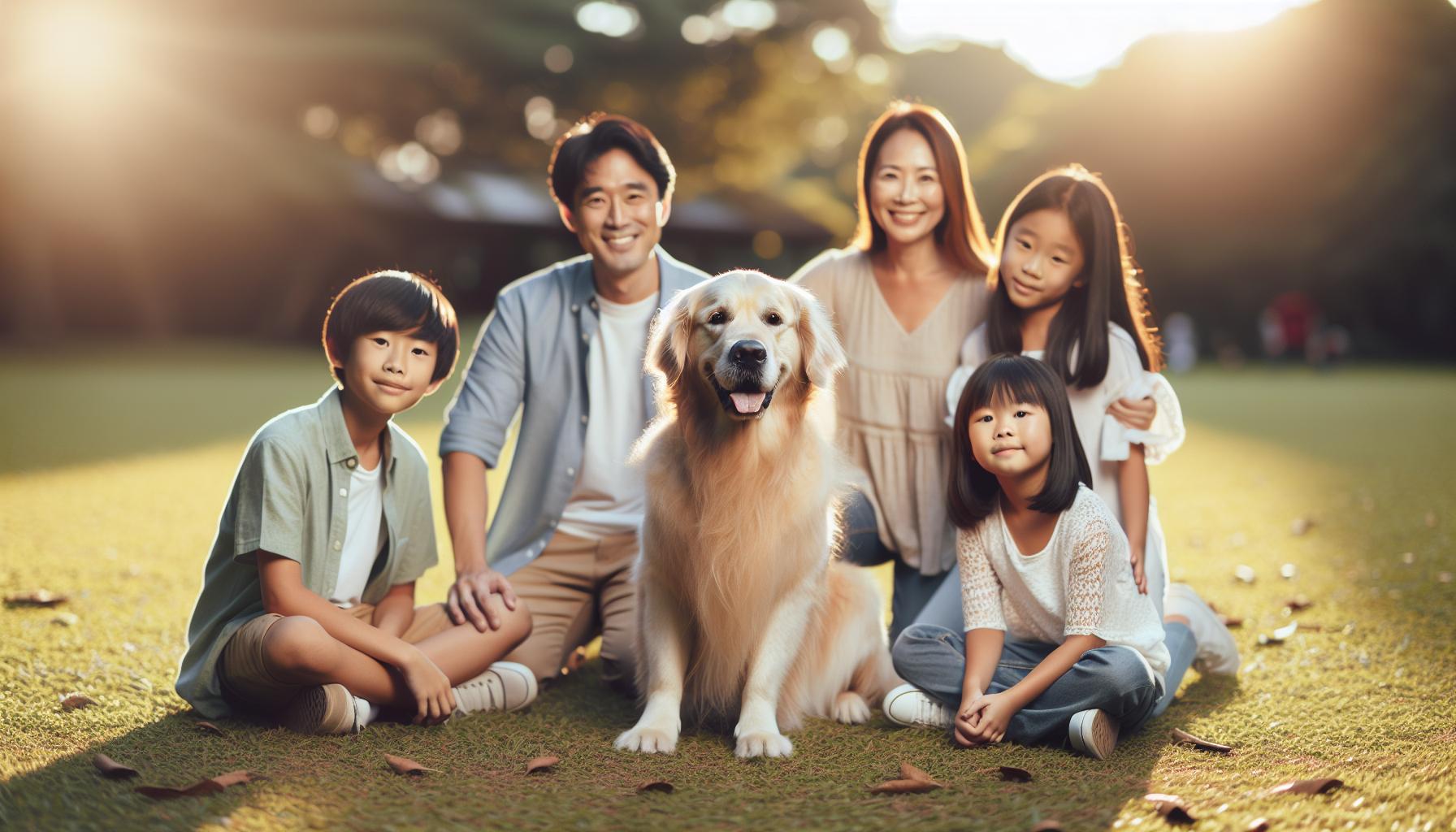
Essential Care Needs for Golden Retrievers
Golden Retrievers are not just pets; they embody a joyful spirit that can effortlessly brighten any household. Their distinct combination of intelligence, energy, and a loving nature positions them as ideal companions for families and first-time dog owners. However, understanding their essential care needs is crucial to ensuring a fulfilling relationship and a happy, healthy life for your Golden Retriever.
One of the primary aspects of Golden Retriever care is their nutritional needs. High-quality dog food, rich in protein and essential nutrients, should be the foundation of their diet. Owners should seek out brands that use real meat as the first ingredient, as well as those containing omega fatty acids to maintain a healthy coat. It’s often recommended to feed adult Golden Retrievers twice a day, distributing the daily food intake into manageable portions to prevent obesity-a common concern for this breed. Adequate hydration is also vital; always provide fresh water, especially after exercise.
When it comes to grooming, these dogs require regular attention due to their thick, water-repellent coats. A good brushing at least once a week can prevent matting and reduce shedding, particularly during their seasonal coat changes. Additionally, regular baths using a gentle dog shampoo help maintain coat health while preventing skin irritations. Don’t forget dental hygiene and nail trimming as part of the grooming routine-these aspects are often overlooked but essential for overall well-being.
Golden Retrievers are energetic dogs that thrive with structured exercise routines. Aim for at least an hour of daily physical activity, which can include walks, fetch games, and even swimming. Not only does exercise keep them physically fit, but it also provides necessary mental stimulation, preventing boredom and associated behavioral issues. Regular engagement not only strengthens the bond between dog and owner but is also crucial in channeling their natural enthusiasm in a positive direction.
Lastly, fostering a strong bond through consistent training and socialization is essential. Begin training early, utilizing positive reinforcement techniques to encourage good behavior. Classes or playgroups can help with socialization, exposing your dog to diverse environments and other animals. With the right approach, Golden Retrievers can become well-behaved and balanced family members, bringing immeasurable joy to their households.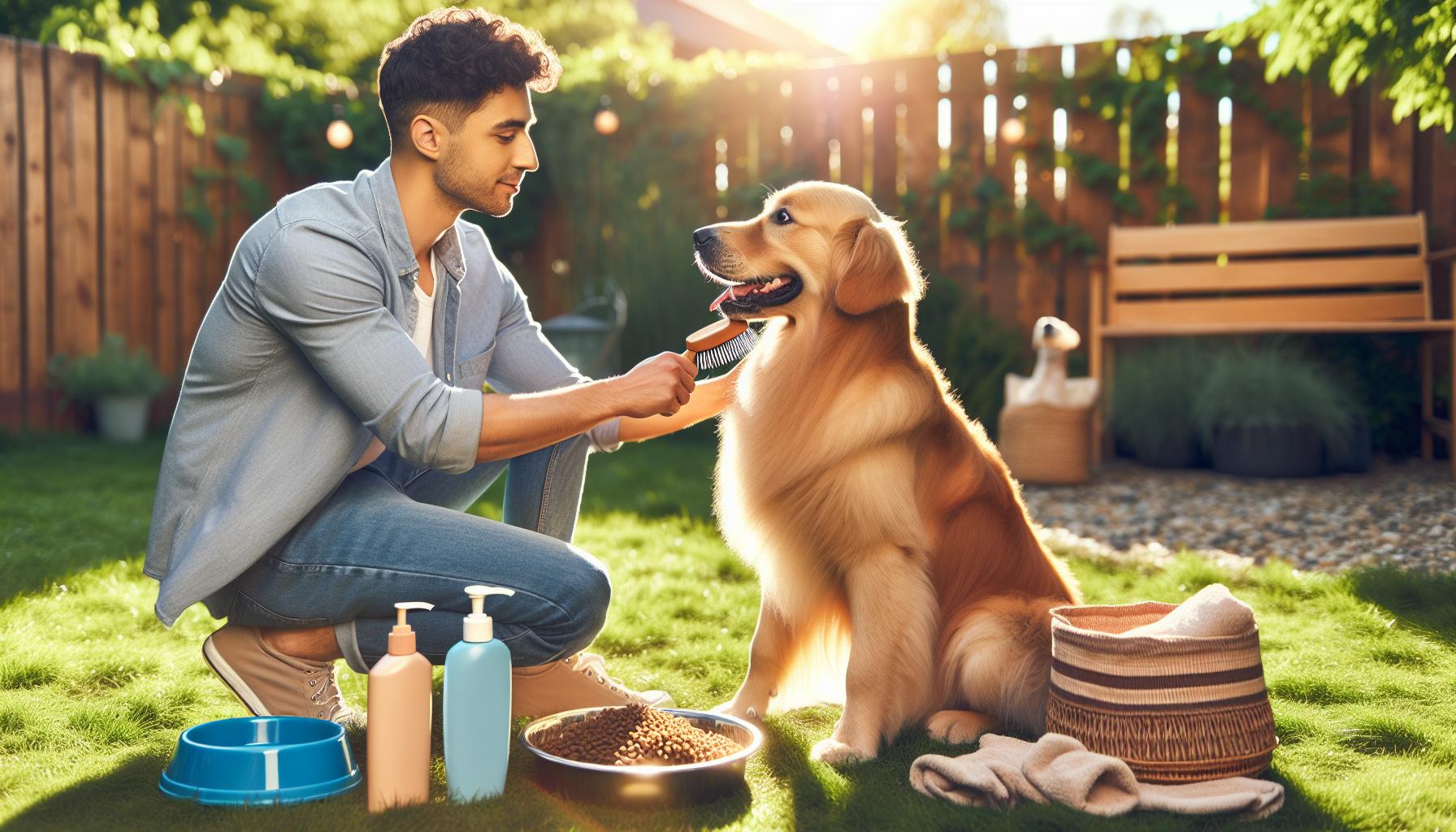
Training Tips for First-Time Owners
Training a Golden Retriever can be one of the most rewarding experiences for first-time dog owners. These dogs are celebrated for their intelligence, eagerness to please, and ability to learn quickly, making them particularly suited for training. However, it’s essential to approach the process with patience and a well-thought-out plan to ensure a successful partnership between you and your new furry friend.
Begin training early, ideally when your Golden Retriever is still a puppy. Puppies are incredibly receptive to learning and socializing during their formative months. Start with basic commands such as “sit,” “stay,” and “come.” Employ positive reinforcement techniques, like rewarding your pup with treats or praise immediately after they follow a command. This approach not only helps them learn faster but also strengthens the bond between you. Here are some strategies to enhance your training:
- Consistency is Key: Use the same commands and cues consistently to avoid confusing your dog.
- Short Sessions: Keep training sessions short (5-10 minutes) to maintain your dog’s attention and enthusiasm.
- Socialization: Engage your dog in socialization opportunities with other dogs and people; this is crucial for developing a well-rounded pet.
- Patience: Remember that mistakes will happen. Stay calm and assist your dog gently through challenging commands.
Group classes can be especially beneficial, as they provide structured learning and an environment for socialization. Look for classes that focus on positive reinforcement techniques. These classes also give you the chance to learn from other experienced dog owners and trainers, which can boost your confidence as a beginner. Additionally, always remember that training should be a fun and rewarding experience for both of you. Incorporate games and playful interactions to keep your Golden Retriever engaged.
As you progress, gradually introduce more complex commands and tricks. Golden Retrievers thrive on mental stimulation, so keeping their minds active is just as important as physical exercise. Use a variety of training methods, including clicker training, to refine your pup’s skills over time. By ensuring training is enjoyable, you foster a lifelong bond built on trust and mutual respect, paving the way for a happy partnership.
Nutrition Guidelines for a Healthy Golden
Maintaining a balanced and nutritious diet is essential for the overall health and well-being of your Golden Retriever. Given their active nature and predisposition to certain health issues, understanding their nutritional needs is crucial. Golden Retrievers are known to be food enthusiasts, making it important for first-time owners to establish healthy eating habits early on. This not only supports their physical health but also contributes to their mental vitality and long-lasting happiness.
When selecting food for your Golden Retriever, consider a diet rich in high-quality protein sources, such as chicken, beef, or fish. Look for dog foods formulated specifically for large breeds, as they include the right balance of nutrients to support healthy growth and avoid obesity, which is a common concern in this breed. Here are some key aspects to keep in mind regarding their diet:
- Age-Appropriate Nutrition: Puppies have different dietary needs compared to adult dogs. Ensure that puppy formulas are used until your Golden reaches about 12-18 months of age. After this, transition to adult food designed for large breeds.
- Healthy Fats: Omega-3 and omega-6 fatty acids are vital for skin health and a shiny coat. Consider foods that incorporate fish oil or flaxseed oil.
- Portion Control: Follow guidelines on the dog food packaging to avoid overfeeding and keep track of your pup’s weight, adjusting food quantities as necessary, especially as they transition from puppy to adult.
- Hydration: Always provide fresh water throughout the day. Hydration is essential for maintaining overall health.
Additionally, incorporating fresh fruits and vegetables into their diet can offer supplementary vitamins and minerals. Carrots, green beans, and apples (without seeds) are great options that many Golden Retrievers enjoy. However, be sure to consult with your veterinarian when introducing new foods to ensure they are safe and appropriate.
Regularly monitoring your Golden’s diet and weight will set the foundation for a thriving, active lifestyle. By making mindful choices about their nutrition, you forge a path toward a happy and healthy life together. This attention to their dietary needs not only fosters strong physical health but also deepens the joyous bond between you and your furry companion as they thrive within your family.
Grooming Essentials for Golden Retrievers
Grooming a Golden Retriever is not just a task; it’s an opportunity to bond with your furry friend while ensuring they look and feel their best. Golden Retrievers are known for their beautiful, thick double coats that require regular maintenance to keep them healthy and free from mats and tangles. For first-time owners, understanding the grooming essentials will significantly enhance your experience and help cultivate a long-lasting relationship with your pet.
One of the core components of grooming your Golden Retriever is brushing. Regular brushing is crucial to prevent matting and reduce shedding. Ideally, you should brush your Golden at least once a week, increasing to several times a week during seasonal shedding periods. Use a slicker brush or an undercoat rake to effectively remove loose hair and distribute skin oils, leaving their coat shiny and healthy.
Bathing and Ear Care
Bathing your Golden should be done as needed, typically every 4-8 weeks, to maintain their coat’s cleanliness without stripping natural oils. Using a dog-specific shampoo will ensure their skin remains healthy and moisturized. After bathing, be sure to dry them thoroughly, especially around the ears, which can trap moisture and lead to infections. Cleaning their ears weekly with a vet-recommended solution helps prevent ear infections, a common issue in Golden Retrievers.
Nail Trimming and Dental Hygiene
Nail trimming is another critical grooming task. Aim to trim your Golden’s nails every 3-4 weeks, or as needed, to keep their paws healthy and avoid painful breaks. Be gentle and take your time, ensuring you don’t cut into the quick. Lastly, don’t overlook dental hygiene. Brushing your dog’s teeth two to three times a week helps combat plaque buildup and dental diseases, so invest in a toothbrush and toothpaste designed for dogs.
By regularly tending to these grooming needs, you not only keep your Golden Retriever looking great but also contribute to their overall health and happiness. Engaging in these routines builds trust and a deeper connection, making your journey as a first-time dog owner even more rewarding.
Exercise Requirements to Keep Your Dog Happy
Golden Retrievers are not only full of energy and life; they also thrive on regular exercise, making it essential for maintaining their happiness and health. With their playful nature and natural athleticism, a Golden Retriever requires a daily outlet for their high energy levels. Engaging them in a mix of structured activities and free play isn’t just a way to keep them fit; it also helps to strengthen your bond and keeps them mentally stimulated.
To keep your Golden happy and healthy, aim for at least one hour of exercise each day. This can be broken down into various activities, such as brisk walks, runs, or play sessions in the yard or at the park. Golden Retrievers love to retrieve, so incorporating games like fetch is not only fun but also allows them to use their instincts. Swimming is another favorite activity for this breed, as they are natural swimmers-bringing along a floating toy can make water time even more enjoyable.
Daily Exercise Activities
Here are some effective ways to ensure your Golden Retriever gets the exercise they need:
- Walks: Regular leash walks around your neighborhood not only give your dog physical exercise but also expose them to various sights and smells, stimulating their mind.
- Playtime: Interactive play sessions, such as tug-of-war or playing with a frisbee, can be both fun and enriching.
- Agility Training: Setting up an agility course in your backyard or enrolling in a local class can provide physical challenges and enhance your dog’s training.
- Visit Dog Parks: Socializing with other dogs during visits to dog parks can be a great way for your Golden to expend energy while also developing social skills.
Incorporating exercise into your daily routine not only addresses your dog’s physical needs but also positively impacts their mental health. A well-exercised Golden Retriever is less likely to exhibit behavioral issues related to boredom or excess energy, such as chewing or barking. Remember, consistent exercise fosters a happy dog, so make this a priority in your daily life together!
Common Health Issues in Golden Retrievers
Golden Retrievers are generally robust and health-conscious dogs, but like all breeds, they are susceptible to certain health issues that prospective owners should be aware of. One of the most common ailments in Golden Retrievers is hip dysplasia, a genetic condition where the hip joint doesn’t fit snugly into the hip socket. This results in pain and may lead to osteoarthritis as they age. Regular vet check-ups and maintaining a healthy weight through diet and exercise can significantly reduce its impact.
Another prevalent issue is obesity, which can shorten a Golden’s lifespan and contribute to a host of health problems, including diabetes and cardiovascular issues. Since Golden Retrievers have a love for food and treats, it’s crucial to monitor their food intake and encourage regular physical activity to keep them fit and healthy.
Moreover, Golden Retrievers are prone to certain skin conditions, such as allergies and dermatitis. These issues often present as itching, redness, or flaky skin. Regular grooming, including baths and combing, not only keeps their coats healthy but also helps you spot these conditions early. If you notice excessive scratching or unusual skin reactions, consulting your vet promptly can prevent escalation.
Lastly, they are at risk of certain cancers, notably lymphoma and hemangiosarcoma. Routine vet visits that include health screenings can help catch any early signs, so adhering to a preventive healthcare routine is essential. Understanding these common health issues empowers first-time owners to prepare adequately and establish a nurturing environment that fosters their Golden Retriever’s well-being throughout its life.
Family Integration: Bringing Home a Golden
Bringing a Golden Retriever into your home can be one of the most rewarding decisions you’ll ever make, especially for first-time owners. Known for their friendly disposition and loyalty, Golden Retrievers thrive in family environments, making them an ideal choice for those looking to add an affectionate and energetic member to the household. Their eagerness to please and ability to bond deeply with their families helps ease the transition for both the dog and its new owners.
Integrating a Golden into your family involves preparation and understanding of their unique needs. Start by creating a welcoming space for your new pet. A cozy dog bed in a quiet area of the house can provide your Golden with a sense of security as they adjust to their new environment. It’s essential to establish a consistent routine, as Golden Retrievers flourish with structure. Regular feeding times, scheduled walks, and play sessions not only help your new pet feel settled but can also minimize anxiety during this adjustment period.
To facilitate a positive introduction between your Golden and other family members, including children and any existing pets, gradual introductions are key. Allow your new dog to explore the house while supervised, providing opportunities for family members to interact with them in low-pressure situations. Engaging in playtime or teaching simple commands like “sit” and “stay” can foster a sense of teamwork, deepening the bond between your Golden and their new family.
Moreover, be proactive in educating all family members about the responsibilities that come with dog ownership. Golden Retrievers require daily exercise, consistent training, and plenty of social interactions; sharing these tasks among family members ensures that everyone feels involved and invested in the new family member. This not only supports the dog’s well-being but also helps develop a collective sense of responsibility and love for their new companion. Overall, integrating a Golden Retriever into your family is a joyful journey filled with opportunities for learning and connection that can bring immeasurable joy to your home.
Golden Retriever Variants: What to Know
Golden Retrievers are not only beloved for their friendly demeanor and intelligence but also for the variety that exists within the breed. Understanding the different types of Golden Retrievers can help first-time owners make an informed decision and maximize the bond they share with their new pet. Golden Retrievers generally fall into two main categories: English (or British) and American, each with its own distinct characteristics, purposes, and appearances.
English Cream Golden Retrievers
English Cream Golden Retrievers, as the name suggests, often possess a light, creamy coat that sets them apart from their American counterparts. Typically, they have a stockier build and a broader head, which gives them a more robust appearance. These dogs are known for their calm and friendly temperament, making them excellent companions for families and children. Their easy-going nature can make training more straightforward, as they are eager to please and respond well to positive reinforcement techniques. For first-time owners, this mild demeanor can ease the initial challenges of dog training and integration into the family.
American Golden Retrievers
On the other hand, American Golden Retrievers are generally taller and leaner, with a darker golden coat. These dogs were bred for different performance standards, excelling in sports and fieldwork. They typically have a higher energy level and may require more rigorous exercise and mental stimulation compared to their English counterparts. Their friendly and intelligent disposition still shines through, but potential owners should be prepared for more active training sessions and outdoor activities to keep them happy and engaged. For families who enjoy an active lifestyle or have older kids to engage in play, the American variant can be a perfect match.
Field vs. Show Golden Retrievers
Within both the American and English categories, Golden Retrievers can also be divided into field and show types. Field-bred Goldens are usually more agile and energetic, designed for hunting and retrieving purposes. They are often leaner with a higher propensity for adventurous play. Show-bred Goldens, although still filled with energy, generally conform more closely to breed standards and may have a slightly heavier structure and lush coat. Each type has its own appeal, and understanding these differences allows you to choose a Golden that fits your family’s lifestyle and activity level.
- Field Types: High energy, agile, suited for sports and outdoor activities.
- Show Types: Conforms to breed standards, more laid-back, well-suited for family companionship.
- Temperament: Both types share the quintessential friendly and sociable nature of Golden Retrievers.
By being aware of these variants and considering individual family dynamics, first-time owners can choose the right Golden Retriever that not only complements their lifestyle but also thrives within their household. Each variation offers unique attributes, ensuring that whether one chooses an English Cream or an American Golden, the potential for a loving and joyful relationship is high.
Seasonal Care Tips for Your Golden Retriever
The changing seasons can greatly influence your Golden Retriever’s health and happiness, making it crucial to adapt your care strategies throughout the year. Whether the sun is shining, the snow is falling, or the leaves are changing, ensuring your furry friend is comfortable and well-cared for is vital for their well-being.
In spring and summer, hydration is paramount. Golden Retrievers are prone to overheating, especially with their thick double coats. Ensure they have constant access to fresh water, and limit vigorous exercise during the hottest parts of the day. Early morning or evening walks are ideal. Additionally, consider investing in a doggy pool or taking frequent trips to the beach to help them cool down. Regular brushing helps remove loose fur and prevents matting, keeping their coat ventilated.
When fall arrives, the cooling weather often triggers shedding; therefore, increasing grooming sessions will help manage loose fur around your home. This is a great time to consider a vet check-up since many owners may neglect routine veterinary care during busy summer months. Encourage your dog to stay active with autumn hikes, but keep them on a leash to avoid encountering wildlife or harmful mushrooms.
As winter sets in, ensure your Golden Retriever is protected from the cold. While they are quite hardy, severe temperatures can still be a concern. Shorter walks are often sufficient during chilly days, and dog sweaters are a great option for extra warmth. Pay special attention to their paws, keeping an eye out for ice and salt, which can lead to irritation. After walks, wipe down their paws to remove any harmful substances. Furthermore, maintain their exercise routine indoors when outside conditions are unfavorable, engaging them with interactive toys or training exercises to keep their mind stimulated.
Taking these seasonal care tips into account will not only keep your Golden Retriever comfortable but also strengthen your bond, ensuring your furry companion thrives through every season of life. Regular adjustments to their care routine promote their overall happiness and health, making them the perfect family pet no matter the time of year.
Building a Lifelong Bond with Your Golden Retriever
Golden Retrievers are renowned for their friendly demeanor and unwavering loyalty, making them the perfect companions for families and first-time dog owners alike. Building a lifelong bond with your Golden begins the moment you welcome them into your home. With their eager-to-please nature and inherent sociability, these dogs thrive on connection, so investing time in nurturing your relationship is essential.
To foster this bond, consider engaging in activities that stimulate both their mind and body. Goldens excel in training, so implementing positive reinforcement techniques not only teaches them commands but also reinforces your relationship. Incorporate training sessions into daily routines, using treats and praise to celebrate their achievements. These moments of collaboration create a strong trust foundation. Regular playtime is equally important; games like fetch or tug-of-war allow you to share joyful experiences, deepening your connection.
Communication is key in understanding your Golden’s needs and preferences. Spend time observing their behavior to learn what activities they enjoy the most, whether it’s swimming, long walks, or simply snuggling on the couch. Regular outings not only provide physical exercise but also enrich their social skills, allowing them to interact with other dogs and people. Create a consistent daily structure involving walks, feeding, training, and playtime to help your Retriever feel secure, which in turn fosters a deeper emotional bond.
Lastly, don’t underestimate the power of affection. Golden Retrievers are known for their loving nature, and they thrive on physical touch and attention. Simple acts like petting, brushing their coat, or sharing your space while relaxing enhance their sense of belonging and love. Celebrate their quirky personalities and differences, and always be patient through the ups and downs of learning together. Strengthening your bond with a Golden Retriever is a joyful journey filled with love, training, and companionship that blossoms with each passing day, setting the stage for a fulfilling relationship that lasts a lifetime.
Frequently Asked Questions
Q: Are Golden Retrievers good for first-time dog owners?
A: Yes, Golden Retrievers are excellent for first-time owners due to their friendly nature, intelligence, and trainability. They bond well with families and are eager to please, making training easier. Their gentle temperament also helps them adapt well to various household environments.
Q: What should I know before getting a Golden Retriever?
A: Before getting a Golden Retriever, consider their exercise needs, grooming requirements, and potential health issues. They require regular physical activity and mental stimulation to stay happy. Familiarize yourself with their grooming schedule and common health problems like hip dysplasia and allergies.
Q: How much exercise does a Golden Retriever need?
A: Golden Retrievers need at least 1-2 hours of exercise daily. This can include walks, playtime, and activities like fetch. Regular exercise helps maintain their health and prevents behavioral issues. Incorporating mental challenges, such as training exercises, is also beneficial.
Q: What type of training is best for Golden Retrievers?
A: Positive reinforcement training is the most effective for Golden Retrievers. Use treats, praise, and play as rewards to encourage good behavior. Early socialization and obedience training are essential and can help them develop into well-adjusted adults.
Q: Are there special grooming needs for Golden Retrievers?
A: Yes, Golden Retrievers require regular grooming to manage their thick coats and reduce shedding. Brush them at least once a week and more frequently during shedding seasons. Regular baths and occasional trips to a professional groomer can help keep their coat healthy and clean.
Q: How do Golden Retrievers interact with children?
A: Golden Retrievers are known for being great family dogs and typically interact well with children. Their patience and playful nature often make them ideal companions for kids. However, it’s crucial to supervise interactions to ensure both the dog and children are safe and respectful.
Q: What health issues are common in Golden Retrievers?
A: Common health issues in Golden Retrievers include hip dysplasia, elbow dysplasia, and certain types of cancer. Regular veterinary check-ups and a healthy diet can help manage these risks. Staying informed about breed-specific health concerns can ensure early detection and treatment.
Q: How can I bond with my Golden Retriever?
A: To bond with your Golden Retriever, spend quality time engaging in activities like walking, playing, and training together. Create a routine that includes regular exercise and mental stimulation, as well as affection and praise. Consistency in care and attention will strengthen your bond.
In Summary
In conclusion, Golden Retrievers truly shine as an excellent choice for first-time dog owners, combining intelligence, loyalty, and a friendly disposition that fosters an immediate bond. As you consider welcoming this breed into your family, remember that they thrive on proper training, socialization, and exercise. Don’t wait to explore our informative articles on Golden Retriever care, including grooming and nutrition tips, or dive deeper into common health concerns that every owner should be aware of.
Your journey with a Golden Retriever will be rewarding, filled with joy and companionship. If you have questions or need more guidance, don’t hesitate to reach out in the comments below! Together, let’s celebrate the special connection between you and your new furry friend while enhancing your knowledge and ensuring a loving home for years to come.