Golden Retrievers are renowned for their gentle and friendly nature, making them exceptional therapy dogs. These furry companions not only provide emotional support but also bring healing through their warm presence. As we explore the benefits of Golden Retrievers as therapy dogs, you’ll discover how their unique traits foster trust and comfort in various settings-from hospitals to schools. Many people face challenges such as anxiety, depression, or loneliness, and therapy dogs can play a vital role in easing these burdens. If you’re considering the profound impact a Golden Retriever can have on well-being or are simply curious about their healing touch, read on to uncover the many ways these beloved dogs make a difference in our lives.
Are Golden Retrievers Naturally Affectionate?
Golden Retrievers are often celebrated for their gentle disposition and unwavering loyalty, making them one of the most affectionate breeds available. Their innate tendency to bond with family members is evident in their actions; from enthusiastic greetings at the door to their desire to snuggle during quiet evenings, these dogs exude warmth and love. This affectionate nature is not only a charm of the breed but is also a significant reason they excel in therapy roles.
These dogs possess an acute emotional intelligence, allowing them to sense their owners’ feelings and respond with comforting gestures. Whether it’s offering a paw during tough times or cuddling up to a child, Golden Retrievers provide a unique form of emotional support that fosters deep connections. This bond enhances their effectiveness as therapy dogs, as their natural desire to comfort others aligns perfectly with the emotional needs of those they assist.
Moreover, Golden Retrievers thrive on positive reinforcement, making training not only effective but also a bonding experience. Engaging in activities such as obedience training, agility, or even simple daily walks can further cement the affectionate bond between a Golden and their owner. Regular interaction encourages trust and forms a strong relationship, ultimately enriching both the dog’s and the owner’s lives. This blend of affection and trainability positions Golden Retrievers as exemplary companions both in homes and as therapy animals, demonstrating their remarkable capacity for love and connection.
The Role of Golden Retrievers in Therapy Work
Golden Retrievers are not just family pets; they play an invaluable role in therapy work, bringing healing and comfort to those in need. Known for their gentle demeanor and innate ability to connect emotionally with people, these dogs excel in providing companionship and support in various therapeutic settings. Their presence can significantly enhance the quality of life for individuals dealing with emotional or physical challenges, showcasing the profound impact they can have as therapy animals.
One of the key reasons Golden Retrievers thrive in therapy roles is their friendly and tolerant nature. Their natural curiosity and eagerness to please make them especially suited for interactions with diverse populations, including children, the elderly, and those with special needs. In therapy sessions, Golden Retrievers often engage in activities such as providing companionship, encouraging conversation, and sometimes even participating in physical rehabilitation exercises. Their playful spirit can lighten the mood, creating an atmosphere of trust and safety that clients need to open up and heal.
Additionally, the bond between a Golden Retriever and their handler is fundamental in therapy work. This relationship fosters a deeper level of trust, allowing the dog to become more attuned to the emotional needs of those they assist. For instance, a Golden Retriever’s ability to sense when someone is feeling anxious or sad can lead to heartwarming moments of connection-like leaning against a client or nudging them for attention-that serve to comfort and reassure. As these dogs instinctively offer their warmth and affection, they can accelerate therapeutic progress and enhance the overall healing experience.
In conclusion, is multifaceted, bridging the gap between emotional support and rehabilitation. With their gentle nature, intelligence, and keen sensitivity to human emotions, these dogs are truly remarkable companions. They not only bring joy and comfort to individuals but also cultivate an environment that promotes healing, demonstrating that the right dog can play a crucial role in the recovery process.
Key Traits That Make Golden Retrievers Ideal Therapy Dogs
Golden Retrievers possess a remarkable combination of characteristics that make them exceptionally well-suited for therapy roles. Their innate friendliness and warm disposition allow them to create immediate connections with individuals of all ages. With a natural curiosity and eagerness to please, they engage effortlessly with diverse populations, from children to the elderly. This adaptability drives their effectiveness in various therapeutic settings, allowing them to provide companionship, encourage communication, and offer solace during difficult times.
Another defining trait of Golden Retrievers is their keen sensitivity to human emotions. They have an extraordinary ability to sense anxiety, sadness, or even physical discomfort in those around them. For example, a Golden Retriever might instinctively lean against a person feeling distressed or nudge them gently to invite interaction, creating meaningful moments of connection. This intuitive response not only enhances their role as therapy dogs but also fosters a sense of safety and comfort, making clients more receptive to therapeutic interventions.
Moreover, their intelligence and trainability facilitate the learning of essential commands and behaviors necessary for therapy work. Golden Retrievers tend to excel in obedience training, making them reliable partners for handlers. By mastering commands and positive behaviors, they can perform a variety of tasks that enhance therapy sessions, such as participating in physical rehabilitation exercises or adapting their interactions based on the client’s needs. This bond between a Golden Retriever and their handler is crucial, as it allows the dog to become attuned to the emotional and physical cues of those they assist, ultimately contributing to a more effective therapeutic experience.
In summary, the unique blend of friendliness, emotional sensitivity, and trainability makes Golden Retrievers outstanding therapy dogs. Their ability to foster trust and connection brings comfort to those they support, showcasing the profound impact these remarkable companions can have on the healing journey of individuals they serve.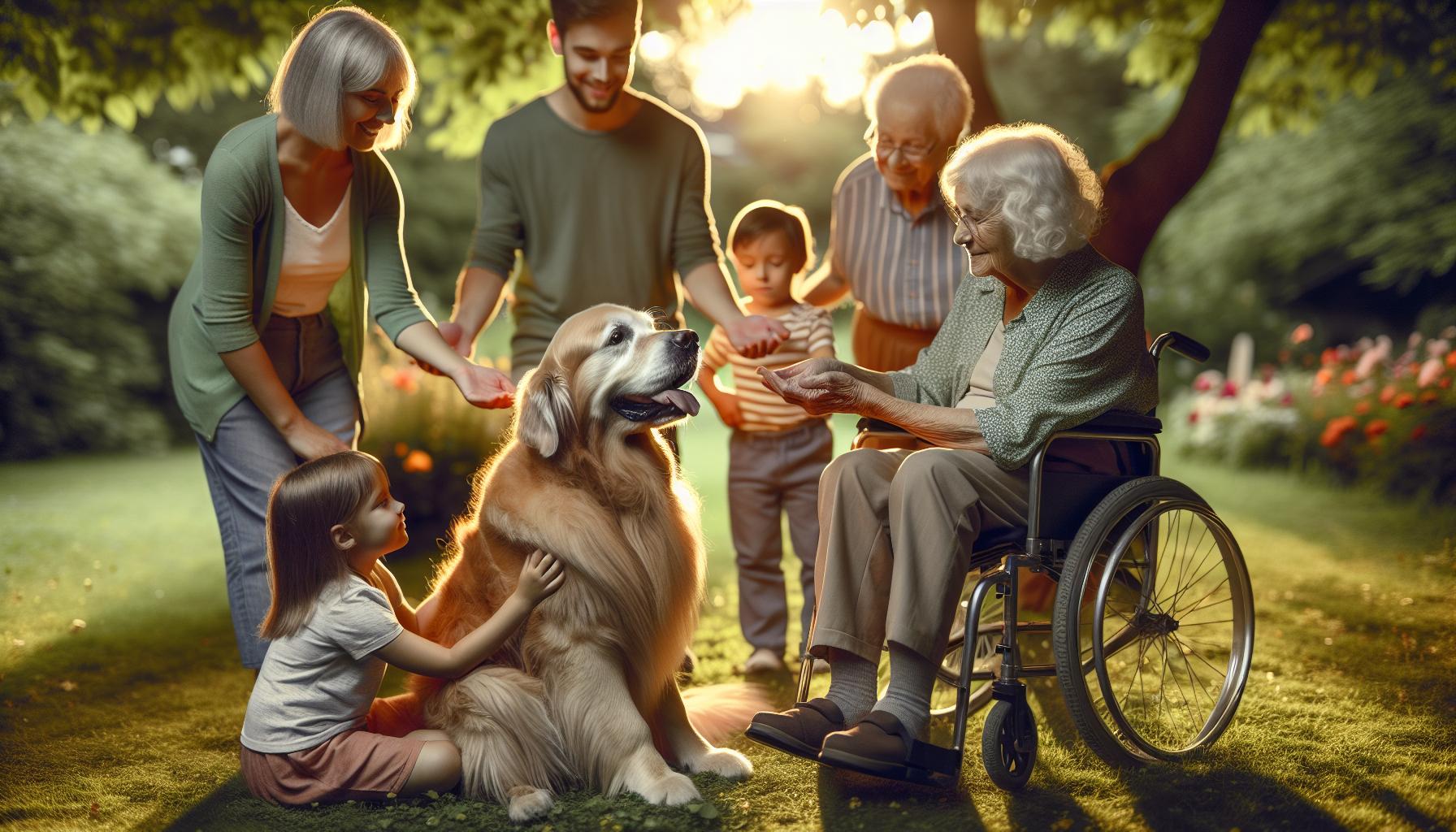
Comparing Golden Retrievers to Other Therapy Dog Breeds
Golden Retrievers stand out in the realm of therapy dogs due to their unique combination of traits, but how do they compare to other breeds often used in therapeutic settings? While various dogs can excel in therapy roles, Golden Retrievers consistently demonstrate an impressive affinity for emotional connection and adaptability that many other breeds struggle to match.
When compared to breeds like Labrador Retrievers, Beagles, or Poodles, Golden Retrievers have a nurturing temperament that is particularly important in therapy work. Their gentle disposition and eagerness to please make them naturally comforting companions for individuals dealing with stress or trauma. For instance, while Labrador Retrievers also possess affectionate traits, they can sometimes exhibit higher energy levels that may not suit calmer environments as effectively as a Golden Retriever. Beagles, on the other hand, are more independent and may not offer the same degree of attentive support that Golden Retrievers provide when sensing the emotional needs of their handlers or clients.
Furthermore, the trainability of Golden Retrievers gives them an additional edge. They excel in obedience and are known for their intelligence, allowing them to learn commands that directly impact their effectiveness in therapy scenarios. This ability to quickly absorb training means they can efficiently adapt to the specific needs of different clients. While Poodles are also known for their intelligence, they can be more sensitive to training methods and environments, which may complicate therapy dog preparation.
Lastly, the physical characteristics of Golden Retrievers, including their size and coat, make them particularly inviting; their soft, golden fur and friendly demeanor encourage physical contact, creating a therapeutic atmosphere conducive to healing. This tactile interaction is a vital component of many therapy sessions, providing comfort and fostering a sense of safety for those they assist. In contrast, breeds with less approachable appearances may not elicit the same welcoming response, which can be crucial in therapeutic settings.
Overall, while many breeds have valuable qualities, Golden Retrievers exemplify the ideal balance of temperament, trainability, and physicality, making them one of the most effective choices for therapy work. Their ability to form deep emotional connections and provide comfort reflects the essence of what therapy dogs should embody, showcasing the lasting impact these gentle giants can have in the healing process.
Health Benefits of Golden Retrievers as Therapy Animals
The bond between humans and Golden Retrievers is truly remarkable, particularly when it comes to their role as therapy animals. Numerous studies have highlighted the profound health benefits of these interactions, showcasing how Golden Retrievers can enhance mental, emotional, and even physical well-being. Their innate ability to connect with people makes them exceptional companions in various therapeutic settings, whether in hospitals, schools, or rehabilitation centers.
Research indicates that being in the presence of a warm, loving dog like a Golden Retriever can lead to significant reductions in stress and anxiety levels. The mere act of petting these gentle giants can release oxytocin in humans, a hormone associated with bonding and affection, which contributes to lower blood pressure and diminishes feelings of loneliness. This unique interaction helps individuals feel more grounded and less isolated, significantly impacting those struggling with mental health issues.
Furthermore, Golden Retrievers bring joy and comfort to patients recovering from physical ailments. Their friendly disposition encourages engagement and socialization, vital elements that can enhance recovery outcomes. For instance, therapy sessions involving Golden Retrievers often result in increased motivation for patients to participate in physical activities, helping them regain strength and confidence more quickly than they might otherwise experience. The lighthearted energy these dogs exude can lift spirits and improve overall mood, which is crucial in any healing process.
In addition to emotional support, there is a physical component to the benefits Golden Retrievers offer. Regular interactions with therapy dogs can stimulate greater mobility in clients, whether it’s a simple walk with the dog or activity-based games designed for socialization. This physical activity, combined with the joy and emotional connection these dogs provide, results in a comprehensive therapeutic experience that addresses both mental and physical health needs.
As therapy animals, Golden Retrievers possess the unique ability to create safe and welcoming environments. Their gentle nature not only comforts those in distress but also fosters trust and openness in therapeutic settings. This duality of providing emotional warmth while encouraging physical interaction underscores their vital role in improving the health and happiness of individuals they serve.
Training Techniques for Therapy Dog Certification
To guide your Golden Retriever on the path to becoming a certified therapy dog, it’s essential to implement effective training techniques that harness their natural temperament. Golden Retrievers are known for their friendly and sociable nature, which provides an excellent foundation for therapy work. However, training them specifically for therapeutic settings ensures that they can perform expected behaviors in various environments, making their interactions more beneficial.
Begin with basic obedience training, as this is crucial for establishing a strong foundation. Commands such as sit, stay, down, and heel should be second nature to your Golden Retriever. Use consistent rewards during training sessions-treats, praise, or playtime can reinforce positive behavior. Regular practice in both familiar and new environments helps your dog remain responsive and adaptable when interacting with diverse populations, such as children, seniors, or individuals with disabilities.
Once your Golden Retriever excels in basic commands, gradually introduce desensitization exercises for various environments. This could include exposing them to loud noises, different surfaces, and people in varying emotional states. For instance, frequent visits to busy parks, hospitals, or rehabilitation centers will help them acclimate to the sights, sounds, and activities they may encounter while performing therapy work. Additionally, incorporating simulations of therapy scenarios, such as practicing with someone seated in a wheelchair, can be extremely beneficial.
Incorporating a socialization regimen is equally important. Encourage varied interactions by allowing your Golden to meet people of all ages and backgrounds. Arrange playdates with other dogs and ensure they experience different settings, from urban communities to quiet homes. This not only bolsters their confidence but also fosters a calm demeanor in the presence of both familiar faces and new encounters. Moreover, teaching your dog specific tasks, like placing their head in someone’s lap or nudging a hand for attention, can enhance their ability to respond intuitively to those in need of comfort.
As you progress through training, working with a certified dog trainer or joining a therapy dog group may provide additional support and resources. Obtaining a therapy dog certification typically requires passing a standardized test that assesses their temperament, obedience, and ability to interact positively with various people. This certification process ensures that your Golden Retriever is not only well-trained but also truly prepared to provide the therapeutic benefits they are capable of delivering.
Ultimately, the training journey should be a bonding experience that enriches your relationship with your Golden Retriever, preparing them for a fulfilling role as a therapy dog while simultaneously cultivating their innate desire to support and comfort those around them.
Building Trust and Bonding with Your Golden Retriever
Building a strong bond with your Golden Retriever is essential, especially when preparing them for therapy work. Golden Retrievers are known for their affectionate and intuitive nature, traits that can be further nurtured through effective trust-building practices. Establishing a deep connection not only enhances your dog’s capacity for empathy but also ensures they feel secure and confident in their role as a therapy dog.
Start with consistent positive interactions. Spend quality time engaging in activities your Golden loves, whether it’s playtime in the backyard, leisurely walks, or cuddling on the couch. These shared moments create a bond that fosters trust. Whenever your dog performs a desired behavior or shows signs of affection, reward them with treats, praise, or a favorite toy. This creates a positive feedback loop, reinforcing the idea that good things happen when they connect with you.
As you build this relationship, it’s equally important to focus on communication. Golden Retrievers are highly responsive to cues, so use a steady, calm voice tone. Simple verbal commands paired with gentle gestures can help them understand what you’re asking. For example, when you’re practicing training commands, ensure you combine verbal praise with physical affection, such as a gentle pat or scratch behind the ears. This dual reinforcement can strengthen the bond while also enhancing their obedience.
Socialization also plays a vital role in fostering trust. Expose your Golden Retriever to various environments, people, and other animals. Attend community events, visit parks, or invite friends over to interact with your dog. Proactively managing these experiences, making them positive and enjoyable, will instill a sense of security in your dog. The more confident they feel in different situations, the easier it becomes for them to handle therapy duties where stability and calmness are crucial.
Creating a routine can also foster a strong bond. Dogs thrive on predictability, so establish a daily schedule that includes feeding, exercise, training, and relaxation. Knowing what to expect helps your Golden Retriever feel secure and nurtures a trusting relationship. Consistency in your routines not only makes training easier but also reinforces their sense of safety and collaboration with you.
Ultimately, investing time and effort into is a rewarding journey that pays off in therapy settings. The connection you develop will enable your dog to flourish as a compassionate therapy animal, enriching the lives of those they help while growing together with you in an unbreakable partnership.
Real-Life Stories: Golden Retrievers in Therapy Settings
Golden Retrievers have made remarkable impacts in therapy settings, often acting as agents of healing and comfort to those in need. One poignant example is a Golden Retriever named Max, who routinely visits a local hospice. His gentle demeanor and innate ability to sense emotional distress have provided solace to patients and their families. Many patients have reported a noticeable drop in anxiety levels and an increased sense of calmness when interacting with him. Max’s presence not only uplifts spirits but also fosters connections between patients and their loved ones, creating cherished moments during challenging times.
In schools, Golden Retrievers have proven their worth in helping children cope with stress and anxiety. A therapy dog named Daisy visits a classroom every Wednesday, much to the delight of students. Daisy’s tail-wagging greetings and soft, warm fur have helped children feel more comfortable expressing their feelings and fears. Teachers have noted a significant improvement in classroom dynamics and student interactions since introducing Daisy into the environment. The students often engage more with the curriculum, and some even report feeling less intimidated during tests, attributing their newfound confidence to their bond with Daisy.
Moreover, therapy sessions incorporating Golden Retrievers have shown to enhance emotional resilience in veterans dealing with PTSD. One veteran shared how a Golden named Bella helped him reconnect with his emotions after years of isolation. Through their daily walks and playtime, Bella provided a non-judgmental space for him to explore his feelings. The veteran noted that Bella’s loyal companionship made a world of difference, illustrating how Golden Retrievers can help bridge gaps in mental health recovery. Such stories highlight the transformative power of Golden Retrievers, showcasing their ability to instill joy and facilitate healing in various settings.
The stories of Max, Daisy, and Bella are just a few examples of how Golden Retrievers can foster healing connections across multiple environments. Their natural affection, empathetic nature, and unwavering loyalty make them exceptional therapy dogs, capable of enriching lives and promoting emotional well-being for those they encounter.
Understanding the Impact of Therapy Dogs on Mental Health
The profound influence that therapy dogs, particularly Golden Retrievers, have on mental health is underscored by their innate ability to connect with humans on an emotional level. The gentle and eager-to-please nature of Golden Retrievers allows them to sense the feelings of individuals, providing comfort and companionship that can be pivotal in therapeutic settings. Their presence can lead to significant reductions in symptoms of anxiety, depression, and stress, offering both immediate relief and long-term emotional support.
One remarkable aspect of Golden Retrievers as therapy dogs is their ability to create a safe and non-judgmental environment. When engaging with therapy patients, these dogs can instill a sense of safety that encourages openness. For children struggling with emotional challenges, the warmth of a Golden Retriever can facilitate communication and social interaction. For instance, a child who may hesitate to share personal feelings might find solace in petting a Golden, leading to a breakthrough moment where they feel ready to express themselves. This bond nurtures not only emotional release but also fosters a sense of belonging and acceptance.
Moreover, numerous studies highlight the physiological benefits associated with interactions between therapy dogs and individuals coping with mental health issues. The act of petting a Golden Retriever can lower cortisol levels-the hormone related to stress-while simultaneously elevating levels of oxytocin, often referred to as the “love hormone.” This biochemical response contributes to a calming effect, enhancing the therapeutic benefits of the canine-human bond. Such interactions are particularly beneficial in settings like hospitals, schools, and rehabilitation centers, where stress levels are often heightened, creating an urgent need for effective emotional regulation.
In summary, the impact of Golden Retrievers in therapy contexts goes beyond mere companionship; these dogs serve as catalysts for healing by promoting emotional connections and physiological well-being. Their natural affability, combined with a profound understanding of human emotions, equips them to make a tangible difference in the lives of those who need it most. Whether in schools helping children express their fears or in hospitals providing comfort to the ailing, Golden Retrievers prove time and again to be exceptional allies in the journey toward improved mental health.
Common Challenges in Using Golden Retrievers for Therapy
One of the most heartwarming aspects of working with Golden Retrievers as therapy dogs is their innate ability to bring joy and comfort. However, there are several challenges that handlers may encounter when employing these lovable canines in therapeutic settings. These challenges can range from behavioral issues to the emotional dynamics present in various environments.
Firstly, the temperament of Golden Retrievers, while generally gentle and affectionate, can sometimes lead to unexpected challenges. Their eagerness to socialize may cause them to become overly excitable, particularly in high-energy environments. This can be particularly problematic in therapy settings where calmness is essential. Handlers must be diligent in training their Goldens to respond appropriately to commands and remain composed, even in the presence of distractions. Consistent training and reinforcement of good behavior are crucial for maintaining self-control during therapy sessions.
Another significant challenge is the emotional sensitivity of Golden Retrievers. Their strong desire to connect with humans can lead to stress or anxiety if they sense discomfort or distress in individuals they are meant to assist. For example, if a therapy user becomes overly emotional or distressed, the dog might react with confusion or excessive concern, which could detract from the therapeutic process. Proper exposure to various emotional scenarios during training can help Goldens learn to maintain their composure and understand when to provide comfort and when to provide space.
Furthermore, handlers must also be prepared for logistical issues, such as those arising from different therapy environments. Whether in hospitals, schools, or private homes, each setting has unique challenges. For instance, a busy hospital setting may create sensory overload, while a more relaxed home environment may lead to distractions from household activities. Preparing your Golden Retriever for different environments through gradual acclimatization and varied experiences will enhance their adaptability.
Successful therapy work with Golden Retrievers requires balancing their natural instincts with effective training and management strategies. Awareness of these challenges empowers handlers to create a supportive environment that maximizes the emotional and healing benefits these remarkable dogs offer. By understanding and addressing these potential hurdles, you can foster a strong, positive bond that allows both the therapy dog and the individuals they serve to flourish together.
Tips for Caring for Your Golden Retriever in Therapy Roles
Golden Retrievers are not only renowned for their affectionate nature but also for their keen ability to connect with people on a deep emotional level, making them ideal candidates for therapy work. To ensure that your Golden Retriever thrives in this role, it’s essential to provide care that nurtures their physical and psychological well-being.
First and foremost, your dog’s nutrition plays a vital role in their energy levels and overall health. A high-quality dog food specifically formulated for Golden Retrievers will help maintain their weight and minimize the risk of breed-specific health problems such as hip dysplasia. It’s crucial to follow age-appropriate dietary guidelines and schedule regular vet check-ups to monitor their health. Always keep fresh water available, especially during therapy sessions, to keep them hydrated and comfortable.
Equally important is the exercise routine. Golden Retrievers are an active breed that requires daily physical activity to stay healthy and maintain their temperament. Aim for at least 60 minutes of exercise each day, which can include walks, fetch games, and agility training. Regular exercise not only keeps your dog fit but also helps reduce stress and anxiety, preparing them to be calm and focused during therapy sessions.
Grooming is another key aspect of care for your therapy dog. Regular brushing is essential to manage their beautiful, thick coat and reduce shedding. A bath every few months can help keep their fur clean and healthy, ensuring they always present their best selves in a professional setting. Don’t forget to check their ears and trim their nails regularly to prevent any discomfort that could distract them during therapy visits.
Lastly, creating a nurturing and calm environment at home can significantly enhance your dog’s ability to perform well in therapy roles. Incorporate training sessions that reinforce good behavior and build a stronger bond between you and your Golden Retriever. Positive reinforcement methods work best, using treats and praise to encourage desired behaviors. Additionally, socialization with different people and settings can help your dog adjust to various therapy environments, ensuring they remain composed and confident in their work.
With attentive care regarding their nutrition, exercise, grooming, and environment, your Golden Retriever can flourish in their vital role as a therapy dog, bringing healing and joy to countless individuals they encounter. This loving breed truly thrives when they are well-cared for and appreciated, amplifying their innate ability to provide comfort and companionship to those in need.
Choosing the Right Environment for Therapy Dog Work
When considering the ideal setting for a therapy dog, particularly a Golden Retriever, a variety of factors come into play to ensure both the dog’s effectiveness and comfort during interactions. Golden Retrievers thrive in environments that are calm, structured, and engaging, helping them provide the emotional support many individuals need. A space that promotes tranquility while still offering opportunities for meaningful interaction can significantly enhance the therapy experience.
One essential aspect of the environment is the size and layout of the space. Therapy sessions typically occur in settings like hospitals, nursing homes, or schools where the atmosphere can be a bit hectic. Choosing rooms that are tranquil and spacious helps to cater to the needs of those seeking therapy, with enough room for the Golden Retriever to lie down comfortably or engage in gentle play. The inclusion of soft furnishings such as rugs or mats can further enhance the comfort level, allowing the dog to rest while still being present.
Accessibility is another critical component. The areas chosen for therapy should be easy for both the handlers and the clients to navigate. This consideration can help accommodate individuals with mobility challenges, ensuring that they can interact with the therapy dog without barriers. Steps, uneven surfaces, and high thresholds should be avoided to create a seamless experience.
Moreover, it’s essential to assess the sensitivity to stimuli in the environment. Golden Retrievers are sensitive dogs that can be easily distracted by loud noises or sudden movements, which could impact their ability to focus on their therapy role. Opt for settings that allow for controlled interaction patterns and limit distractions, such as sound-absorbing materials on walls and quiet, designated therapy spaces free from excessive foot traffic.
Finally, consider the familiarity of the environment for the dog. Regular visits to designated therapy spaces can help Golden Retrievers feel comfortable and confident, making them more effective in their role. Establishing a routine can be particularly beneficial, as dogs often thrive on predictability and structure.
In summary, selecting the right environment for therapy work with a Golden Retriever is all about creating a space that emphasizes calm, accessibility, and comfort. By ensuring that these conditions are met, the powerful bond between Golden Retrievers and those they serve can flourish, leading to meaningful healing experiences that highlight the innate empathy and warmth of this beloved breed.
FAQ
Q: How do Golden Retrievers benefit mental health as therapy dogs?
A: Golden Retrievers provide emotional support, reduce anxiety, and promote feelings of happiness through their affectionate nature. Their presence can facilitate social interactions and encourage individuals to engage with others, enhancing overall mental well-being.
Q: What training do Golden Retrievers require to become effective therapy dogs?
A: To become effective therapy dogs, Golden Retrievers should undergo obedience training, socialization, and specific therapy dog training programs. This prepares them to handle various environments and perform therapeutic tasks, enhancing their ability to support those in need.
Q: Why are Golden Retrievers often chosen as therapy dogs?
A: Golden Retrievers are chosen as therapy dogs due to their friendly disposition, trainability, and natural empathy. Their patience and gentle behavior make them ideal companions for individuals seeking comfort and support during therapy sessions.
Q: What environments are best suited for Golden Retrievers as therapy dogs?
A: Golden Retrievers thrive in environments that are calm and structured, such as hospitals, nursing homes, and schools. These settings allow for effective interaction while minimizing stress for both the dog and the individuals they are assisting.
Q: What are common challenges of using Golden Retrievers as therapy dogs?
A: Common challenges include managing the dog’s energy levels, ensuring consistent training, and addressing any anxiety or discomfort the dog might experience in unfamiliar settings. Proper training and gradual exposure can help mitigate these challenges.
Q: How can individuals prepare their Golden Retrievers for therapy work?
A: Preparation involves socialization with different people and environments, basic obedience training, and exposure to various stimuli. Engaging in community events can help your Golden Retriever become acclimated to therapy situations.
Q: Can Golden Retrievers be effective therapy dogs for children?
A: Yes, Golden Retrievers can be highly effective therapy dogs for children due to their gentle nature and playful spirit. They can help children with emotional issues, provide companionship, and assist in developing social skills.
Q: What impacts do therapy dogs have on overall community health?
A: Therapy dogs, such as Golden Retrievers, can enhance community health by promoting emotional well-being, reducing stress, and fostering social cohesion. Their presence can improve interactions among community members, leading to a healthier environment overall.
To Conclude
As we’ve explored, Golden Retrievers truly shine as therapy dogs, bringing healing and comfort to those in need with their gentle disposition and affectionate nature. If you’ve been considering inviting one of these wonderful companions into your life, now is the perfect time to learn more about their unique care needs and the joy they can bring to your home. Explore our detailed guides on Golden Retriever training and nutrition to ensure your furry friend thrives while maximizing their therapy potential.
Don’t miss out on the chance to deepen your bond with your Golden Retriever-sign up for our newsletter for expert tips and insights directly to your inbox. Plus, check out our resources on how Golden Retrievers can enhance emotional well-being and learn about other dog breeds that might make fantastic additions to your family. Your journey toward a stronger connection with your furry friend starts here-join our community today! Your comments and experiences are always welcome; let us know how your Golden Retriever has touched your life!