
If you’re considering adding a Chesapeake Bay Retriever to your family, you’ll be delighted to know they are known for their friendly disposition and adaptability, especially around kids. These dogs are often affectionate and protective, making them wonderful companions for young children. However, understanding their unique characteristics and needs is essential for fostering a harmonious family environment. With their playful nature and strong work ethic, Chesapeake Bay Retrievers thrive in active households where they receive ample exercise and attention. As you read further, you’ll discover expert insights on how to integrate this loyal breed into your family life, ensuring both your children and your new furry friend build a joyful and safe relationship together.
Are Chesapeake Bay Retrievers Good with Kids? Understanding Their Temperament
Chesapeake Bay Retrievers possess a unique temperament that makes them intriguing companions for families with children. Renowned for their nurturing and protective instincts, these dogs often bond closely with family members. Their warm and friendly nature fosters a positive environment, allowing them to thrive in family settings. Though they can be energetic and require substantial exercise, their robust personality typically outweighs any challenges.
Understanding the nuances of their temperament is essential when considering them as family pets. They are known for their loyalty and tend to form strong attachments to their families, often displaying a protective demeanor around children. However, it’s important to recognize that their energy levels can sometimes be overwhelming for very young kids. This breed is generally patient, but an energetic Chesapeake may unintentionally knock over a small child during playtime. Thus, supervision during these interactions is crucial to foster a sense of safety for everyone involved.
Moreover, early socialization and training can help channel their energy positively and ensure they learn how to interact appropriately with children. Incorporating structured play and training sessions aids in developing their social skills, making them more accustomed to the dynamics of family life. By understanding and nurturing these traits, families can cultivate a loving and balanced relationship between their Chesapeake Bay Retriever and their children.
The Ideal Family Environment for Chesapeake Bay Retrievers
Chesapeake Bay Retrievers thrive in environments that cater to their energetic and playful nature. A well-structured family setting is essential for ensuring both the dog and children enjoy a harmonious relationship. Ideally, homes with a spacious backyard or easy access to parks are perfect for Chesapeake Bay Retrievers. They benefit greatly from having ample space to run, play, and expend their abundant energy. This not only keeps them physically fit but also promotes mental stimulation, which is critical for their overall well-being.
In addition to physical space, a family-friendly environment calls for a supportive atmosphere. Children should be encouraged to engage positively with the dog, promoting activities that foster companionship and respect. Creating a routine that includes daily walks, playtime, and training sessions is an excellent way to reinforce the bond between children and their Chesapeake Bay Retriever. Families that involve kids in the dog’s care, such as feeding, grooming, and walking, help instill a sense of responsibility and enhance their connection with the pet.
Moreover, socialization is key for Chesapeake Bay Retrievers. Introducing them to various environments, people, and other pets helps them develop confidence and reduces anxiety. Regular family outings to dog-friendly locations or participation in community events can provide these dogs with valuable experiences that translate into better behavior at home. Ensuring everyone understands how to interact with the dog, including the appropriate boundaries to establish, will help maintain a tranquil living environment.
In essence, fostering an ideal family environment for your Chesapeake Bay Retriever means prioritizing their need for exercise and social interaction while encouraging thoughtful engagement from children. By creating a dynamic yet stable atmosphere, families can nurture a lasting bond that benefits both the dog and the children, leading to a fulfilling family life.
Introducing a Chesapeake Bay Retriever to Your Children
can be an exciting yet delicate process. These dogs are known for their intelligence, adaptability, and protective nature, making them a potentially great match for family life. However, proper introductions are key to ensuring a harmonious relationship. It’s essential to approach this transition with care and understanding of both the dog’s temperament and your children’s behavior.
Start with a calm and controlled introduction. Allow your Chesapeake Bay Retriever to acclimate to their new environment before bringing children into the mix. Choose a quiet area of the home, free from distractions. Have your child sit quietly on the floor with appropriate toys, allowing the dog to approach them at their own pace. This ensures the dog feels safe and can explore the new dynamic naturally. Encourage your children to remain gentle and calm, avoiding sudden movements or loud noises that could startle the dog.
Positive reinforcement can aid significantly during the introduction phase. Use treats and praise to reward your dog for calm behavior around your children. Similarly, teach your children to reward the dog with treats when they exhibit gentle and friendly behavior. This encourages a mutual understanding and builds a positive association with one another. Remember, early experiences can shape behavioral patterns, so it’s crucial to model positive interactions consistently.
Lastly, set clear guidelines for both your children and the dog. Teaching children to respect the dog’s space and providing them with rules-such as not bothering the dog while it’s eating or sleeping-will foster mutual respect. Likewise, ensuring that your Chesapeake Bay Retriever understands basic commands can help maintain control during interactions. With time, patience, and supervision, you can facilitate a strong, loving bond between your Chesapeake Bay Retriever and your family, highlighting the joys of welcoming a dog into a home filled with children.
Best Practices for Supervised Playtime with Kids
The bond between children and Chesapeake Bay Retrievers can be a heartwarming sight, filled with play, laughter, and companionship. However, to ensure that interactions remain safe and enjoyable for everyone involved, implementing best practices for supervised playtime is crucial. These intelligent and energetic dogs require guidance to navigate their interactions with children, creating a balanced dynamic that fosters mutual respect and joy.
One of the key practices in facilitating successful play experiences is choosing appropriate activities. Activities like fetch, tug-of-war, and running games can be excellent options, given the Chesapeake Bay Retriever’s love for physical activity. However, it’s important to tailor playtime to match the energy levels of both the dog and the children involved. For younger children, consider gentler games that minimize the risk of accidental roughhousing. Supervisors should set clear boundaries, such as designating specific play areas and ensuring everyone understands the rules of safe play, ultimately preventing overwhelming situations for the dog and the kids.
Incorporating structured breaks during play can significantly enhance the experience for both the dog and children. After a period of vigorous play, allow the dog to rest, which helps prevent overstimulation or exhaustion. This pause also gives children time to recharge and reflect on the time spent with their furry friend. Make it a routine to teach children about reading the dog’s body language, helping them identify when the dog signals it’s time to take a break or needs space. Educating younger family members on these cues can lead to fewer misunderstandings and cultivate a deeper connection with their canine companion.
Supervision forms the backbone of positive interactions. Ensure that an adult is present during playtime to guide the dynamics and intervene as necessary. This presence is not only about safety; it also means being available to encourage calm behavior and reinforcing positive interactions. Praise both the children and the dog for gentle play and cooperative behavior, reinforcing the idea that respectful interactions lead to rewarding experiences. Over time, this builds a strong foundation of trust and affection between your Chesapeake Bay Retriever and your children, enriching family life and enhancing the joys that come from sharing a home with a canine friend.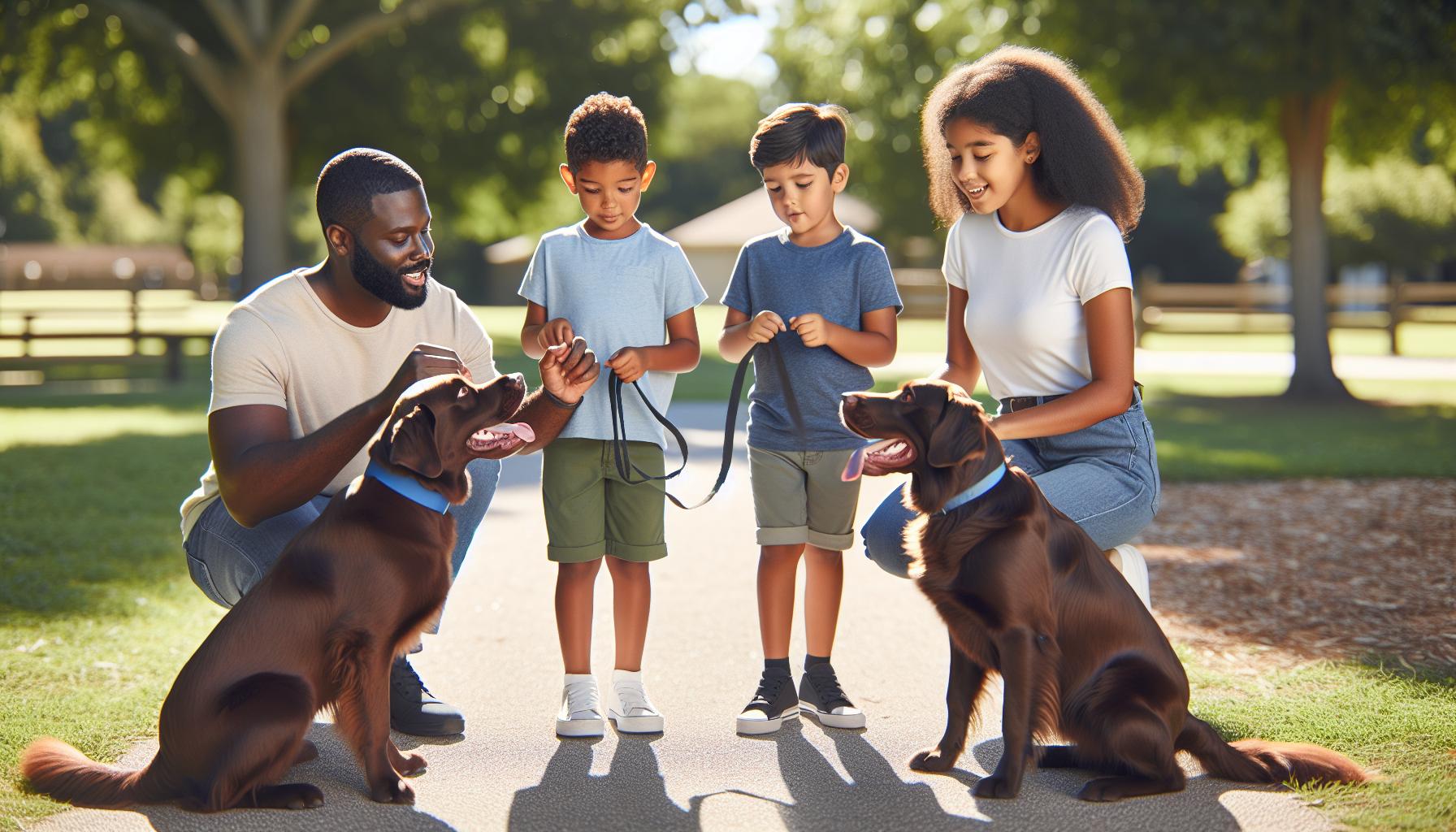
Training Chesapeake Bay Retrievers for Kid-Friendly Behavior
Training Chesapeake Bay Retrievers to interact positively with kids is not just essential; it’s an enriching journey for both the dog and the family. These intelligent and adaptable dogs possess a natural eagerness to please, making them excellent candidates for training. However, integrating kid-friendly behavior into their interaction repertoire requires consistency, patience, and an understanding of the breed’s unique characteristics.
To start, establish clear communication with your Chesapeake Bay Retriever. Use positive reinforcement techniques to incentivize desired behaviors. For example, rewarding your dog with treats, praise, or playtime when they remain calm around children helps reinforce good habits. Focus on training commands such as “sit,” “stay,” and “gentle,” which can be particularly effective when teaching your dog how to interact with kids. Consistency in your commands and rewards is key; this builds confidence in your dog and ensures mutual understanding.
Involving children in the training process can further strengthen the bond between them and the dog. Teach kids to deliver simple commands and reward the dog for following them. This collaborative approach fosters respect and cooperation, allowing children to understand the dog’s boundaries better. It’s crucial to educate kids on appropriate ways to approach and interact with the dog – for instance, encouraging gentle petting instead of roughhousing. Reinforcing boundaries, such as not interrupting the dog while it’s eating or sleeping, is also vital in creating a harmonious environment.
In addition to basic commands, engage your Chesapeake in structured activities that promote calm behavior around kids. For instance, consider participating in obedience classes designed for families, which can offer valuable socialization opportunities. Activities like agility training or basic obedience can channel their energy positively, giving the dog a productive outlet and improving its behavior during interactions with children.
Ultimately, the goal is to create a well-mannered companion who understands how to engage safely with the kids in your family. With commitment to training and a nurturing approach, your Chesapeake Bay Retriever can thrive as a beloved family member, providing joy and companionship to children while maintaining a respectful and safe environment.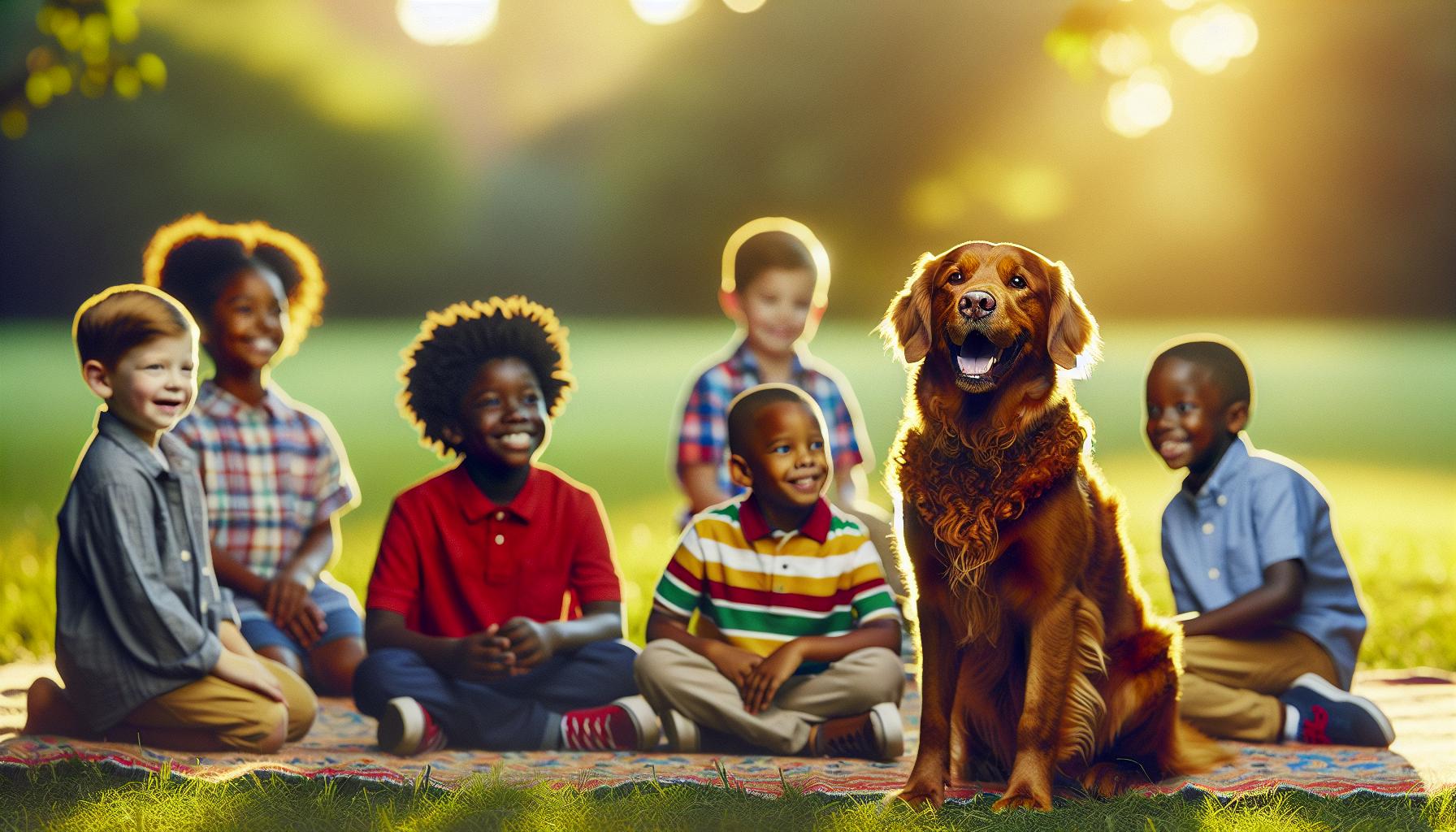
Common Misconceptions About Chesapeake Bay Retrievers and Kids
Many people hold misconceptions about Chesapeake Bay Retrievers, particularly regarding their interactions with children. One common belief is that these dogs are inherently aggressive or unfriendly towards kids. However, real experiences shared by owners often tell a different story. Many Chesapeake Bay Retrievers are known for their warm and friendly dispositions, especially in a family environment. They can be quite protective and devoted to their families, including children, and often forge strong bonds with the younger members of the household [2[2].
Another misconception is that Chessies do not require ample exercise, which can lead to behavioral problems. In reality, Chesapeake Bay Retrievers are highly energetic dogs with a need for regular physical activity and mental stimulation. Without sufficient exercise, they may become bored or restless, potentially leading to unwanted behaviors, such as jumping on or playfully roughhousing with children [3[3].
In summary, dispelling these common misconceptions can significantly enhance the experience of integrating a Chesapeake Bay Retriever into a family setting. By understanding their needs for exercise and socialization, as well as their unique temperament, families can nurture a loving and safe bond between their Chessies and children.
Safety Tips for Families with Chesapeake Bay Retrievers
Ensuring a safe and harmonious environment for both Chesapeake Bay Retrievers and children requires thoughtful consideration and proactive measures. These dogs, famed for their loyalty and protective nature, thrive in an active family setting. However, it is essential to recognize their unique characteristics and needs to maintain a secure atmosphere for everyone involved.
To establish a positive dynamic, supervision is crucial. Always monitor interactions between your Chesapeake and children, especially during playtime. By being present, you can intervene if play gets too rough or if the dog appears overwhelmed. Teach children to respect the dog’s space and understand when the dog might need a break. Engaging kids in basic dog etiquette, like avoiding direct eye contact and giving the dog space when it’s eating or sleeping, fosters mutual respect and prevents misunderstandings.
Creating designated spaces can also enhance safety. Provide a quiet area where your Chesapeake can retreat when feeling anxious or overwhelmed, and ensure children understand this space is off-limits. It’s equally important to establish boundaries, teaching kids to interact only when invited and to avoid overly boisterous behavior that might startle the dog. Consistent rules help children learn appropriate interactions, enhancing the bond between them and the dog.
Regular exercise is another cornerstone of a safe environment. Chesapeake Bay Retrievers are energetic and require daily physical activity to stay healthy and calm. Incorporating structured playtime, such as fetch or swimming, keeps both the dog and children engaged while burning off excess energy. When the dog is well-exercised, it’s less likely to become overly excited or react unpredictably during shared family activities.
Lastly, training is vital to fostering a friendly relationship. Basic commands such as “sit,” “stay,” and “leave it” can vastly improve safety during interactions. Positive reinforcement techniques help instill good behavior, reinforcing the dog’s role as a family member rather than just a pet. Consider enrolling in obedience classes that focus on socialization techniques, helping your Chesapeake feel comfortable around children and other pets while strengthening their bond through shared learning experiences.
By implementing these safety practices, you can ensure that your Chesapeake Bay Retriever and children coexist in a caring, respectful, and enjoyable family setting. This approach not only nurtures the dog’s well-being but also cultivates a loving and secure environment for your children to grow and play alongside their furry companions.
Activities to Enjoy Together: Kids and Chesapeake Bay Retrievers
Engaging in activities that promote fun and bonding between children and Chesapeake Bay Retrievers is essential to fostering a strong relationship. These dogs thrive on interaction and play, making them ideal companions for active families. Whether it’s outdoor adventures or simple indoor games, there are countless ways for kids and their furry friends to enjoy each other’s company.
Outdoor Adventures
Chesapeake Bay Retrievers are known for their love of water and high energy levels, making any activity involving swimming or fetching ideal. Here are some invigorating outdoor ideas:
- Fetch and Retrieve: Use a ball or a water toy and head to a local park or beach. These dogs excel in retrieving, and kids can take turns throwing the toy for their Chesapeake to fetch.
- Hiking: Take your Chesapeake on family hikes. Ensure the trail is suitable for both kids and dogs. This not only helps the dog expend energy but also reinforces leash training and socialization.
- Agility Courses: Set up a simple obstacle course in the yard using cones, tunnels, and jumps. Kids can guide their Chesapeake through it, enhancing training and strengthening the bond.
Indoor Activities
When weather doesn’t permit outdoor fun, there are several engaging activities to do indoors:
- Hide and Seek: Teach the dog to stay, then have kids hide and call the dog to find them. This game is excellent for encouraging obedience and creating excitement.
- Tug-of-War: Simple yet enjoyable, use a sturdy toy for a game of tug-of-war. It’s a great way for kids to contribute to exercise while practicing good behavior and control with their dog.
- Training Sessions: Include kids in basic training routines. They can take turns giving commands for sit, stay, or roll over, reinforcing learning and command recognition.
Building a positive relationship through these activities not only strengthens the bond between children and Chesapeake Bay Retrievers but also instills essential lessons about responsibility and empathy in kids. As they engage in play, they’re learning the importance of caring for another being, enhancing both their character and the dog’s well-being. By focusing on shared experiences, families can enjoy many memorable moments with their furry companions, ensuring that both kids and dogs thrive in a loving environment.
Recognizing and Addressing Behavioral Issues
Chesapeake Bay Retrievers, like any breed, can sometimes exhibit behavioral challenges that may affect their interactions with children. Recognizing these issues early can make all the difference in fostering a positive and safe family environment. Common behaviors that may arise include excessive barking, jumping, or even resource guarding, particularly if a child does not understand how to interact properly with the dog. Awareness of these potential challenges allows families to proactively address them, ensuring that both the dog and the children can coexist harmoniously.
To effectively manage behavioral issues, it’s crucial to establish a consistent routine and clear boundaries for your Chesapeake Bay Retriever. Regular training sessions not only enhance obedience but also help channel their energy constructively. For instance, if your dog tends to jump on guests or children, implement a training command such as “sit” before greetings. This creates a controlled environment and teaches the dog that calm behavior yields positive attention. Encourage your children to participate in this training-this not only builds the children’s confidence in handling the dog but also strengthens the bond between them.
Socialization is another vital element in preventing behavioral problems. Expose your Chesapeake to different environments, people, and even other pets to foster well-rounded behavior. For example, organized playdates with other dogs or visits to dog-friendly parks can help your dog learn proper social cues. Supervised introductions with children are equally important; practice positive reinforcement by rewarding calm behavior during these interactions. Over time, not only will this behavior become ingrained, but it will also empower children to understand the cues that their dog displays, reinforcing a respectful relationship.
Lastly, it’s essential to maintain open communication within your family regarding your dog’s behavior. Discuss any observed issues and collaboratively work on strategies to address them. This teamwork will not only help in resolving behavioral problems but also in creating a supportive environment where both the children and the Chesapeake Bay Retriever feel safe. By educating everyone about the breed’s needs and quirks, families can cultivate a loving home where both two-legged and four-legged members thrive together.
Health Considerations for Chesapeake Bay Retrievers and Children
When welcoming a Chesapeake Bay Retriever into a home with children, understanding health considerations is critical for ensuring the well-being of both the dog and the kids. This breed is generally known for its robustness but can be prone to certain health issues that may impact its interactions with young ones. Typical concerns include hip dysplasia, elbow dysplasia, and certain eye conditions such as cataracts and retinal atrophy. Regular veterinary check-ups and maintaining a balanced diet rich in nutrients can help mitigate these risks, leading to a healthier dog that is better equipped to engage playfully and safely with children.
A crucial aspect of keeping a Chesapeake healthy involves consistent exercise. These active dogs require regular physical activity to maintain their physical fitness. With children in the house, this can be a wonderful opportunity for bonding and shared experiences. Engage your kids in outdoor activities with the dog, such as fetching balls or swimming-these are excellent ways to satisfy the breed’s energy needs while promoting a close relationship between your Chesapeake and your kids. Furthermore, ensuring that your children understand the importance of not overexerting the dog, especially in hot weather, is essential to prevent overheating and fatigue.
Additionally, it’s vital to teach children how to interact with the dog appropriately. Educating kids about reading the dog’s body language can prevent unintended stress for both parties. Children should know when to give the dog space, especially if it shows signs of discomfort or tiredness. Encouraging calm behaviors like gentle petting and avoiding rough play can lead to a more pleasant atmosphere at home.
Establishing these health awareness practices not only aids in fostering a safe environment for children but also nurtures a lifelong companionship between your Chesapeake Bay Retriever and your family. Ultimately, integrating health consciousness with child-friendly interaction can pave the way for joyous memories and a loving household.
Understanding Breed-Specific Traits that Impact Family Life
Chesapeake Bay Retrievers, often affectionately called “Chessies,” are known for their remarkable versatility and eagerness to please, making them intriguing companions for families with children. One of the breed’s most noteworthy traits is their strong retrieving instinct, which was originally honed for waterfowl hunting. This inherent drive makes them playful and energetic, often leading to bonds that parents and kids alike will cherish. However, understanding their temperament is crucial for promoting harmony within the household.
These dogs exhibit a range of traits that can significantly impact family life. They tend to be protective, loyal, and highly trainable, making them responsive to commands, especially when taught from a young age. This trainability is beneficial when teaching children how to interact safely and appropriately with the dog. For families, this means establishing rules around playtime that involve structured activities, ensuring that both kids and the dog can engage safely and enjoyably.
When considering their temperament, it’s essential to acknowledge their sensitivity. Chesapeake Bay Retrievers can become overwhelmed in chaotic environments or if subjected to rough play. Hence, it is vital for families to foster an atmosphere of calm and respect. Educating children on how to recognize signs of stress in the dog, such as retreating or becoming less playful, will lead to more positive interactions and a safer home environment.
Finally, their robust nature requires regular physical activity, which can serve as a wonderful avenue for quality family time. Engaging in activities such as hiking, fetching, and swimming not only caters to the dog’s exercise requirements but also fosters a strong bond between the dog and your family. In essence, while Chessies can bring immense joy and companionship, understanding their unique traits will ensure a harmonious life for both your children and your Retriever.
Resources for Finding a Family-Friendly Chesapeake Bay Retriever
Finding a family-friendly Chesapeake Bay Retriever can be one of the most rewarding decisions a family makes. It’s crucial to approach this process with an informed mindset, as the right fit can greatly enhance family dynamics, especially with children involved. Start by identifying reputable breeders who prioritize health, temperament, and socialization. Many breeders are passionate about the breed and will offer insight into the lineage of their pups, often providing guarantees that the dogs are healthy and well-adjusted for family life.
Additionally, consider adoption as a wonderful alternative. Rescue organizations often have Chesapeake Bay Retrievers looking for homes, and many of these dogs come with their own unique stories and personalities. Working with rescues allows families to assess a dog’s temperament and behavior around children, ensuring a match that fits seamlessly into your family. Many rescues provide foster-to-adopt programs that allow families to spend time with the dog in their own environment before making a final decision.
When assessing potential dogs, whether from breeders or shelters, it’s essential to ask questions focused on temperament and behavior. For instance, inquire about how the dog interacts with children or other pets. The right Chesapeake will typically exhibit a friendly disposition and a degree of patience, especially when exposed to the exuberance of youth. Engaging with the dog during the selection process, observing how they react to children, can also be incredibly telling.
Lastly, education doesn’t stop at choosing a dog; once you welcome a Chesapeake into your home, continuous learning about their behaviors, needs, and proper training techniques is vital. Resources such as local dog training classes, breed clubs, and online communities can offer invaluable support and information, ensuring your family enjoys a harmonious relationship with your new four-legged friend.
FAQ
Q: Are Chesapeake Bay Retrievers naturally good with children?
A: Yes, Chesapeake Bay Retrievers are known to be good with children. They are friendly and protective, making them good family pets. However, supervision during interactions is recommended to ensure positive experiences for both kids and the dogCOG9E-ZGJzTcgvrPFJW8W“>[2[2].
Q: What are common behavioral traits of Chesapeake Bay Retrievers with kids?
A: Chesapeake Bay Retrievers tend to be loyal, protective, and playful, qualities that make them great companions for children. They are generally patient, but they may require proper training to handle high-energy play [3[3].
Q: What safety tips should I consider for families with Chesapeake Bay Retrievers?
A: Always supervise interactions between your Chesapeake Bay Retriever and children. Teach kids to respect the dog’s space and signals. Consider creating safe zones where the dog can retreat if it feels overwhelmedCOG9E-ZGJzTcgvrPFJW8W“>[2[2].
Q: What training tips can help Chesapeake Bay Retrievers behave well with kids?
A: Basic obedience training is essential for Chesapeake Bay Retrievers. Focus on commands like “sit,” “stay,” and “gentle.” Consistent training helps them learn how to interact appropriately with children[3[3].
Q: How can I ensure my Chesapeake Bay Retriever has a happy life with my kids?
A: Provide regular exercise and engage in family activities that include your Chesapeake Bay Retriever. Activities like swimming and fetch keep the dog stimulated and strengthen the bond between them and your children[3[3].
Concluding Remarks
In conclusion, Chesapeake Bay Retrievers can be wonderful companions for families with children, showcasing their loyalty and playful nature. As you consider welcoming one of these intelligent and versatile dogs into your home, remember the importance of proper socialization and training to ensure a harmonious environment for both your kids and your furry friend. Don’t hesitate to explore further-check out our detailed guide on “Training Tips for Your Chesapeake Bay Retriever” and “Nutrition Needs for Your Growing Pup” to equip yourself with essential information for a thriving dog-family relationship.
Ready to take the next step? Subscribe to our newsletter for expert advice and tips straight to your inbox, and share your experiences in the comments below. Your journey with a Chesapeake Bay Retriever is just beginning, and we’re here to support you every step of the way! Explore our resources today and discover all the joy these magnificent dogs can bring to your family!