Golden Retrievers are renowned for their friendly nature, intelligence, and loyalty, making them one of the most beloved dog breeds. If you’re a first-time pet owner, you may wonder if this gentle giant is the right fit for you. With their affectionate demeanor and eagerness to please, Golden Retrievers can adapt beautifully to family life, providing companionship and joy to households of all sizes. This guide will walk you through essential considerations for welcoming a Golden Retriever into your home, from understanding their unique needs in training, exercise, and nutrition to tips for nurturing a strong bond. Whether you’re seeking a playful partner for your children or a loyal friend to share your life with, discovering what makes Goldens tick will ensure a happy, fulfilling relationship. Dive in and learn how to make a Golden Retriever the perfect addition to your family!
Are Golden Retrievers the Ideal First Pets?
Golden Retrievers consistently rank among the most beloved dog breeds, often recognized for their friendly nature and unwavering loyalty. These traits make them particularly well-suited for first-time pet owners. One of the most appealing aspects of Golden Retrievers is their amiable disposition; they are known to be gentle, social, and incredibly eager to please. This combination of traits fosters a strong bond with their owners and can make the training process smoother, which is especially beneficial for those new to dog ownership.
In addition to their temperament, Golden Retrievers are highly adaptable, thriving in various environments, from bustling families to quieter homes. Their playful and energetic demeanor means they enjoy engaging in activities with their families, making them ideal companions for children. Importantly, they are generally good with other pets, enhancing their ability to integrate into diverse household dynamics.
However, potential owners should be mindful of the breed’s exercise requirements. Golden Retrievers need regular physical activity and mental stimulation to maintain their health and happiness. Daily walks, playtime, and interactive games are essential, so prospective owners should ensure they have the time and resources to meet these needs. By preparing for these responsibilities, new owners can enjoy the rewards of having a Golden Retriever-an affectionate friend who brings joy to every moment. In sum, with their loving nature and eagerness to connect, Golden Retrievers are indeed ideal first pets for many families.
Understanding the Golden Retriever Temperament
Golden Retrievers are often described as social butterflies, radiating warmth and friendliness that makes them stand out as one of the most beloved dog breeds. This breed is renowned for its gentle temperament and strong connection to people, which is incredibly beneficial, especially for first-time pet owners. Their amicable nature is paired with an eagerness to please, creating a wonderful foundation for training and bonding. For individuals and families looking for a furry companion, understanding these behavioral traits is crucial in ensuring a harmonious relationship.
Golden Retrievers generally possess a playful and vibrant disposition, making them fantastic companions for children and adults alike. They thrive on social interaction and actively seek engagements with their human counterparts. Their natural curiosity and intelligence lead to a vibrant personality that can lift the spirits of any household. With their ability to adapt to different environments, these dogs can thrive in both busy family settings and quieter homes. Beyond their individualistic charm, they tend to get along well with other pets, further enhancing their suitability as a family dog.
Communication and exercise are paramount in nurturing a Golden Retriever’s temperament. These dogs require ample physical activity not just to stay healthy but also to channel their high energy levels positively. Engaging in regular walks, play sessions, and interactive games enables them to remain well-adjusted and content. Moreover, incorporating basic training into their routine helps to reinforce desirable behavior while deepening the bond between dog and owner. Overall, when prospective owners invest time in understanding and nurturing the unique temperament of Golden Retrievers, they will find themselves rewarded with an affectionate, loyal companion who enriches their lives and brings joy to every moment.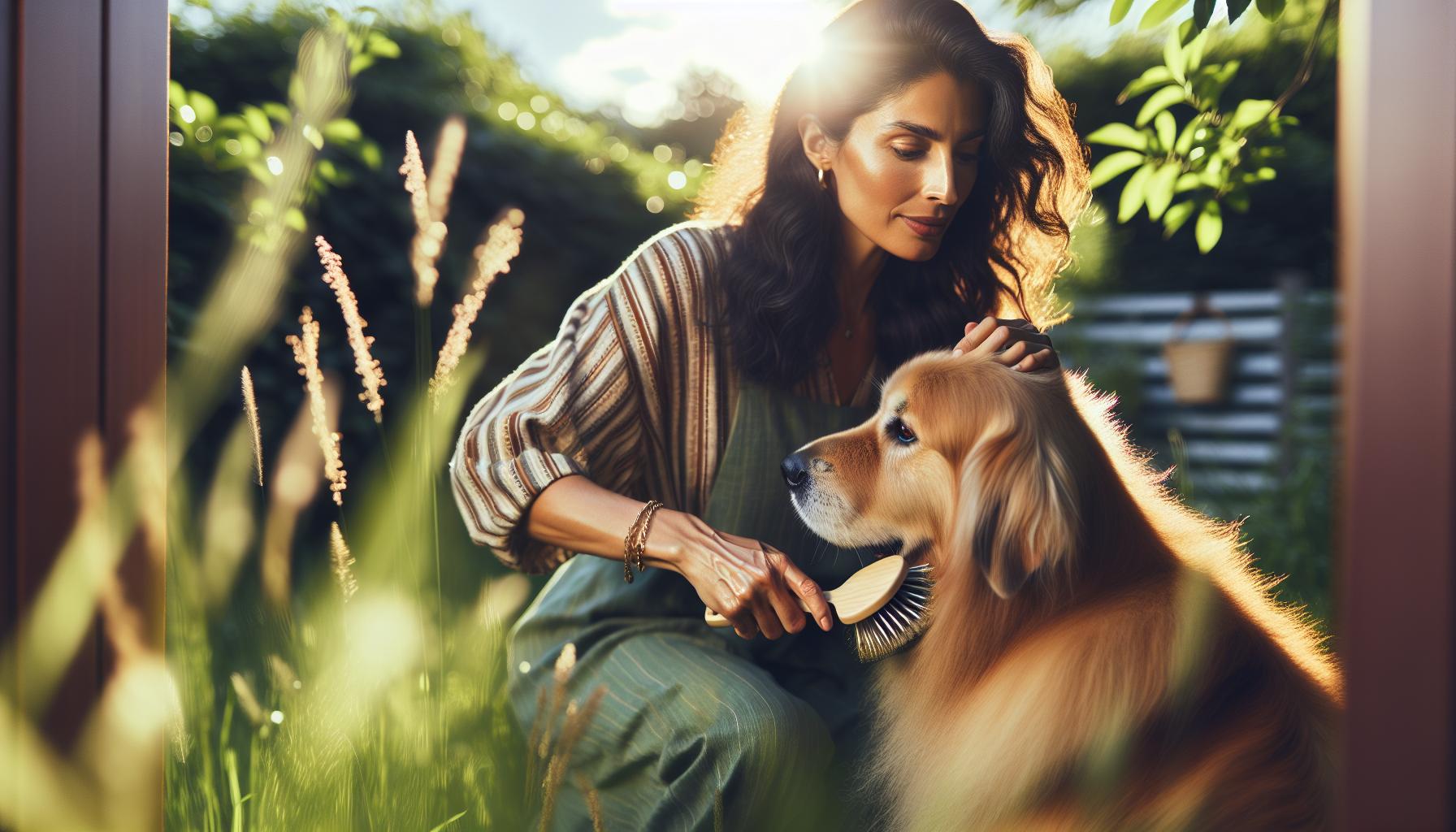
Essential Golden Retriever Care Basics
Golden Retrievers are renowned for their affable nature and adaptability, making them an outstanding choice for families and individuals new to pet ownership. These dogs thrive on companionship and are eager to be involved in family activities. Understanding the care basics for this breed is essential to ensure a happy, healthy, and harmonious relationship.
First and foremost, nutrition plays a pivotal role in a Golden Retriever’s well-being. Providing high-quality dog food, rich in proteins and omega fatty acids, supports their growth and maintains their shiny coat. It’s crucial to monitor their weight and adjust portions to prevent obesity, a common health risk for this breed. Consulting with a veterinarian to determine the best dietary plan can provide tailored advice based on age, activity level, and any specific health concerns your dog may have.
Grooming is another key aspect of care that helps keep your Golden Retriever looking their best while also promoting skin health. Regular brushing-at least two to three times a week-is necessary to manage their thick, water-repellent coat and reduce shedding. During the shedding seasons, daily brushing may be required. Bathing should be done every couple of months or as needed to keep their skin and coat fresh. Don’t forget to check their ears regularly for debris and wax build-up, as this breed can be prone to ear infections.
Physical activity is vital in channeling their energy and maintaining optimal health. Golden Retrievers require a minimum of one hour of exercise each day, which can include walks, play sessions, and engaging games like fetch. Consistent exercise helps prevent boredom, reduces destructive behavior, and enhances their bond with you. As social dogs, incorporating playtime with other dogs can also be beneficial for their mental stimulation.
To ensure a well-rounded upbringing, establishing a routine that includes training and socialization is important. Early puppy training classes can provide the foundation for obedience, while introducing your Golden Retriever to various environments and people fosters confidence and reduces anxiety. Basic commands such as sit, stay, and come are essential for safety and communication, creating a more enjoyable life for both the dog and the owner.
By committing to these fundamental aspects of care, first-time Golden Retriever owners can create a nurturing environment that promotes a unique connection with their new furry companion, blending companionship, fun, and responsibility into one rewarding experience.
Nutrition Needs: Feeding Your Golden Retriever
Feeding a Golden Retriever is not just about filling their bowl; it’s a vital part of nurturing your furry companion and setting the foundation for a long, healthy life. These dogs, known for their enthusiasm and love for food, thrive on a balanced diet that reflects their active lifestyle and robust health needs. High-quality dog food, particularly those formulated for large breeds, should be the cornerstone of their nutritional plan, providing the essential proteins, fats, and carbohydrates that fuel their playful antics and encourage proper growth during their puppy years.
Choosing the Right Dog Food
When selecting dog food for your Golden, prioritize brands that list meat as the first ingredient, as this indicates a higher protein content. Look for formulations rich in omega fatty acids, which are crucial for maintaining a lustrous coat and healthy skin. Different life stages require different nutritional approaches; therefore, puppy food should be rich in protein and fat to support their rapid development, while adult formulas need to balance calories to maintain their ideal weight without overfeeding.
- Puppies (up to 12 months): Focus on high-protein, high-fat food designed for large breeds. Goldens grow quickly, and proper nutrition is critical to avoid growth-related health issues.
- Adults (1 to 7 years): Switch to a balanced adult formula to maintain weight and muscle mass. Monitor their food intake, as Goldens are prone to obesity.
- Seniors (7+ years): A senior formula, often lower in calories and enriched with fiber, can help manage weight and support joint health.
Portion Control and Feeding Schedule
Establishing a consistent feeding schedule is key to preventing obesity and promoting good behavior. Typically, Golden Retrievers should be fed twice a day, with proportions adjusted according to their age, weight, and activity level. Consult the feeding guidelines on your dog food package, and consider factors like your dog’s energy expenditure.
It’s vital to measure out portions rather than free-feeding, as Goldens can overindulge if given the chance. During mealtimes, use food as a training opportunity-practice commands like “sit” or “stay” before rewarding them with their meal. This not only stimulates their mind but also reinforces their training.
Supplements and Treats
Supplements can also play a role in your Golden’s diet, particularly for joint health, as they are predisposed to hip dysplasia and other skeletal issues. Omega fatty acids and glucosamine are popular choices; however, always consult your veterinarian before introducing new supplements.
Treats are an excellent way to bond with your Golden Retriever, be it during training sessions or as rewards for good behavior. Opt for healthier options, such as freeze-dried meats or low-calorie biscuits, and ensure these make up no more than 10% of their daily caloric intake to maintain a balanced diet.
By carefully managing their nutritional needs and implementing these feeding strategies, you can help ensure your Golden Retriever remains a lively, joyful companion throughout their life-a joyous bond that only grows stronger with each shared meal.
Grooming Essentials for Your Golden Retriever
Golden Retrievers are renowned for their stunning golden coats, but this beauty comes with a grooming commitment that is essential for their overall health and happiness. Regular grooming not only keeps their fur looking great but also provides an opportunity for you to bond with your pet. Goldens shed quite a bit, so understanding the grooming needs of this beloved breed is crucial for first-time owners.
One of the most vital aspects of grooming a Golden Retriever is brushing. These dogs have a double coat that requires thorough brushing at least twice a week, although more frequent brushing is ideal, especially during shedding seasons in spring and fall. Invest in a good-quality slicker brush and an undercoat rake to effectively remove loose fur and debris. This practice helps prevent matting and reduces the amount of fur that ends up on your furniture and clothes.
Bathing and Ear Care
Bathing should be done as needed, typically every 8-12 weeks, using a gentle dog shampoo to avoid stripping the coat of its natural oils. Frequent baths can lead to dry skin, so finding the right balance is essential. After bathing, ensure thorough rinsing to avoid any shampoo residue.
Goldens are also prone to ear infections due to their floppy ears, so regular ear cleaning is key. Check their ears weekly and use a vet-recommended ear cleaner to wipe out any dirt or wax buildup. If you notice a bad odor or excessive wax, consult your veterinarian.
Nail Trimming and Teeth Brushing
Regular nail trimming is another important grooming task. Aim to trim your Golden’s nails every three to four weeks, as overgrown nails can lead to discomfort and walking issues. If you hear a clicking sound when your dog walks, it’s time for a trim. Using a high-quality nail clipper or a nail grinder can make this process easier and safer.
Oral hygiene is often overlooked but should not be neglected. Brush your Golden’s teeth several times a week using toothpaste designed specifically for dogs. Good dental care can prevent periodontal disease, commonly found in the breed.
By following these grooming essentials, you’ll not only keep your Golden Retriever looking beautiful but also help maintain their health and well-being. This loving interaction reinforces the bond between you and your pet, ensuring that your furry friend remains happy and vibrant as a cherished member of your family.
Exercise Requirements for Golden Retrievers
Golden Retrievers are energetic and playful dogs that thrive on regular exercise, making physical activity a vital aspect of their care. This breed, known for its friendly disposition and intelligence, requires ample opportunity to burn off energy to maintain optimal health and prevent behavior issues that can arise from boredom or pent-up energy. A well-exercised Golden is not only happier but also behaves better, making them an ideal choice for families.
Daily exercise should ideally include a combination of structured activities and free play. Aim for at least 1 to 2 hours of exercise every day. This can take the form of walks, jogging, fetch, or playtime at a park. Golden Retrievers enjoy various forms of exercise, so mixing it up keeps things interesting. Engage them in interactive games that stimulate both their body and mind, as this breed excels in tasks that challenge their intelligence.
Recommended Activities
To ensure your Golden gets the exercise they need, consider incorporating the following activities into their daily routine:
- Long Walks or Runs: Regular walks not only exercise their bodies but also provide mental stimulation through new smells and sights.
- Fetch: This classic game is excellent for tiring out your Golden and is a perfect way to bond.
- Swimming: Goldens generally love water, so swimming can be a fun and low-impact way to exercise.
- Agility Training: Setting up a mini agility course can engage your dog physically and mentally, providing both exercise and cognitive challenges.
- Hiking: Take your dog on outdoor adventures. Golden Retrievers are strong and love exploring nature, which adds variety to their routine.
By prioritizing their exercise needs, you’ll find that Golden Retrievers not only maintain a healthy weight but also exhibit a calmer demeanor at home. Remember to tailor the intensity and duration of exercise based on your dog’s age and physical condition. Puppies, for instance, will benefit from shorter, more frequent bursts of activity, while older Goldens may prefer gentler strolls. Ensuring your Golden Retriever receives the right amount of exercise will not only contribute to their physical health but also deepen the bond you share as you explore and play together.
Training Methods: Tips for New Owners
Training a Golden Retriever can be one of the most rewarding experiences for first-time dog owners, given the breed’s intelligence, eagerness to please, and remarkably friendly nature. These dogs are not only quick learners but also thrive on positive reinforcement, making the training process enjoyable for both the dog and the owner. Establishing a strong foundation through effective training methods will ensure a harmonious relationship between you and your new furry family member.
When embarking on the training journey, consistency is key. Ensure that everyone in your household is on the same page regarding commands and rules to avoid confusing your Golden. Use positive reinforcement techniques, such as treats, praise, or playtime, to encourage desired behaviors. For instance, rewarding your dog instantly when they sit on command or come when called strengthens their understanding and motivates them to repeat those behaviors. Golden Retrievers are particularly motivated by food and play, so incorporating their favorite toys or treats into training sessions can yield excellent results.
It’s also beneficial to start training early, particularly with basic commands such as sit, stay, and come. These foundational skills foster good behavior and set the stage for more advanced training. Keep training sessions short and engaging-about 5 to 10 minutes each-especially for puppies with shorter attention spans. Remember to end each session on a positive note, ideally with a success or a fun activity.
Engaging in socialization is another critical aspect of training. Introduce your Golden Retriever to various environments, people, and other animals. This exposure will help them develop confidence and adaptability, reducing the likelihood of behavioral issues related to fear or anxiety. Socialization can include taking them on walks in busy parks, arranging playdates with other dogs, or visiting pet-friendly stores.
Lastly, don’t hesitate to seek out professional training classes, especially if you find yourself facing challenges. Many local training facilities offer classes that cater to behavioral challenges or basic obedience. Such classes provide structure for both you and your dog while allowing social interaction with other dogs and owners.
With patience, consistency, and love, training your Golden Retriever will not only instill good behavior but also strengthen the wonderful bond you share, making for a happy and well-adjusted family member.
Common Health Issues and Preventive Care
Golden Retrievers are known for their friendly nature and intelligence, but they are also prone to certain health issues that new owners should be aware of to ensure a long and healthy life for their furry companions. Understanding these common health concerns can help you maintain their well-being and prevent serious conditions down the line.
One of the primary health issues faced by Golden Retrievers is hip dysplasia, a genetic condition where the hip joint doesn’t fit properly into the hip socket. This can lead to arthritis and severe mobility problems. Regular veterinary check-ups are crucial for early diagnosis and management. Maintaining a healthy weight through proper diet and exercise can help alleviate stress on the joints. You can also consider joint supplements after discussing them with your vet.
Another concern is skin disorders, which are often caused by allergies, whether environmental or food-related. It’s important to monitor your dog for any signs of excessive scratching, red skin, or hot spots. Implementing a high-quality diet and considering hypoallergenic options if allergies are suspected can be beneficial. Keeping your dog well-groomed can help minimize skin issues; regular brushing and baths can eliminate dirt and dander that may irritate their skin.
Golden Retrievers are also predisposed to certain types of cancer, notably hemangiosarcoma and lymphoma. Regular check-ups can help with early detection, as symptoms can be vague and easily overlooked. Being attentive to any changes in your pet’s behavior, appetite, or weight can provide critical information for your veterinarian.
Lastly, it’s essential to be aware of heart conditions such as dilated cardiomyopathy, which affects the heart muscle and can lead to congestive heart failure. Early signs include lethargy, coughing, and difficulty breathing. These can often be managed with veterinary intervention; getting heart screenings done at routine check-ups is advisable as your Golden ages.
Incorporating preventive care into your Golden Retriever’s routine is vital. Regular veterinary visits, a nutritious diet tailored to their age and health status, routine vaccinations, and parasite preventive measures all contribute to keeping your Golden healthy and happy. Moreover, providing adequate exercise and mental stimulation not only helps prevent obesity-one of the contributing factors to many health issues-but strengthens the bond between you and your pet as you engage in walks, play, or training sessions together. With the right care and attention, your Golden Retriever can thrive and bring endless joy to your home.
Choosing the Right Golden Retriever Variant
Choosing a Golden Retriever variant that suits your lifestyle and preferences can greatly enhance your experience as a new owner. The breed is beloved for its friendly disposition, intelligence, and adaptability, but there are different variants that exhibit unique traits influenced by breeding practices. Understanding these subtleties will help you forge a deeper bond with your Golden.
Golden Retrievers primarily come in three distinct variants: the American, the English Cream, and the field type. Each has its characteristics that may appeal to different types of owners. The American Golden Retriever is often more energetic and slightly taller, making them excellent companions for active families or those involved in sports. They’re known for their sleek, golden coats that shimmer in the sunlight, and their playful and outgoing nature makes them particularly engaging.
In contrast, the English Cream Golden Retriever tends to have a more stocky build and a lighter coat color, ranging from creamy white to a pale gold. They are often described as more laid-back and calm, which can be ideal for families with young children or for those looking for a less hyperactive companion. This variant’s affectionate demeanor ensures they fit well into family settings, providing a gentle presence that children and adults alike can appreciate.
The field type Golden Retrievers, which are bred primarily for hunting and field trials, possess a robust build and an abundance of energy. They tend to have shorter, denser fur, making them well-suited for outdoor activities. If you’re an active individual or a family that loves outdoor adventures like hiking or running, this variant may be your best match. Their innate drive to work and retrieve can make training a rewarding experience as they thrive on mental and physical challenges.
When considering which variant to adopt, it’s essential to evaluate your lifestyle. Here are some factors to consider:
- Activity Level: Assess how much time you can dedicate to exercise and outdoor activities. Active variants will require more physical engagement.
- Living Space: Consider your home and yard size to ensure it accommodates a Golden’s need for movement.
- Family Dynamics: The temperament of the variant can influence how well they mesh with your family’s needs and lifestyle.
- Grooming Needs: Coat types vary, with some requiring more grooming than others, impacting your long-term care routine.
Ultimately, all Golden Retrievers possess that quintessential gentle and loving spirit, making them excellent companions for first-time pet owners. Evaluating these differences carefully will help you find the perfect furry addition to your family, ensuring a harmonious and joyful relationship for years to come.
Adapting Your Home for a Golden Retriever
Creating a welcoming and safe environment for a Golden Retriever is vital for ensuring their happiness and well-being. These intelligent and friendly dogs thrive in homes where they feel secure and part of the family. As you prepare to bring your new furry friend home, consider these practical tips to adapt your living space to meet their needs.
First, establish a designated quiet area where your Golden can retreat for rest. A cozy bed or crate in a low-traffic corner will provide a safe haven, especially during the initial days of adjustment. Golden Retrievers benefit from structure, so adding a few simple routines, such as designated feeding and potty areas, will also help them feel settled.
Another crucial aspect is ensuring safety throughout your home. Golden Retrievers, known for their curious nature, will explore every nook and cranny. Therefore, remove any hazardous items such as cleaning supplies, small objects they could swallow, or cords they might chew on. Baby gates can be helpful for keeping them out of certain areas, especially when you need to manage any excitement that comes with their playful antics.
It’s also important to consider their exercise and play needs. Setting up a space in your home or yard for playtime is ideal. A sturdy chew toy or a ball launcher can keep them entertained for hours. Remember that Golden Retrievers thrive on interactive play, which also strengthens the bond between you and your new companion. A safe outdoor area with a fence is perfect for letting them frolic and burn off that energetic spirit.
Lastly, pay attention to furniture arrangements. Golden Retrievers are known to shed, so covering your furniture with washable throws can protect it while adding an element of comfort. Additionally, ensure that your beloved canine has access to the family spaces, as these dogs truly enjoy being part of everything happening around them. With a bit of thoughtful preparation, you can create an enriching home environment for your Golden Retriever that fosters love, safety, and joy.
Socialization Tips for Golden Retrievers
Bringing a new Golden Retriever into your home isn’t just about providing food and shelter; it’s also essential to ensure your pup grows into a confident and well-adjusted adult. Socialization is a critical part of this journey, as Golden Retrievers are naturally friendly and eager to please, making them excellent candidates for great companions. However, this inherent friendliness must be nurtured through proper experiences with new people, environments, and situations from an early age.
To start, aim to introduce your Golden Retriever to a variety of people, sounds, and activities during their critical socialization period, which typically occurs between 3 and 14 weeks of age. Take them for walks in different neighborhoods, visit parks, and invite friends over to create positive associations with diverse environments. This exposure helps your Golden develop a sense of confidence and adaptability, crucial traits for their well-being. Accompanying these outings, reward your pet with treats and praise to reinforce their positive reactions.
Interaction with other dogs is just as vital. Consider enrolling your pup in puppy classes or playgroups where they can learn appropriate canine behavior. Supervised dog parks can also be great for socialization, but ensure your Golden has had all necessary vaccinations before mingling with other dogs. Observing and participating in safe play will not only enhance their social skills but also evoke their playful nature, which is a hallmark of the breed.
Lastly, make sure to expose your Golden Retriever to different stimuli and environments even well beyond puppyhood. This includes everyday sounds like vacuum cleaners, traffic, and television noises, as well as experiences like car rides and visits to new locations. Gradually introducing your dog to these elements will help them remain calm and composed in varied settings throughout their lives. Remember, the goal is to create a well-rounded adult dog that thrives both at home and in the broader community. The love and patience you invest during this crucial phase will undoubtedly lead to a deeper bond with your beloved Golden Retriever.
Integrating a Golden Retriever into Your Family
Bringing a Golden Retriever into your home is an exciting journey, one that can transform your family dynamic for the better. Known for their friendly disposition, intelligence, and strong loyalty, Golden Retrievers thrive on companionship and attention. As you integrate your new furry friend into your family, it’s essential to focus on creating a smooth transition that benefits both your dog and your household.
First, establish a consistent routine that includes feeding times, exercise, and training sessions. Golden Retrievers are creatures of habit and thrive on predictability, which helps them feel secure and reduces anxiety. Start with a designated space for your pup, such as a cozy bed or crate, where they can retreat when they need a break. This will not only provide them with a safe haven but also help them learn boundaries within your home.
Engage all family members in the integration process. Ensure everyone knows their role in caring for the new pet-whether it’s walking, feeding, or playing. This teamwork not only strengthens bonds between your family members but also fosters a sense of shared responsibility. It’s also important to encourage gentle interactions among family and your Golden Retriever, particularly during the initial introductions, to prevent overwhelming your puppy.
Golden Retrievers are naturally social and thrive on companionship, so continue to expose them to various family activities. Incorporating your dog into outings, game nights, or even quiet evenings can help them feel like a valued member of the family. Remember to celebrate milestones together, including successful training achievements or adventures, as this will foster a positive relationship and build trust.
Lastly, patience is key. It may take time for your Golden Retriever to adjust fully to their new home and family life. Consistent training and positive reinforcement will go a long way in teaching them the desired behaviors while helping them feel loved and secure. A well-integrated Golden Retriever will not only enhance your family’s joy but will also contribute to a lasting bond filled with trust, love, and companionship.
Frequently Asked Questions
Q: Are Golden Retrievers suitable for families with young children?
A: Yes, Golden Retrievers are excellent family pets, especially for families with young children. Their friendly demeanor, patience, and gentle nature make them great companions for kids, fostering a loving environment. Engaging with children can help develop their social skills and overall well-being.
Q: What common challenges do first-time Golden Retriever owners face?
A: First-time owners may struggle with training, exercise needs, and grooming requirements. Golden Retrievers are energetic and require regular exercise and mental stimulation. Establishing a consistent training routine and familiarizing yourself with grooming can help mitigate these challenges and create a strong bond with your pet.
Q: How much exercise do Golden Retrievers need daily?
A: Golden Retrievers require at least 1 to 2 hours of exercise every day. Activities can include walking, running, playing fetch, or swimming. Regular exercise helps maintain their physical health and prevents behavioral issues stemming from boredom or pent-up energy.
Q: What should I know about Golden Retriever training as a first-time owner?
A: Training a Golden Retriever involves consistency, positive reinforcement, and socialization. Start with basic commands and gradually introduce more complex training tasks. Enrolling in puppy classes can be beneficial for both you and your dog, providing valuable skills and fostering social interactions.
Q: How can I prepare my home for a Golden Retriever?
A: To prepare your home, create a safe environment by removing hazards or toxic plants, securing cables, and designating a comfortable space for your dog. Stock up on essential supplies such as food, toys, and grooming tools. This preparation will help your new pet adjust more easily to their new home.
Q: Are Golden Retrievers prone to any health issues?
A: Yes, Golden Retrievers can be predisposed to specific health issues such as hip dysplasia, elbow dysplasia, and certain genetic conditions like cancer. Regular veterinary check-ups and a healthy diet will help in early detection and prevention, ensuring a longer, happier life for your dog.
Q: How often should I groom my Golden Retriever?
A: Grooming needs for Golden Retrievers generally require brushing at least once a week, but more frequent grooming may be necessary during shedding seasons. Regular grooming keeps their coat healthy, reduces shedding, and creates an opportunity for you to check for any skin irritations or mats.
Q: What is the best way to socialize a Golden Retriever?
A: The best way to socialize a Golden Retriever is by exposing them to various environments, people, and other animals from an early age. Scheduling playdates, attending puppy classes, and visiting dog parks can enhance their comfort and confidence in social situations, crucial for their development.
Key Takeaways
As you embark on your journey with a Golden Retriever, you’ll discover an affectionate, energetic companion who is eager to please. With their loyal nature and gentle disposition, these dogs are fantastic for first-time pet owners. Remember, investing time in proper training, nutrition, and socialization will not only enrich your dog’s life but also strengthen the bond you share. If you’re eager to dive deeper, check out our guides on Golden Retriever training techniques and nutrition essentials that will help you navigate this adventure with confidence.
Don’t forget to explore our community forum, where you can connect with fellow Golden Retriever enthusiasts. Your questions and experiences are invaluable, so share them-let’s celebrate the joy these amazing dogs bring into our lives together! Subscribe to our newsletter for more tips and insights, and stay informed as you nurture your new pet. With a Golden Retriever by your side, you’re not just gaining a pet; you’re welcoming a loyal family member into your home!