
Golden Retrievers are often celebrated for their friendly demeanor and even temperament, making them one of the most beloved dog breeds worldwide. But is this reputation truly universal? Understanding the factors that shape a Golden Retriever’s personality-such as genetics, upbringing, and socialization-is crucial for current and prospective owners alike. Many potential dog owners find themselves pondering this vital question: Are all Golden Retrievers really as friendly as they seem? In this exploration, we’ll dive into the nuances of their temperament, addressing common concerns and uncovering the truth behind the breed’s warm-hearted reputation. Whether you’re looking to welcome a Golden into your home or simply want to better understand the behavior of your furry companion, this guide will illuminate the characteristics that make these dogs so much more than just their charming smiles. Join us as we unravel the facts and insights that will help you appreciate the unique qualities of Golden Retrievers even more.
Are All Golden Retrievers Naturally Friendly?

While the Golden Retriever is renowned for its amiable and eager-to-please disposition, it’s essential to recognize that not every individual embodies the same level of friendliness. This breed’s inherent nature generally tilts toward sociability and affection, primarily due to its history as a working and family dog. Over time, breeders have favored dogs that exhibit gentle and sociable traits, leading to the common perception of all Golden Retrievers as inherently friendly. Nevertheless, just like people, each dog possesses a unique personality shaped by various factors, including genetics, upbringing, and environment.
Golden Retrievers are typically more predisposed to warmth and an adaptable temperament compared to many other breeds; however, this does not guarantee that every Golden would naturally exhibit these qualities without appropriate socialization and training. Factors such as early experiences, exposure to different people and environments, and consistent training play pivotal roles in developing a Golden’s temperament. For example, a Golden Retriever raised in an environment rich in positive interactions with people and animals will likely grow into a more sociable and friendly adult compared to one that has faced neglect or isolation during its formative months.
To help nurture a Golden Retriever’s naturally friendly nature, owners should focus on proper socialization from a young age. Engaging in various activities, such as puppy classes, dog parks, and family gatherings, can enhance a dog’s comfort with diverse social situations. This corrective approach can temper a dog’s inherent traits, providing a lifelong foundation for friendly interactions and emotional stability. Ultimately, while Golden Retrievers often come with a predisposition to friendliness, a dog’s behavior will largely depend on the love, guidance, and experiences it receives throughout its life.
The Temperament Spectrum of Golden Retrievers

Golden Retrievers are often celebrated not only for their stunning golden coats but also for their friendly and eager-to-please personalities. However, the temperament of any individual Golden can vary along a broad spectrum influenced by a myriad of factors, including genetics, upbringing, and environment. Understanding this spectrum is essential for prospective Golden Retriever owners, as it helps set realistic expectations and paves the way for a nurturing relationship.
At the heart of the Golden Retriever’s temperament is the breed’s historic role as a family dog and working companion. This background has fostered a strong desire for social interaction and cooperation. Yet, just like humans, each Golden possesses its own personality quirks. Some may exhibit more exuberance and playfulness, while others can be more reserved. Notably, those who have been well-socialized from an early age tend to display a greater degree of confidence and social ease, reinforcing the idea that friendly behavior isn’t purely innate but can be cultivated through experiences.
To help your Golden thrive emotionally and socially, consider the importance of varied experiences during their formative months. Engaging with different animals, encountering various environments, and meeting a wide array of people can enrich a Golden’s temperament. Regular outings to parks, training classes, and family events can significantly influence your dog’s comfort level with new situations, ultimately contributing to a more well-rounded and adaptable adult dog.
It’s also crucial to note that temperament can manifest differently across various lines of Golden Retrievers. For instance, field-bred Goldens might display a more energetic and driven demeanor suited for working roles, while show-bred Goldens may lean towards a calmer, more relaxed temperament. Understanding these distinctions can help prospective owners choose a Golden that aligns with their lifestyle and expectations. By nurturing their innate friendliness and providing a supportive environment, owners can ensure that their Golden Retriever remains a cherished and delightful member of the family.
Understanding Golden Retriever Breeding and Traits
Golden Retrievers are renowned for their friendly, loyal nature, but the key to understanding their temperament lies in the nuances of breeding. Over the years, responsible breeding practices have shaped this breed to emphasize not only their physical characteristics but also their temperament traits. Breeders focus on genetics that favor attributes such as intelligence, sociability, and a gentle disposition, all of which contribute to the breed’s popular image as an ideal family pet.
When considering the traits of Golden Retrievers, it’s essential to recognize the difference between the three primary types: American, English, and field-bred Goldens. The American Goldens are typically taller and have a more refined appearance, while English Goldens boast a sturdier build with a broader head and thicker neck, often known for their calm demeanor. Field-bred Goldens, characterized by their athletic build and high energy, are meticulously bred for their working ability, generally showcasing more excitement and drive. Each type exhibits variations in temperament influenced by their intended purpose, whether as hunting companions, show dogs, or beloved family pets.
Socialization plays a pivotal role in shaping these innate traits. Puppies exposed to diverse environments, people, and experiences while growing up tend to develop well-rounded personalities, reducing the likelihood of anxieties and behavioral issues later in life. Encouraging interactions with various stimuli helps reinforce their naturally friendly disposition. Responsible breeders will also prioritize good temperament in their breeding practices, ensuring their puppies are raised in wholesome settings that promote positive behavior and social skills.
Ultimately, while many Golden Retrievers display that innate friendliness and gentleness, individual differences do exist. By understanding the breeding backgrounds and physical traits associated with the different lines, prospective owners can make informed decisions to find a Golden Retriever that fits seamlessly into their lifestyle and family dynamic. Nurturing these traits through robust socialization, consistent training, and a supportive home environment will enhance the bond between the dog and its family, paving the way for a joyful companionship.
Socialization: Key to a Friendly Golden Retriever
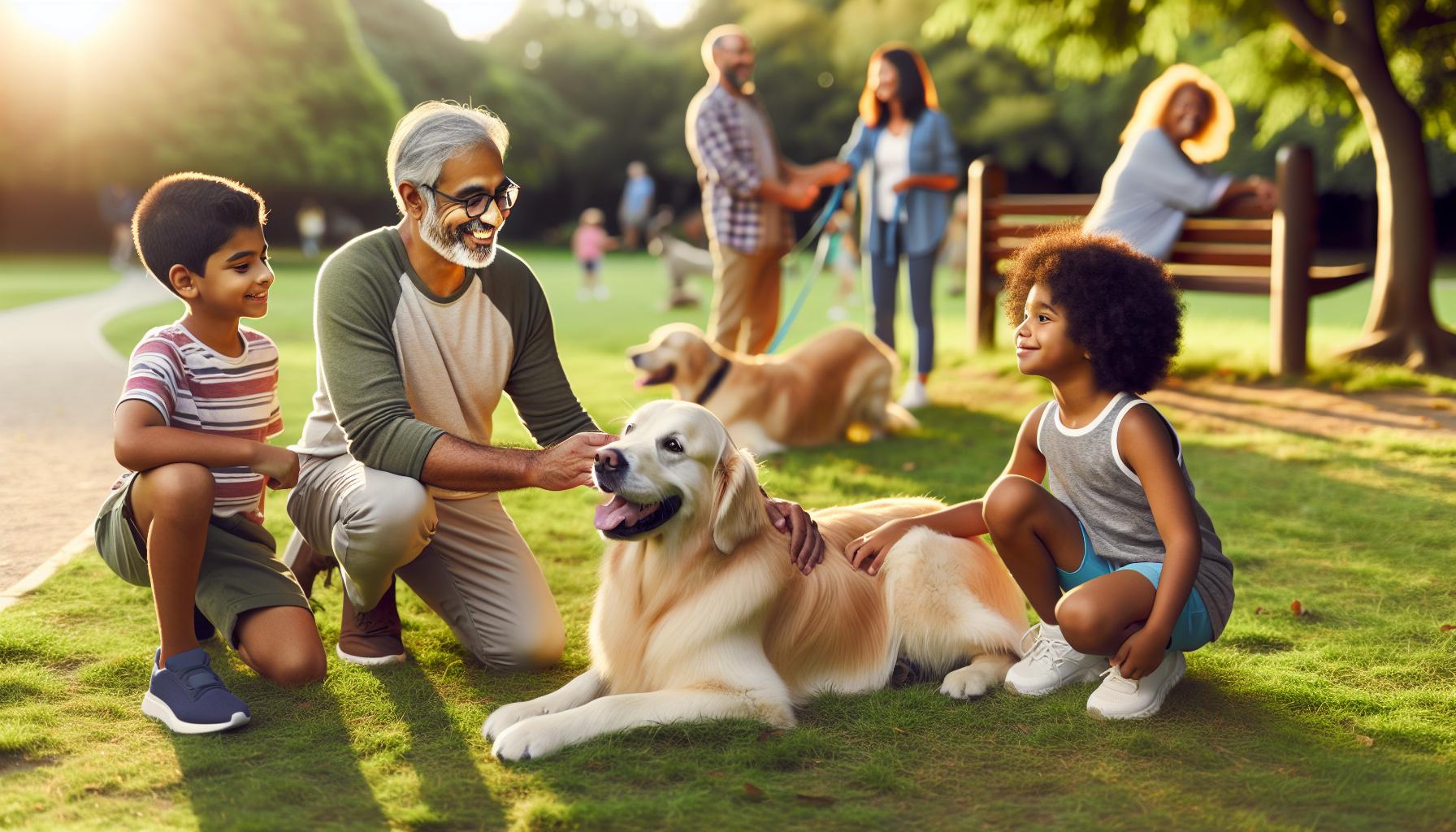
The foundation of a Golden Retriever’s friendly demeanor is rooted in its early socialization experiences. From a young age, exposing your puppy to a variety of people, animals, sounds, and environments significantly influences their personality and behavior as adults. Research supports the notion that puppies are most receptive to new experiences between 3 and 14 weeks of age, making this crucial window an essential period for shaping a well-adjusted dog.
Engaging your Golden Retriever in regular socialization activities helps them develop confidence and reduces the chances of developing behavioral problems, such as anxiety or fearfulness. Here are some effective strategies to enhance your puppy’s socialization:
- Playdates: Arrange meet-ups with other dogs, particularly those that are calm and friendly. This helps your puppy learn appropriate play behavior and gain confidence.
- Exposure to Various Environments: Take your puppy to different locations such as parks, pet stores, and busy streets to expose them to a range of sights, sounds, and smells.
- Meeting People: Encourage interactions with people of all ages, including children, seniors, and those wearing hats or carrying umbrellas to help your puppy feel comfortable around diverse groups.
- Training Classes: Enrolling in puppy kindergarten classes not only teaches basic commands but also offers a structured environment for socialization with both humans and other dogs.
When effectively socialized, Golden Retrievers often thrive on human and canine interactions, reinforcing their natural instinct to be friendly. It’s important to remember that every dog is unique, and some may need more time or alternative strategies to become comfortable in new situations. Supporting your Golden Retriever through this process-with patience and positive reinforcement-will pave the way for a lifetime of joyful, sociable experiences. These proactive socialization efforts foster not just a friendly nature but also lay the groundwork for a serene and happy home life, where your Golden can flourish as a cherished family member.
Common Misconceptions About Golden Retriever Behavior
Golden Retrievers are often perceived as inherently friendly and easy-going, but this oversimplifies their temperament. While the breed is generally known for its sociable nature, there are several misconceptions about their behavior that can lead to misunderstandings among new or prospective owners. For instance, it’s a common belief that Golden Retrievers will get along seamlessly with every person and dog they encounter. However, individual personalities and prior experiences can greatly influence a dog’s behavior. Some Golden Retrievers may exhibit shyness or fearfulness in new situations or with certain individuals, particularly if they haven’t been adequately socialized.
Another misconception is that all Golden Retrievers are excitable and hyperactive. While many are indeed energetic, the level of activity can vary widely among individuals. Factors such as genetics, upbringing, and lifestyle play significant roles in shaping a dog’s energy levels. Some Goldens may be more calm and laid-back, especially as they mature. This variability is essential for potential owners to recognize, as it allows for better matching between a dog’s temperament and the owner’s lifestyle.
Moreover, there is a myth that Golden Retrievers do not require training since they are so friendly and eager to please. In reality, consistent training is vital to guide their behavior and help them channel their friendly disposition appropriately. It’s important to teach them basic commands, proper greetings, and how to interact with other pets and people respectfully. Without proper training, a Golden Retriever’s enthusiasm and friendliness could turn into overexcitement or even undesirable behaviors.
Ultimately, while Golden Retrievers have the potential to be incredibly friendly companions, acknowledging the nuances of each dog’s temperament and understanding that their behavior can be influenced by various factors is crucial. Educating yourself on these misconceptions can lead to a more enriching and fulfilling relationship with your Golden, helping them become the well-rounded and affectionate family member they were bred to be.
Signs of a Well-Adjusted Golden Retriever
A well-adjusted Golden Retriever exhibits a range of behaviors that signal their emotional and psychological health. These dogs are not only friendly but also demonstrate adaptability and resilience in various situations. In understanding the , owners can foster a supportive environment that enhances their pet’s natural inclinations toward friendliness and sociability.
One hallmark of a balanced Golden Retriever is their ability to approach new people, experiences, and environments with curiosity rather than fear. A well-adjusted dog will typically greet strangers with a wagging tail, relaxed body language, and a willingness to engage, whether through playful antics or gentle nudges for attention. In contrast, a fearful dog may exhibit signs of distress, such as cowering, growling, or even avoiding eye contact, which indicates the need for more social exposure and positive reinforcement.
Another key sign is a consistent ability to interact positively with other dogs. A well-socialized Golden will play appropriately, respecting boundaries and understanding canine body language. They should be able to read cues from their peers – whether it’s engaging in play or knowing when to back off. A Golden Retriever that can harmoniously mingle in different social settings likely possesses a solid foundation of social skills, stemming from adequate socialization during their formative months.
Moreover, balance within their demeanor is essential. Well-adjusted Golden Retrievers oscillate between playfulness and calmness, adapting to their surroundings. For example, they can be exuberant during playtime at the park but will readily settle down at home or during family gatherings. A chronic inability to relax, excessive barking, or anxiety might indicate that they require more mental stimulation, training, or support in managing their energy levels.
Lastly, a well-adjusted Golden Retriever looks to their owners for guidance. They will respond positively to commands, showing eagerness to please, which is inherent to their breed. This cooperative demeanor reflects a strong bond built on trust, confirming that their emotional needs are being met. By recognizing these behaviors and nurturing them further through positive interactions, training, and consistent social exposure, owners can ensure their Golden Retriever leads a happily fulfilled life as part of the family.
The Role of Training in Temperament Development
Training plays a pivotal role in shaping the temperament of Golden Retrievers, helping to ensure that their natural sociability and friendliness are channeled positively. Unlike some breeds that may have stronger protective instincts, Golden Retrievers are inherently eager to please and sociable, but without appropriate training, these traits can lead to over-exuberance or unanticipated behavior issues. A well-structured training program not only enhances their natural predisposition towards a friendly demeanor but also serves as a foundation for good behavior in various settings.
One effective approach is positive reinforcement training, which aligns perfectly with the Golden Retriever’s desire to connect with their human companions. This method involves rewarding desired behaviors rather than punishing undesired ones, creating an environment of encouragement and trust. For instance, teaching commands like “sit,” “stay,” and “come” can significantly reduce impulsive behaviors while reinforcing the bond between the dog and their owner. When Golden Retrievers see that following commands leads to treats and praise, they are likely to approach various situations with greater confidence and calmness.
Incorporating socialization into the training regimen is equally essential. Early exposure to different environments, people, and other animals can greatly influence a Golden Retriever’s comfort level in new situations. Puppy classes, dog parks, and playdates provide invaluable opportunities for social learning, helping to teach these dogs how to interact appropriately with both humans and fellow canines. Positive interactions during critical socialization periods lead to well-adjusted adults who are typically friendly and adaptable, embodying the breed’s hallmark traits.
Moreover, consistency in training routines is vital. Golden Retrievers thrive on routine and clarity; thus, setting clear expectations and regularly practicing reinforcement techniques fosters a strong sense of security in these dogs. This consistent approach not only aids in developing good manners but can also reduce anxiety and prevent behavior problems linked to a lack of structure. Owners who dedicate time to training and socialization not only enhance their Golden Retriever’s friendly nature but also build a lifetime of trust and mutual respect, enriching their shared experiences in everyday life.
Ultimately, successful training is a journey that involves patience and commitment but is immensely rewarding. As owners foster their Golden Retriever’s friendly character through thoughtful training practices, they cultivate a happy, well-loved member of the family who is both a joy to be around and a beloved companion.
Environmental Influences on Golden Retriever Behavior
The environment in which a Golden Retriever grows up significantly shapes its behavior and temperament. A well-socialized puppy raised in a loving and stimulating environment is more likely to develop into the friendly, personable adult that this breed is known for. Factors such as the family dynamic, the physical surroundings, and daily interactions all play crucial roles in influencing a dog’s social behavior.
Early life experiences are particularly impactful. When Golden Retrievers are exposed to various stimuli-such as other pets, children, visitors, and different environments-they learn to navigate different social contexts effectively. This exposure helps build their confidence and comfort levels, reducing the likelihood of fearfulness or aggression toward unfamiliar situations. For instance, inviting friends over during a puppy’s formative weeks can help them associate new people with positive experiences, fostering a naturally friendly disposition.
In addition to social interactions, the physical environment also influences behavior. A spacious yard or nearby park where a Golden Retriever can run and play contributes to overall happiness and reduces energy-driven destructive behaviors. Regular exercise not only aids in physical health but also provides mental stimulation, preventing boredom that can lead to negative actions. Activities such as fetch, obedience training, and agility courses are fantastic ways to engage a Golden Retriever and solidify their friendly nature.
Moreover, consistency in the environment plays a vital role. Golden Retrievers thrive on routine, so establishing a predictable daily schedule around meals, walks, and playtime helps foster a sense of security. This environmental stability can lead to decreased anxiety and an overall more balanced temperament, making them even more engaging companions.
Ultimately, creating an enriching and positive environment tailored to a Golden Retriever’s needs is vital. Owners who take the time to ensure their dog’s surroundings are supportive and stimulating will be rewarded with a well-adjusted pet that embodies the friendly spirit this breed is celebrated for.
How to Assess a Golden Retriever’s Temperament
Assessing the temperament of a Golden Retriever is essential for ensuring a harmonious relationship between dog and owner. Temperament can vary widely based on genetics, socialization, and environment, but certain observable traits can help you gauge a dog’s disposition. Prospective owners should engage in thoughtful observations and utilize specific criteria to evaluate potential companions effectively.
One effective method is to observe how a Golden Retriever interacts with people and other animals. A well-adjusted dog typically exhibits a friendly, curious demeanor, showing eagerness to engage socially. Look for behaviors such as wagging tails, relaxed body language, and playful interactions. Conversely, signs of fear or aggression, like growling, backing away, or stiff posture, may indicate a temperament that needs further nurturing or training.
Another crucial aspect to consider is the dog’s response to new experiences. Golden Retrievers are known for their adaptability, so assess how they react to unfamiliar sounds, environments, or people. A confident Golden will likely approach new situations with curiosity, while a shy or anxious dog may hesitate. Early exposure to diverse environments, people, and situations can help foster a more resilient temperament, making it vital to advocate for a socially rich upbringing.
It’s also important to evaluate the dog’s training history and obedience. Well-trained Golden Retrievers typically demonstrate discipline and are more likely to exhibit positive behavior. Consider using simple commands or engaging in play to see how the dog follows prompts and interacts. This interaction not only reveals the dog’s ability to learn but also highlights their willingness to please-a hallmark of the breed’s temperament.
Finally, set aside time for direct interaction to truly assess temperament. Spend time playing, petting, or simply sitting with the dog in a relaxed setting. Notice their reactions to your presence and gauge their overall energy level. A Golden Retriever that is naturally inclined to seek out companionship and affection will reflect the friendly, even-tempered nature this breed is celebrated for. Through these assessments, you can find a Golden Retriever that will seamlessly integrate into your family, bringing joy and companionship into your life.
Golden Retriever Variations: Temperament Differences
Golden Retrievers are often celebrated for their friendly demeanor and adaptable nature, but the breed encompasses a range of variations that can influence individual temperament. These variations not only stem from physical traits but also from the specific purposes for which different lines have been bred. Understanding these differences is essential for potential owners seeking a perfect companion that matches their lifestyle and preferences.
Types of Golden Retrievers
There are three principal types of Golden Retrievers, each with potential variations in temperament:
- American Golden Retrievers: Known for their athletic build and darker golden coats, they are often bred for fieldwork. They may exhibit a slightly higher energy level and a more assertive nature, making them excellent companions for active households. Their enthusiasm can be contagious, but they may require more vigorous exercise and mental stimulation.
- English Cream Golden Retrievers: Recognized for their lighter coats and stockier builds, they are often seen as more laid-back. This variation tends to be calmer and may be better suited for families seeking a gentle pet that enjoys cuddles and relaxed playtime. Their temperament generally leans towards a quieter demeanor, making them ideal for tranquil living environments.
- Field Golden Retrievers: Bred specifically for hunting and retrieving purposes, they possess a strong work ethic and high levels of energy and drive. Although they are friendly, their need for exercise and mental engagement is paramount. They thrive in active settings where they can participate in sports or outdoor activities with their owners.
Behavioral Traits and Considerations
Even within these categories, individual temperaments can vary based on genetics, upbringing, and socialization. For example, a well-socialized American Golden may be gentler and more accepting than some English Creams. Similarly, a field-bred Golden that has been raised in a nurturing environment could be exceptionally friendly. Thus, when assessing temperament, consider not only the lineage but also the individual dog’s experiences.
Training and socialization play crucial roles in shaping any Golden Retriever’s disposition. Regardless of their type, early exposure to various environments, people, and other animals is essential to nurture their friendly nature. Engaging in positive training practices will also amplify their innate traits of loyalty and eagerness to please.
By being aware of these variations and understanding how they might influence overall behavior, prospective Golden Retriever owners can make informed decisions, ensuring a harmonious fit for their family’s lifestyle. Each type of Golden has its unique charm and personality, and with the right approach, they all thrive in family settings, embodying the unyielding companionship that defines the breed.
Nurturing Your Golden Retriever’s Friendly Nature
To nurture the inherently friendly nature of Golden Retrievers, it’s essential to provide them with a supportive, loving environment that fosters their positive traits. These dogs thrive on companionship, so developing a strong bond through regular interaction, play, and training is vital. Engaging in activities that channel their energy-like fetch, agility training, or swimming-will not only fulfill their physical needs but also reinforce their social nature. Inviting them to participate in family activities, such as outings or group playdates with other dogs, can enrich their lives and strengthen rapport with their human family members.
Socialization Strategies
Early and ongoing socialization is crucial for Golden Retrievers. Exposure to a variety of environments, people, and sounds helps them grow into well-adjusted adults. Puppy classes or community dog parks can be excellent venues for this exposure. Here are some effective strategies to enhance socialization:
- Positive Reinforcement: Use treats and praise to reward your Golden when they exhibit friendly behavior around new people or animals, reinforcing their natural inclination to be social.
- Controlled Introductions: Arrange playdates with other dogs that are known to be friendly to foster good interactions.
- Diverse Experiences: Take your Golden to different places-busy parks, quiet trails, and pet-friendly stores-to acclimate them to various environments.
Training for Friendliness
Training plays a pivotal role in enhancing your Golden Retriever’s friendly disposition. Consistent, positive training sessions can help them learn appropriate ways to interact with their world. Incorporate commands like “sit,” “stay,” and “come” into your routine, ensuring those are practiced in varied settings where distractions may be present. This approach not only promotes good behavior but also instills confidence in your dog when meeting new people or navigating unfamiliar situations.
is about more than just obedience; it’s about creating a trusting relationship. By prioritizing their emotional and physical needs through socialization and training, you’re setting the stage for a lifelong bond characterized by love, companionship, and joy. With the right nurturing techniques, these loyal companions can embody the very essence of friendliness that defines their breed.
Creating a Balanced Home for Your Golden Retriever
Creating a nurturing environment for your Golden Retriever is essential for fostering their friendly disposition and overall well-being. Goldens, known for their sociable nature, thrive in homes that provide both stability and stimulation. The key to achieving a harmonious household lies in ensuring that your dog feels secure, loved, and engaged through structured routines and plenty of varied activities.
Developing a consistent daily schedule can greatly benefit your Golden. Regular feeding times, exercise routines, and play sessions help create a predictable environment that reduces anxiety. Incorporate interactive toys and puzzles to mentally stimulate your dog, allowing their natural curiosity and intelligence to shine. Periodic training exercises not only reinforce good behavior but also build confidence, making your Golden feel more at ease in different situations.
Establishing Boundaries and Rules
While Golden Retrievers are generally friendly, establishing clear boundaries is crucial for their development. This includes setting designated areas in the home for relaxing, feeding, and play. By teaching your dog where they can go and what behaviors are acceptable, you pave the way for a respectful and well-mannered companion. Consistency from all family members is vital; ensuring everyone is on the same page helps maintain order and clarity, which further contributes to your dog’s sense of security.
Encouraging Family Integration
Integrating your Golden Retriever into family life strengthens the bond you share. Include them in daily activities, such as walks, family game nights, or outings to dog-friendly locations. This inclusion not only satisfies their need for social interaction but also enriches their experience and strengthens the dynamics within the family. Introducing your dog to various friends and neighbors slowly can also help them learn to be adaptable and friendly in diverse settings.
In summary, a balanced home for your Golden Retriever is one where love, structure, and routine meld seamlessly. By providing a safe haven filled with consistent rules and ample opportunities for play and socialization, you’re not just nurturing a pet; you’re fostering a loyal family member who embodies the friendly essence of this beloved breed.
Faq
Q: Are Golden Retrievers aggressive towards strangers?
A: No, Golden Retrievers are generally not aggressive towards strangers. They are known for their friendly disposition and sociable nature, making them great companions. Proper socialization from an early age can enhance their friendly behavior even further.
Q: What should I do if my Golden Retriever is not friendly?
A: If your Golden Retriever is not friendly, it may need more socialization. Gradually introduce them to new people and environments, and consider positive reinforcement training. Consult a professional dog trainer for tailored guidance on improving their social skills.
Q: Are female Golden Retrievers more friendly than males?
A: The friendliness of Golden Retrievers does not significantly depend on their gender. Both male and female Goldens can be equally friendly and even-tempered, though individual personalities may vary. Factors such as upbringing and training are more influential.
Q: How can I improve my Golden Retriever’s temperament?
A: Improving your Golden Retriever’s temperament involves consistent training, regular socialization, and positive reinforcement. Engaging activities and early exposure to different environments can help shape a well-adjusted dog.
Q: Do Golden Retrievers get along with other pets?
A: Yes, Golden Retrievers typically get along well with other pets due to their friendly nature. Early socialization and gradual introductions can foster positive relationships with cats and other dogs in the household.
Q: What are the signs of a happy Golden Retriever?
A: A happy Golden Retriever displays a relaxed body posture, wagging tail, playfulness, and a willingness to engage in activities. Consistent eye contact and a desire for companionship are also signs of a content and healthy dog.
Q: Can training help a nervous Golden Retriever become more friendly?
A: Yes, training can help a nervous Golden Retriever become more friendly. Confidence-building exercises, positive reinforcement, and consistent routines can ease their anxiety. Gradual exposure to social situations can further enhance their demeanor.
Q: What is the best way to socialize a Golden Retriever?
A: The best way to socialize a Golden Retriever is to expose them to various environments, people, and other dogs from an early age. Controlled playdates, puppy classes, and regular outings can foster their sociability, ensuring they grow into friendly adult dogs.
To Conclude
In conclusion, while Golden Retrievers are generally known for their friendly and even-tempered nature, individual personalities can vary. Understanding the factors that influence their temperament is vital for any prospective owner or current guardian. For detailed guidance on caring for your Golden Retriever, including tips on grooming, exercise, and training, be sure to check out our comprehensive resources on Golden Retriever care and training techniques.
Don’t let uncertainty hold you back! Explore our articles on the unique needs of Golden Retrievers, from nutrition to advanced training methods, and discover how to maximize their potential as loving companions. If you’re looking for personalized advice, consider subscribing to our newsletter for expert tips delivered straight to your inbox. Join our community of passionate dog lovers and share your experiences in the comments below-your story might just inspire someone else!