When considering adding a Flat-Coated Retriever to your family, understanding their temperament is essential. Known for their exuberant personalities and joyful demeanor, many prospective owners wonder, “Are Flat-Coated Retrievers aggressive?” This inquiry not only pertains to safety but also influences how well these playful pups will integrate into your home. With their friendly nature and exuberance, these dogs often thrive in family settings, but like any breed, they require proper training and socialization to bring out their best traits. In this article, we’ll explore the truth behind the temperament of Flat-Coated Retrievers, shedding light on their behavior, needs, and how to foster a loving relationship. Whether you’re a seasoned dog owner or a first-time adopter, understanding this breed can help ensure a harmonious environment where they can flourish. Curiosity about their temperament is just the beginning; let’s dive deeper into what makes Flat-Coated Retrievers such cherished companions.
Understanding the Nature of Flat Coated Retrievers

The Flat Coated Retriever is a breed that embodies joy and enthusiasm, making it one of the most beloved companions in the canine world. Known for their distinctive shiny black or liver-colored coats and exuberant personalities, these dogs are often seen as the eternal puppies of the dog world. Their playful nature is matched by a remarkable intelligence, making them both delightful companions and highly trainable pets. Understanding their nature is essential for harnessing their energy and affection positively.
One of the most notable characteristics of Flat Coated Retrievers is their friendly disposition. They are inherently social animals, thriving on interaction with both people and other dogs. This breed is not predisposed to aggression; instead, their temperament often reflects their environment and upbringing. Proper socialization during their early stages is crucial to help them develop into well-rounded adult dogs. They require a loving framework where they can express their natural curiosity and playful spirit while learning acceptable behaviors.
Flat Coated Retrievers also exhibit a strong desire to please, which makes training a rewarding experience. However, their intelligence and exuberance can lead to mischief if not properly directed. Engaging these dogs in activities like obedience training, agility courses, and interactive games can satisfy their mental and physical needs while solidifying the bond between dog and owner. Additionally, incorporating positive reinforcement techniques will not only enhance their learning but also foster a trusting relationship, further revealing the joy and loyalty that this breed is known for.
These retrievers are happiest when they are part of family activities and outdoor explorations. Whether hiking, playing fetch, or swimming, keeping them active and stimulated is key to maintaining their well-being. When their innate energy is redirected towards positive engagement and consistent training, Flat Coated Retrievers thrive as affectionate, well-behaved family members, dispelling any myths about aggression and highlighting their true nature as loving companions.
Common Myths About Flat Coated Retriever Aggression
Flat Coated Retrievers are often misunderstood when it comes to their temperament, largely due to the myths surrounding their behavior. Due to their exuberant and playful nature, some people mistakenly label them as aggressive. However, these delightful dogs are known for their friendly and affectionate disposition, making the myths surrounding aggression not only inaccurate but unfair to the breed.
One common misconception is that Flat Coated Retrievers are inherently aggressive. This confusion often arises from their boisterous and playful behavior, which can be misinterpreted as hostility. In reality, Flat Coated Retrievers are social creatures who thrive on companionship and interaction, whether with humans or other dogs. Their natural exuberance and enthusiasm should not be mistaken for aggression; rather, they reflect a joy for life that is characteristic of the breed. With proper socialization and positive interactions, Flat Coated Retrievers usually display gentle and kind behavior, further dispelling the myth of inherent aggression.
Another myth suggests that these dogs are prone to aggressive behavior if not trained early. While early training and socialization are crucial for all breeds, it is especially important for Flat Coated Retrievers due to their high intelligence and eagerness to please. Neglecting to provide structured and positive training can lead to undesirable behaviors, but this is not a reflection of aggression; it often manifests as overexcitement or unruly actions. With committed guidance and nurturing, owners can foster a well-balanced temperament, highlighting the rewarding nature of being a Flat Coated Retriever parent.
Recognizing these misconceptions is vital to fostering a deeper understanding of the breed. Myth-busting can lead to more meaningful relationships between Flat Coated Retrievers and their families. Providing these beautiful dogs with the right environment, love, and training not only ensures their happiness but helps reveal their true nature as loving and joyful companions.
Key Factors Influencing Flat Coated Retriever Temperament
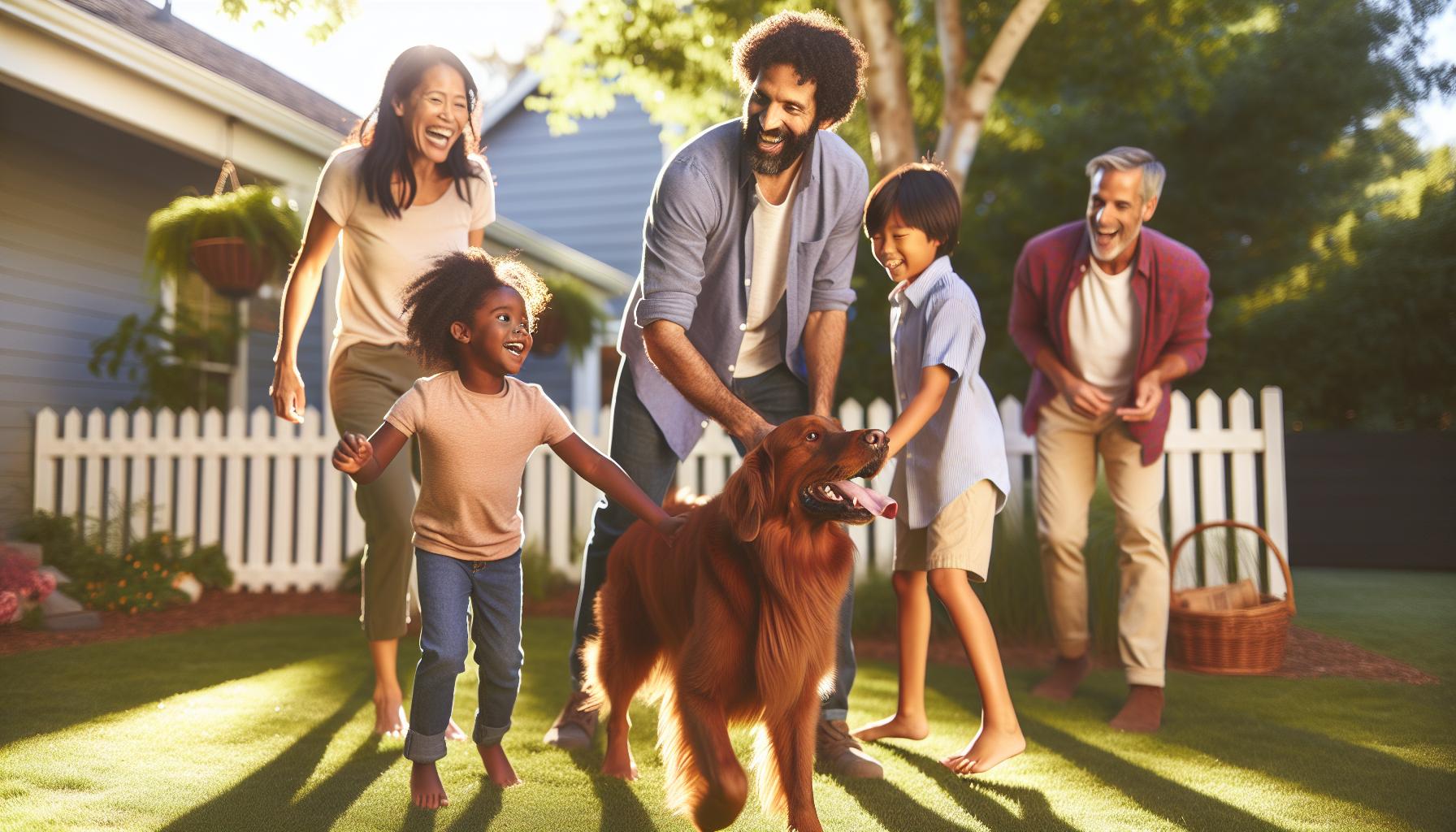
Flat Coated Retrievers are celebrated for their exuberant personality and affectionate nature, but understanding what influences their temperament is crucial for prospective and current owners alike. Various factors can play a significant role in shaping the behavior of these lively dogs, and being aware of them can help foster a harmonious relationship.
One of the most pivotal aspects influencing a Flat Coated Retriever’s temperament is socialization. Early exposure to a wide range of experiences, people, and other animals can help these dogs develop into well-adjusted companions. A lack of socialization may lead to uncertainty or overexcitement in various situations, which can be misinterpreted as aggression. For example, taking your puppy to puppy classes, dog parks, and community events can cultivate their friendly disposition and reduce fear-based reactions.
Training is another critical factor. Flat Coated Retrievers are intelligent and eager to please, which means that positive reinforcement training can resonate well with them. Consistent, reward-based training methods not only teach obedience but also strengthen the bond between dog and owner. Without guidance, however, they may resort to rambunctiousness, which could be misconstrued as aggressive behavior. It is essential to provide a structured environment where they feel secure and loved.
Genetics also plays a vital role-some individuals may naturally lean toward a more exuberant or subdued personality based on inherited traits. Responsible breeding practices focus on temperament to ensure a balanced demeanor within the breed. Prospective owners should seek out reputable breeders who prioritize the temperament and health of their puppies.
Finally, the environment in which a Flat Coated Retriever grows can significantly impact their behavior. A loving, active household that encourages play and participation fosters a confident, well-rounded dog. On the other hand, neglect or lack of activity can lead to behavioral issues stemming from pent-up energy. Regular exercise, interactive play, and mental stimulation are essential to channel their enthusiastic nature positively. By understanding and catering to these influences, owners can cultivate the joyful and loving spirit that Flat Coated Retrievers are known for.
Socialization Needs for Flat Coated Retrievers
Understanding the crucial role of socialization for Flat Coated Retrievers is fundamental to cultivating a well-adjusted and friendly companion. These dogs are naturally exuberant and full of joy, but without proper socialization from an early age, this spirited nature can become overwhelming or be misinterpreted as aggression. Ensuring your Flat Coated Retriever interacts positively with diverse people, environments, and other animals is key to shaping a calm and confident adult dog.
To maximize the benefits of socialization, aim to expose your puppy to a variety of experiences. Enrolling in puppy classes is a fantastic way to start; these settings not only provide training but also help your dog learn how to interact with other dogs and people in a controlled environment. Regular visits to dog parks, community events, and new locations can further enhance their adaptability. Remember that each encounter is an opportunity for positive reinforcement, helping to solidify good behaviors and reduce anxiety about unfamiliar situations.
Another effective strategy is to encourage playdates with other dogs. These interactions can teach your Flat Coated Retriever essential social cues and behaviors. Additionally, consider gradual exposure to different sounds and sights in your neighborhood, such as traffic, bicycles, and loud noises. This will help them become accustomed to daily life and decrease their likelihood of reacting fearfully or aggressively as adults.
Lastly, ensure that these socialization activities are enjoyable and stress-free for your puppy. Monitor their comfort levels and encourage exploration at their own pace. If you notice signs of discomfort or stress, take a step back and provide reassurance. This nurturing approach will not only build trust but also empower your Flat Coated Retriever to grow into a friendly, well-mannered companion who is a joy to be around.
Recognizing Signs of Aggression in Dogs
Recognizing the signs of aggression in dogs is critical for any pet owner, especially for those who share their lives with a spirited breed like the Flat Coated Retriever. While these joyful companions are typically known for their friendly disposition, understanding the subtle cues that indicate discomfort or potential aggression can help prevent misunderstandings and ensure a harmonious home. It’s important to remember that aggression is often a result of fear, stress, or overwhelming stimuli rather than a fundamental aspect of a dog’s temperament.
Key signs of aggression can include body language that speaks volumes. Watch for a stiff posture, raised hackles, and a direct stare; these can indicate that your dog feels threatened or anxious. Additionally, if your Flat Coated Retriever is growling or showing teeth, it’s not simply a sign of playfulness-these are clear warning signals that your dog may need space. It’s also important to observe their vocalizations. While barking can be a natural form of communication, a sudden change in tone-especially a low, deep growl-can indicate that your dog is feeling challenging.
In social settings, monitor your Flat Coated Retriever’s interactions with other dogs and people. If they begin to move away from the interaction, tuck their tail, or avoid eye contact, these can be signs of discomfort that may lead to aggression if not managed properly. Proactive oversight during playdates or in dog parks can help you identify potential triggers for your dog and address them before situations escalate.
As a responsible owner, the best approach to minimize aggression is through a combination of understanding, socialization, and training. Engaging your Flat Coated Retriever in positive experiences with various environments, people, and other animals reinforces their confidence and reduces anxiety. Remember, every interaction is an opportunity to foster positive behavior. If aggression does occur or if you feel overwhelmed by your dog’s behavior, seeking guidance from a professional trainer or behaviorist can provide you with strategies tailored specifically for the unique needs of your Flat Coated Retriever, helping maintain the joyous bond you share.
Training Techniques to Promote Calm Behavior
Building a calm demeanor in your Flat Coated Retriever is not just beneficial for your household; it also nurtures the breed’s natural traits of friendliness and joyfulness. A well-mannered Flat Coated Retriever can navigate various social situations with confidence and ease, reducing the chances of incidents due to anxiety or overstimulation. Incorporating effective training techniques fosters a sense of security and embeds positive behavior patterns.
One fundamental method is the “Celebrate Calm!” technique, where you reinforce your dog’s tranquil behavior. Whenever your Flat Coated Retriever remains calm in a stimulating environment-such as during a visit to a dog park-recognize their behavior with praise or treats. This positive reinforcement helps them associate calmness with rewarding experiences. Additionally, it can create a pattern that encourages your dog to return to a state of calm when faced with new sights or sounds.
Another effective strategy is to practice controlled exposure to different environments. This means gradually introducing your dog to an array of situations that might typically excite or stress them, such as meeting new people, encountering other dogs, or navigating busy streets. Start in a low-stress setting and reward them for staying calm. As they gain confidence, slowly raise the level of distraction while maintaining control. This progressive approach is particularly beneficial for Flat Coated Retrievers, who thrive on socialization and love to engage with the world around them.
Essential Techniques for Promoting Calmness
- Focus Commands: Teach your Retriever cues like “sit” or “down.” Practicing these commands regularly can redirect their energy and attention during potentially triggering situations.
- Impulse Control Exercises: Use games that require your dog to wait for a signal before receiving a reward, such as “wait” for food or toys. This builds patience and teaches self-control.
- Calming Techniques: Incorporate relaxation exercises, where you encourage your dog to lie down in a comfortable spot while you gently stroke them. Playing soothing music or using pheromone diffusers can also create a tranquil atmosphere.
- Consistent Routine: A predictable routine for feeding, exercise, and play creates stability, helping to lower anxiety levels. Flat Coated Retrievers often find comfort in knowing what to expect.
These strategies are not just about managing behavior; they also strengthen the bond between you and your Flat Coated Retriever. As you work together to promote calm behavior, you create a lasting partnership based on trust, understanding, and the shared joy of learning. Remember, every dog is unique, and patience is key. Over time, these techniques will cultivate a calm, confident, and socially adept Flat Coated Retriever that enriches your life.
The Role of Genetics in Dog Temperament
Genetics play a significant role in determining the temperament of Flat Coated Retrievers, shaping their behavior and personality traits from the moment they enter the world. As a breed known for its affable, friendly demeanor and boundless enthusiasm, understanding the genetic underpinnings can help owners better appreciate their dog’s character. While environmental factors, such as socialization and training, are crucial in nurturing a well-adjusted pet, genetics sets the foundation upon which these interactions build.
Research into canine genetics suggests that certain temperament traits can be hereditary, influencing not only general disposition but also predispositions toward behaviors such as aggression or anxiety. Breeders who prioritize temperament when selecting breeding pairs can significantly impact the behavioral outcomes in their puppies. For instance, if both parents exhibit stable and sociable characteristics, it is likely that their offspring will also display similar traits. This connection underscores the importance of choosing a responsible breeder who evaluates both the physical and psychological health of their breeding dogs.
It is essential to recognize, however, that genetics is just one piece of the puzzle. Even a genetically sound puppy may inherit tendencies toward shyness or fear, which can be mitigated through positive reinforcement training, early socialization, and consistent exposure to various environments. For prospective Flat Coated Retriever owners, it’s beneficial to engage with reputable breeders who share insights about the lineage of their dogs. This can help in selecting a companion who aligns with the family’s lifestyle and expectations, whether that means an exuberant playmate for children or a more laid-back family member.
Highlighting the interplay between genetics and environment is vital for fostering a happy, healthy companion. Owners should be encouraged to embrace their dog’s unique traits while providing the guidance and support necessary to navigate the complexities of temperament. By focusing on a combination of genetics and proper upbringing, you can unlock the best qualities of your Flat Coated Retriever, creating a loving and well-adjusted family member that thrives in any setting.
Comparing Temperament: Flat Coated vs. Other Breeds
Flat Coated Retrievers are often characterized by their exuberant energy, friendliness, and sociable nature, making them highly cherished family companions. When comparing their temperament with that of other breeds, it’s essential to recognize both the similarities and differences that influence their behavior. For instance, while Flat Coated Retrievers share a friendly disposition akin to Golden Retrievers, their exuberance can lead to misunderstandings regarding aggression.
One of the most notable distinctions is the Flat Coated Retriever’s boundless enthusiasm. This breed is known for its playful spirit and love of activity, which can sometimes be misinterpreted as aggressive behavior, especially by those unfamiliar with the breed. In contrast, breeds like the Labrador Retriever might have a more tempered demeanor. Both recognize the importance of human interaction, but Flat Coated Retrievers tend to express their excitement more overtly. This can manifest in jumping, barking, or playful nipping, which should be understood as playful rather than aggressive.
To effectively manage and celebrate the unique personality traits of Flat Coated Retrievers, owners can implement structured socialization programs alongside obedience training. These practices not only promote calm behavior but also build emotional resilience, ensuring that your dog interacts appropriately with both people and other animals. Moreover, employing consistent positive reinforcement techniques can channel their high energy into productive activities that reduce the risk of unwanted behaviors that may be misconstrued as aggression.
Ultimately, while Flat Coated Retrievers may have a temperament that is lively and exuberant, understanding and addressing their needs through training, socialization, and consistent interactions can create a harmonious household. By drawing comparisons with other breeds, such as understanding that their love for play might be perceived differently, owners can craft an environment where their Flat Coated Retrievers thrive, making the most of their endearing qualities while minimizing any misinterpretations of their spirited demeanor.
Caring for Your Flat Coated Retriever’s Emotional Wellbeing
Caring for the emotional wellbeing of a Flat Coated Retriever is as crucial as meeting their physical needs, fostering a strong bond between dog and owner while mitigating any potential behavioral issues. These dogs thrive on positive interactions and mental stimulation, which not only fulfill their affectionate nature but also help curb undesirable behaviors often misconstrued as aggression. Understanding the unique emotional landscape of this breed is essential for creating a nurturing environment where they can flourish.
A key component of supporting your Flat Coated Retriever’s emotional health is ensuring they receive ample social interaction. These dogs are inherently sociable and desire companionship, whether from humans or fellow dogs. Regular playdates, visits to dog parks, or group training sessions can help meet their socialization needs. Furthermore, daily engagement through activities like fetch, agility training, or even nose work can provide the mental challenges they crave. Such stimulation is vital to prevent boredom that can lead to anxious behaviors or mischief.
Providing a consistent routine also contributes significantly to your dog’s emotional stability. Flat Coated Retrievers thrive on predictability; knowing when to expect walks, meals, and playtime can set your dog’s mind at ease. Consider incorporating positive reinforcement techniques into training sessions, as these not only teach desired behaviors but also strengthen your bond. Rewarding your dog with treats, praise, or extra playtime for good behavior creates a supportive environment where they feel valued and secure.
Moreover, don’t underestimate the importance of downtime. Ensuring that your Flat Coated Retriever has a comfortable space to relax away from the hustle and bustle of family life is essential. This can be as simple as a cozy bed in a quiet corner of the home or a designated crate where they can retreat when feeling overwhelmed. Recognizing when your dog needs a break can prevent them from becoming overstimulated, reducing the risk of behavior that might be misunderstood as aggression.
In summary, nurturing your Flat Coated Retriever’s emotional wellbeing involves a multi-faceted approach focused on social interaction, routine, positive reinforcement, and providing a haven for relaxation. By prioritizing these aspects, owners can foster an environment where their spirited and joyful nature can truly shine, paving the way for a well-adjusted and happy family companion.
How Environment Affects Flat Coated Retriever Behavior
The environment in which a Flat Coated Retriever lives can greatly influence their behavior and overall temperament. These outgoing and exuberant dogs thrive in settings that provide plenty of mental stimulation and physical activity. A well-structured, engaging environment can help cultivate a well-adjusted pup, while a lack of stimulation can lead to restlessness and undesired behaviors, often misinterpreted as aggression.
One important factor in your dog’s environment is space. Flat Coated Retrievers are active and require room to run, play, and explore. A home with a secure, spacious yard is ideal, allowing them to engage in activities like fetching or simply enjoying the outdoors. If outdoor space is limited, regular visits to parks where they can socialize and burn off energy become essential. Incorporating varied activities into their routine helps prevent boredom, which can manifest as destructive behavior or excessive barking.
Socialization is another critical aspect influenced by environment. These dogs are naturally sociable, so being regularly exposed to different people, pets, and environments can lead to a more confident and well-rounded adult. Engage your Flat Coated Retriever in community events, dog-friendly gatherings, or training classes to enhance their social skills and reduce anxiety in unfamiliar settings. The more positive experiences they have, the better they learn how to navigate various situations without fear or aggression.
Moreover, a stable and predictable routine within the home environment aids in fostering a sense of security for your Flat Coated Retriever. Establishing a schedule for feeding, walks, playtime, and downtime can help your dog feel more grounded. Predictability reduces anxiety, which is key to maintaining harmony in their interactions with both family members and other pets. You’ll find that a balanced routine of activity and rest is essential for the emotional wellbeing of these spirited dogs.
In summary, the environment that influences a Flat Coated Retriever is multifaceted, involving spatial considerations, socialization opportunities, and a consistent routine. By creating a stimulating and secure environment, you can promote positive behavior and strengthen the bond between you and your beloved canine companion.
Engaging Activities to Channel Energy Positively
Engaging a Flat Coated Retriever in activities that channel their abundant energy positively is essential for their well-being and behavioral balance. These spirited and intelligent dogs thrive on both mental and physical challenges, making it crucial to introduce a variety of stimulating activities into their daily routine. Not only does this prevent boredom, which can lead to destructive behavior, but it also strengthens the bond between dog and owner.
One effective way to keep your Flat Coated Retriever engaged is through interactive games. Activities such as hide and seek or fetch can be both entertaining and invigorating. Using toys that stimulate their natural retrieving instincts, like balls, frisbees, or even plush toys, allows them to exercise while also honing their skills. Incorporating training sessions disguised as fun games can promote learning and reinforce obedience, giving your dog a productive outlet for their energy.
Group Activities and Sports
Flat Coated Retrievers are social by nature, so involving them in group activities can be incredibly beneficial. Participating in agility courses or obedience classes offers great socialization opportunities while channeling energy effectively. These activities are designed to challenge their minds and bodies, requiring focus and coordination, which are rewarding for this playful breed. Exploring options like dock diving, flyball, or canine freestyle can introduce them to new skills and environments, making exercise enjoyable and engaging.
Exploring Nature
Routine outdoor adventures will keep your Flat Coated Retriever mentally stimulated. Regular visits to local dog parks, nature trails, or beaches where they can run freely, play with other dogs, and explore new scents help satisfy their natural curiosity and desire for exploration. These experiences provide not just physical exercise but also valuable social interactions, which are important for building a confident and well-adjusted dog.
Overall, harnessing the energy of a Flat Coated Retriever through diverse activities fosters a healthier lifestyle, positive behavior, and a deeper connection with their human companions. Be creative in your approach, and you’ll find that engaging these energetic dogs can be as rewarding for you as it is for them. By dedicating time to enriching their lives, you can ensure a happy, balanced, and well-behaved Flat Coated Retriever.
When to Seek Professional Help for Behavior Issues
Experiencing behavioral challenges with your Flat Coated Retriever can be disheartening, especially given their reputation as friendly and adaptable companions. However, it’s important to recognize when expert intervention is necessary. If you’ve noticed patterns of behavior that seem out of character for this typically jovial breed, such as excessive barking, lunging at other dogs, or even fear-based aggression, it may be time to seek professional help. Understanding the nuances of your dog’s behavior can help ensure a positive outcome and a harmonious relationship.
There are pivotal moments when consulting a professional dog trainer or behaviorist is crucial. If your Flat Coated Retriever exhibits signs of fear or aggression that escalate or become common in everyday situations, or if their behavior is impacting your ability to socialize them properly, don’t hesitate to reach out for support. Many owners can overlook problematic behavior during the puppy stage, but early intervention is key. For instance, if your dog responds aggressively when approached by other dogs or strangers, a qualified professional can provide the guidance needed to reshape their reactions through positive reinforcement techniques.
Additionally, inconsistencies in training can lead to confusion for your dog and frustration for you as an owner. If you find that your attempts at basic commands, such as ‘sit’ or ‘stay,’ are consistently met with disobedience, or if your dog shows sudden changes in behavior-like increased anxiety during storms or loud noises-consider bringing in a specialist. They can assess the situation holistically and develop a tailored strategy that combines physical exercise, mental stimulation, and behavioral modification, which are essential for a breed known for its high energy and intelligence.
Lastly, a supportive environment is critically important, especially if you’re observing behavioral issues stemming from stress, lack of structure, or changes in the household dynamic. If your Flat Coated Retriever has experienced major life changes, such as a new pet or relocation, a professional can help address the potential disruption this may have caused. Forming a partnership with an experienced trainer not only enhances your dog’s training and behavior but can also reinforce the bond between you and your furry companion, ensuring a happier, more balanced life together.
FAQ
Q: Are Flat Coated Retrievers naturally aggressive?
A: No, Flat Coated Retrievers are not naturally aggressive. They are known for their friendly and sociable nature. Early socialization and positive reinforcement training can help ensure they remain well-adjusted and friendly.
Q: What causes aggression in Flat Coated Retrievers?
A: Aggression in Flat Coated Retrievers can be influenced by various factors, including lack of socialization, fear, or negative past experiences. Owners should focus on consistent training and proper social exposure to mitigate aggressive tendencies.
Q: How can I improve my Flat Coated Retriever’s temperament?
A: To enhance your Flat Coated Retriever’s temperament, engage in regular socialization, exercise, and training activities. Consistent, positive reinforcement strategies will foster calm behavior and strengthen your bond.
Q: What are early signs of aggression in Flat Coated Retrievers?
A: Early signs of aggression can include growling, raised hackles, or a stiff posture. Recognizing these signs early allows for timely intervention through training and behavior modification approaches.
Q: Do Flat Coated Retrievers require special training for aggression?
A: While Flat Coated Retrievers are typically friendly, special training focused on socialization and positive reinforcement can be beneficial. Implementing structured activities will help prevent potential aggression and promote desirable behaviors.
Q: How does environment affect the behavior of Flat Coated Retrievers?
A: The environment plays a crucial role in a Flat Coated Retriever’s behavior. A stable, loving home with ample social interaction and mental stimulation can lead to a balanced and happy temperament.
Q: Are Flat Coated Retrievers good with children and other pets?
A: Yes, Flat Coated Retrievers are generally good with children and other pets. Their playful and gentle nature makes them suitable companions, especially when properly socialized from a young age.
Q: What are some effective calming techniques for Flat Coated Retrievers?
A: Effective calming techniques include consistent exercise, mental stimulation, and structured routines. Engaging them in activities like training sessions and interactive games can help channel their energy positively.
The Way Forward
As we’ve uncovered, Flat Coated Retrievers are far from aggressive; they embody a joyful spirit and friendly disposition that make them wonderful companions. If you’re considering bringing one into your family, now is the time to learn more about their unique temperament and ensure a harmonious integration into your home. Don’t miss out on exploring our comprehensive guides on Golden Retriever care, training tips, and breed variations to equip yourself for the journey ahead.
Join our community by signing up for our newsletter to receive expert advice and updates directly to your inbox. Have questions or experiences to share? We invite you to leave a comment below and connect with fellow dog lovers who share your passion. Remember, the right knowledge fosters the special bond between you and your furry friend-let’s ensure your new companion is happy and well-adjusted!