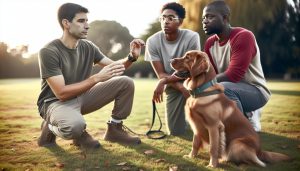
Golden Retrievers are not only beloved family pets but also possess remarkable athletic abilities that make them excellent candidates for agility training. These intelligent and eager-to-please dogs thrive on physical activity and mental challenges, making agility an enjoyable pursuit for both dog and owner. If you’re considering introducing your Golden Retriever to the exciting world of agility, understanding their unique traits and capabilities is essential. Whether you’re a seasoned competitor or a casual enthusiast, discovering how these versatile dogs can excel in agility will deepen your appreciation for the breed and strengthen your bond with your furry friend. Let’s explore the athleticism of Golden Retrievers and uncover what it takes to make them successful in this exhilarating sport.
Are Golden Retrievers Naturally Athletic Dogs?
Golden Retrievers are often celebrated for their friendly demeanor and intelligence, but they also possess a natural athleticism that makes them excellent candidates for agility training and competition. This breed is characterized by a sturdy build, strong muscles, and remarkable endurance, which allows them to excel in various physical activities. Their energetic nature, combined with a desire to please, equips them not only to navigate agility courses with agility but also to perform well in obedience and other dog sports.
Their natural agility traits are further enhanced by their quick reflexes and keen learning abilities. Golden Retrievers typically have a strong drive to engage in interactive play and exercise, making them enthusiastic participants in any activity involving running, jumping, or fetching. Early exposure to different environments and physical challenges can help amplify these qualities, resulting in a dog that is not just physically capable but also mentally stimulated and well-rounded.
To fully harness these innate abilities, it’s essential for owners to provide appropriate training and socialization. Positive reinforcement techniques work wonders with this breed, allowing them to thrive when challenged. In essence, Golden Retrievers are not only inherently athletic but can achieve remarkable feats in agility training with the right guidance and care. Engaging in regular physical activities helps maintain their health and happiness, strengthening the bond between the dog and its owner while promoting a fulfilling lifestyle.
Understanding the Agility Traits of Golden Retrievers
Golden Retrievers are not just companions; they are remarkable athletes bursting with energy and enthusiasm. This breed’s natural capabilities make them exemplary candidates for agility training. With a solid build, strong musculature, and remarkable endurance, Golden Retrievers possess the physical attributes that enable them to excel in various dog sports, particularly agility. Their innate curiosity and eagerness to please their owners further enhance their suitability for navigating agility courses, often making them quick learners in this dynamic environment.
In agility, the essence of success lies in a dog’s speed, coordination, and ability to follow commands swiftly. Golden Retrievers inherently possess these agility traits, thanks to their excellent reflexes and playful disposition. Often described as “people-pleasers,” they thrive on positive reinforcement, making the learning process enjoyable for both the dog and the owner. Incorporating agility training into their routines not only provides physical challenges but also important mental stimulation, which is vital for their overall well-being. By engaging them with various agility exercises, owners can cultivate a dog that not only embraces physical challenges but also builds a strong relationship with their handler.
To truly maximize the agility potential of a Golden Retriever, early socialization and varied physical activities are essential. Engaging these dogs in different environments helps them adapt to various stimuli, improving their responsiveness and confidence in agility competitions. Whether it’s through participating in puppy agility classes or setting up simple courses at home, every little exposure enhances their agility skills, preparing them for more advanced challenges down the line. The combination of natural talent, training, and socialization ensures that Golden Retrievers can achieve impressive feats in the agility realm, creating a fulfilling and joyful experience for both the dog and the owner.
Key Factors Enhancing Agility Performance in Golden Retrievers
Golden Retrievers are naturally gifted athletes, and several key factors significantly enhance their agility performance. Physical fitness is foundational; these dogs are inherently strong and well-proportioned, with a robust musculoskeletal system that supports quick movements and jumps. Engaging in regular, varied exercise is crucial to maintaining their physical health and agility capabilities. Activities like swimming, fetch, and daily walks not only improve endurance but also keep their weight in check, which is vital for optimal performance during agility courses.
Moreover, mental stimulation plays a vital role in a Golden Retriever’s agility training. These intelligent dogs thrive on learning and problem-solving, so incorporating obedience commands and tricks into their regular practice can enhance their focus and responsiveness. Using puzzles or interactive toys can also mentally engage them, which directly translates into improved performance during agility training. The more they feel challenged mentally, the more they are likely to excel in physical tasks.
Equally important is the handler-dog relationship. Golden Retrievers are known for their desire to please, making them highly receptive to positive reinforcement techniques. Building a strong bond through consistent training, praise, and play not only enhances their confidence but also improves their ability to follow cues during agility tasks. Effective communication between handler and dog, characterized by patience and encouragement, can drastically elevate a Golden’s agility skills.
Finally, proper socialization is an often-overlooked factor that can make or break a dog’s agility performance. Introducing them to various environments, challenges, and distractions prepares them for the unpredictable nature of agility competitions. By exposing Golden Retrievers to different surfaces, routes, and obstacles early on, owners can help them build the adaptability needed to thrive in diverse situations. Thus, enhancing agility performance in Golden Retrievers involves a holistic approach, focusing on physical fitness, mental engagement, relationship-building, and comprehensive socialization.
Training Techniques for Agility: A Step-by-Step Guide
Golden Retrievers are not just friendly companions; they are natural athletes with an abundance of energy and intelligence that can be channeled into agility training. If you are looking to elevate your Golden’s agility skills, consider this structured approach that will help you bring out the best in your pup.
Start by establishing a solid foundation of basic commands. Work on teaching commands like “sit,” “stay,” “come,” and “heel.” These commands are crucial for ensuring your dog understands your cues on the agility course. Use positive reinforcement techniques, such as treats and praise, to encourage your Golden to respond eagerly. Consistent practice in different environments will strengthen their reliability in responding to commands under various distractions.
Once basic commands are mastered, slowly introduce agility obstacles. Begin with simple jumps or tunnels. Lead your Golden through the obstacles using a leash, guiding them gently while encouraging them verbally. It’s essential to keep sessions short and enjoyable to maintain their enthusiasm. Gradually increase the complexity of the obstacles as they gain confidence and skill. Remember, patience is key, as each dog learns at their own pace.
Incorporate games and fun into training sessions to emphasize that agility is an enjoyable activity. For instance, engage in a game of fetch using agility equipment; throw their favorite toy across a jump or through a tunnel. This reinforces the equipment as exciting rather than intimidating, making them more willing to tackle challenging courses. Also, consider bringing your Golden to agility classes or workshops where they can learn alongside other dogs and benefit from the guidance of experienced trainers.
Finally, always remember to focus on health and well-being. A well-conditioned Golden Retriever will perform better in agility training. Ensure they are getting plenty of exercise outside training sessions, maintain a balanced diet that supports their activity level, and regularly consult with your vet for any health concerns. Regular stretching before and after agility training can also help prevent injuries. By fostering a positive training environment that balances physical and mental engagement, your Golden Retriever will shine in the world of agility.
Top Health Considerations for Agility-Focused Golden Retrievers
Golden Retrievers thrive in agility training, not only because of their natural athleticism but also due to their eager-to-please attitude and intelligence. However, maintaining their health is essential to maximizing their performance in competitive settings. A proactive approach toward their well-being ensures that they remain energetic and ready to tackle obstacles.
Regular veterinary check-ups are crucial. Golden Retrievers can be prone to various genetic conditions such as hip dysplasia and certain heart diseases. Early detection through routine health screenings can prevent potential issues that may hinder their agility performance. Additionally, staying up to date with vaccinations and preventive care will keep your dog in optimal health.
Nutrition plays a pivotal role in supporting the athletic demands of an agile Golden. Providing a high-quality diet rich in proteins and controlled fats helps maintain lean muscle mass and energy levels. Always consult with your veterinarian to determine the most suitable diet for your dog’s activity level. It’s also important to keep them well-hydrated, especially during intensive training sessions. Keep fresh water readily available and consider electrolyte-enhanced options for longer training periods.
Incorporate routine fitness and conditioning exercises into your dog’s daily activities. Alongside agility training, engaging in activities like swimming, fetching, or long walks can enhance overall cardiovascular fitness, ensuring your Golden has the stamina needed for agility courses. Additionally, consider incorporating strength training routines designed for dogs, which can include hill walking or controlled weight-carrying exercises. Lastly, caregivers should remain vigilant for signs of fatigue or discomfort in their dogs to address potential injuries swiftly.
Adopting these health-focused strategies will lay the foundation for an agile and vibrant Golden Retriever, equipping them for success on the agility course while also enriching their overall quality of life.
Choosing the Right Equipment for Golden Retriever Agility
Investing in the right equipment is a crucial step for ensuring that Golden Retrievers can excel in agility training. This breed embodies a blend of agility, strength, and intelligence, making them natural competitors in the agility world. The right tools not only support your dog’s physical performance but also contribute to their overall enjoyment and success on the agility course.
When selecting agility equipment for Golden Retrievers, consider their size and strength. Look for jumps that are adjustable to accommodate their varying skill levels as they progress. Equipment like tunnel toys, weave poles, and seesaws should be made from durable materials to withstand enthusiastic use. Always ensure that the dimensions of the equipment are suitable for your dog’s height and running speed; for instance, the jump heights can typically range from 8 to 24 inches, depending on your dog’s height and experience level.
Essential Agility Equipment
- Jumps: Adjustable jumps that can be modified as your dog becomes more skilled.
- Tunnels: Flexible, lightweight tunnels encourage fast runs and can enhance confidence.
- Weave Poles: Essential for helping your Golden develop precision and dexterity.
- Contact Equipment: Such as A-Frames and dogwalks, which foster balance and coordination.
- Safety Gear: Harnesses and ankle supports to prevent injuries during training.
In addition to the agility equipment itself, don’t overlook the importance of a sturdy, non-slip surface on which your dog can train. Consider investing in mats or dedicated agility areas that cushion falls and provide traction to prevent slips and slides. Training in a safe and comfortable environment allows your Golden Retriever to focus on learning and enjoying the process, without the distraction of discomfort.
Monitor your dog’s reactions to various equipment. While Golden Retrievers are typically eager and curious, they may prefer certain obstacles over others. A successful agility experience hinges on both the functionality of the equipment and your dog’s enjoyment of navigating it. Remember, agility training should be a bonding experience that reinforces your connection with your Golden. Regularly practicing with well-suited equipment will not only improve their skills but also provide them with a structured outlet for their natural energy and athletic abilities.
Common Challenges in Agility Training for Golden Retrievers
Golden Retrievers are often celebrated for their athleticism and eagerness to please, making them popular candidates for agility training. However, while these dogs have a natural inclination towards agility, they can still face specific challenges that may impede their progress on the agility course. Understanding these obstacles is essential for both seasoned trainers and novice owners aiming to help their furry companions excel.
One common challenge is the distraction factor. Golden Retrievers, known for their friendly and sociable nature, can be easily sidetracked by environmental stimuli such as sounds, other animals, or even their favorite humans nearby. This tendency can lead to a lack of focus during training sessions, which may manifest as hesitance to take on obstacles or not following commands consistently. To combat this, it’s crucial to build a solid recall command and practice in a controlled environment before introducing more distracting settings. Gradually increasing exposure to distractions will help strengthen your dog’s ability to concentrate on the task at hand.
Another consideration is physical stamina. While Golden Retrievers are generally energetic, they can tire easily if not conditioned properly. Starting with shorter training sessions and progressively increasing the duration will develop their stamina and prevent fatigue-related mistakes. Additionally, incorporating plenty of warm-ups can assist in preparing your dog both mentally and physically, reducing the risk of injuries.
In terms of confidence, some Golden Retrievers may exhibit apprehension when faced with new obstacles or unfamiliar training environments. If a dog feels unsure, they may hesitate, which negatively impacts performance. To build confidence, focus on positive reinforcement techniques such as treats, praise, and playtime for completing tasks successfully, no matter how small. Introducing new obstacles gradually and allowing plenty of time for exploration also fosters a sense of security.
Lastly, communication plays a vital role in overcoming training challenges. Golden Retrievers thrive on clear signals and consistent commands. If a handler’s cues are inconsistent, it can lead to confusion for the dog. Training sessions should maintain a positive tone and clear commands, ensuring that your Golden fully understands what is expected.
Overcoming these challenges not only helps improve your dog’s agility skills but also strengthens the bond you share. The journey of agility training is not just about mastering the course; it’s about mutual growth and understanding. So embrace the challenges as part of the adventure, and enjoy the rewarding experience of seeing your Golden Retriever flourish in agility!
Success Stories: Golden Retrievers in Competitive Agility
Golden Retrievers have made a significant mark in the world of competitive agility, showcasing their impressive speed, intelligence, and devotion to their handlers. One standout example is a Golden named Fiona, who has amassed numerous titles in local agility competitions. Her owner emphasizes Fiona’s enthusiastic approach to agility, stating that her willingness to learn and perform has been a joy to witness. With each competition, Fiona not only excels in speed but also demonstrates a remarkable ability to navigate complex course layouts, reinforcing the belief that Golden Retrievers thrive in agility settings due to their innate athleticism and eagerness to please.
Many Golden Retrievers have found success in national championships, with the breed often taking home top honors alongside more commonly celebrated agility breeds. For example, a renowned Golden Retriever, Ace, captured the hearts of spectators and judges alike with his flawless runs. His training regimen includes a focus on both mental and physical preparation, which underscores the importance of a well-rounded approach to agility. Ace’s handlers highlight how consistent practice and positive reinforcement contribute to his remarkable performance, showcasing how the right techniques can turn a talented dog into a competitive star.
It’s also essential to note that success in competitive agility goes beyond simply winning ribbons or titles. The experiences shared between handlers and their Golden Retrievers create lasting bonds. Many handlers report how their training journeys have not only enhanced their dogs’ skills but have also deepened their understanding of each other. The joy of participating together in agility trials fosters teamwork and communication, laying a foundation for both competitive success and personal growth.
In conclusion, the stories of Golden Retrievers achieving excellence in competitive agility serve as both inspiration and motivation. These successful partnerships highlight that with dedication, training, and a strong relationship, Golden Retrievers can truly shine in this exciting sport. Whether it’s winning a title or simply enjoying the agility course together, the journey is filled with treasured moments that celebrate the unique qualities of the breed.
Socialization and Its Impact on Agility Skills
Socialization is a cornerstone of agility training for Golden Retrievers, significantly influencing their performance on the course. These dogs are naturally predisposed to being social and friendly, which works to their advantage in competitive environments. When a Golden Retriever is well-socialized, it not only enhances their ability to focus during agility training but also builds their confidence. They become accustomed to various sights, sounds, and situations that they may encounter at agility trials, reducing anxiety and promoting a sense of security.
To improve agility skills, socializing your Golden Retriever should begin early in their life. Expose them to different people, dogs, environments, and distractions. This exposure can take the form of puppy classes, playdates with other dogs, or visits to bustling public spaces. Ensure that experiences are positive; using treats or toys helps create warm associations with novel stimuli. A well-rounded socialization plan will help your Golden Retriever remain composed under the pressures of competition, enabling them to focus on the agility tasks at hand rather than being distracted by their surroundings.
Engaging in group classes specifically focused on agility can further enhance socialization efforts. Not only do these settings provide practical training tips, but they also facilitate bonding with other dogs and their handlers. Golden Retrievers thrive in environments where they can interact and learn, so participating regularly will enhance their skills while nurturing their social instincts. Handlers will find that a dog who is comfortable around other dogs and people will perform better, as their confidence translates directly into improved agility performance.
In short, socialization is not merely an optional training aspect; it is integral to unlocking the full potential of Golden Retrievers in agility sports. By fostering a socially well-adjusted dog, handlers can create a more effective training environment-one that amplifies the bond between dog and owner while also paving the way for competitive success.
Age-Related Factors in Agility Training for Golden Retrievers
Age plays a critical role in shaping the agility training experience for Golden Retrievers, affecting their physical capabilities, learning pace, and overall engagement in activities. Puppies, with their boundless energy and curiosity, are typically eager to explore agility training, making it an excellent time to lay the groundwork. Start with basic exercises and gradual exposure to various obstacles, ensuring that the training sessions are short, fun, and positively reinforced. This age is perfect for fostering a love for agility, as young Golden Retrievers are naturally quick learners and respond well to motivating rewards.
As Golden Retrievers transition into adolescence, they may exhibit bursts of energy accompanied by a bit of rebelliousness. This period can be both exciting and challenging. Consistency in training is vital; maintaining a structured routine while introducing varied drills can captivate their attention and curb any impulsivity. Utilizing age-appropriate challenges, such as increased obstacle complexity, can help channel their exuberance into focused training sessions. It’s essential to keep the bond strong through socialization and interactive games during this phase to encourage their cooperative spirit.
In their adult years, Golden Retrievers generally exhibit peak athleticism and a strong desire to engage with training activities. This is the ideal time to enter competitions or trials, as they possess both the stamina and the mental maturity necessary to excel in agility. However, regular assessment of their physical condition is crucial to avoid injuries. Providing a balanced diet and appropriate warm-up exercises will help ensure they remain in optimal shape for performance.
As they enter their senior years, agility training needs to be adjusted to account for the natural decline in energy and stamina that comes with age. Gentle exercises that prioritize joint health, like swimming or low-impact agility drills, can help keep older Golden Retrievers engaged without overexerting them. It’s important to maintain their enjoyment of agility by focusing on fun and less intense activities that still allow them to bond with their human counterparts. Keeping agility training inclusive and adapted to their age will ensure their continued love for the sport while promoting their overall health and well-being.
Nutrition for Peak Performance in Active Golden Retrievers
Active Golden Retrievers thrive on a diet that enhances their energy levels, supports their muscle development, and promotes overall health, especially when engaging in agility training. Nutrition plays a crucial role in their performance; the right balance of macronutrients, vitamins, and minerals will maximize their stamina, agility, and recovery post-exercise. Interestingly, Golden Retrievers possess an exceptional innate ability to learn and excel in agility due to their athletic build and eager disposition. Thus, fueling their activities effectively is essential to harnessing their potential.
When selecting a diet for your agility-focused Golden Retriever, consider high-quality protein sources such as chicken, beef, or fish, which are vital for muscle repair and growth. A recommended protein content of around 20-30% is beneficial, especially during intensive training periods. In addition to proteins, complex carbohydrates, like brown rice and sweet potatoes, provide the necessary energy for sustained activity. Healthy fats, including omega-3 fatty acids found in fish oil or flaxseed, should also be included to aid joint health and enhance skin and coat condition, crucial for a breed known for its beautiful golden fur.
Sample Nutritional Guidelines
- High-quality dog food: Choose formulas specifically designed for active or sporting breeds.
- Supplementation: Consider joint supplements containing glucosamine and chondroitin, especially for older or highly active dogs.
- Fresh fruits and vegetables: Carrots, blueberries, and pumpkin can be excellent treats that offer vitamins and fiber without excessive calories.
- Hydration: Always ensure fresh water is available, as hydration is critical during strenuous activities.
Furthermore, monitor your dog’s body condition and energy levels regularly. Adjust portion sizes based on activity levels and specific needs; maintaining a healthy weight is vital for optimal agility performance and overall well-being. Keeping meals consistent while briefly introducing new foods can help prevent digestive upset. As your Golden Retriever progresses through various life stages-puppy, adult, and senior-be prepared to adjust their nutritional needs accordingly to sustain their agility training and performance.
Maintaining Motivation and Fun in Agility Training
Golden Retrievers are not just a pretty face with their stunning golden coats-they are intelligent, spirited, and incredibly eager to please, making them phenomenal companions in agility training. To keep their momentum high and spirits lifted during training sessions, it’s crucial to emphasize motivation and fun. A positive environment not only enhances their performance but also strengthens the bond you share with your dog.
Incorporating games into your training regimen can make a world of difference. Try using their favorite toys or treats to motivate them through each obstacle. For instance, set up a mini-course with challenges like jumps and tunnels, rewarding your Golden Retriever with a play session or treats after mastering each part. This playful approach encourages enthusiasm, allowing them to view training as a fun activity rather than a chore.
Another essential aspect is variation in training activities. Golden Retrievers thrive on mental stimulation as much as physical exercise. Mix in different agility tasks, obedience commands, or tricks to keep things fresh and engaging. Utilizing props like cones, hoops, and fun tunnels not only challenges their agility skills but keeps their brain active. Celebrate their progress regularly-whether it’s completing an obstacle run or learning a new command-which cultivates a sense of accomplishment and enhances their motivation.
Furthermore, ensuring that training sessions aren’t overly lengthy is vital. Golden Retrievers typically hold shorter attention spans, so aim for several brief, focused sessions throughout the day to maintain their interest. Engage in light-hearted competitions with them, like friendly races or timed runs, where you can cheer them on and celebrate every little victory. This not only makes training enjoyable for your dog but also fosters a cheerful environment where learning is synonymous with fun.
Establishing a routine that balances agility training with opportunities for relaxation and play can make all the difference. Remember, the goal is not just to train but to build an enriching experience that promotes joy and builds trust between you and your beloved Golden Retriever.
Q&A
Q: Are Golden Retrievers suitable for agility training?
A: Yes, Golden Retrievers are highly suitable for agility training. Their intelligence, eagerness to please, and natural athleticism make them quick learners in agility courses. Training can enhance their performance further, leading to success in competitions.
Q: What are the key traits that make Golden Retrievers good at agility?
A: Golden Retrievers possess excellent speed, stamina, and agility. Their friendly demeanor encourages them to work well with handlers, while their strong problem-solving abilities allow them to navigate agility challenges effectively.
Q: How can I improve my Golden Retriever’s agility skills?
A: To improve your Golden Retriever’s agility skills, incorporate regular training sessions that include obstacle courses, jumps, and tunnels. Utilize positive reinforcement techniques and keep exercises fun to maintain their motivation. Gradually increase difficulty as they progress.
Q: At what age can I start agility training with my Golden Retriever?
A: You can start agility training with your Golden Retriever as early as 6 months old, focusing on basic obedience and socialization. Ensure they have reached physical maturity before attempting more complex agility tasks, usually around 12-18 months.
Q: What common challenges might I face when training a Golden Retriever for agility?
A: Common challenges include maintaining focus, managing energy levels, and overcoming distractions. To address these, set a structured training schedule, use high-value rewards, and gradually introduce new stimuli to keep your Golden Retriever engaged.
Q: How important is socialization for Golden Retrievers in agility training?
A: Socialization is crucial for Golden Retrievers in agility training. Exposing them to different environments, people, and other dogs helps reduce anxiety and improves their adaptability during agility competitions.
Q: What specific nutritional needs should I consider for agility-focused Golden Retrievers?
A: Agility-focused Golden Retrievers require a balanced diet rich in protein and healthy fats to support their energy needs. Consider providing high-quality dog food, and consult with a veterinarian for tailored nutrition insights based on their activity level.
Q: Can older Golden Retrievers participate in agility training?
A: Yes, older Golden Retrievers can participate in agility training, but modifications may be necessary to accommodate their physical condition. Focus on low-impact exercises and shorter training sessions. Always monitor their health and consult a vet if needed.
Concluding Remarks
As we’ve explored, Golden Retrievers are not only friendly companions but also excel in agility with their remarkable athletic abilities and natural eagerness to learn. To enhance your experience in training your Golden, check out our in-depth guides on nutrition and grooming to ensure your furry friend is fit and healthy. Don’t miss our article on the differences between English Cream and field-type Goldens for a deeper understanding of breed variations.
Ready to elevate your dog’s agility training? Join our community by signing up for our newsletter, where you can access exclusive tips and resources tailored for Golden Retriever owners. If you have any questions or want to share your training experience, please leave a comment below. Remember, engaging with fellow owners can provide valuable insights and support as you embark on this rewarding journey together! Keep exploring our site for more information on training, care, and the lifelong bond you share with your Golden Retriever.