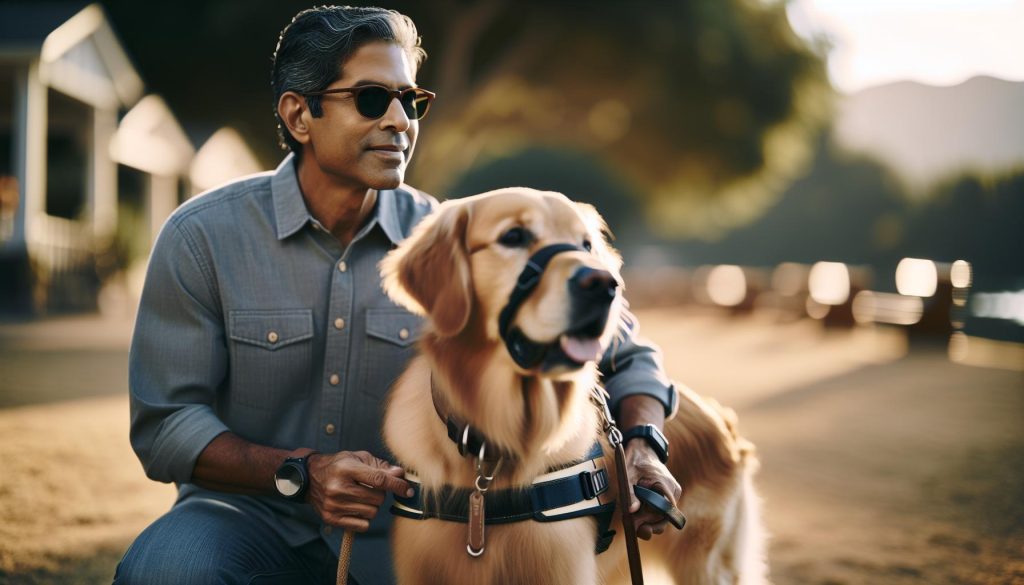
Did you know that Golden Retrievers are not just beloved family pets but also exceptional guide dogs? With their intelligence, gentle demeanor, and eagerness to please, Golden Retrievers are increasingly recognized for their ability to assist individuals with vision impairments. This article explores the vital role these remarkable dogs play in promoting independence and enhancing the quality of life for their handlers. Whether you’re considering a guide dog for yourself or are simply intrigued by their unique skills, understanding the training, characteristics, and contributions of Golden Retrievers in this context is essential. Join us as we delve into the heartwarming world of Golden Retrievers as vision assistance partners, discovering how they embody the essence of companionship while providing invaluable support.
Understanding Golden Retrievers as Guide Dogs

Golden Retrievers are widely recognized for their friendly demeanor, intelligence, and eagerness to please, making them one of the most preferred breeds for guide dog services. Their ability to build strong bonds with humans allows them to become invaluable companions and aids for those with visual impairments. These dogs possess a natural instinct to assist and a temperament that is inherently patient, which is crucial when navigating the complexities of everyday life for their owners. By fostering trust and loyalty, Golden Retrievers create a seamless partnership with their handlers, promoting confidence and independence.
A vital aspect of their suitability as guide dogs originates from their keen senses and sharp instincts. Golden Retrievers are known for their exceptional smelling and hearing abilities, which can assist in detecting changes in the environment and potential hazards, such as obstacles or changes in terrain. Their adaptability and eagerness to learn make them apt for rigorous training regimens, essential for ensuring that they can safely and effectively guide their owners through various settings. Additionally, their friendly nature helps ease social interactions, creating a more comfortable experience in public spaces, which can be challenging for individuals with visual impairments.
Effective training methods are critical for maximizing a Golden Retriever’s potential as a guide dog. Positive reinforcement techniques foster their willingness to learn and respond to commands. Through consistent, structured training sessions, these dogs can master essential skills, such as stopping at curbs or navigating around obstacles, forming a reliable bond with their handlers. The comprehensive training preparation not only enhances the dogs’ abilities but also allows the handler to learn how to communicate effectively with their guide. Such integration ensures that both the dog and its handler are well-prepared to face real-world scenarios together, thereby strengthening their bond and efficacy as a team.
The Unique Traits of Golden Retrievers for Assistance
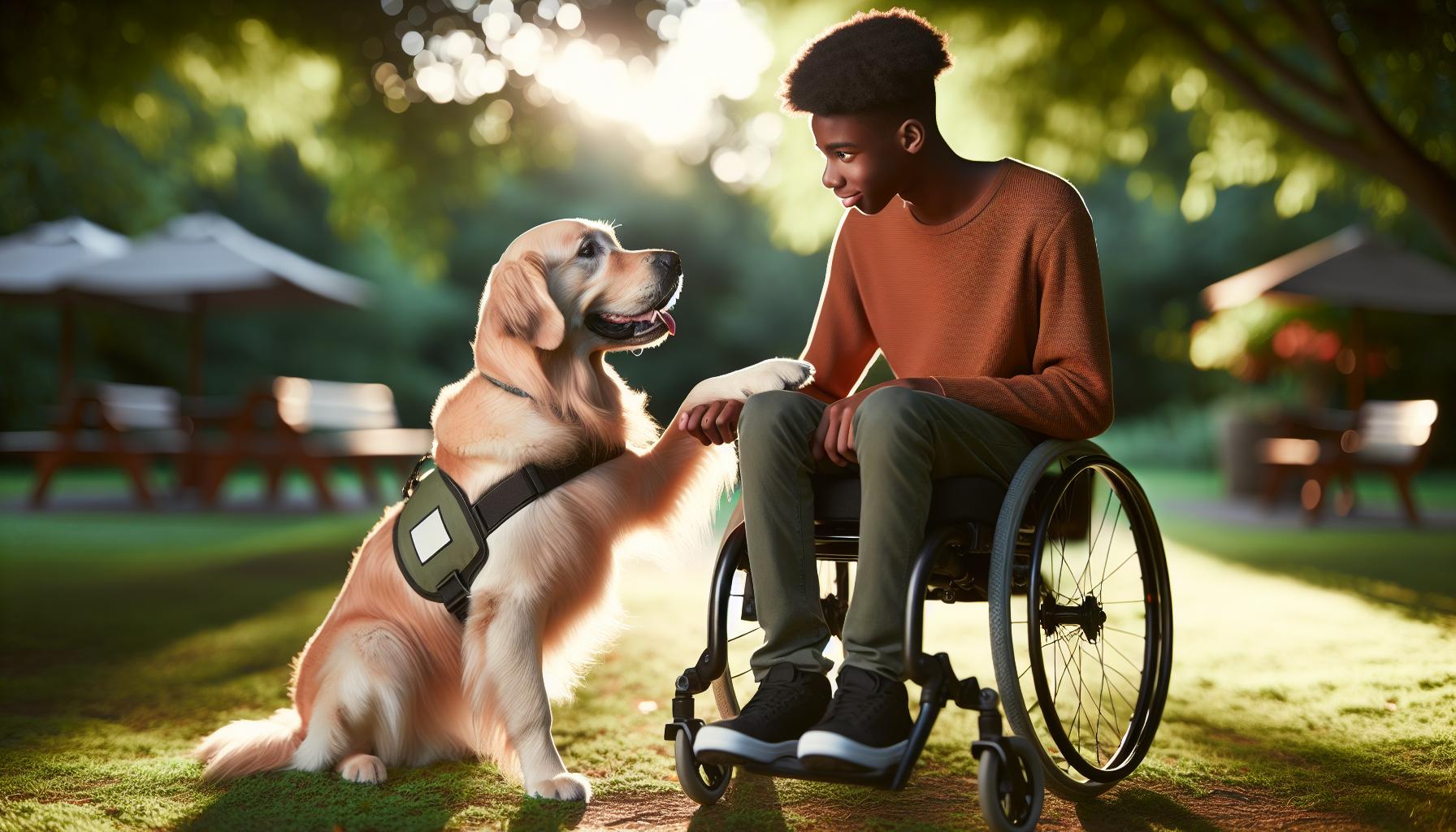
Golden Retrievers are distinguished not only by their striking golden coats but also by a combination of unique traits that make them exceptional candidates for assistance roles, particularly as guide dogs. Their inherent desire to please their human companions, coupled with their gentle nature, makes them approachable and easy to train. This blend creates an ideal foundation for building a strong working relationship between the dog and its handler, essential for navigating the complexities of everyday life.
One standout characteristic of Golden Retrievers is their intelligence. Renowned for their quick learning ability, these dogs can absorb commands and cues more efficiently than many other breeds. This intelligence allows them to adapt quickly in dynamic environments, assessing potential hazards and reacting appropriately. For example, when encountering stairs or curbs, a well-trained Golden Retriever will instinctively gauge the situation, providing tactile feedback to its handler about the changes in terrain. This thoughtful responsiveness enhances both safety and confidence for users, allowing them to engage more fully in their surroundings.
Their heightened senses further enrich their effectiveness as guide dogs. Golden Retrievers possess a remarkable sense of hearing and smell, which can alert handlers to auditory signals they may not discern due to visual impairments. For instance, a barking dog or an approaching vehicle can be detected early, allowing for timely action. Other guide dog breeds may excel in specific traits, but the holistic combination of intelligence, sensory capabilities, and a friendly demeanor gives Golden Retrievers a unique edge in vision assistance.
Additionally, the temperament of Golden Retrievers is ideally suited for emotional support. Their friendly disposition means they naturally engage with people, facilitating social interactions that can sometimes be challenging for individuals with visual impairments. This demeanor not only helps to ease the emotional burden often associated with disability but also fosters a bond between the handler and the dog, making daily outings not just manageable but enjoyable. As a result, Golden Retrievers go beyond their basic functional role; they enrich the lives of their owners, providing companionship, confidence, and a profound sense of security.
Training Techniques for Effective Guide Dog Service
Golden Retrievers are known for their remarkable ability to learn and adapt, making their training for guide dog service both effective and efficient. Essential training techniques blend obedience with practical skills, paving the way for these dogs to assist their visually impaired handlers. One of the core training philosophies revolves around positive reinforcement, where desirable behaviors are rewarded with treats, praise, or play. This method not only strengthens the bond between the dog and its handler but also fosters a sense of accomplishment and happiness in the dog, which is crucial for maintaining motivation throughout the rigorous training process.
Key Elements of Training
Successful training for guide dog service is multi-faceted, comprising elements that prioritize both the dog’s well-being and its functional capabilities. Key components include:
- Basic Obedience: Instilling foundational commands such as “sit,” “stay,” and “come” ensures the dog can respond reliably in various situations.
- Socialization: Exposure to diverse environments, people, and other animals helps Golden Retrievers learn to remain calm and focused, even amidst distractions.
- Guiding Techniques: Specific techniques are taught to help the guide dog navigate for its handler, including stopping at curbs and finding open doors.
- Obstacle Navigation: Dogs learn to recognize and alert their handlers about potential obstacles, utilizing their keen senses to assess environments.
Training often occurs in progressive stages, starting in controlled environments where dogs can practice obedience without significant distractions. Subsequent stages introduce varying contexts and real-world scenarios where neuroplasticity and adaptability shine.
Advanced Skills and Continued Education
As guide dogs mature, their training evolves to include advanced skills tailored to their handler’s specific needs. For instance, some Golden Retrievers may be trained to assist with tasks like locating a seat on public transportation or recognizing specific locations such as the handler’s home or workplace. Continuous education through refreshers and varied tasks keeps their skills sharp and responsive.
Additionally, fostering teamwork between the dog and handler is vital in training. Communication, trust, and mutual understanding deepen through shared experiences, ultimately enhancing the dog’s performance in its role as a guide.
Challenges and Adaptability
It’s important to recognize that training can present challenges; however, Golden Retrievers’ natural eagerness to please makes them resilient. Handlers are encouraged to engage in training sessions regularly, adapting techniques as needed to suit the dog’s unique temperament and learning pace. Positive reinforcement remains the cornerstone, helping to maintain enthusiasm for learning even in the face of difficulties.
In conclusion, the journey of training Golden Retrievers as guide dogs is as rewarding as it is demanding. By utilizing effective techniques, focusing on the bond between handler and dog, and allowing room for adaptation, these magnificent animals can thrive in their roles, providing essential assistance and companionship.
Comparing Golden Retrievers to Other Guide Dog Breeds
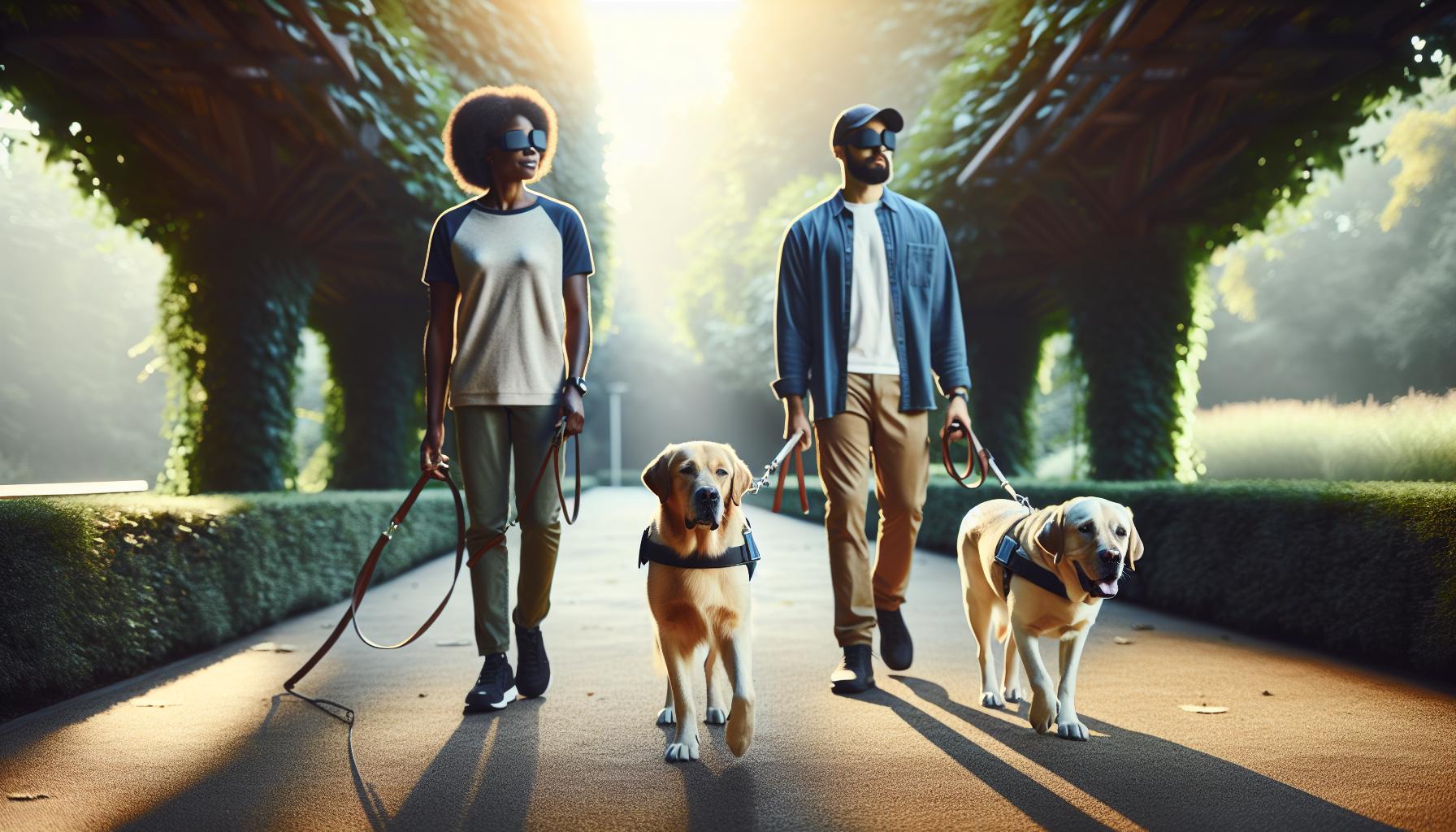
Golden Retrievers have long been praised as exceptional guide dogs, but how do they measure up against other popular breeds used in this vital role? Understanding the similarities and differences can help potential owners or handlers make informed choices. While Golden Retrievers are lauded for their intelligence, eagerness to please, and gentle temperament, breeds like Labrador Retrievers, German Shepherds, and Standard Poodles also have established themselves as proficient in guiding the visually impaired.
The key strength of Golden Retrievers lies in their friendly disposition and highly trainable nature. These dogs are not only excellent at following commands but are also known for their strong emotional connections with their handlers. This bond can make a significant difference in the overall effectiveness of the assistance they provide. On the other hand, Labrador Retrievers share many of these traits, often matching Golden Retrievers in temperament but typically being slightly more energetic, which can be a consideration for handlers needing a more subdued companion.
Comparison of Key Traits
| Breed | Temperament | Trainability | Energy Level | Size |
|---|---|---|---|---|
| Golden Retriever | Friendly, gentle | Highly trainable | Moderate | 55-75 lbs |
| Labrador Retriever | Outgoing, friendly | Highly trainable | High | 55-80 lbs |
| German Shepherd | Confident, courageous | Highly trainable | Moderate to high | 50-90 lbs |
| Standard Poodle | Intelligent, alert | Highly trainable | Moderate | 40-70 lbs |
Each breed brings unique traits to guide work, which can influence the choice for an individual handler’s needs. German Shepherds are often revered for their loyalty and protective nature, making them excellent in tight situations but potentially more assertive compared to the gentler Golden Retrievers. Standard Poodles, while less common in guide dog roles, offer exceptional intelligence and hypoallergenic qualities, ideal for those concerned about allergens.
While Golden Retrievers excel in emotional support and companionship, it is essential to consider whether the breed aligns with the handler’s energy and lifestyle. In practice, the selection of a guide dog should hinge not only on breed characteristics but also on the specific requirements and preferences of the visually impaired individual. By understanding these differences, potential owners can choose the best breed to enhance their mobility and everyday life, ensuring a fulfilling partnership with a canine companion.
The Role of Golden Retrievers in Vision Assistance
Golden Retrievers are not just beloved family pets; they play a pivotal role in enhancing the lives of visually impaired individuals as outstanding guide dogs. Their intrinsic qualities-intelligence, adaptability, and an unwavering desire to bond with their human companions-make them exceptional aids in vision assistance. These dogs possess a natural awareness of their environment, which allows them to navigate various settings safely. A remarkable fact is that Golden Retrievers’ gentle and patient demeanor helps them remain calm in the potentially stressful situations many visually impaired individuals face daily.
In the realm of vision assistance, Golden Retrievers are trained to perform crucial tasks that significantly improve their handlers’ mobility and confidence. These tasks include identifying obstacles, stopping at curbs, and guiding their handlers to desired locations. Their proficiency in following cues and commands is accompanied by an innate ability to sense their handler’s emotions and needs, fostering a supportive environment. This level of engagement transforms a guide dog from merely a tool for navigation into a cherished companion, fostering an emotional bond that enriches both the human’s and dog’s lives.
Key Functions in Vision Assistance
The specific functions that Golden Retrievers fulfill as guide dogs can include:
- Obstacle avoidance: They are trained to detect and navigate around various obstacles, ensuring safe passage for their handlers.
- Traffic navigation: Golden Retrievers learn to stop at curbs and check for traffic, offering an added layer of safety.
- Directional guidance: They assist in guiding their handlers towards landmarks and desired destinations.
- Emotional support: Beyond physical guidance, their loving and loyal nature provides emotional stability, which is especially important for individuals facing the challenges of vision impairment.
The effectiveness of Golden Retrievers in vision assistance can often be observed in heartfelt success stories. For instance, a visually impaired individual who previously felt isolated may experience newfound independence through their Golden Retriever companion, enhancing life quality through improved mobility and confidence. The emotional and psychological support offered by these dogs cannot be overstated, as they create a profound bond that fosters trust and reliance, integral for both the dog and handler in navigating life’s challenges together.
In summary, Golden Retrievers significantly impact vision assistance, combining their unique qualities with essential training to create transformative relationships with their handlers. Their role extends beyond mere functionality to encompass emotional support, making them irreplaceable partners in enhancing the journey of those with visual impairments.
Success Stories: Golden Retrievers in Action
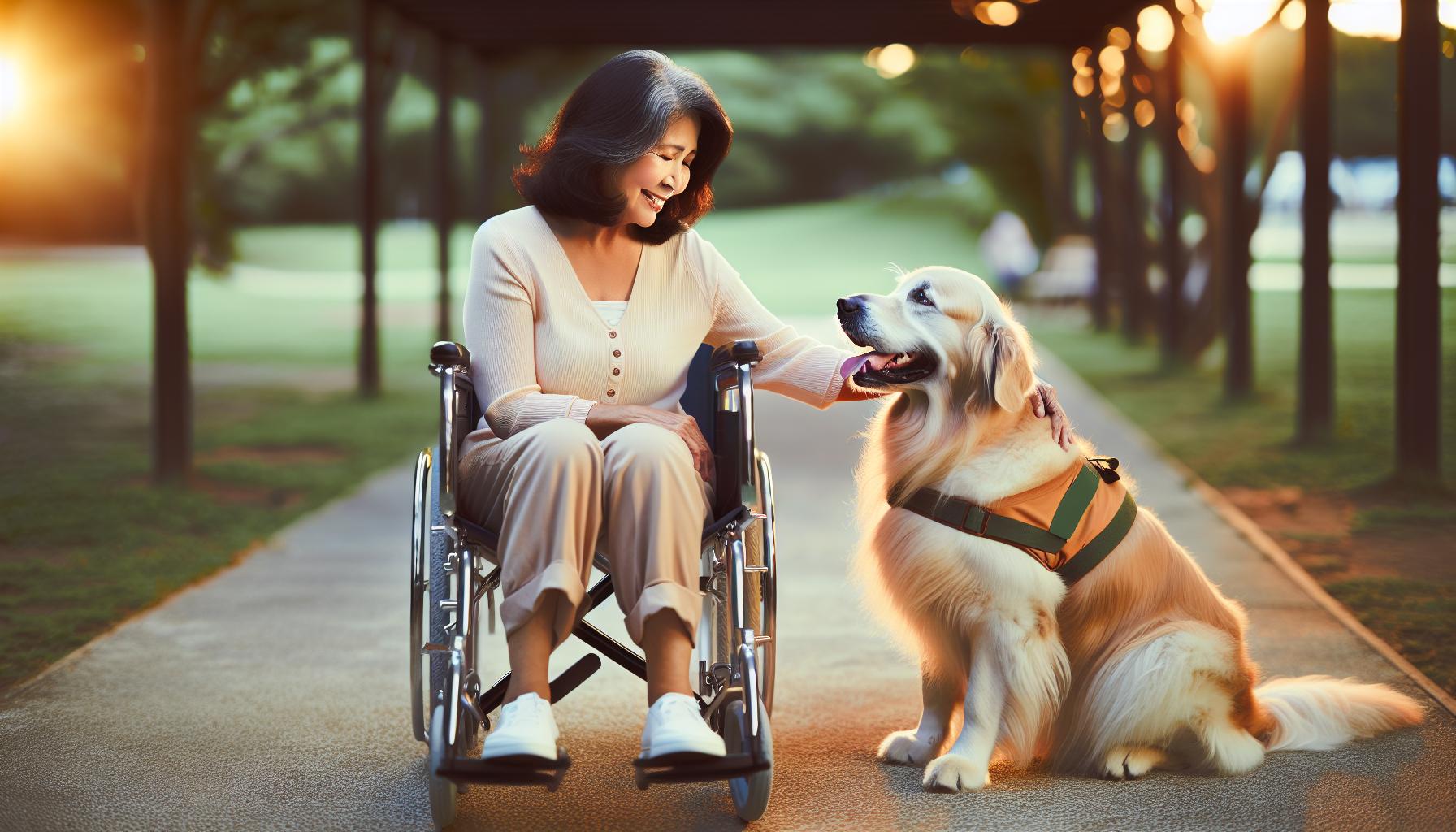
When you hear stories about Golden Retrievers as guide dogs, you quickly realize how these compassionate canines are not just companions but true life-changers. Their gentle nature and intelligence empower visually impaired individuals to navigate their world with confidence, transforming lives in extraordinary ways. For instance, consider the story of Sarah, a young woman who once felt confined within her home due to her vision impairment. After receiving a Golden Retriever named Max from a guide dog school, she experienced a remarkable shift in her independence. Max not only guided her safely along busy streets but also encouraged her to engage socially, breaking down the walls of isolation she felt. Their bond grew stronger each day, showcasing how these dogs foster emotional resilience while serving vital practical roles.
Another poignant example centers on Tom, an older gentleman who had relied on family and friends for assistance after losing his sight. Tom’s world changed dramatically with Bailey, his Golden Retriever guide dog. Bailey’s training allowed him to navigate public transport, a significant challenge for Tom. The joy on Tom’s face when he first boarded a bus independently, thanks to Bailey, was a testament to what these remarkable dogs can achieve. Beyond the physical navigation, the companionship that Bailey offered filled a void in Tom’s life, enhancing his emotional well-being and bringing back a sense of purpose and joy.
The impact that Golden Retrievers have in the lives of their handlers goes well beyond function. These dogs are adept at recognizing their owners’ emotional states, offering comfort during stressful situations or moments of doubt. The heartwarming stories of Golden Retrievers like Leo, who alert their handlers to potential dangers or obstacles while simultaneously providing a gentle nudge of encouragement, illustrate their dual role as both guides and loyal friends.
In celebrations and milestones-from graduations to holidays-Golden Retrievers like Lily become part of the family, sharing moments of happiness and achievement with their human partners. Each success story serves as a vibrant reminder of the incredible bond between humans and their Golden Retriever guide dogs, where love, trust, and shared experiences shape a better, more connected life for those living with visual impairment.
Health Considerations for Guide Dog Golden Retrievers
Golden Retrievers are not just beloved companions; they are also remarkable guide dogs whose health and well-being significantly impact their ability to perform effectively in their roles. Proper health considerations are paramount, as these loyal dogs must remain vigorous and alert to assist their visually impaired handlers. Regular veterinary check-ups, a balanced diet, and consistent exercise routines contribute to their physical fitness and overall longevity.
To maintain optimal health, it’s essential to focus on a nutrient-rich diet tailored to the energy levels and activity requirements of working guide dogs. High-quality dog food that meets the nutritional demands of Golden Retrievers is crucial, as these dogs require a balance of proteins, fats, carbohydrates, vitamins, and minerals. Omega fatty acids, in particular, support skin health and coat condition, while glucosamine and chondroitin can help maintain joint health. Owners should consult with veterinarians to develop a suitable dietary plan, factoring in the dog’s age, weight, and specific health needs.
Additionally, exercise plays a critical role in ensuring that guide dogs remain responsive and energetic. A mix of daily walks, playtime, and mental stimulation activities is essential to keep Golden Retrievers both physically and mentally fit. Regular physical activity helps prevent obesity, a common health concern in the breed, and also contributes to their overall happiness and effectiveness as guide dogs. It’s critical to establish an exercise routine that challenges them, including leash training and tasks that engage their intelligence and enhance bond-building with their handler.
Furthermore, it’s vital to monitor for breed-specific health issues, such as hip dysplasia and eye disorders, given that Golden Retrievers are predisposed to certain ailments. Early detection and intervention can be lifesaving. Owners should look out for signs of discomfort or behavioral changes and maintain open communication with their veterinarian regarding any health concerns. Regular screenings for genetic conditions, alongside appropriate vaccinations and parasite control, are key to keeping these dogs healthy and ready to assist.
By prioritizing health considerations, owners can ensure that their Golden Retriever guide dogs remain at the top of their game, not only fulfilling their role as trusted companions but also leading their handlers toward greater independence and quality of life.
Daily Care Essentials for Working Golden Retrievers
Golden Retrievers are not only cherished family pets but also exceptional working dogs, particularly in their roles as guide dogs. To maintain their health and enhance their performance in such critical jobs, daily care must be prioritized. Start with a daily routine that integrates physical activity, mental stimulation, nutrition, and emotional care-each vital for these intelligent and eager-to-please companions.
To ensure that these magnificent canines thrive, prioritize a well-balanced diet specifically designed for working dogs. A nutrient-rich blend of proteins, fats, and carbohydrates is essential for their high energy needs. Consider high-quality dog food that includes omega fatty acids for a healthy coat and essential vitamins for immune support. Always consult a veterinarian to tailor feeding schedules and portion sizes according to your dog’s age, weight, and activity level. Remember, portion control is crucial to prevent obesity-an issue that can severely hinder a guide dog’s efficiency in their role.
Daily Exercise and Mental Engagement
A working Golden Retriever requires ample exercise and mental stimulation to remain at peak performance. Aim for at least 60 to 90 minutes of physical activity each day, which can include walks, runs, or play sessions that utilize their natural retrieving instincts. Integrating training exercises that focus on obedience and socialization not only sharpens their skills but also strengthens the bond between the dog and their handler.
Additionally, activities like puzzle toys or scent games can provide invaluable mental stimulation, helping to keep their minds sharp and their spirits high. Regular outings to varied environments can expose your guide dog to different stimuli, ensuring they remain adaptable and responsive to the needs of their visually impaired partners.
Grooming and Health Monitoring
Daily grooming is another fundamental aspect of care for Golden Retrievers. Their double coat requires regular brushing to prevent matting and reduce shedding, especially during seasonal changes. Bathing should occur as needed to maintain cleanliness without stripping their natural oils. Regularly check their ears for dirt and moisture, and keep an eye on their nails; keeping them trimmed is essential for a comfortable walking experience.
Routine veterinary check-ups are essential to monitor for breed-specific health issues such as hip dysplasia and eye conditions. Early detection significantly enhances the quality of life for these working dogs. Keeping a health diary can be beneficial; tracking any behavioral changes or physical issues ensures that you can communicate effectively with your vet.
By implementing these daily care essentials-nutrition, exercise, grooming, and health monitoring-you not only set a solid foundation for your Golden Retriever’s performance as a guide dog but also enhance the invaluable bond you share with your loyal companion. Embrace these practices wholeheartedly, and you’ll witness your guide dog thrive both in work and in life at home.
The Bond Between Owners and Guide Dogs
There’s something undeniably profound about the connection between guide dogs and their owners, particularly when that guide dog is a Golden Retriever. These remarkable canines, renowned for their intelligence, loyalty, and gentle demeanor, forge bonds that extend beyond mere companionship. For many visually impaired individuals, their Golden Retriever becomes more than a working partner; they become a lifeline, a source of independence, and a steadfast friend, making the emotional and physical partnership a unique journey.
The trust that develops between a Golden Retriever and its handler is built over countless shared experiences-daily walks, training sessions, and the gradual learning of cues and commands that define their engagement. This relationship thrives on communication, both verbal and non-verbal, and the emotional synergy that forms is palpable. Owners soon learn to interpret their dog’s subtle signals, whether it’s a wagging tail indicating excitement or a slight hesitation suggesting caution. Such communication fosters a deep understanding and respect, enhancing the effectiveness of the dog in its guide role.
To nurture this bond, it’s essential for owners to remain actively involved in their guide dog’s life, providing them with the physical and mental stimulation they crave. Activities like interactive games, scent training, or even casual play not only strengthen the relationship but also promote a well-rounded and happy guide dog. Additionally, involving the dog in family activities and outings encourages socialization and exposes them to varied environments, ultimately helping them perform their duties more effectively. The more experiences they share, the more entrenched their bond becomes.
Moreover, the role of a Golden Retriever as a guide dog transcends mere functionality. These dogs offer emotional support that is often critical for their owners. The constant companionship provides a sense of security and confidence, particularly for those navigating unfamiliar spaces. Moments of stress can be alleviated by the simple presence of a loving retriever by their side. Celebrating achievements together-be it mastering a new command or successfully navigating a busy street-deepens the owner-dog bond, creating memories that are cherished for a lifetime.
In essence, the relationship between Golden Retrievers and their owners is a tapestry woven from threads of trust, mutual respect, and shared experiences. By understanding and nurturing this dynamic, owners can enhance their guide dog’s ability to serve while also enriching their own lives, forging an unbreakable bond that epitomizes the excellence of vision assistance through the remarkable capabilities of Golden Retrievers.
Common Misconceptions About Golden Retrievers as Guide Dogs
Despite their popularity and well-established role as guide dogs, Golden Retrievers often fall prey to various misconceptions that can undermine their true capabilities. One common myth is the idea that Golden Retrievers are less effective than other breeds, such as Labradors, in guide dog roles. While Labradors are indeed favored for their strong work ethic and intelligence, Golden Retrievers bring a unique combination of empathy, gentleness, and a highly trainable nature that can be just as effective, if not more so, for certain individuals. Their friendly disposition helps foster stronger emotional bonds with their handlers, which is crucial for those requiring vision assistance.
Another prevalent misconception is that Golden Retrievers are overly exuberant and difficult to control. This stereotype often arises from their playful and energetic demeanor. However, trained guide dogs are specifically taught to remain calm and focused in various situations, which makes them excellent companions for individuals navigating busy environments. With proper training, Golden Retrievers can exhibit remarkable self-discipline, allowing them to perform their roles reliably and responsively. It’s essential for prospective owners to understand that they can harness this energy positively through structured activities and consistent training methods.
Additionally, some may incorrectly assume that all Golden Retrievers are suitable candidates for service work. While they possess numerous desirable traits, not every Golden Retriever has the temperament for guide dog work. A successful guide dog requires a specific blend of temperament, trainability, and emotional sensitivity. It’s vital to work with experienced trainers who can identify the right candidates for these roles to ensure both the dog’s and handler’s success.
In essence, by debunking these misconceptions, it becomes clear that Golden Retrievers are not only capable but also exceptional guide dogs. Their unique traits, when nurtured through proper training and socialization, make them invaluable assets in the lives of those they assist. For individuals considering a guide dog, understanding the true potential of Golden Retrievers can lead to making informed decisions that support independence and emotional well-being.
Emotional Support: Beyond Physical Assistance
The profound connection between Golden Retrievers and their handlers transcends beyond their physical assistance roles; it embodies emotional support that significantly enhances the quality of life for individuals with vision impairments. Golden Retrievers are renowned for their affectionate nature, making them ideal companions who not only navigate the world with their human partners but also offer a comforting presence. This unique bond not only helps in the daily navigation of obstacles but also provides emotional stability, reducing feelings of isolation often experienced by those with visual impairments.
Golden Retrievers possess an extraordinary ability to sense their handlers’ emotional states and respond with empathy and affection. Their intuitive nature allows them to be more than just trained guide dogs; they become integral members of their families, capable of providing warmth and companionship. For many, the presence of a Golden Retriever can alleviate anxiety, provide motivation for daily activities, and foster social interactions by encouraging outings and engagements with others. The simple act of cuddling with a Golden Retriever or even just feeling their comforting weight beside a handler can make a significant difference in emotional well-being.
Moreover, the training that Golden Retrievers undergo emphasizes not just their physical capabilities but also their role in providing emotional support. Guide dog training programs often incorporate socializing the dogs in various environments to help them adapt and provide comfort in different settings. This training reinforces their ability to remain calm and supportive, allowing them to respond to their handler’s emotional needs effectively. As a result, these dogs often become a source of stability during stressful situations, assisting their handlers in managing not only the physical navigation but also emotional resilience.
In essence, the role of Golden Retrievers extends well beyond the practicalities of guiding individuals through their daily lives. Their affectionate disposition, combined with their training, enables them to serve as both navigators and emotional anchors. This dynamic relationship fosters a sense of independence and well-being, allowing individuals to engage more fully with the world around them. For families considering a guide dog, recognizing this critical aspect of emotional support can guide them in making informed decisions that enhance both independence and emotional health.
How to Choose a Golden Retriever Guide Dog
Choosing the right Golden Retriever to serve as a guide dog is a decision that can profoundly impact the life of both the handler and the dog. The remarkable combination of intelligence, trainability, and affectionate nature makes Golden Retrievers exceptional candidates for this vital role. To ensure a successful partnership, potential handlers should consider several key factors before making their selection.
Firstly, seek out reputable organizations that specialize in training guide dogs. These programs typically assess the dogs’ temperament, health, and suitability for guide work before they are placed with an individual. Look for breeds bred specifically for assistance, as these dogs are often selected for their calm demeanor and ability to handle a variety of environments. Participating in an orientation session or meeting with trainers can provide valuable insights into the process.
Next, it’s critical to consider the individual needs of the handler. Every person’s experience with vision loss varies, which means that what works for one individual might not work for another.
- Assess your lifestyle: A more active person may benefit from a Golden Retriever with higher energy levels who can accompany them on outings, while someone who prefers quieter moments may be better suited to a dog that enjoys a more relaxed pace.
Furthermore, if the handler has unique requirements, such as those related to health conditions or living environments, these should be openly discussed with trainers prior to selection.
Another essential consideration is the potential guide dog’s training history. Inquire about the dog’s socialization experiences and the variety of environments they may have been exposed to during their training. A well-rounded dog will not only be adept at navigating busy streets but will also be comfortable in a range of social situations, which is vital for adapting to the handler’s lifestyle.
Finally, remember that the bond between the dog and the handler is crucial for successful assistance. Spend time with different candidates, observing their interactions and noting which dogs exhibit the most comfort and connection with you. Trust your instincts-choosing a guide dog is as much about finding a compatible partner as it is about selecting a well-trained animal.
In summary, selecting a Golden Retriever guide dog involves careful consideration of the dog’s background, the handler’s lifestyle and needs, and the potential for a strong emotional bond. Being diligent in this process ensures a rewarding partnership that promises not only assistance with navigation but also unwavering companionship and support.
Faq
Q: Can Golden Retrievers be trained as guide dogs for the visually impaired?
A: Yes, Golden Retrievers are commonly trained as guide dogs because of their intelligence, affectionate nature, and eagerness to please. Their temperament makes them excellent companions for individuals needing vision assistance.
Q: What makes Golden Retrievers ideal for guide dog service?
A: Golden Retrievers possess traits such as high intelligence, strong obedience, and a gentle demeanor. These qualities ensure they can effectively learn commands and navigate diverse environments safely for their visually impaired owners.
Q: How do Golden Retrievers compare to other guide dog breeds?
A: While many breeds can serve as guide dogs, Golden Retrievers are often preferred due to their friendly nature, patience, and adaptability. They typically excel in training and form strong bonds with their handlers, enhancing their effectiveness as service animals.
Q: What training methods are used for Golden Retriever guide dogs?
A: Guide dog training for Golden Retrievers typically involves positive reinforcement techniques, socialization in various environments, and specific skills such as obstacle navigation and stopping at curbs. Consistency and early training are key to their success.
Q: What role do Golden Retrievers play in assisting the visually impaired?
A: Golden Retrievers assist visually impaired individuals by guiding them safely around obstacles, stopping at curbs, and enhancing their confidence in navigating public spaces, thereby promoting independence.
Q: Are there any special health considerations for guide dog Golden Retrievers?
A: Yes, guide dog Golden Retrievers require regular check-ups to monitor for hip dysplasia and other breed-specific health issues. A balanced diet, ample exercise, and preventive care are essential for their overall well-being as working dogs.
Q: How can I support my Golden Retriever in their guide dog duties?
A: To support a Golden Retriever in their guide dog role, provide them with regular exercise, mental stimulation, and a healthy diet. Establish a consistent training routine and foster a strong bond through positive interactions.
Q: What common misconceptions exist about Golden Retrievers as guide dogs?
A: One common misconception is that all Golden Retrievers make good guide dogs. In reality, successful guide dogs must possess specific temperamental traits and undergo extensive training to be effective in assisting visually impaired individuals.
In Conclusion
As we’ve explored, Golden Retrievers are not only affectionate family pets but also excel as guide dogs, offering remarkable support and companionship to those in need. Their intelligence and gentle demeanor make them ideal for vision assistance, enhancing independence for visually impaired individuals. If you’re considering bringing a Golden Retriever into your life-whether as a guide dog or a beloved companion-now is the perfect time to learn more about their care and training needs.
Explore our comprehensive guides on Golden Retriever care, including nutrition and grooming tips tailored for every life stage. Don’t miss our articles on understanding breed variations and training techniques to ensure your Retriever is happy and healthy. Ready to take the next step? Subscribe to our newsletter for expert advice and updates or check out our product pages for essential supplies curated for Golden Retrievers. Your journey with a Golden Retriever could provide enriching moments for both you and your furry friend-dive deeper today and discover the joys of this exceptional breed!