When it comes to retrieving skills, Border Collies are often celebrated for their intelligence and agility, but do they truly excel as retrievers? Understanding the capabilities and training requirements of these energetic dogs can greatly benefit prospective owners and trainers alike. With their roots in herding, Border Collies bring unique characteristics to fetching games, which may differ from traditional retrievers.
As you delve into this comparison, explore not just their inherent skills but also how effective training can enhance their aptitude in retrieving scenarios. Whether you’re looking to train a Border Collie for fun or competition, knowing what to focus on from the outset is crucial. This fascinating exploration reveals the nuances of breed behavior and training techniques that can help you determine if a Border Collie is the right match for your retrieving aspirations. Prepare to uncover valuable insights that could transform your experience with this remarkable breed!
Are Border Collies Natural Retrievers?
Border Collies possess a remarkable instinct for retrieval, but they are not inherently retrievers in the same way as traditional breeds like Labrador Retrievers or Golden Retrievers. Their true talent lies in their herding background, where their intelligence and agility shone while managing livestock. This strong work ethic and high energy level can be harnessed to develop effective retrieval skills, making them capable of retrieving objects if trained appropriately.
One of the key aspects that facilitate a Border Collie’s potential for retrieving is their keen eye and sharp focus. They are naturally inclined to chase and bring back items, driven by their instinct to herd. However, translating this instinct into retrieving behavior requires intentional training. Engaging their strong prey drive with regular practice and reinforcement can significantly enhance their retrieving capabilities. Utilizing toys that mimic prey, such as balls or frisbees, can further stimulate their interest while teaching them the fetch command.
Consistency in training is essential for success. While Border Collies may not retrieve as readily as breeds specifically developed for that purpose, with proper guidance, they can excel in retrieval tasks. Structured training sessions, positive reinforcement, and playtime dedicated to retrieving can foster an environment that encourages their natural inclinations, transforming a herding dog into a well-rounded retriever.
Understanding Border Collie Instincts and Traits
Border Collies are renowned for their intelligence, agility, and work ethic, traits that stem from their roots as herding dogs. This breed is characterized by an intense focus and an astonishing ability to learn commands quickly, making them excellent candidates for various activities, including retrieval. Unlike traditional retrievers that have been selectively bred for retrieving game, Border Collies naturally possess an instinctive chase drive, which can be effectively channeled into retrieval tasks.
One fascinating aspect of Border Collies is their herding instinct, which drives them to manage not just livestock but also dynamic interactions with people and objects. They tend to exhibit a strong desire to control movement, which translates into a natural tendency to fetch and return items. However, this instinct does require proper training to align their behaviors with the retrieving tasks that are sometimes expected in environments such as dog sports or family playtime.
To harness a Border Collie’s instincts for retrieving, it is essential to engage them in activities that stimulate their minds and bodies. Utilizing agility training or incorporating games that mimic herding behaviors can effectively prepare them for retrieving. This not only satisfies their physical needs but also taps into their innate behavioral patterns, fostering a fulfilling relationship between the dog and their handler. Training sessions should be dynamic and mentally enriching, as Border Collies thrive when they are challenged, both mentally and physically.
Ultimately, understanding the unique instincts of a Border Collie and how these traits interplay with their love for engagement and play is crucial. With the right approach, these remarkable dogs can develop impressive retrieval skills that reflect their hardworking nature and enthusiastic spirit.
Comparing Retrieval Skills: Border Collies vs. Retrievers
Border Collies and retrievers each have impressive skills when it comes to retrieving, but their approaches and abilities can differ significantly due to their distinct breeding backgrounds and instincts. Retrievers, such as Golden and Labrador Retrievers, have been selectively bred for generations to excel in retrieving tasks, particularly in hunting scenarios. This breeding has fine-tuned their natural traits, making them incredibly efficient at fetching and delivering items to their handlers. Their soft mouths allow them to carry game without damaging it, which is essential for hunters.
In contrast, while Border Collies are not traditionally categorized as retrievers, they bring a unique set of skills to the table. Originating from herding traditions, they possess a keen instinct to chase and control movement, traits that can be harnessed into effective retrieval behavior with the right techniques. Border Collies might not have the same inherent desire to retrieve as specifically bred retrievers, but their intelligence, trainability, and strong drive make them adaptable learners. When properly motivated, they can excel in retrieving tasks.
One area where Border Collies shine is in their speed and agility. They are highly energetic and can sprint great distances to bring back an object, which can be advantageous in more dynamic retrieval scenarios, like dog sports or frisbee games. In contrast, retrievers, while also agile, may focus more on endurance and steadiness, typically taking a more calculated approach to retrieve items. This goes to show that while both breeds can be trained to retrieve, the journey in developing these skills can look different based on their natural instincts and motivations.
Investing time in training both breeds is paramount to maximizing their retrieval capabilities. Border Collies will often benefit from activities that mentally stimulate them, such as agility courses and interactive games, that reinforce their chasing and fetching behaviors. Retrievers, on the other hand, usually have training methods rooted in natural retrieval games that can be developed from a young age, ensuring a smoother path to mastering these skills. Understanding these differences and tailoring training methods can lead to fulfilling retrieval experiences, enhancing the bond between the handler and their dog.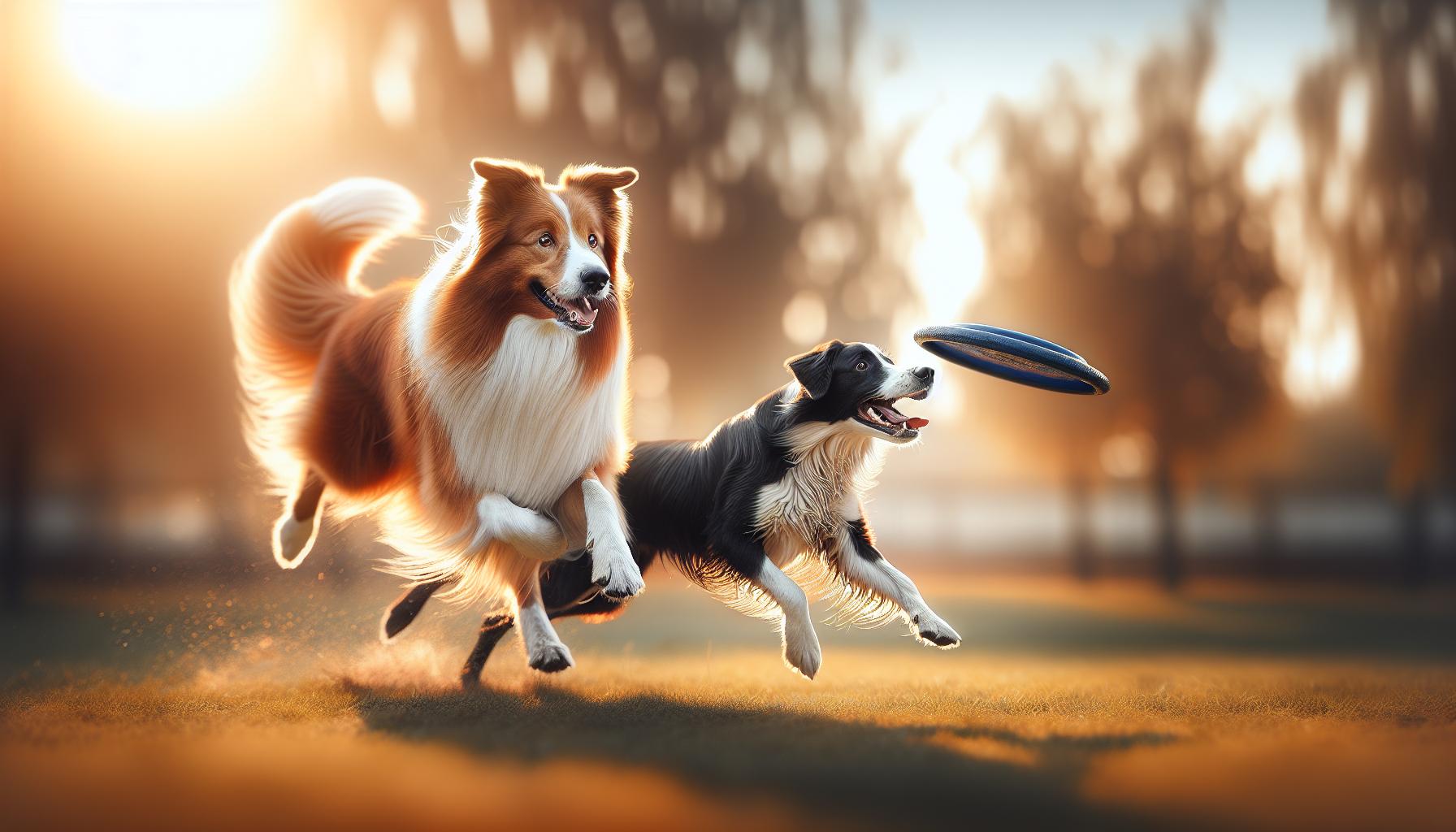
Essential Training Techniques for Effective Retrieval
To effectively train a Border Collie for retrieval, it’s essential to employ techniques that resonate with their unique instincts and natural behaviors. Unlike retrievers, who excel at fetching tasks through generations of selective breeding, Border Collies bring their herding background into play, and this can shape your training approach. One of the best ways to tap into their inherent drive is to make retrieval an engaging game that combines both speed and mental stimulation.
Engagement through Play
Start by introducing retrieval with a toy or object that your Border Collie is particularly excited about. Use motivational tools like squeaky toys or items that mimic their herding instinct. This will not only spark their interest but also create a positive association with the task. Play fetch in an open area, incorporating their favorite toy, and gradually increase the distance. Your goal is to have them associate the act of retrieving with fun and excitement. Be sure to reward them with praise or treats immediately when they return with the object. This process establishes a strong foundation for basic retrieval skills.
Progressing through Commands
Once they grasp the concept of retrieval, it’s important to introduce specific commands to guide their performance. Utilize clear, consistent phrases like “Get it!” when you throw the toy and “Bring it here!” as they return. This repetition aids in cementing the commands in their mind. It can be beneficial to start with a short distance and slowly increase it as they gain confidence and reliability. Incorporating hand signals alongside verbal commands can also enhance their understanding, taking advantage of their exceptional learning ability.
Promoting Focus and Control
Due to their natural herding instinct, Border Collies may exhibit a tendency to chase and control objects rather than simply retrieve them. To counteract this, practice techniques that emphasize focus. Use a long leash to control their excitement during retrieves, allowing them to understand and practice returning to you. Gradually increase the distance and challenges, such as throwing the toy into different terrains or locations. This will help them hone in on their retrieval skills while developing the control that’s necessary for successful performance.
In future training sessions, mix in activities that provide both physical and mental challenges. Consider incorporating agility courses or hide-and-seek games where they must find a hidden toy. These activities keep their minds engaged while also reinforcing the idea that retrieving is not only a task but also a stimulating form of play. By employing these techniques, you can nurture your Border Collie’s retrieving instincts, turning them into proficient and enthusiastic retrievers.
How to Train Your Border Collie to Retrieve
Training a Border Collie to retrieve is both an enjoyable and rewarding experience, as these dogs possess remarkable intelligence and energy. When embarking on this journey, it’s essential to leverage their natural instincts while fostering a positive learning environment. Start by selecting toys that ignite their interest-consider squeaky toys or balls that mimic the movement of prey. Engaging their instincts in play can set the stage for a successful retrieving experience.
Begin training in a distraction-free area by allowing your Border Collie to explore the toy. Toss it short distances initially while using encouraging phrases like “Fetch!” to capture their attention. As they bring the toy back, reward them immediately with praise and treats to reinforce the behavior. This immediate positive feedback creates a strong association with the act of retrieving, motivating them to repeat the action in the future.
Consistency in commands is crucial. As your Border Collie becomes more proficient, gradually introduce commands such as “Drop it!” to signal when they should release the toy. Pairing verbal commands with hand signals can further enhance their understanding, given their capacity to pick up on visual cues. To maintain interest, vary the training exercises by using different toys or challenging them with retrieves over obstacles. This variety not only boosts their enthusiasm but also sharpens their skills.
As the training progresses, it’s important to incorporate elements that cater to their herding instincts. Encourage them to bring the item back directly to you by using a long leash if necessary, minimizing their tendency to run off with it. Utilizing agility drills and scent games between retrieving sessions can also channel their energy constructively, ensuring you maximize their potential as both enthusiastic participants and skilled retrievers.
Common Challenges in Retrieving Training
Training a Border Collie to retrieve is a unique experience that can present a set of challenges. While these dogs are known for their intelligence and energy, there are specific hurdles that trainers may encounter. Understanding these common challenges not only prepares trainers but also helps foster a positive learning environment.
One prevalent issue is the dog’s instinctual herding behavior, which can interfere with retrieval tasks. Border Collies may instinctively want to control or maneuver the toy instead of bringing it back directly. To combat this, utilize a long training lead initially to guide their behavior and encourage them to return straight to you. Gradually shortening the lead as they become more reliable helps reinforce direct retrieval.
Another challenge is maintaining your dog’s focus amidst distractions. Their high energy can make them prone to excitement, affecting their ability to concentrate on the retrieval task. Start training in low-distraction environments and gradually introduce distractions as they progress. For instance, incorporating short sprints or play sessions can help to channel their energy, making it easier for them to focus on retrieving.
Additionally, some Border Collies may have a tendency to play keep-away with the toy instead of returning it. This behavior can frustrate trainers, but patience is key. Use appealing toys that encourage return and incorporate games that reward them for bringing the toy back, reducing their inclination to run off. Positive reinforcement, such as treats or praise, when they return the item can help shift this behavior.
Lastly, the motivation factor plays a crucial role in the training process. Border Collies may become bored with repetitive exercises, leading to decreased enthusiasm for retrieving. To keep the training engaging, switch up the toys, the environment, or the retrieval distances. Introducing elements like scent trails or incorporating agility courses can also maintain their interest and excite them about the retrieving task.
By recognizing these potential challenges and implementing strategies to address them, trainers can significantly enhance their Border Collie’s retrieving skills, creating a rewarding and productive training experience for both the dog and the owner.
Factors Influencing a Border Collie’s Retrieving Ability
Border Collies are renowned for their unmatched intelligence and energizing zeal, but several factors influence their inherent retrieving abilities. Understanding these elements can better harness their potential and enhance their skills, ensuring a fulfilling retrieval experience for both the dog and the handler.
A primary influence is the dog’s natural instincts. Border Collies were bred for herding, meaning they have a predilection for chasing and controlling objects rather than simply retrieving them. This instinct can be redirected through targeted training, focusing on positive reinforcement to encourage them to bring back the item rather than maneuvering it. Trainers should introduce retrieval games gradually, allowing the dog to understand the task’s expectations while still tapping into their natural drive to chase.
Another vital factor is the dog’s energy level and mental stimulation needs. Border Collies require significant physical activity and mental challenges to thrive. Providing varied training sessions that incorporate agility, obedience, and even puzzle-solving exercises can foster their focus and enthusiasm during retrieval activities. Engaging the dog in interactive play and encouraging problem-solving during games, such as “find the toy,” can help them maintain a high level of interest in retrieval tasks.
Furthermore, the type of retrieval item can greatly affect a Border Collie’s success. Using toys that capture their interest-such as squeaky balls or toys that mimic prey-is essential to motivate them to return the item. It’s also beneficial to consider size and texture; some dogs may favor softer toys or those that are easy to carry. Switching up these items during training sessions can prevent boredom and keep the retrieving routine exciting.
| Factor | Impact on Retrieving Ability |
|---|---|
| Instincts | Affects how they approach the task; may need redirection from herding behaviors. |
| Energy Level | Higher energy dogs may require more intense exercise and stimulation to focus. |
| Type of Item | Motivating toys can enhance their interest in retrieving and maintain engagement. |
| Training Environment | A distraction-free space helps improve concentration during training sessions. |
By recognizing these factors and tailoring training approaches accordingly, handlers can significantly enhance their Border Collie’s ability to retrieve, all while nurturing the unique characteristics that define this brilliant breed. Embracing both their intelligence and energetic nature offers a rewarding journey, deepening the bond between dog and owner through enjoyable and effective training experiences.
The Role of Play in Developing Retrieval Skills
Engaging in play with Border Collies is not just fun; it’s an essential part of developing their retrieval skills. These intelligent and energetic dogs thrive in environments that stimulate both their mind and body. Playful activities serve as the foundation for learning, allowing them to engage with their instincts while honing their ability to retrieve. By harnessing their natural enthusiasm, handlers can transform playtime into effective training sessions that reinforce retrieval behaviors.
Incorporating various types of play can greatly enhance the development of retrieval skills. Activities such as tug-of-war or frisbee can teach a Border Collie to understand the concept of returning an item. The key is to keep the play dynamic and interactive. For instance, using toys that mimic the movement of prey can spark their curiosity and drive, encouraging them to chase and fetch enthusiastically. Additionally, introducing obstacles during play can help them learn to navigate different environments while still focusing on the retrieval task.
To ensure that play remains effective in developing retrieval skills, it’s essential to create a structured play environment. This could involve setting specific retrieval goals during playtime, such as encouraging the dog to bring back a toy in a particular order or teaching them to drop the item at your feet. Using positive reinforcement, like treats and praise, can reinforce these behaviors, making the activity enjoyable while fostering a deeper connection between dog and handler.
Ultimately, for Border Collies cannot be overstated. By making training engaging and rewarding, handlers can effectively tap into their dog’s natural instincts. Combining fun with focused retrieval tasks creates an environment where learning becomes an enjoyable experience, enabling Border Collies to thrive as adept retrievers. Emphasizing the joy of play transforms training into a shared adventure that strengthens the bond between the dog and their owner, fostering a lifetime of successful retrieving activities.
Real-Life Examples: Successful Border Collie Retrievers
While often recognized primarily for their herding abilities, many Border Collies excel in retrieval tasks, showcasing their versatility and intelligence. One remarkable example is “Tess,” a Border Collie who became famous after impressively retrieving dropped objects in competitive events. Tess not only demonstrated the breed’s innate agility and focus but also highlighted the importance of consistent training and positive reinforcement in honing retrieval skills. Owners who engage in regular retrieval games often find their Border Collies eagerly participating and showing increased proficiency over time.
On the other hand, “Rudy,” another exemplary Border Collie, has garnered local fame by assisting in search-and-rescue operations. Trained specifically to retrieve items in various terrains, Rudy showcases how a focused retrieval training program can adapt the breed’s natural instincts to serve practical, life-saving purposes. His success illustrates that proper guidance and structured training can mold a Border Collie’s inherent capabilities into specialized skill sets.
Moreover, participating in agility courses has also proven beneficial for many Border Collies in terms of developing their retrieving skills. Owners report that the fast-paced environment keeps their dogs engaged and sharpens their focus. The experiences of “Bella,” who routinely competes in agility trials, reveal how her retrieving abilities have blossomed through the incorporation of retrieval exercises intertwined with agility training. This multifaceted approach allows for the enhancement of both speed and precision, reinforcing the idea that active and diverse training methods yield outstanding results.
Ultimately, the diverse applications and success stories of Border Collies in retrieval tasks emphasize that while they may not have been initially bred as dedicated retrievers, their intelligence, trainability, and enthusiasm make them exceptional candidates for retrieval training. Embracing their natural instincts while incorporating structured practice leads to impressive achievements in this area, fostering a deeper connection between the dogs and their handlers as they share the joy of retrieving.
Mental Stimulation: Importance for Border Collies
Engaging a Border Collie’s mind is crucial for their overall happiness and well-being. Known for their incredible intelligence and energy, these dogs require more than just physical exercise; they thrive on mental challenges that stimulate their problem-solving abilities. A bored Border Collie can quickly become a destructive one, so providing varied activities that challenge their intellect is essential.
Effective mental stimulation can take many forms. Puzzle toys, which require dogs to figure out how to retrieve treats, are excellent for keeping their minds active. Additionally, activities like scent work, where they search for hidden items, can not only hone their natural retrieving skills but also provide them with a sense of purpose. Training sessions that incorporate agility, obedience, and tricks can also serve as excellent mental workouts, reinforcing the bond between dog and handler while focusing on retrieval tasks.
Another great way to stimulate your Border Collie is through interactive play. Games that require them to fetch, retrieve, or even participate in canine sports keep their minds engaged and their bodies active. Incorporating fun challenges into these games, such as fetching specific colors or types of toys, can elevate the experience and enhance their retrieval instincts. Always remember that the more varied the training and play, the more mentally engaged your Border Collie will be.
Ultimately, the importance of mental stimulation for Border Collies cannot be overstated; it complements their training and enhances their retrieving capabilities. By integrating mental challenges into their daily routine, you set your Border Collie up for success not just in retrieving tasks but in becoming a well-rounded, happy companion.
Safety Tips for Retrieval Exercises
Engaging in retrieval exercises with your Border Collie can be a rewarding and enjoyable experience, but it’s essential to prioritize safety to ensure it remains positive for both you and your dog. Start by thoroughly examining your retrieving environment. Choosing a secure, enclosed space-like a fenced yard or a designated dog park-can help keep distractions and potential hazards at bay. This not only maintains focus but also prevents your dog from wandering into unsafe areas or encountering aggressive dogs.
Consider the equipment you utilize during retrieval training. Opt for toys that are durable and specifically designed for dogs to avoid any choking hazards. Avoid using items that easily break apart or pieces that could be swallowed. Furthermore, be cautious when selecting the retrieval distance; start small and gradually increase it as your dog becomes more proficient. This progressive approach helps your Border Collie stay motivated and minimizes the risk of injury from overexertion.
Weather conditions can also play a significant role in the safety of retrieval exercises. Avoid intense heat, as it can quickly lead to overheating, especially in active breeds like Border Collies. Always have fresh water accessible and take frequent breaks to ensure your dog stays hydrated and comfortable. During colder months, be mindful of icy surfaces that could lead to slips and injuries, and consider protective gear like dog boots if the ground is particularly harsh.
Lastly, keep an eye on your dog’s physical condition throughout the training sessions. If they display signs of fatigue, discomfort, or disinterest, it’s time to call it a day. Listening to your dog’s cues will not only enhance their training experience but also deepen your bond, providing an environment of trust where they feel safe and valued. By adhering to these safety tips, you can enjoy a fruitful and fun-filled retrieval training journey with your Border Collie.
Long-Term Training: Maintaining Skills Over Time
To keep your Border Collie’s retrieving skills sharp over time, it’s essential to incorporate a variety of engaging exercises into their routine. These intelligent and energetic dogs thrive on mental and physical stimulation, making consistent practice crucial. Just as athletes maintain their performance through training, Border Collies benefit from regular practice sessions that reinforce their retrieval abilities while also allowing for flexibility and fun.
Utilizing a mix of practice environments can help maintain your Border Collie’s interest and enhance their skills. Vary the locations where you train-consider moving your sessions from your backyard to a park or even indoors during inclement weather. This not only keeps the experience fresh but also challenges your dog to adapt to different settings, reinforcing their learning. Incorporating natural distractions like other dogs or wildlife can help simulate real-life scenarios, promoting better focus and retrieval under various conditions.
In addition to changing the environment, it’s beneficial to rotate the toys and objects used during training. Different textures, shapes, and sizes can keep your dog intrigued and motivated. For instance, use frisbees, balls, or even scent-based retrieval toys to stimulate their senses. Incorporate elements like fetching hidden toys or toys that mimic prey movements to engage their instincts. By adjusting the training stimulus, you keep their skills sharp and enjoyable.
To ensure longevity in their skills, it’s vital to embed retrieval activities into your Border Collie’s daily life. Participate in team sports or canine sports that require retrieving, such as agility, flyball, or even competitive obedience classes. This not only emphasizes their skills but also nurtures the bond between you and your dog. All of these activities mirror the excitement and engagement they feel during training, ensuring that retrieving becomes a natural and rewarding part of their existence.
Lastly, make sure to monitor your dog’s progress and adapt your training accordingly. Consistency is key, but so is understanding when adjustments are needed. Pay attention to their energy levels, enthusiasm, and mistakes-these observations can guide you in tailoring their training sessions to keep them successful and motivated. Regularly celebrated successes, whether big or small, will reinforce your dog’s confidence and enjoyment in retrieval tasks, solidifying their skills over the long term.
FAQ
Q: Are Border Collies good at fetch?
A: Yes, Border Collies excel at fetch due to their high energy and intelligence. They can quickly learn to retrieve and bring back balls, making them great companions for outdoor play. To enhance their skills, consistent training and positive reinforcement methods are recommended.
Q: How can I improve my Border Collie’s retrieving skills?
A: To improve your Border Collie’s retrieving skills, use engaging toys and incorporate fun training sessions. Start by teaching basic commands like “fetch” and “drop it,” gradually increasing the distance. Regular practice and mental stimulation play crucial roles in refining their abilities.
Q: What are common challenges when training Border Collies to retrieve?
A: Common challenges include distraction, lack of motivation, and inconsistency in training. To overcome these, ensure sessions are short and enjoyable, use high-value rewards, and gradually introduce distractions to improve focus. Consistency in commands and praise is vital for success.
Q: Can Border Collies compete in retrieving competitions?
A: Yes, Border Collies can compete in various retrieving competitions, including agility and obedience events. Their agility and quick learning capabilities give them an edge in these challenges. Training specifically for competition, focusing on accuracy and speed, enhances their performance.
Q: How do Border Collies compare to Labrador Retrievers in retrieving ability?
A: While both breeds are highly trainable, Labradors are typically more naturally inclined to retrieve due to their history as hunting companions. Border Collies possess high intelligence and energy but may require more focused training to master fetching skills effectively.
Q: What breeds are best for retrieving tasks?
A: Breeds such as Labrador Retrievers, Golden Retrievers, and Spaniels are often regarded as the best for retrieving tasks due to their inherent instincts and enthusiasm for fetching. Border Collies can also excel with the right training and engagement.
Q: What is the role of play in training my Border Collie to retrieve?
A: Play is essential in training a Border Collie to retrieve as it motivates them and enhances their focus. Using games during training sessions keeps them engaged, making learning enjoyable. Incorporating fetch games can speed up their understanding of retrieval tasks.
Q: How often should I practice retrieval with my Border Collie?
A: Regular practice is key; aim for short sessions 3-4 times a week. This frequency helps reinforce skills without overwhelming your dog. Keeping sessions engaging and rewarding will maintain your Border Collie’s interest and promote effective learning.
Future Outlook
As we wrap up our exploration of whether Border Collies make good retrievers, it’s clear that while their skills may shine in herding, retrieving can be a tailored journey requiring dedicated training. Remember, every dog is unique, and finding the right methods that resonate with your Border Collie is essential for success. For more insights on training techniques and skill development, check out our articles on “Essential Training Tips for Active Breeds” and “The Best Activities for Border Collies.”
If you’ve found this comparison helpful, don’t hesitate to explore our resources further! Consider signing up for our newsletter for exclusive tips on maximizing your dog’s potential. Your feedback matters! Share your thoughts in the comments below and connect with other passionate dog owners in our community. Keep training, keep exploring, and create those special moments with your furry friend!