Did you know that Golden Retrievers are renowned for their love of food, making them particularly receptive to training with treats? Understanding whether your Golden is food-driven can transform your training approach, making sessions more enjoyable and effective. This guide delves into their food motivations, offering valuable insights and practical tips to help you harness this natural instinct. As a breed known for their intelligence and eagerness to please, Golden Retrievers thrive in an environment where their love for treats is integrated into training. Whether you’re a new owner looking to bond with your pup or an experienced trainer refining techniques, discovering the nuances of using treats can enhance your training success. Let’s explore how to effectively engage your furry companion through the power of food-based rewards and foster a deeper connection between you and your Golden Retriever.
Understanding Food Drive in Golden Retrievers
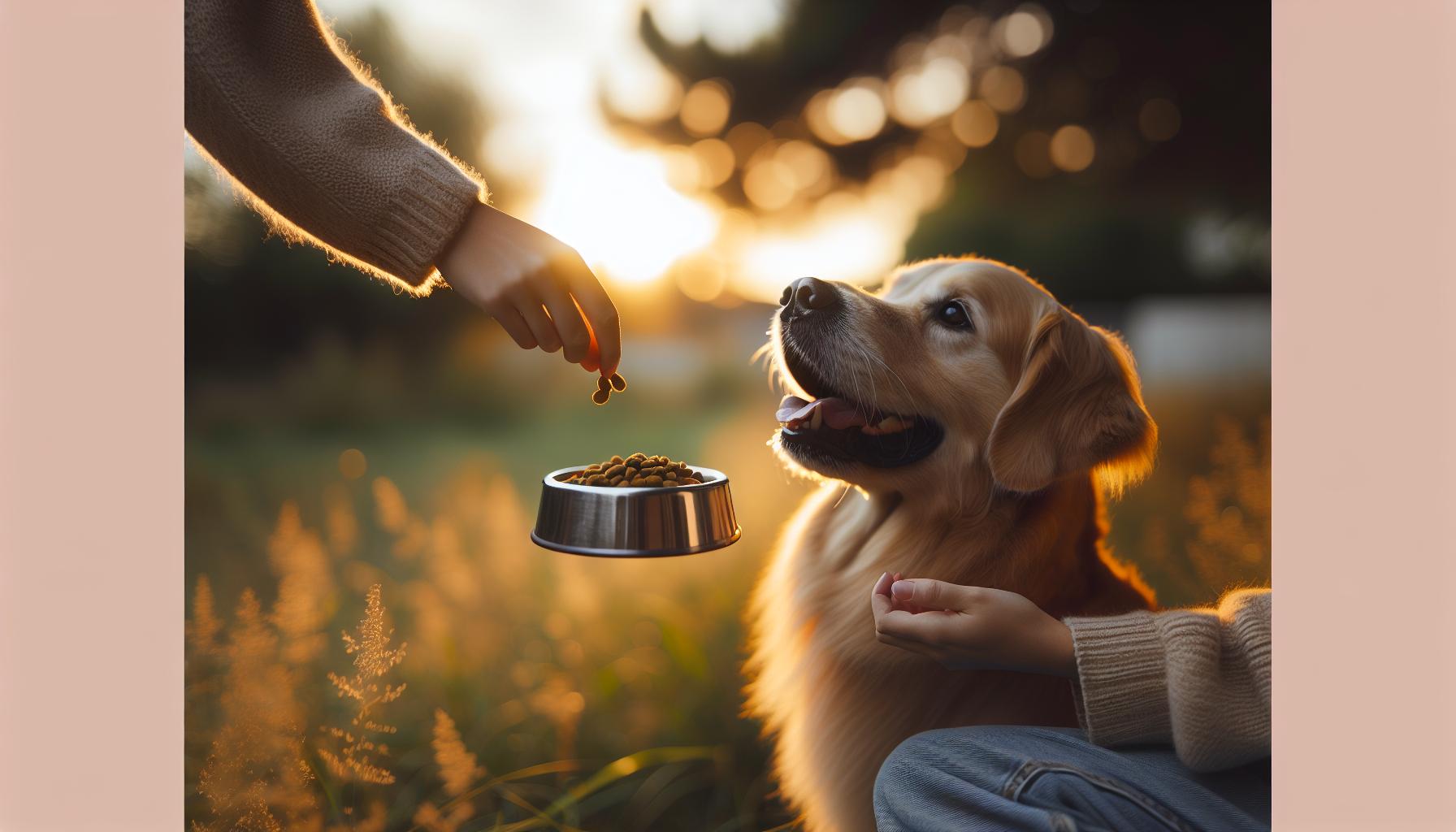
Understanding food drive is essential for anyone eager to train their Golden Retriever effectively. Known for their friendly demeanor and eagerness to please, Golden Retrievers are often driven by food, making them highly trainable. Their keen sense of smell and natural curiosity mean they are typically motivated by tasty rewards, so using treats during training sessions can lead to quicker learning and reinforced behaviors.
Golden Retrievers have a strong food drive due to their genetics and developmental history as working dogs. In their initial role, they were bred for retrieving game, which involved both cooperation with humans and a keen interest in food to encourage performance. This innate desire to earn rewards aligns seamlessly with training methodologies that utilize treats as a primary motivational tool. Observing your dog’s reaction to treats during training can provide insights into their individual food drive levels; some may respond eagerly to high-value treats, while others may show preference for less frequent but more substantial rewards.
When training with treats, be strategic about timing and selection. Use treats not just as rewards but as a means to build a deeper connection with your furry friend. A strong food drive can be harnessed to reinforce learning-when your dog performs a command successfully, delivering a treat immediately strengthens the association between the action and the reward. Over time, this helps establish a pattern of compliance and eagerness to engage during training sessions, fostering not only good behavior but also a joyful learning experience that celebrates the unique bond shared with your Golden Retriever.
Why Treats are Essential for Training Success
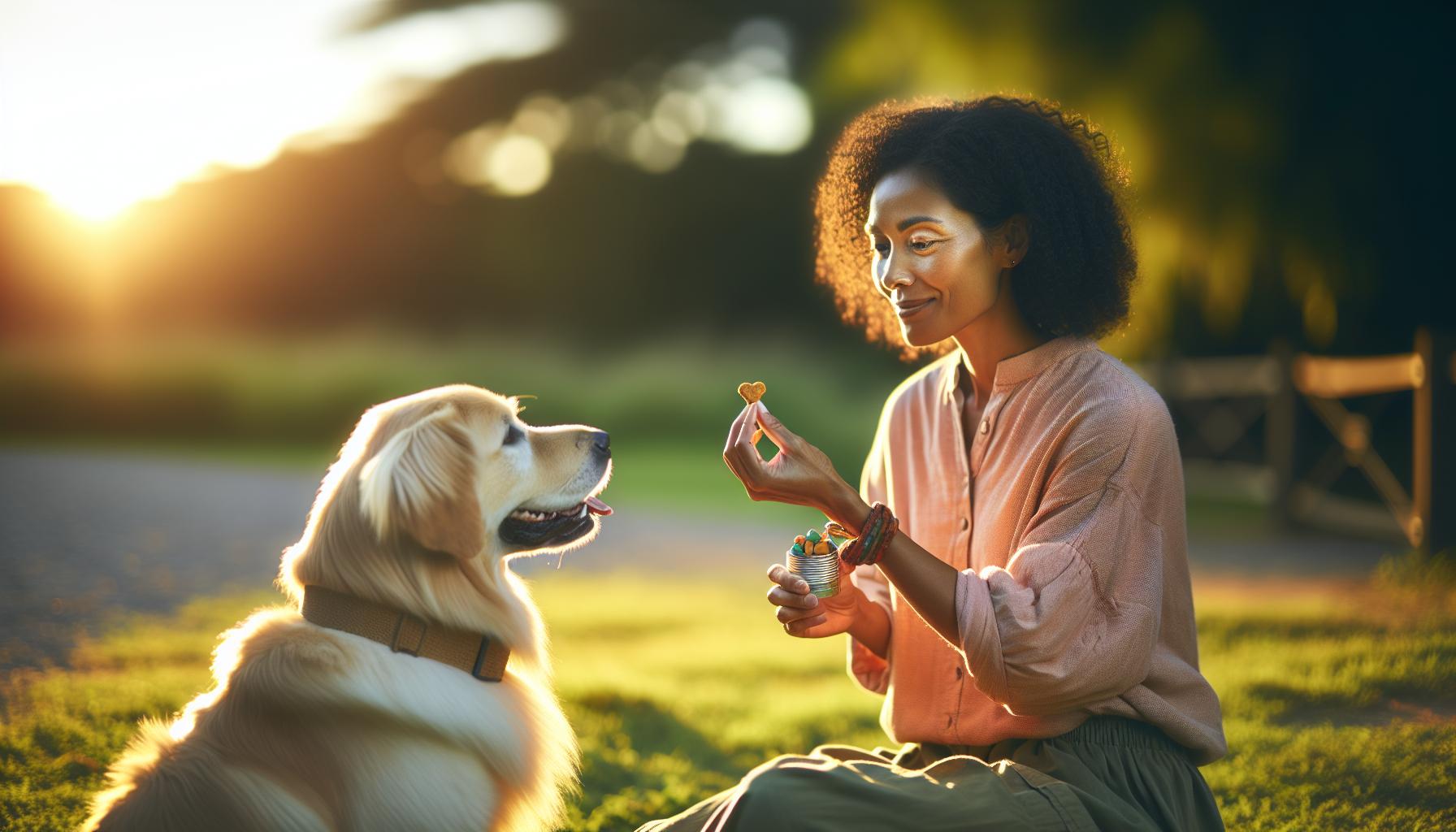
Engaging with a Golden Retriever during training sessions can be one of the most rewarding experiences for both dog and owner. Understanding the power of treats as a motivational tool is crucial in maximizing the effectiveness of your training efforts. Golden Retrievers, inherently eager to please and motivated by food, thrive on treat-based reinforcement, making treats not just important but essential in succeeding at training.
When used correctly, treats create a positive learning environment that resonates with a Golden Retriever’s natural instincts. These dogs possess an acute sense of smell and a strong drive to earn rewards. By associating desirable behaviors with tasty treats, you foster an environment ripe for learning, allowing your dog to eagerly anticipate what comes next. Consider the treat as more than just a reward; it’s a key element in building a meaningful connection during training moments. The immediate gratification that a treat provides helps solidify the link between actions and commands, encouraging your Golden Retriever to repeat desired behaviors.
To optimize your training sessions, it’s essential to choose the right types of treats. High-value treats-those that your dog finds most enticing-should be reserved for challenging training tasks or when introducing new commands. For routine commands or behaviors, regular treats can suffice. Varying the value of treats keeps your pup engaged and guessing, which can increase their motivation and excitement. Incorporating creative treat options, such as small pieces of cooked chicken or cheese, can also enhance your dog’s enthusiasm during lessons.
In addition to facilitating quicker learning, using treats effectively contributes to building trust and deepening the bond between you and your Golden Retriever. Celebrating successes with treats helps cultivate a positive training experience, fostering a sense of teamwork. By consistently integrating treats into your training strategy, you not only set the stage for successful commands and behaviors but also reinforce the joyful connection you share, ensuring that your training journey is fulfilling for both you and your beloved pup.
Types of Treats for Golden Retrievers: What to Choose
The flavorful world of dog treats offers endless possibilities to enhance training and create stronger bonds with your Golden Retriever. By carefully selecting the right treats, you can cater to your dog’s unique preferences and nutritional needs while ensuring they stay motivated during training sessions. Understanding the different types of treats available can significantly impact your training success, making it essential to choose wisely.
Golden Retrievers tend to have varied tastes, and knowing the types of treats that resonate with them can set the stage for effective training. Here’s a closer look at the kinds of treats to consider:
1. High-Value Treats
For moments when your Golden needs extra motivation-such as during advanced training tasks or when learning new commands-opt for high-value treats. These are typically small, soft, and extremely palatable. Examples include:
- Cooked chicken: Shredded or diced into tiny pieces, chicken provides protein and is usually irresistible.
- Cheese: Many dogs adore the taste of cheese. Offer small cubes or even cheese sticks that can be easily broken into bits.
- Pâté or liver treats: Often a favorite among retrievers, these treats can be found at pet stores or made at home.
2. Regular Training Treats
While high-value treats are great for special occasions, regular training treats are useful for reinforcing established commands. These can be:
- Commercial kibble: Choose a small kibble size as a low-calorie alternative for reward-based training.
- Store-bought training treats: Opt for low-calorie, bite-sized options designed specifically for training.
- Homemade treats: Simple recipes using oats, peanut butter, and pumpkin can create nutritious and tasty rewards.
3. Interactive Treats
To keep your dog busy and engaged, consider using interactive treats that challenge their problem-solving skills:
- Treat-dispensing toys: Fill these toys with your dog’s favorite treats or kibble to encourage mental stimulation.
- Frozen treats: Freeze broth or pureed fruits in molds for a refreshing snack that can keep your Golden entertained.
Choosing the right types of treats not only enriches training sessions but also nurtures the bond you share with your Golden Retriever. Remember to introduce new treats gradually and keep an eye on how they affect your dog’s overall diet and health. Always consider your dog’s dietary restrictions or health issues when selecting treats, ensuring that training stays healthy and enjoyable for your beloved companion.
The Impact of Treat Quality on Training Efficacy
The quality of treats you choose for your Golden Retriever can profoundly influence the efficacy of your training efforts. High-quality treats not only capture your dog’s attention more effectively, but they also contribute to a healthier diet and foster a stronger connection between you and your furry companion. To achieve the best training outcomes, consider both the ingredients and the appeal of the treats you offer during training sessions.
When selecting treats, prioritize those made with natural, wholesome ingredients. For instance, treats high in protein, without excessive fillers or artificial additives, are more likely to engage your Golden Retriever due to their inherent flavor and aroma. High-value treats, such as small pieces of cooked chicken or soft cheese bites, serve as excellent motivators and can enhance your dog’s focus during training. Conversely, lower-quality treats may fail to elicit a strong response, making training sessions less effective and potentially frustrating for both of you.
It’s also essential to consider the texture of the treats. Softer treats tend to work best for training as they can be consumed quickly, allowing for a swift reward and maintaining your dog’s engagement. Furthermore, varying the types of treats used-like incorporating freeze-dried options or even interactive treats-can spice up training sessions and keep your Golden Retriever interested and eager to learn. Remember, fine-tuning your selection of treats based on your dog’s preferences and dietary needs will yield better training results and a happier, healthier pup.
Ultimately, high-quality treats equip you with the tools necessary to reinforce desired behaviors while nurturing the unique bond you share with your Golden Retriever. Emphasizing treat quality ensures that training is not just productive, but also a joyful experience for you and your canine partner.
Establishing Clear Commands: A Step-by-Step Approach
To cultivate a strong and effective communication channel with your Golden Retriever, establishing clear commands is essential. By using concise, consistent cues, you can ensure your eager pup understands exactly what is expected of them, paving the way for a successful training experience. This method not only aids in learning but also strengthens the bond between you and your dog, making every training session rewarding and fun.
Begin by selecting simple commands that are easy for your dog to grasp. Aim for one or two-word phrases that convey specific actions, such as “Sit,” “Stay,” “Come,” or “Heel.” Consistency is key; use the same word each time without variations to avoid confusing your dog. To make your commands even clearer, pair them with hand signals. For example, use an upward hand motion for “Sit” while saying the word. This dual approach not only reinforces the verbal cue but also caters to your dog’s visual learning style.
When teaching each command, start in a quiet environment free from distractions, allowing your Golden Retriever to focus solely on you. Begin with a high-value treat in your hand to capture their attention. Use the chosen command and, when your dog responds correctly, immediately reward them with the treat while offering plenty of praise. Remember, positive reinforcement is crucial-enthusiastically celebrating their success will encourage them to repeat the behavior. If your dog does not respond, it’s important to remain patient; repeat the command gently, and avoid frustration.
As your dog masters each command, gradually introduce variations in environments and situations. This step helps solidify their understanding and builds their confidence. Always keep training sessions short and fun to maintain your dog’s enthusiasm for learning. A well-trained Golden Retriever not only brings joy to your life but also enhances the experience for everyone involved, showcasing their intelligence and eagerness to please.
Using Treats to Reinforce Positive Behavior
Using treats effectively can transform your training sessions with your Golden Retriever, utilizing their natural food drive to build a deeper bond and reinforce desirable behaviors. Golden Retrievers are known for their eagerness to please and their enthusiasm for food, making them particularly receptive to training that incorporates rewards. Using treats strategically not only makes lessons more enjoyable but also helps solidify positive behaviors, turning training into a rewarding experience for both you and your furry friend.
One fundamental approach is to ensure that the treats you use are compelling enough to capture your dog’s attention. High-value treats-such as small pieces of cooked chicken, cheese, or even specially formulated dog treats-are excellent choices. These should be bite-sized and easy to chew, allowing for quick consumption so that the focus remains on the training command rather than chewing. When your Golden Retriever successfully performs a command, immediately reward them with a treat, paired with enthusiastic praise. This immediate reinforcement helps them associate the action with the reward, fostering a desire to repeat the behavior.
Establishing a Variety
To keep your training sessions fresh and engaging, vary the types of treats you use. Not every session needs to be a food overload; sometimes, using their favorite toy or game can serve as a reward. Introducing a mix of rewards can help prevent boredom and sustain your dog’s interest over time. Experiment with different treats during your sessions to discover what excites your Golden Retriever the most-this could be a mix of crunchy, chewy, or even interactive rewards like a short game of fetch.
It’s essential to balance treat use with an understanding of your dog’s overall nutrition. Keep track of the treats you give throughout the day to ensure they’re not consuming more calories than necessary. Incorporating treats into their meal planning or using part of their daily kibble for training can be a practical way to manage their weight while still providing motivation during training.
Utilizing treats not only strengthens your dog’s ability to learn new commands but also builds a positive and trusting relationship between you. Training should be a fun and engaging process, and using treats effectively allows you to celebrate small victories and encourage a lifetime of good behavior and companionship.
How to Create a Reward Schedule for Training
Understanding how to effectively create a reward schedule can significantly enhance your training sessions with your Golden Retriever. Golden Retrievers are naturally food-driven, which means they respond well to structured reward systems that utilize their enthusiasm for treats. Crafting a thoughtful reward schedule not only reinforces desired behaviors but also helps maintain motivation throughout the training process.
Start by defining a schedule that aligns with your training goals. Consistency is key; consider using a simple framework such as the following:
- Immediate Rewards: For basic commands or behaviors, provide an immediate treat as soon as your Golden Retriever performs the desired action. This creates a strong association in their minds.
- Variable Rewards: Once your dog has mastered a command, shift to a variable reward schedule. Randomly reward them after a successful command, which can build anticipation and excitement around training sessions.
- Session-Based Rewards: At the end of a training session, offer a high-value treat to reinforce that the entire session was productive and enjoyable. This helps your dog look forward to future training.
To further enhance your reward schedule, consider incorporating different types of rewards tailored to your Golden Retriever’s preferences. Varying the treats used during sessions keeps them engaged and eager to listen. You might combine food rewards with play or praise to create a more dynamic training environment. For instance, if your dog performs well, follow the treat with a few minutes of their favorite game or an enthusiastic belly rub, elevating their happiness and motivation.
Monitoring your dog’s response to the reward schedule is essential. Pay close attention to their enthusiasm levels; if their interest seems to wane, it might be time to re-evaluate and introduce different rewards. This adaptability is crucial in maintaining a strong learning bond, ensuring that your Golden Retriever remains as excited about training as they are about those tasty treats. With a well-defined and flexible reward schedule, you’ll not only teach commands effectively but also reinforce the fun and joy of spending time together, fostering a deeper connection with your beloved companion.
Tackling Common Training Challenges with Treats
Navigating the challenges of training a Golden Retriever can sometimes feel overwhelming, but having an arsenal of treats at your disposal makes the journey smoother and more enjoyable. Golden Retrievers are known for their eagerness to please, and their food-driven nature can be harnessed to overcome common hurdles like distractions, lack of focus, or inconsistent behavior. By understanding how to effectively utilize treats, you can turn potential training obstacles into opportunities for growth and bonding.
One common obstacle is a dog’s tendency to become easily distracted by the environment. If your Golden Retriever seems more interested in birds, people, or passing cars than your commands, using high-value treats can refocus their attention. When you find a treat that particularly excites your dog, use that as a powerful reward during training sessions in distraction-heavy settings. For instance, take your training outdoors where the sights and sounds are plentiful; reward your dog with that special treat each time they successfully follow your command despite distractions. Gradually, they will learn to associate staying focused with delicious rewards.
Another challenge many owners face is inconsistency in their pet’s behavior. To combat this, establishing a clear correlation between command and reward is essential. When introducing a new command, always offer a treat immediately following the successful execution of the command. This immediate positive reinforcement builds a strong connection in your Golden Retriever’s mind that encourages them to repeat the behavior in the future. Additionally, reinforcing desired behaviors consistently helps to minimize confusion, making your training sessions more productive and enjoyable for both of you.
Building agility is also a common focus area for Golden Retriever owners. When practicing agility or learning new tricks, treats can facilitate progress by rewarding completion of obstacles or commands. Consider mixing it up by using treats as rewards for soft landings or successful navigation through tunnels. This makes the experience rewarding and keeps your dog motivated and engaged with the training process.
Lastly, patience is crucial, especially when challenges arise. If your Golden doesn’t respond to treats as expected, it may be time to assess the type of treats being used. Some dogs are picky, and what motivates one may not work for another. Experiment with flavors and textures until you discover what your dog loves best. Remember, the ultimate goal is to foster a positive training environment where your Golden Retriever feels encouraged and excited to learn. With treats as your ally, you can tackle these challenges while building an even stronger bond with your beloved companion.
Integrating Treats into Daily Care Routines
Integrating treats into your Golden Retriever’s daily care routines can significantly enhance their training experience and strengthen your bond. Since Golden Retrievers have a natural affinity for food, utilizing treats at various times in their day-to-day life not only supports training but also enriches their overall well-being. By intentionally incorporating treats in a balanced manner, you can create an environment that encourages positive behavior while making your dog feel cherished and rewarded.
One effective way to integrate treats is by associating them with regular activities throughout the day. For instance, use treats during grooming sessions to help your Golden associate the sight of brushes or hairdryers with positive outcomes. This can help alleviate any anxiety they may feel towards grooming. Similarly, offering a treat right after a successful potty break reinforces the desired behavior and makes the process more enjoyable for both of you. Furthermore, providing a treat before heading out for walks can get them excited and motivated, transforming a mundane outing into a delightful experience.
Incorporating Treats in Training and Playtime
Utilize your dog’s love for treats during training sessions by making them a consistent part of your commands practice. Start your day with short, playful training exercises that reward good behavior with a treat. This technique not only enhances their ability to learn new commands but also maintains their focus and eagerness to participate. Additionally, you can use treats as an incentive during playtime. For dogs that love fetch, a special treat for a successful retrieval can make the game more rewarding.
Another way to make treats a part of their daily routine is through enrichment activities. For example, consider using interactive treat-dispensing toys or hiding treats around the house for a fun scavenger hunt challenge. Such activities engage your Golden’s mind and fulfill their natural instinct to forage, which is a rewarding experience. Moreover, it allows you to monitor their treat intake, ensuring they remain healthy while enjoying their favorite snacks.
By creatively integrating treats into your Golden Retriever’s everyday life, you create an atmosphere filled with gratitude, learning, and happiness. Treats are not just rewards; they can become powerful tools that elevate training, positively impact routine care, and deepen the cherished bond you share with your furry companion. Celebrating every achievement, big or small, with a treat not only reinforces good behavior but also communicates your love and appreciation for your devoted friend.
Health Considerations: Treats and Nutrition Balance
Balancing treats with proper nutrition is essential in maintaining a healthy, happy Golden Retriever. While these dogs are renowned for their food-driven nature, it’s important to remember that treats, though helpful for training and rewarding good behavior, should not exceed a specific proportion of their overall diet. Consider that excessive treat intake may lead to obesity, a common concern with this breed, potentially resulting in health issues such as joint problems or heart disease.
When selecting treats, aim for quality over quantity. Natural, low-calorie options are preferable, as they provide the reward your dog loves without compromising their health. Look for treats that are rich in protein and free from artificial additives. Incorporating fresh fruits and vegetables, such as carrots or apple slices, can also be a healthy way to treat your Golden, offering vitamins along with satisfaction. Establishing a clear caloric guideline that dictates the amount of treats permissible in your dog’s diet will help maintain balance; generally, treats should make up no more than 10% of their total caloric intake.
It’s equally beneficial to adjust the amount of their regular meals when adding treats into their daily routines. For example, if your Golden Retriever receives a few extra treats during training, slightly reduce their meal portions to compensate. This approach encourages moderation and ensures that your dog remains at a healthy weight, preventing any unnecessary weight gain from overlapping caloric sources.
Also, be mindful of your Golden’s unique needs. For more active dogs, you may need to provide more caloric intake, while less active dogs may require a stricter watch on treats. Regular veterinary check-ups can also help monitor your dog’s overall health and weight, enabling you to make informed adjustments to their diet and treat regimen as necessary. By prioritizing a balanced approach to treats, you promote not only successful training but also a lifetime of health and well-being for your beloved Golden Retriever.
Advanced Training Techniques: Beyond Basic Treats
Golden Retrievers are not just eager learners; they possess an innate desire to please their owners, which makes them ideal candidates for advanced training techniques that go beyond basic treats. While food rewards play a critical role in initial training and positive reinforcement, exploring various motivational strategies can deepen the bond you share and enhance your dog’s learning experience. Utilizing a mix of treats, praise, playtime, and even toys can elevate training sessions to an engaging and enriching experience for your Golden.
The Power of Praise
One of the most effective reinforcement methods beyond treats is the use of enthusiastic verbal praise and affection. Golden Retrievers thrive on companionship and the affection from their human family. When your dog responds positively to a command, accompany the action with a cheerful, “Good boy!” or “Well done!” along with petting and love. This emotional connection not only reinforces desired behaviors but also strengthens trust and confidence in your dog.
Incorporating Play
Golden Retrievers are playful by nature, so integrating play as a reward can be immensely beneficial. After successfully completing a command or trick, engage your dog in a favorite game, whether it’s fetching a ball or tug-of-war with their favorite toy. This form of reward can be particularly useful for high-energy dogs who may find treats less motivating when they’re in a playful mood. Additionally, you can use a game to break up training monotony, keeping sessions engaging and dynamic.
Using Toys and Interactive Games
Incorporate the use of toys that can provide mental stimulation and challenge your Golden during training. Consider puzzle toys that require your dog to think and problem-solve to access treats hidden within, thereby marrying the two reward types effectively. Rotating different types of toys can maintain your dog’s interest during training sessions, as they explore novel challenges that tap into their natural curiosity and instincts.
Creating a Training Routine
Establishing a structured training routine can yield significant benefits. Consistency is crucial for Golden Retrievers, so consider setting aside specific times for short training sessions each day. Within these sessions, gradually increase the complexity of commands and introduce mixed rewards to keep your dog engaged and motivated. This structured approach can help reinforce learned behaviors and encourage your Golden to apply commands in practical situations throughout daily life, such as during walks or playtime.
By diversifying the rewards you use during training, you can create a more holistic and enjoyable experience for your Golden Retriever. Incorporating praise, play, and interactive challenges not only enhances obedience and skill mastery but also nurtures a lasting bond built on trust and fun. Remember, your enthusiasm and commitment to innovative training techniques will reflect in your dog’s attitude and performance, making each training session a stepping stone towards a deeper companionship.
Building a Lasting Connection Through Treat-Based Training
Building a strong connection with your Golden Retriever during training is not just about commands and treats; it’s about fostering a relationship built on trust, understanding, and mutual respect. Golden Retrievers are inherently social and eager to please, making them exceptional partners in the training process. By using treats effectively, not only do you train behaviors, but you also create memorable moments that enhance your bond.
Golden Retrievers respond best to positive reinforcement, and treats can serve as an integral tool in this method. When you appropriately reward your dog for a job well done, the experience becomes a joyful interaction rather than a mere transactional exchange. Every time you use a treat, pair it with enthusiastic praise and petting. This combination reinforces the desired behavior and deepens your relationship. Over time, your dog learns that pleasing you can lead to rewarding experiences, creating a feedback loop of affection and success (e.g., “Good boy!” with every treat).
Incorporating variety in the types of treats you use can also significantly impact your training sessions. Golden Retrievers are intelligent and curious; hence, their interest can wane if they encounter the same rewards repeatedly. Consider rotating through different treats, including soft chews, crunchy biscuits, or homemade delights like peanut butter or pumpkin bites. Not only does this prevent boredom, but it also keeps your dog motivated and engaged. Additionally, consider using low-calorie treats during long training sessions, ensuring your pooch remains light on their paws rather than heavy in the belly.
Lastly, harnessing treats as a tool for emotional engagement can lead to a more fulfilling training experience. Taking breaks during training to engage your Golden in play or other activities offers a refreshing change of pace while still reinforcing positive behaviors. After a successful session where treats have been effectively utilized, cap it off with a favorite game or extra cuddle time. This holistic approach to training not only results in a well-behaved dog but also strengthens the bond you share. When your dog recognizes that training is both productive and fun, they’ll continue to exhibit eagerness and joy in learning, forming a lasting connection that will enhance your life together.
Frequently Asked Questions
Q: Are Golden Retrievers motivated by food during training?
A: Yes, Golden Retrievers are highly food-driven, making them exceptional candidates for treat-based training. Their natural eagerness to please their owners aligns well with the use of treats, providing a powerful motivation to learn and follow commands effectively.
Q: What types of treats are best for training Golden Retrievers?
A: High-value treats, such as small pieces of chicken, cheese, or commercial training treats, are ideal for Golden Retrievers during training sessions. Choose treats that are easy to chew and digest, ensuring they can focus on learning without distraction.
Q: How often should I give treats while training my Golden Retriever?
A: It’s recommended to give treats frequently during training sessions to reinforce positive behavior. However, vary the frequency over time to prevent reliance on treats. Incorporating verbal praise along with treats can enhance the learning experience.
Q: Can I overfeed my Golden Retriever with treats while training?
A: Yes, overfeeding can lead to obesity and health issues. To prevent this, allocate a portion of their daily food allowance for treats or choose low-calorie options. Balancing treats with a healthy diet is crucial for their overall well-being.
Q: How can I establish a strong reward system for my Golden Retriever?
A: Start by associating treats with specific commands or behaviors. Use a consistent reward schedule, giving treats immediately after the desired action. As your dog learns, gradually reduce treat frequency, but continue offering praise for positive reinforcement.
Q: What are common training challenges faced when using treats?
A: Some challenges include dogs becoming overly excitable or distracted by treats. To address this, practice in a quiet environment and gradually introduce distractions. Also, ensure the treats are appealing enough to capture their attention.
Q: How can I integrate treats into my Golden Retriever’s daily routine?
A: Incorporate treats by using them during training sessions, for reinforcing good behavior, or as rewards during playtime. Additionally, you can use treats to encourage physical activities, helping to blend training with daily care routines seamlessly.
Q: What health considerations should I keep in mind with treat giving?
A: Monitor the ingredients in treats to avoid fillers and preservatives. Always choose high-quality, nutritious treats that complement your Golden Retriever’s diet. Regular vet check-ups can help ensure your dog’s dietary needs are met while using treats for training.
Final Thoughts
Now that you understand the food-driven nature of Golden Retrievers and how to leverage treats in their training, it’s time to put this knowledge into action! By using positive reinforcement, you can strengthen your bond and make training sessions enjoyable for both you and your furry friend. Don’t hesitate-start incorporating treats into your training today and watch your Golden flourish!
For more insights on keeping your Golden Retriever happy and healthy, check out our guides on Essential Nutrition for Golden Retrievers and Effective Grooming Tips. If you have any questions or want to share your training experiences, feel free to comment below-your feedback is invaluable! Remember, the journey of dog ownership is filled with love and learning; let’s take these steps together and celebrate the joy of having a Golden Retriever in your life.